

Quick Answer: How much is a money order at the post office?
A money order at a U.S. Post Office costs about $2.35 for amounts up to $500 and roughly $3.05 for amounts between $500.01 and $1,000. Those are the two domestic price tiers, and each money order is capped at $1,000. You can buy one at any staffed retail counter, and no bank account is required.
International money orders cost more, historically around $5.50 to $6.00 depending on the destination country, and they are only available for certain countries. Cashing a postal money order at a Post Office carries its own small fee, and replacing a lost or stolen one costs extra.
Before you head to the counter, check the current fee tier for your amount, the $1,000 per-order limit, whether the destination country is eligible for an international order, the cashing fee, and the replacement fee and waiting period, because postal prices change periodically.
Why Postal Money Orders Still Matter
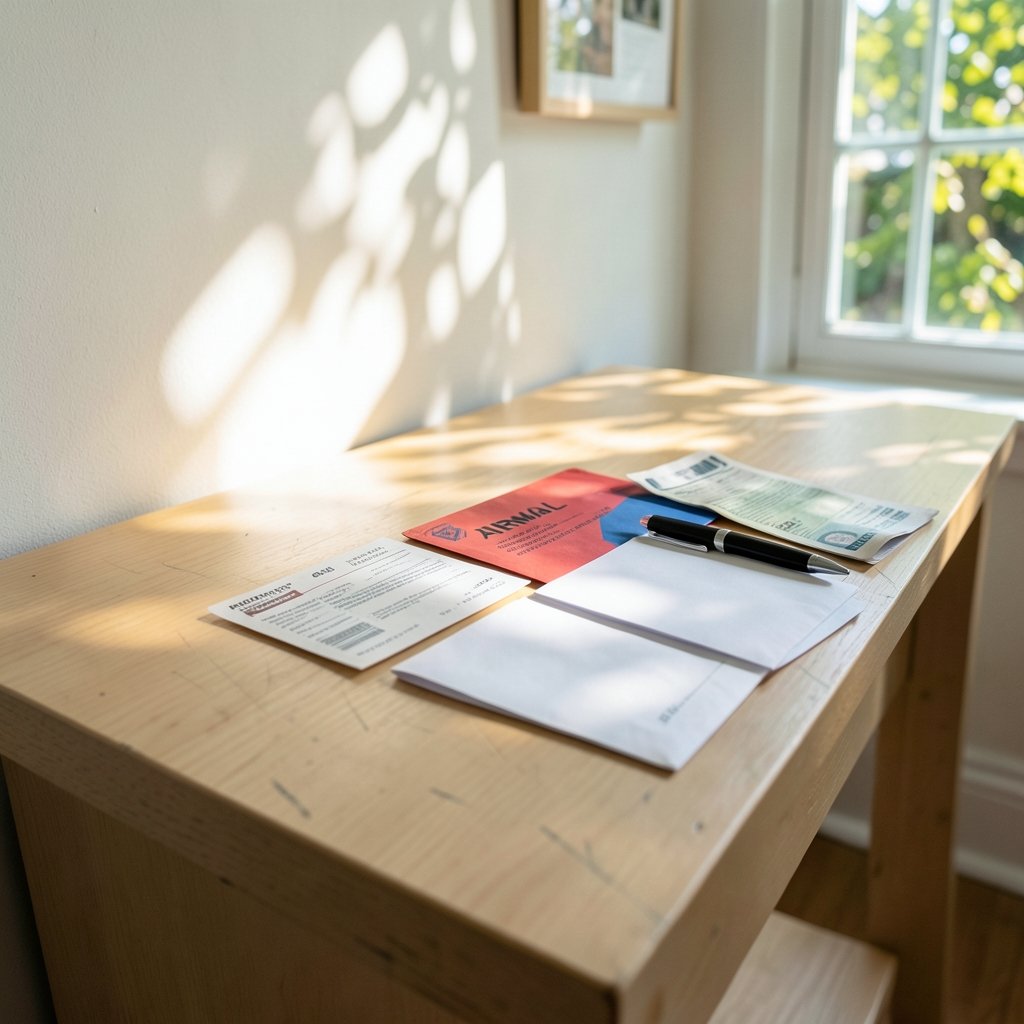
Ever been handed a paycheck you can’t cash because you don’t have a bank account? Or needed to pay a landlord who wants guaranteed funds, not a personal check? That gap is exactly where the humble money order lives. It is a prepaid payment instrument, a paper document you buy for face value plus a fee, and it clears without a checking account, a credit check, or a smartphone app.
The Post Office is one of the most trusted places to buy one, and for good reason. Postal money orders are traceable, they carry a fixed maximum value, and the fee structure is set by the Postal Service rather than by a bank. That predictability is why people reach for them when they need to send money to a utility company, a landlord, a court, or a relative overseas.
But “how much” is never just one number. There is the fee to buy it, the fee to cash it, the fee to replace it, and the cost of the alternatives you didn’t choose. This guide walks through each one, with practical notes on the mistakes people make at the counter.
The Core Price: What You Pay to Buy a Postal Money Order
The purchase fee is the number most people mean when they ask how much a money order costs. At a U.S. Post Office, domestic money orders have historically been priced in two tiers: (Money transfers and remittances)
| Amount of money order | Typical fee |
|---|---|
| Up to $500 | About $2.35 |
| $500.01 to $1,000 | About $3.05 |
Two things are worth noticing here. First, the fee is not a percentage. Buying a $900 money order costs the same as buying a $501 one, so if you need to send a large sum, filling a single order closer to the $1,000 cap is more economical than buying two smaller ones. Second, the fee is charged on top of face value. A $200 money order means handing over $202.35, not $200.
The $1,000 maximum per domestic money order is a hard ceiling. If you need to send $2,500, you will buy three money orders and pay three fees. That is a common surprise at the counter, and it is worth planning for before you join the line.
These figures have moved over time. Postal prices are adjusted periodically, so treat any number you read online, including the ones above, as a benchmark rather than a guarantee. The official USPS money order page is the page to check before you go, since it lists current limits, fees, and cashing rules in one place.
International Money Orders Cost More
Sending money outside the United States changes the math. International, or foreign, postal money orders have historically run around $5.50 to $6.00, with the exact figure depending on the destination country. That is roughly double the domestic fee, and it comes with two extra layers of friction.
First, not every country is eligible. International postal money orders are available only where bilateral agreements exist, and the list changes. A country that accepted them a few years ago may not today. Second, the maximum value for an international order is generally lower than the domestic $1,000 cap, so large remittances may need to be split.
If you send money abroad regularly, compare the total cost rather than the fee alone. A wire transfer, a remittance app, or a private money transfer service may cost less for larger amounts even if the quoted price appears higher. The better choice depends on the amount, the destination, and how quickly the recipient needs the funds.
The Fees People Forget: Cashing and Replacing
The purchase fee is only the first charge. Two others catch people off guard.
Cashing a postal money order at a Post Office. You can cash a USPS money order at a Post Office, subject to funds availability and identification requirements, but there is a fee. It has historically been in the range of $1.30 to $1.55. If the recipient is you, and you are cashing your own order, that fee is easy to overlook.
Replacing a lost or stolen money order. This is the expensive one. Replacing a lost or stolen postal money order requires a completed PS Form 6401, the official money order inquiry form, plus a fee that has historically run about $6.50 to $7.00. There is also a waiting period while the inquiry is processed, so you will not walk out with a replacement the same day.
That replacement fee is more than the cost of buying the money order in the first place. Which leads to the single most practical piece of advice in this article: keep the receipt. The receipt and the money order stub carry the serial number, and without them, tracing and replacing a lost order becomes far harder. Photograph the stub before you mail anything. It takes ten seconds and can save you weeks.
How Postal Money Orders Compare to Other Options
The Post Office is not the only place to buy a money order, and it is not always the cheapest. Here is how the main options stack up.
| Where you buy | Typical fee range | Notes |
|---|---|---|
| U.S. Post Office | About $2.35 to $3.05 | Traceable, $1,000 cap, cashing fee applies |
| Banks and credit unions | Often low or free for customers | May require an account; limits vary |
| Retail stores and check cashers | Often $0.50 to $5.00 | Limits and policies vary by chain |
| Wire transfer or remittance service | Percentage-based | Better for large or international sums |
The pattern is clear enough. Banks and credit unions tend to be cheapest for people who already have accounts, and some waive the fee entirely for members. Retail chains can undercut the Post Office on small amounts. The Post Office wins on accessibility, since it takes no membership, no account, and no credit history, and on traceability, since postal money orders can be tracked through the Postal Service in a way many private money orders cannot.
The comparison gets more interesting once you factor in the total cost of moving money. If you are weighing a money order against other financial commitments, it helps to think in the same terms as any other fixed cost, the way you would when asking how much internet speed do you actually need realistic guide before paying for a plan you don’t use. The principle is the same: match the tool to the job and the amount. (Much does postgresql cost small project or business)
Practical Tips From the Counter
A few habits separate a smooth Post Office visit from a frustrating one.
Bring cash or a debit card, and know the total. You are paying face value plus the fee. A $500 money order means $502.35, not $500. Counters accept cash, debit cards, and some credit cards, but policies on credit cards can be restrictive.
Fill out the payee information carefully. Money orders have a payee line, and a misspelled name can cause the recipient’s bank to reject the deposit. Write the name exactly as it appears on the recipient’s identification. If you make an error, do not try to correct it with correction fluid; ask the clerk for a replacement before you leave the counter.
Keep the receipt and the stub. This is the record that makes tracing possible. Store it somewhere you will find it again, not loose in a coat pocket.
Check the limit before you commit. If your payment is over $1,000, you will need multiple money orders. Confirm the total fee before the clerk starts printing.
Ask about cashing before you buy. If the recipient plans to cash the order at a Post Office, factor in that fee. Many recipients simply deposit money orders into a bank account, which avoids it entirely.
Watch for scams. Money orders are a favorite tool of fraudsters. A common pattern involves someone overpaying with a money order and asking you to send back the difference, a scheme that follows the same logic as the gift card scam works victims rarely get their money back, where the payment looks real until it isn’t. A postal money order is traceable, but that does not make every money order you receive genuine. Verify funds with your own bank before releasing goods or sending money back.
When a Money Order Is the Wrong Tool
For all their usefulness, money orders are not always the right answer. They are a poor fit for large payments, since the $1,000 cap forces you to buy several and pay several fees. They are slow for international transfers compared with digital remittance services. And they offer no consumer protections comparable to a credit card chargeback if something goes wrong with a purchase.
They are also inconvenient for recurring payments. If you pay rent monthly, a stack of money orders and a folder of stubs gets old fast. A basic bank account, even a low-cost one, usually ends up cheaper over a year.
Where money orders shine is the one-off payment to someone who needs guaranteed funds and does not want to accept a personal check: a deposit for an apartment, a court fee, a utility bill after a shutoff notice. For that job, the Post Office is a reliable, no-frills option.
Conclusion
So how much is a money order at the post office? For domestic orders, expect roughly $2.35 for amounts up to $500 and about $3.05 for $500.01 to $1,000, with a hard cap of $1,000 per order. International orders cost more, historically around $5.50 to $6.00, and are limited to eligible countries. Cashing at a Post Office adds a small fee, and replacing a lost order costs more than the original purchase.
The smartest approach is to check the current fee schedule before you go, bring the exact total in mind, keep your receipt and stub, and compare against a bank or retail option if the amount is large. Postal prices shift, but the fundamentals hold: a money order is a cheap, traceable way to send guaranteed funds when you don’t have or don’t want to use a bank account.
Frequently Asked Questions
Can I buy a money order at the Post Office without an ID?
In most cases, yes for purchases. Identification requirements are stricter when you cash a money order rather than buy one. Bring a government-issued photo ID anyway, since counter policies can vary and you do not want to be turned away after waiting in line.
What is the maximum amount for a single postal money order?
Domestic postal money orders are capped at $1,000 each. If you need to send more, you buy multiple orders and pay the fee on each one. International money orders generally have a lower maximum, which varies by destination country.
Can I cash a postal money order at a bank instead of the Post Office?
Many banks will cash or deposit a postal money order for their own customers, and some do it without a fee. Policies vary by institution, and non-customers are often turned away. Depositing into an account is usually the cheapest route for the recipient.
How long does it take to replace a lost money order?
Replacement is not instant. You file PS Form 6401, pay the inquiry fee, and wait while the Postal Service processes the request. The waiting period can run several weeks, which is why keeping the receipt and stub matters so much.
Are postal money orders safer than private money orders?
They are more traceable. Postal money orders can be tracked through the Postal Service, and the maximum value and fee structure are set centrally rather than by each retailer. That traceability helps if an order is lost, but it does not protect you from a scammer who sends a counterfeit order.
Do money order fees count toward the amount I’m sending?
No. The fee is charged on top of face value. A $300 money order costs $300 plus the applicable fee, so budget for the total rather than just the amount you intend the recipient to receive.



