

Quick Answer: Where can i withdraw money from cash app for free?
There is no truly free way to pull cash out of an ATM with Cash App, but you can move money to a linked bank account at no cost using the standard Cash Out transfer, which usually lands in one to three business days. The free route is a bank transfer, not an ATM visit, and the two are easy to confuse.
ATM withdrawals with the Cash Card carry a Cash App fee of about $2.50 per withdrawal, plus whatever surcharge the ATM owner adds, and Cash App does not refund those operator fees. Instant Deposit to a bank account is faster but also costs a percentage, so it is not a free option either.
Before acting, compare transfer speed, the Cash App fee, ATM operator surcharges, any direct deposit perks on your account, the current fee schedule, and whether the money needs to be cash in hand or can sit in a bank.
Why “Free” Is Trickier Than It Sounds
People ask this question expecting a simple list of fee-free ATMs. The reality is messier, and it mostly comes down to what “free” means to you. Free of Cash App’s own charges is one thing. Free of every fee in the chain is another thing entirely.
Every withdrawal passes through at least two parties. Cash App handles the transfer or card transaction, and a bank or ATM operator handles the cash or deposit on the other end. Each one can charge you separately. Even when Cash App waives its cut, the machine on the corner may still take a few dollars.
There is also a legal wrinkle worth knowing. Cash App is not a bank. Its banking services run through partner banks, and deposit insurance applies through that partner rather than through Cash App itself. That matters because “withdrawing” from a fintech app is legally a transfer between institutions, not a teller handing you bills. If you want the background, the Consumer Financial Protection Bureau’s prepaid accounts rule explains how these accounts are regulated. (Prepaid cards)
So the honest framing is this: there is one genuinely free path, a few paid paths, and a handful of myths. Let’s walk through each.
The One Genuinely Free Route: Standard Cash Out to a Bank
The Cash Out feature is the closest thing to a free withdrawal Cash App offers. You link a bank account, tap Cash Out, and the money moves from your Cash App balance to that account. Cash App does not charge for the standard version of this transfer.
The catch is speed. Standard transfers typically take one to three business days to arrive. That is fine if you are paying a bill next week. It is useless if you need cash tonight.
Practical tip: link your bank account early and verify it before you need the money. People routinely discover their account is unverified at the worst moment, usually a Friday evening, and then pay for instant deposit out of panic. Set it up once, confirm a small test transfer, and you are done.
Common mistake: assuming Cash Out sends money to a debit card. It sends to a bank account. If you only have a card number and no routing and account numbers, you are on the wrong path.
ATM Withdrawals: Not Free, and Here’s the Math
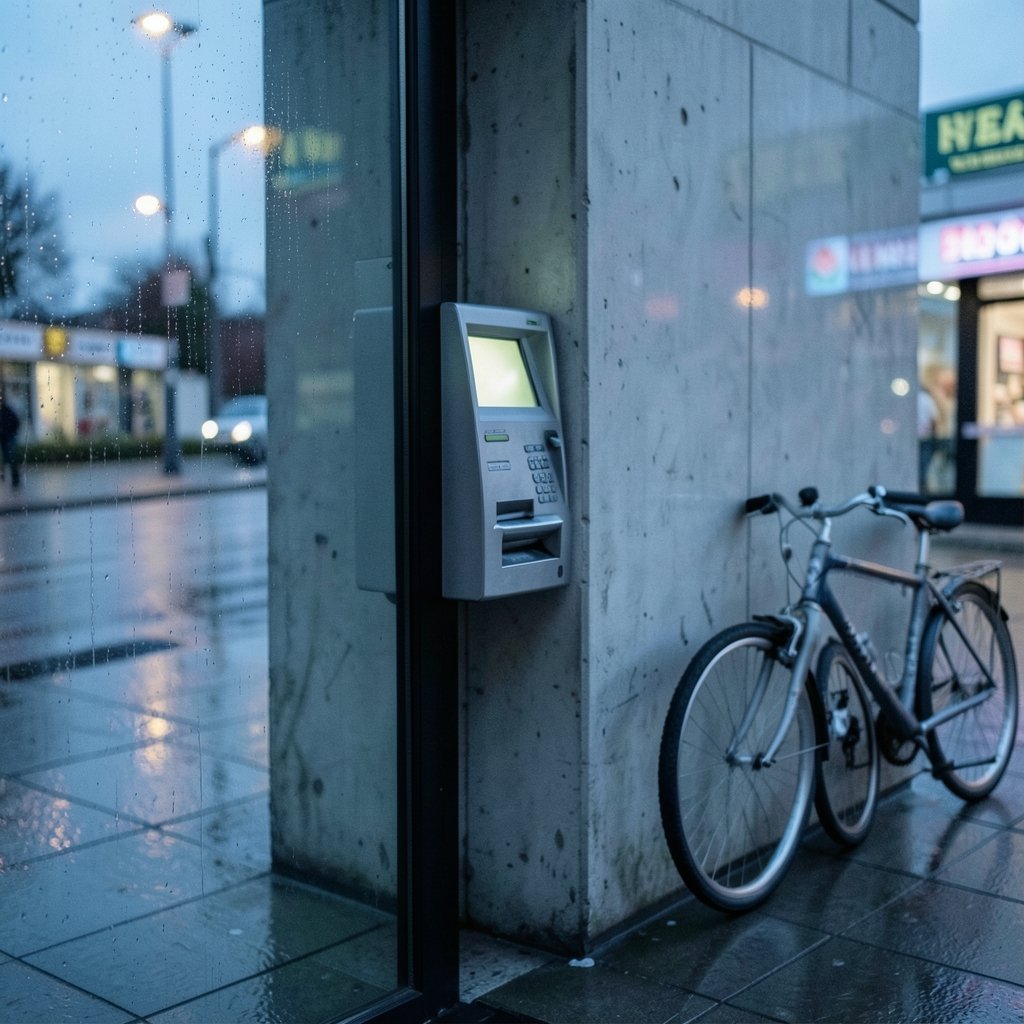
Withdrawing cash at an ATM with your Cash Card is convenient, but it is not free. Cash App charges a fee per ATM withdrawal, historically around $2.50, and the ATM operator usually adds a surcharge of its own.
Here is how the costs stack up in a typical scenario:
| Withdrawal method | Cash App fee | Third-party fee | Speed |
|---|---|---|---|
| Standard Cash Out to bank | None | None | 1–3 business days |
| Instant Deposit to bank | Percentage-based | None | Minutes |
| ATM withdrawal with Cash Card | About $2.50 | ATM operator surcharge | Immediate |
| Spending on the Cash Card | None | None | Immediate |
The important detail is the third column. Cash App does not reimburse ATM operator surcharges. So even if you find a machine that charges nothing on its side, Cash App’s own fee still applies. Two small fees become one noticeable one.
A practical habit: if you must use an ATM, take out a larger amount in one trip rather than several small withdrawals. The fee is per withdrawal, not per dollar. Three $40 withdrawals can cost more in fees than one $120 withdrawal. That single change saves real money over a year.
Instant Deposit: Fast, But Not Free
Instant Deposit is the option people reach for when they need money in their bank account right now. It works, and it is quick, but it carries a fee, historically a percentage of the amount with a minimum charge.
The percentage has changed over time, so check the current rate in the app before you commit. On small transfers the fee feels trivial. On larger ones it stings, and that is exactly when people forget to compare it against just waiting a couple of days.
A simple rule of thumb: if the money is not urgent, use standard Cash Out. If it is urgent, ask whether the fee is smaller than the cost of being late. Sometimes it is. Often it is not.
The Fee-Free ATM Question, Handled Carefully
You may have heard that Cash App offers access to a network of fee-free ATMs. Cash App has at times advertised arrangements with ATM networks that let cardholders avoid some fees. Availability and terms have shifted over the years, and this is genuinely one of the murkiest parts of the whole topic.
The safe approach is to check inside the app before you drive anywhere. Look at the ATM map or fee disclosure in your account settings. If a fee-free network is active for your account, it will show up there. If it does not, assume the standard fee applies.
Do not trust a blog post from three years ago listing “free ATMs near you.” ATM networks change, and a machine that was free last spring may charge now. The app is the only source that reflects your actual account.
Direct Deposit Perks and Other Promotions
Cash App has periodically offered perks to users who set up qualifying direct deposits, and at times those perks have included fee waivers or boosts. These are promotional. They appear, they change, and they disappear.
What actually works in practice is checking your account’s current benefits page rather than relying on what a friend told you. If you already receive a paycheck or benefits payment by direct deposit, you may qualify for something. If you do not, chasing a perk is usually not worth restructuring your finances.
One more myth to clear up: Cash App does not write paper checks, and it does not cash checks for you. If someone tells you to “just cash out at a check cashing store,” they are describing a different product entirely. Withdrawing money from Cash App means a bank transfer or card spending, full stop.
What About Spending Instead of Withdrawing?
Here is a mindset shift that saves people money. If your goal is to use the money rather than hold physical cash, you do not need to withdraw at all. Spending directly with the Cash Card avoids withdrawal fees entirely, and many purchases can be made straight from your balance. (Best budget gaming pc build where your money actually)
The same logic applies to paying friends and splitting bills inside the app, which costs nothing. The fee only appears when money leaves the Cash App ecosystem for physical cash or an outside account.
If you are weighing other money decisions alongside this one, it helps to see where costs actually hide. The same pattern shows up in security spending, where the visible price tag rarely tells the whole story, as this breakdown of where identity threat detection money really goes illustrates.
Step-by-Step: The Free Withdrawal Routine That Works
Here is the sequence that keeps your money intact:
- Open Cash App and confirm your linked bank account is verified, with correct routing and account numbers.
- Check your balance and decide whether you need the money within 24 hours or can wait a few days.
- If you can wait, choose Cash Out and select the standard transfer, which is free.
- If you cannot wait, compare the Instant Deposit fee against the cost of being late before tapping it.
- If you need physical cash, withdraw a larger amount once rather than several small amounts, and check the app for any active fee-free ATM network first.
- Keep an eye on your account’s benefits page for direct deposit perks that may waive fees.
That routine takes two minutes and prevents the most common expensive mistakes.
Common Mistakes People Make
The first mistake is confusing Cash Out with an ATM withdrawal. One is free and slow, the other is paid and instant. People hear “withdraw” and picture the ATM, then get surprised by the fee.
The second is assuming a no-surcharge ATM means a free withdrawal. Cash App’s own fee still applies. Free on one side does not mean free on both.
The third is paying for Instant Deposit on money that was never urgent. A small percentage on a modest transfer is easy to ignore, but it adds up across a year of small panics.
The fourth is trusting stale information. Fee schedules change, networks change, and promotions expire. The app is the source of truth.
If you are the type who likes to understand the full cost picture before committing, the same instinct pays off elsewhere. This look at where threat intelligence budgets actually go shows how headline prices and real costs often diverge, and the same skepticism is useful here.
How This Compares to a Traditional Bank
A regular bank account typically lets you withdraw cash at its own ATMs for free and often reimburses out-of-network fees. Cash App does not do either. What Cash App offers instead is speed and simplicity for peer-to-peer money, not a full-service checking experience.
That trade-off is worth naming plainly. If free ATM access matters a lot to you, a traditional bank or a credit union is usually the better home for your cash. Cash App works best as a hub for sending and receiving money, with the free bank transfer as your exit ramp.
Regulators have been paying attention to this distinction. The FDIC’s explanation of which financial products are insured clarifies that pass-through coverage depends on the partner bank’s records, which is a meaningful difference from holding an account directly.
Conclusion
The answer to where you can withdraw money from Cash App for free comes down to one word: your bank. Standard Cash Out to a linked bank account costs nothing and takes a few business days. Everything faster or more physical has a price, whether that is the Instant Deposit percentage or the ATM fee plus operator surcharge.
The smart play is to set up your bank link before you need it, default to the free transfer whenever time allows, and treat ATM visits as a paid convenience rather than a right. Check the app for current fees and any fee-free network, because those details shift. Get the routine right once, and you stop leaking money on withdrawals you did not need to pay for.
FAQ
Does Cash App charge a fee to withdraw cash at an ATM?
Yes. Cash App charges a fee per ATM withdrawal with the Cash Card, historically around $2.50, and the ATM operator usually adds a surcharge on top. Cash App does not reimburse those operator fees, so the total cost is often higher than the headline number.
Is Cash Out to a bank account really free?
The standard Cash Out transfer to a linked bank account does not carry a Cash App fee. It typically takes one to three business days. The faster Instant Deposit option does charge a percentage, so only use it when speed genuinely matters.
Can I get cash from Cash App without a bank account?
Not for free. Without a linked bank account, your options are ATM withdrawals with the Cash Card, which carry fees, or spending the balance directly with the card. Cash App does not cash checks or hand out cash at a physical location.
Why did my ATM withdrawal cost more than the advertised fee?
Because two fees apply. Cash App charges its own withdrawal fee, and the ATM owner charges a surcharge. The machine’s screen usually discloses the surcharge before you confirm, so read it before tapping yes.
Do direct deposits waive Cash App withdrawal fees?
Sometimes, but not reliably. Cash App has periodically offered perks and fee waivers to users with qualifying direct deposits. These are promotional and change over time, so check your account’s current benefits page rather than assuming.
Is Cash App a bank, and does that affect withdrawals?
Cash App is not a bank. Its banking services run through partner banks, and deposit insurance applies through that partner. That structure is why a withdrawal is really a transfer between institutions rather than a teller transaction, and it is worth understanding before you rely on it for savings.



