
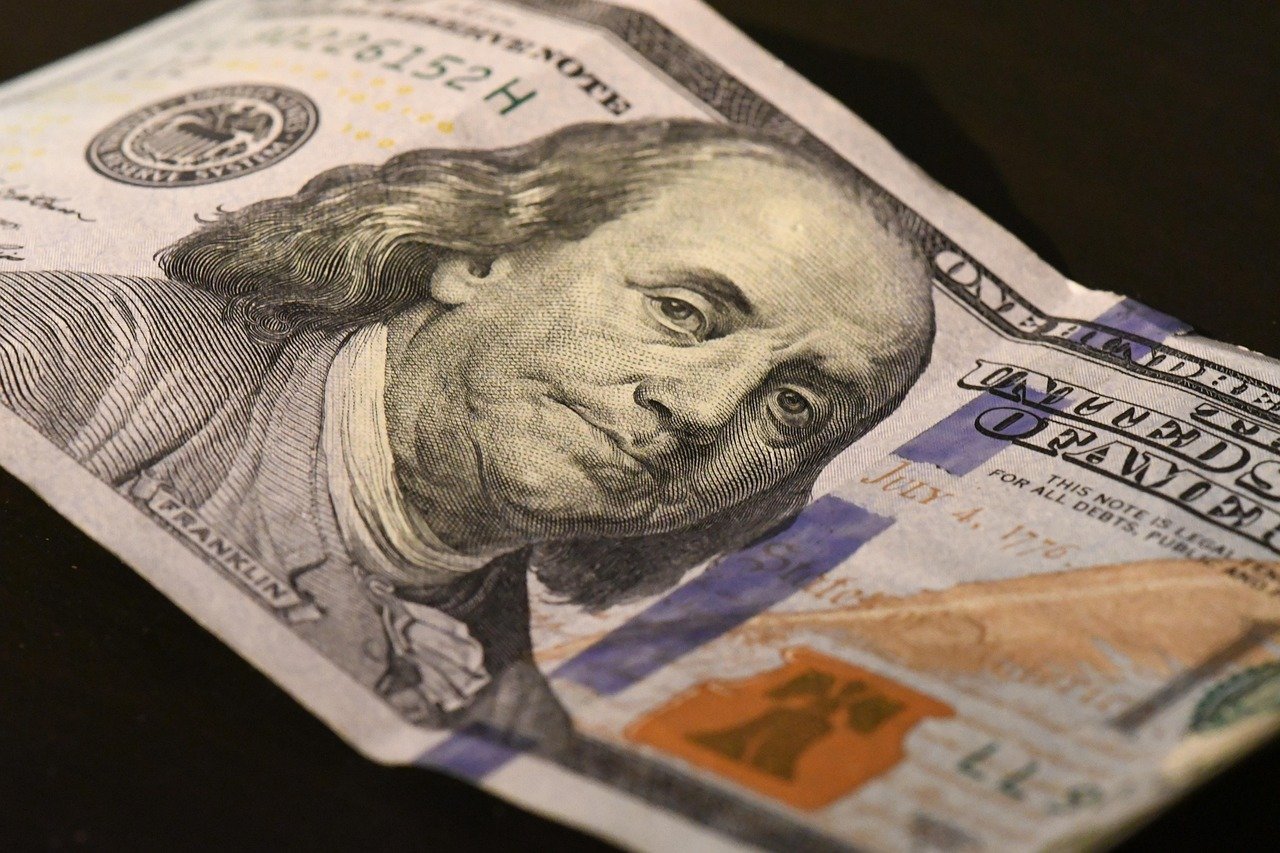
Have you ever looked closely at the face on a banknote and wondered who decided that person belongs there? Pictures of money are everywhere: in news stories, textbooks, wedding gift envelopes, phone wallets. Yet most people never stop to ask what those images mean, who controls them, or why some are legal to copy and others are not. This article walks through the world of money imagery, from the portraits on dollar bills to the hidden patterns that stop photocopiers in their tracks. (Banknote)
Why Money Carries Pictures at All
A banknote is a piece of paper or plastic that only works because people trust it. Pictures do a lot of that trust-building work. A portrait signals that a note is official. A signature, a serial number and a seal all reinforce the same message: this is real, and someone stands behind it.
The Bank of England’s first fully printed notes, issued from 1855, carried a portrait of Queen Victoria, while earlier notes were partly handwritten and signed. That shift from handwriting to printed portraits changed how the public judged authenticity. A recognizable face became a fast check that anyone could make, even without reading.
Modern notes push the idea further. The current US $100 note, issued in October 2013, added a blue 3-D security ribbon and a color-shifting bell inside an inkwell. Those images are not decoration. They are designed to be hard to copy and easy to check at a glance.
The Faces on US Currency
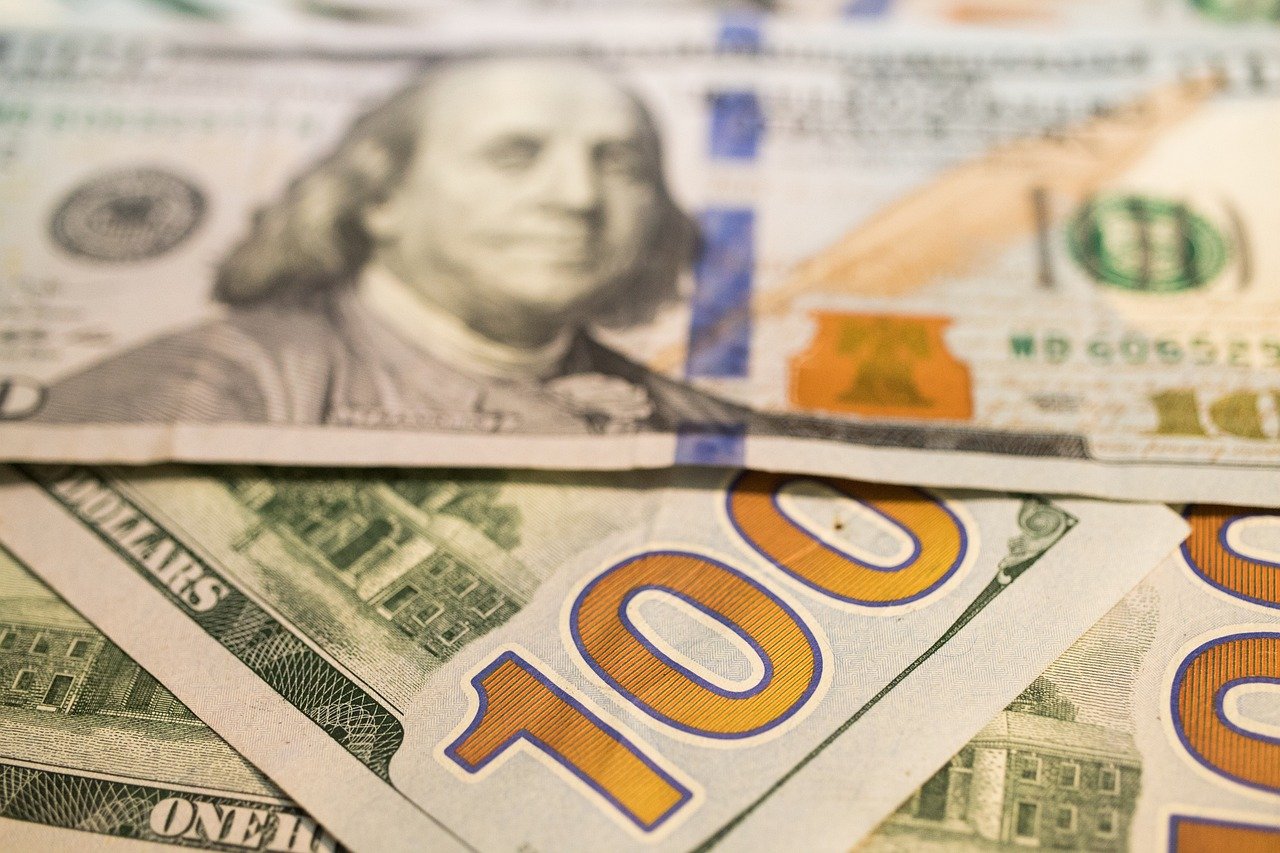
American notes follow a fixed set of portraits. The Secretary of the Treasury has authority over designs, and the lineup most people know dates from the 1928-series notes onward.
| Note | Portrait |
|---|---|
| $1 | George Washington |
| $5 | Abraham Lincoln |
| $10 | Alexander Hamilton |
| $20 | Andrew Jackson |
| $50 | Ulysses S. Grant |
| $100 | Benjamin Franklin |
What is interesting is how rarely the lineup changes. Proposals to replace Andrew Jackson on the $20 with Harriet Tubman have circulated for years, and the debate shows how strongly people attach meaning to money pictures. A face on a note is a statement about who a country chooses to honor.
The official guide to US note designs, portraits and security features is published by the U.S. Currency Education Program, and it is the clearest place to see how each denomination differs.
How Other Countries Picture Their Money
The euro takes a deliberately different approach. The first euro series, introduced in 2002, used generic architectural motifs such as windows, gateways and bridges rather than real buildings. The goal was to avoid favoring any single member state. The European Central Bank explains the fictional architecture behind the first euro series, and it is a good example of design used to build shared identity rather than national pride.
The UK shows how the physical material of money changes the pictures too. The Bank of England issued its first polymer £5 note in September 2016, followed by the £10 in 2017 and the £50 in 2021, while the paper £20 was withdrawn in 2022. Polymer notes allow sharper printing and see-through windows, which means the images on them can carry security features that paper could not.
The Hidden Pattern Most People Never Notice
Look closely at many banknotes and you will find a small ring of five circles arranged like the constellation Orion. This is the EURion constellation, sometimes called the Omron rings. It was developed around 1996 and appears on euro notes, US dollar notes and many others.
Its job is simple and clever. Scanners and color copiers are programmed to detect the pattern and refuse to reproduce the note. The marks are faint enough that most people never spot them, yet they sit quietly on billions of notes worldwide. The EURion constellation entry on Wikipedia is a useful starting point for understanding how the pattern works, though it is worth cross-checking with primary sources.
This is one of the clearest examples of pictures of money doing a job that has nothing to do with decoration. The image is a machine-readable instruction: do not copy this.
The Rules on Photographing and Reproducing Money
Here is where many people get into trouble without meaning to. Photographing money for personal use is generally fine. Reproducing it for publication, printing or design is where rules kick in.
In the United States, 18 U.S.C. § 474 and related Treasury rules in 31 CFR Part 411 govern color and size reproductions of US notes. The practical conditions are specific. Illustrations must be less than three-quarters or more than one and a half times the actual size, they must be one-sided, and they must follow other conditions set out by the Treasury. The U.S. Bureau of Engraving and Printing publishes the official rules for reproducing currency, and anyone planning to print money images should read them before designing anything.
A few common mistakes show up again and again in practice:
- Printing at exactly actual size. This is the single most common error. A full-size, full-color copy of a note fails the size test immediately.
- Showing both sides on one sheet. Two-sided reproductions are restricted in ways many designers do not expect.
- Assuming stock photo licenses cover everything. Many stock agencies and platforms restrict or flag currency images because of counterfeiting rules. A license to use an image does not override the law.
- Forgetting about digital use. A website banner or app screen showing a realistic note can raise the same concerns as a printed poster.
The safest approach for most projects is to use images that are clearly altered, clearly smaller, or clearly one-sided, and to check the official rules first rather than after a design is finished.
Pictures of Money in Art, Media and Everyday Life
Money imagery is a genre in its own right. Newspapers use banknote photos to illustrate inflation stories. Designers use them to signal value, cost or wealth. Teachers use them to explain budgeting and saving. Central banks and public bodies publish free image libraries and lesson materials for schools, which is why so many financial literacy lessons feature pictures of coins and notes.
There is a practical side to this too. Images of money shape how people feel about it. A crisp, well-lit photo of a stack of notes can make saving look appealing. A crumpled note in a hand can suggest scarcity. Marketers know this, and so do scammers.
That last point matters more than it sounds. Fake money imagery is a common tool in fraud. A scammer may send a photo of a bank transfer, a screenshot of a wallet balance, or a picture of gift cards to convince a victim that payment is real. Understanding how money images can be faked is a basic safety skill. The gift card scam problem is a good example of how a convincing picture can do real damage, since victims rarely get their money back once codes are shared.
Digital money is changing the picture too. As central banks explore digital currencies, the imagery of money is shifting from paper to screens and symbols. The move toward CBDCs and what central bank digital money means for everyday users is worth following, because it will change what “a picture of money” even refers to. (Identity threat detection really costs where money goes)
Practical Tips for Using Money Images Well
Whether you are building a slide deck, a school worksheet or a news graphic, a few habits keep you out of trouble and make the result better.
- Check the size rule before you design. Decide the final print size early, then scale the image so it falls clearly outside the restricted range.
- Prefer one-sided images. This avoids a whole category of problems.
- Label illustrations clearly. A caption such as “illustration, not legal tender” removes ambiguity.
- Use official image libraries where possible. Public bodies often provide images intended for educational use.
- Avoid realistic composites. Combining parts of different notes into a realistic-looking new note is riskier than using a single, clearly altered image.
- Think about context. A picture of money next to a “get rich quick” claim invites scrutiny from platforms and regulators alike.
For anyone curious about the business side of money imagery, from stock photography to AI-generated visuals, the economics are surprisingly complex. The question of how AI companies make money overlaps with how image rights and licensing work, and it is worth understanding before you rely on a generated image of a banknote.
What Pictures of Money Tell Us About Trust
Step back and a pattern emerges. Every image on a banknote exists to answer a question: can I trust this? Portraits answer it by showing a familiar face. Security ribbons answer it by being hard to fake. Hidden constellations answer it by telling machines to stop. Even the fictional bridges on euro notes answer it by avoiding arguments over whose landmarks deserve the honor.
That is why counterfeiting statistics matter. Central banks publish the number of counterfeit notes withdrawn from circulation each year, and the figures are watched closely because they measure public confidence. A rise in fakes can push shops to check notes more carefully, which slows everyone down.
The same logic applies to digital images. When a screenshot of a payment can be faked in seconds, trust has to come from somewhere else: verification systems, bank confirmations, and a healthy skepticism about any picture that claims to prove money changed hands. (Cbdc digital currency central bank money going digital) (How much does it cost to produce currency and coin?)
Conclusion
Pictures of money are far more than decoration. They carry national identity, encode security technology, and sit at the center of a set of legal rules that most people never read. From Queen Victoria’s portrait on the first fully printed Bank of England notes to the blue ribbon on a modern $100 bill, every design choice is deliberate.
The practical takeaway is simple. Look closely at the notes in your wallet and you will spot details you have walked past for years. If you plan to publish an image of money, check the official reproduction rules first. And if someone sends you a picture as proof of payment, treat the picture as a claim to verify, not a fact to trust. The images are powerful precisely because we have learned to believe them.
Frequently Asked Questions
Is it legal to take a photo of money?
In most countries, taking a personal photo of a banknote is fine. Problems usually start when the image is published, printed or used commercially, because reproduction rules may apply. Check the specific rules for the currency and the country before publishing.
Can I print a picture of a dollar bill?
Only if it meets the official conditions. US rules require reproductions to be less than three-quarters or more than one and a half times actual size, one-sided, and compliant with other Treasury conditions. Printing a full-size, full-color copy is not allowed.
Why do photocopiers refuse to copy banknotes?
Many scanners and copiers detect the EURion constellation, a ring of five small circles printed on many notes. When the machine sees the pattern, it blocks the copy. The marks are designed to be hard for people to notice but easy for machines to read.
Who decides whose face appears on US currency?
The Secretary of the Treasury has authority over note designs. The portraits in use today date from the 1928-series notes onward, and changing them requires a formal decision rather than a simple design update.
Are the buildings on euro notes real?
No. The first euro series used generic windows, gateways and bridges rather than real buildings, so no member state would be favored over another. The designs are fictional by intention.
Why do scammers send pictures of money?
A picture can look like proof that a payment happened. Scammers use screenshots of transfers, wallet balances and gift cards to convince people to hand over goods or codes. Treat any image of money as unverified until the payment shows up in your own account.



