
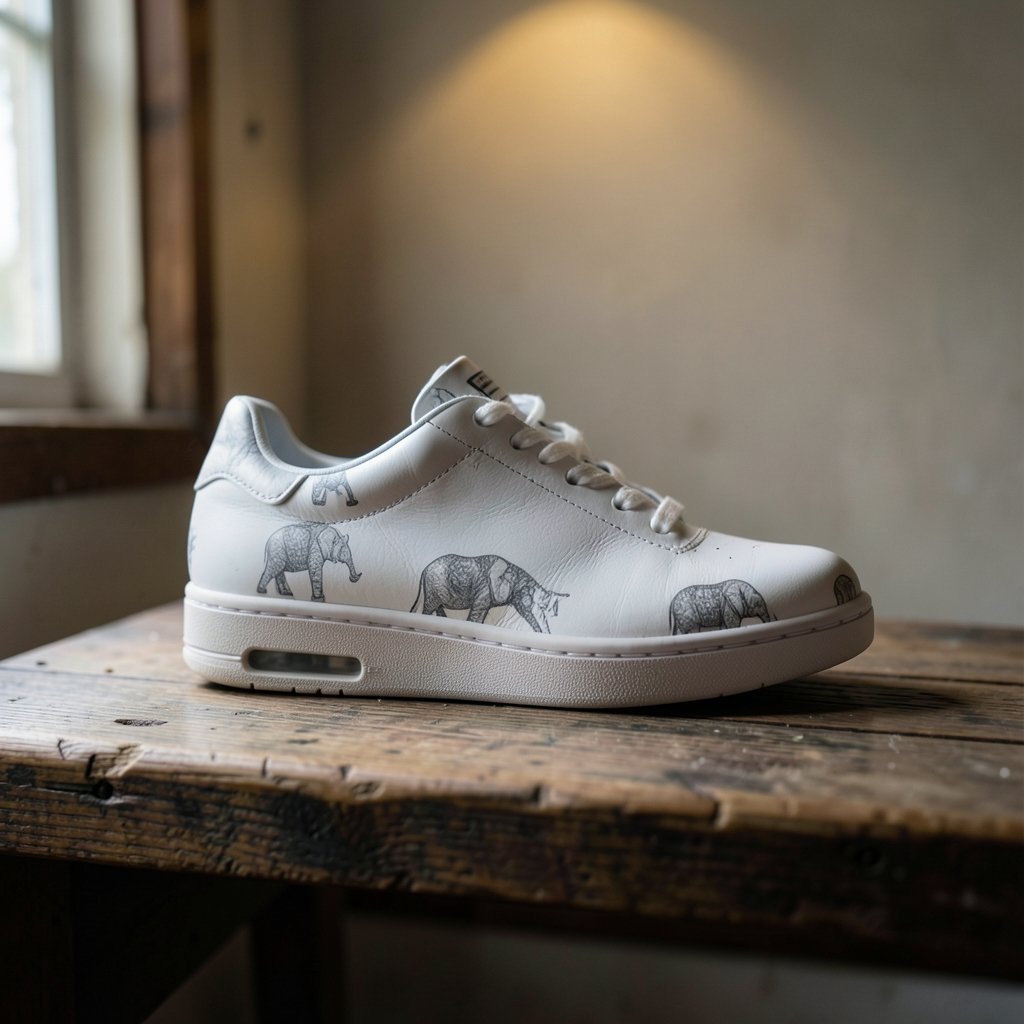
What makes a plain white sneaker so hard to pin down? Ask anyone who has gone looking for the Air Jordan 3 “Pure Money” and you will hear the same story: the shoe looks simple in photos, the name sounds familiar, and yet the details blur the moment you try to confirm a release date, a SKU, or a fair price. That confusion is worth unpacking, because the “Pure Money” name carries real weight in sneaker culture, and the Air Jordan 3 is one of the most important shoes ever made. Getting the facts straight protects both your wallet and your expectations.
Why the “Pure Money” Name Matters
“Pure Money” is not a single shoe. It is a nickname that Jordan Brand has attached to several predominantly white colorways across different models over the years, usually with metallic or silver accents that give the design a clean, almost jewelry-like feel. The nickname signals a specific aesthetic: white leather, restrained grey or silver detailing, and an overall look that reads as premium rather than loud.
That matters for buyers because the name alone will not tell you which shoe you are looking at. A “Pure Money” Air Jordan 4 is a different release from a “Pure Money” Air Jordan 3, and mixing them up is one of the most common mistakes people make when shopping secondhand. Before you negotiate, confirm the model number, the colorway code, and the year. If a seller cannot produce those three details, treat the listing with suspicion.
The Air Jordan 3 Itself: A Quick Foundation

The Air Jordan 3 debuted in 1988 and was designed by Tinker Hatfield. It is widely credited with keeping Michael Jordan at Nike and with introducing visible Air cushioning and the elephant print texture that became a signature of the line. For a broader background on the model and its place in sneaker design, the general history of the Air Jordan line is well documented and worth reading before you spend serious money on any single pair.
That context explains why any Air Jordan 3 colorway attracts attention. The silhouette has a devoted following, and white-based versions photograph beautifully, which makes them popular on social media and, unfortunately, popular with counterfeiters too.
What the Air Jordan 3 “Pure Money” Actually Looks Like
Based on widely reported descriptions, the Air Jordan 3 “Pure Money” is a white and light grey colorway. The upper is predominantly white leather, with grey accents on the elephant print overlays and midsole detailing. The overall effect is understated, which is exactly the point of the “Pure Money” theme.
A word of caution is essential here. Release dates, SKUs, retail prices, and regional availability are precisely the details most often misremembered in sneaker coverage. Secondary sources repeat each other, dates get shifted by a year, and colorway codes get transposed. None of those specifics should be treated as settled without checking a primary source such as an official brand announcement or launch listing. If you see a confident claim about an exact drop date with no citation, verify it independently before you act on it. (NBA coverage)
How to Verify a Pair Before You Buy
This is where practical experience pays off. The steps below reflect what actually works when you are staring at a listing or a pair in hand.
- Confirm the model and colorway code against an official product record, not a resale listing description.
- Check the size tag inside the collar. Font, spacing, and placement should match known authentic examples for that production year.
- Inspect the elephant print. On authentic pairs the texture has depth and consistent patterning; on fakes it often looks flat, stamped, or overly dark.
- Look at the stitching along the midsole and heel. Uneven spacing, loose threads, or glue stains are red flags.
- Compare the tongue label and the shape of the heel tab. Counterfeiters frequently get proportions slightly wrong.
- Ask for dated photos, including the box label and any receipts. Sellers who resist are telling you something.
The most common mistake is buying on impulse from a single glossy photo. The second most common is trusting a “deadstock” claim without proof of storage. Yellowed midsoles and creased toe boxes do not appear overnight, and a seller who cannot explain how a pair was stored is a seller worth questioning.
Price Reality: What Drives the Number
Sneaker pricing follows supply, condition, size, and timing. The Air Jordan 3 “Pure Money” sits in an interesting spot because white colorways are both desirable and difficult to keep clean, which affects how many pairs survive in top condition. In practice, that means:
| Factor | Effect on Price |
|---|---|
| Condition | Worn pairs drop sharply; deadstock commands a premium |
| Size | Common sizes are usually cheaper; extremes cost more |
| Box and extras | Original packaging and receipts add value |
| Timing | Prices spike around hype cycles and settle afterward |
| Authenticity | Verified pairs hold value; unverified pairs do not |
If you are budgeting for a purchase, treat any quoted price as a starting point rather than a fact. Resale markets move constantly, and a number that was accurate six months ago may be meaningless today. The same discipline applies to any collectible purchase, whether it is footwear or something further from sneakers; understanding where money actually goes is a skill that transfers. A useful parallel read is this breakdown of where identity threat detection money really goes, which shows how hidden costs distort headline prices in security spending.
The Counterfeit Problem Nobody Talks About Enough
Counterfeit sneakers are a multi-billion-dollar industry, and white Jordans are prime targets because the colorway is easy to approximate. The financial damage is real, and recovery is rare once money changes hands. Scam patterns in resale mirror those in other fraud categories; the mechanics of a gift card scam, where victims rarely get their money back, illustrate how quickly irreversible payments destroy any chance of a refund. Pay with a method that offers protection, and never send money to a stranger based on trust alone.
A few habits reduce risk dramatically:
- Buy from platforms with authentication guarantees, even if fees are higher.
- Avoid deals that are dramatically below market; they are the oldest trap in resale.
- Photograph everything on arrival, including the packaging, before you open it.
- Keep records of the transaction in case a dispute arises.
Styling and Care: Making White Last
White sneakers look incredible for about three weeks and then reality arrives. The practical approach is to treat care as part of ownership rather than an afterthought.
Clean the leather with a soft brush and mild soapy water, never a harsh household cleaner. Wipe down the midsole after each wear, because dirt bonds to rubber quickly. Store pairs away from direct sunlight to slow yellowing, and use shoe trees to hold the shape. For the elephant print, a dry soft brush is usually enough; soaking it can dull the texture.
Styling is straightforward. The white and grey palette works with denim, neutral trousers, and almost any casual outfit. That versatility is a big part of why the colorway appeals to people who are not deep into sneaker culture. It is a shoe that does not demand attention but rewards a clean look.
Where the Air Jordan 3 “Pure Money” Fits in a Collection
Collectors tend to sort Jordans into categories: original colorways, collaboration pairs, and clean lifestyle options. A white-based Air Jordan 3 sits firmly in the third group. It is the pair you wear, not the pair you keep in a box for a decade.
That has a practical consequence for value. Wearable pairs get worn, supply of pristine examples shrinks, and prices for top-condition pairs drift upward over time. If you are buying to wear, buy the best condition you can afford and stop worrying about resale. If you are buying to hold, be honest about storage and insurance, because a yellowed pair is worth far less than the listing price suggested.
Common Mistakes to Avoid
The pattern repeats often enough to be predictable. People fall for a familiar nickname and assume the details. They skip verification because the seller seems friendly. They overpay during a hype moment. They store white leather in a hot closet and wonder why it discolored.
The fix is boring but effective: verify the model, verify the seller, verify the condition, and pay with protection. Boring beats burned every time. If you want a broader sense of how digital money and payment rails are changing, including the shift toward central bank digital currencies, that context helps you understand why payment method choice matters more than it used to.
Conclusion
The Air Jordan 3 “Pure Money” is a clean, wearable interpretation of one of the most significant sneakers ever designed, and that combination is exactly why it attracts attention from both casual buyers and collectors. The catch is that the nickname is shared across multiple models, and the specifics that matter most, including release dates, SKUs, and pricing, are the details most often repeated incorrectly online. Treat every claim as unverified until a primary source confirms it, inspect condition carefully, and pay in a way that protects you if something goes wrong. Do that, and a white Jordan 3 becomes what it should be: a great shoe you actually enjoy wearing rather than a cautionary tale about a rushed purchase.
Frequently Asked Questions
What is the Air Jordan 3 “Pure Money”?
It is a predominantly white and light grey colorway of the Air Jordan 3, a sneaker designed by Tinker Hatfield and first released in 1988. “Pure Money” is a nickname Jordan Brand has used for several white-based designs with metallic or silver accents, so the name alone does not identify a single release.
Is “Pure Money” only an Air Jordan 3 colorway?
No. The nickname has appeared across multiple Jordan Brand models over the years. That is why buyers should confirm the specific model, colorway code, and production year rather than relying on the nickname in a listing title.
Can I trust release dates I see on sneaker blogs?
Treat them as leads, not facts. Release dates, SKUs, retail prices, and regional availability are the details most frequently misremembered or copied incorrectly between outlets. Confirm against an official brand announcement or launch listing before you plan a purchase around a date.
How can I tell if a pair is authentic?
Check the size tag, the elephant print texture, the stitching along the midsole and heel, and the shape of the heel tab. Ask for dated photos of the box label and receipts. Buying through a platform with an authentication guarantee is the single most reliable safeguard.
What is a fair price for a pair?
There is no fixed number. Condition, size, original packaging, and timing all move the price, and resale markets shift constantly. Compare several recent sales of the same model and condition, and be suspicious of any deal that sits far below the market average.
How do I keep white leather from yellowing?
Store pairs away from direct sunlight and heat, use shoe trees to hold shape, and wipe the midsole after each wear. Clean leather with a soft brush and mild soapy water rather than harsh chemicals, and avoid soaking the elephant print panels.
That routine is unglamorous, but it is the difference between a pair that still looks sharp after two years and one that ends up relegated to yard work. White leather rewards consistency and punishes neglect, and no amount of resale hype changes that basic equation. Buy carefully, store sensibly, and wear the shoe. That is the entire secret, and it has always been the only one worth knowing.



