
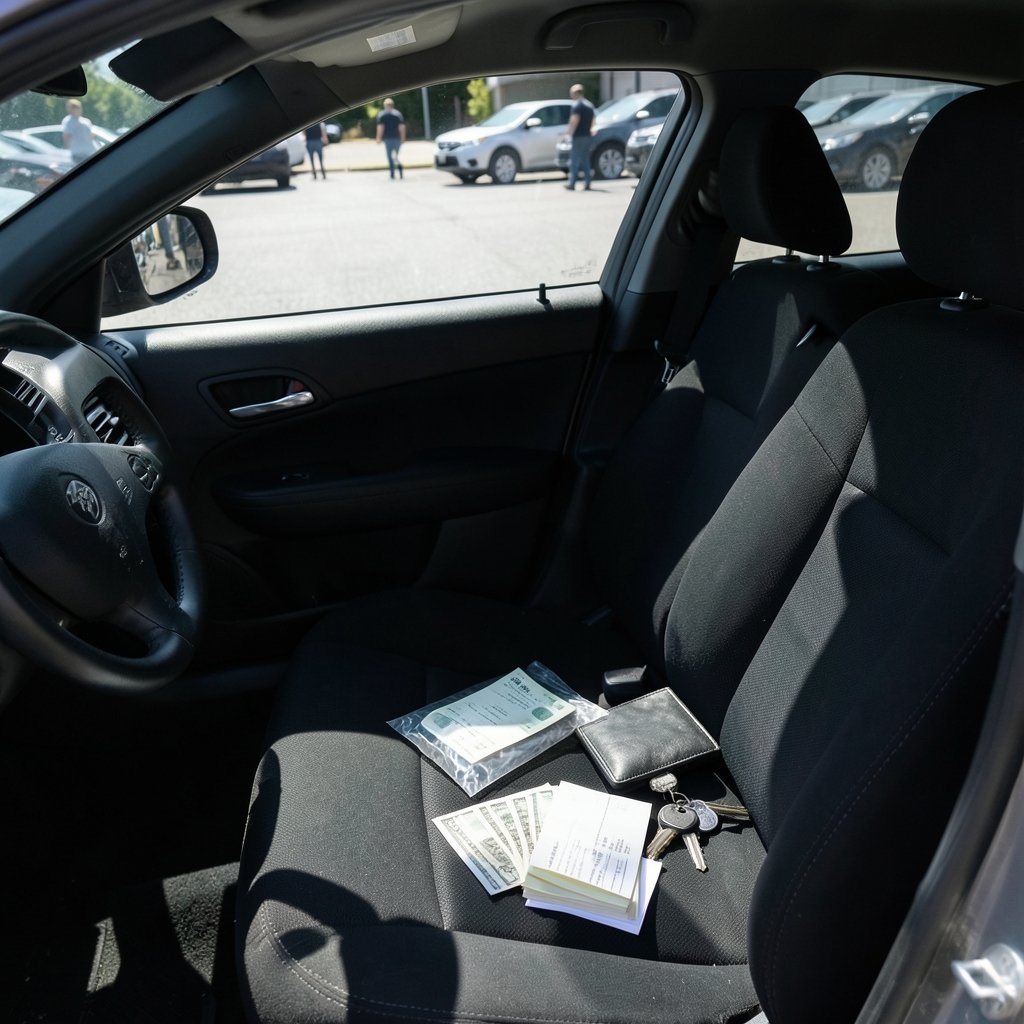
What do you do when you need to pay a landlord, a contractor, or a utility company that won’t take a personal check and you don’t want to hand over cash? For millions of Americans, the answer is a quick trip to a store counter. Walmart sits near the top of that list simply because there are thousands of them and most are open long hours. But the details of buying a money order at Walmart matter more than most people realize, from what the service actually costs to what happens when a scammer gets hold of one. This guide walks through how it works, where the pitfalls are, and what to check before you hand over your cash.
What Is a Money Order, Exactly?
A money order is a prepaid payment instrument for a fixed amount. You pay the full value up front, usually in cash, and the issuer prints a document that the recipient can deposit or cash like a check. Because the money is already paid, the recipient doesn’t have to worry about whether funds will clear the way they might with a personal check.
That distinction separates a money order from two things people often confuse it with. A cashier’s check is drawn on a bank, while a money order is drawn on the issuer, which might be a payment company or a retailer’s partner. A wire transfer moves money electronically between accounts. Money orders occupy a middle ground: paper-based, cheap, and accessible to people who don’t have a bank account at all.
In the United States, money orders are generally regulated at the state level as a form of money transmission. That’s an important detail, because it means there is no single national rulebook covering every money order sold everywhere. The Consumer Financial Protection Bureau publishes consumer basics on money orders that are worth a read before your first purchase if the process is new to you.
How Walmart’s Money Order Service Works
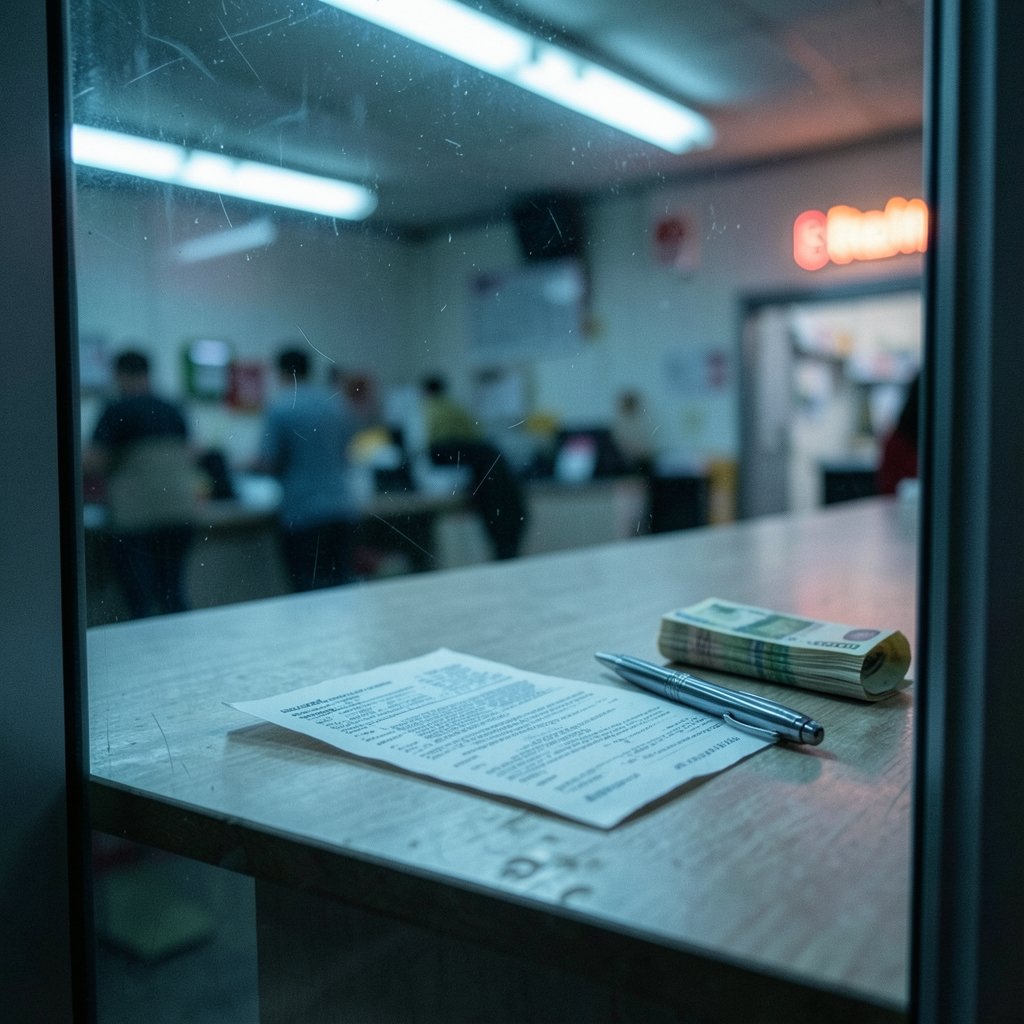
Walmart sells money orders through its in-store MoneyCenter service, which also handles check cashing, bill pay, and money transfers. Availability varies by location, and the service has been restructured in recent years, so the practical first step is simple: confirm your local store still offers it before you drive over with a stack of cash.
The basic flow looks like this:
- Go to the MoneyCenter counter or the designated service desk.
- Tell the associate the amount you need and who the money order is for.
- Pay the face value plus the fee, typically in cash.
- Check the printed money order carefully before you leave the counter.
- Sign it only in front of the recipient or when you’re ready to mail it.
That last step trips up more people than any other. A money order with a signature already on it is effectively a blank check. If it’s lost or stolen in transit, the signature makes it far easier for someone else to cash.
What About Fees and Limits?
Here’s where honesty matters. Walmart sets its own fees and per-order and per-day limits, and those terms change over time. Historically the fee has landed somewhere around $0.70 to $1.00 per money order, but you should not budget based on a number from an old article or a forum post. Before you go, check Walmart’s own current MoneyCenter terms for your store, or ask at the counter. The same caution applies to maximum amounts per order and per day.
A practical tip from people who use these services regularly: call ahead and ask two questions. What’s the fee today, and what’s the largest single money order you can issue? If you need to send $1,500 and the per-order cap is lower, you’ll be buying several money orders and paying the fee each time. Knowing that in advance saves a second trip.
Money Order vs. Other Payment Methods
It helps to see how a money order stacks up against the alternatives, because the cheapest option isn’t always the right one.
| Method | Who it’s drawn on | Typical cost | Best for |
|---|---|---|---|
| Money order | The issuer (payment company or retailer partner) | Low per-item fee | People without bank accounts; small fixed payments |
| Cashier’s check | A bank | Bank fee, often higher | Large payments where the recipient demands bank backing |
| Wire transfer | Bank-to-bank | Flat fee plus possible receiving fee | Fast, large, time-sensitive transfers |
| Personal check | Your own account | Free to write | Everyday payments to trusted recipients |
| Peer-to-peer app | A payment platform | Usually free or low | Splitting costs with people you know |
The pattern is clear. Money orders win on accessibility and cost for small payments. They lose on speed and on the paper trail. If a recipient insists on a bank-backed instrument, a cashier’s check is the right tool. If speed matters, a wire wins.
Avoiding the Scams That Target Money Orders
Money orders are a favorite tool of fraudsters, and the reason is structural: once a money order is cashed, recovering the money is difficult. Two schemes show up again and again.
The first is the fake money order. Someone pays you with a money order that looks genuine, you deposit it, and days later your bank reverses the credit because the document was counterfeit. The Federal Trade Commission’s consumer guidance on avoiding scams covers this pattern and explains why you should never treat a deposited money order as settled money until your bank confirms it has fully cleared.
The second is the overpayment scam. A buyer sends a money order for more than the agreed price and asks you to wire back the difference. The money order turns out to be fake, but the wire you sent was real. The rule is blunt: never send money back to someone who overpaid you with a money order.
A third pattern is worth knowing because it’s adjacent. Scammers often steer victims toward specific payment methods that are hard to reverse, and that logic shows up across fraud types, including the way a gift card scam works and why victims rarely get their money back. The common thread is irreversibility. Any payment method that can’t be clawed back is a payment method scammers love.
Protecting Yourself in Practice
- Keep the receipt. It’s your proof of purchase and your starting point if you need to file a claim.
- Photograph the money order before mailing it. Record the serial number.
- Never sign until the moment of handover.
- Mail money orders via a trackable method for anything valuable.
- Be suspicious of anyone who insists on a money order specifically and rushes you.
What Happens If a Money Order Is Lost or Stolen?
This is the question that separates a calm experience from a stressful one. The answer depends on the issuer, not on Walmart itself, because the money order is drawn on the issuer. Most issuers have a claims process that involves a form, proof of purchase, and a waiting period, often several weeks, before a refund or replacement is issued.
The practical lesson is to treat the receipt like the money order itself. People who lose both the document and the receipt often find the claims process much harder. Some issuers can trace a money order from the serial number alone, but the receipt speeds everything up. If you bought several money orders in one transaction, keep the whole receipt rather than tearing it apart.
Cashing is a related question. Whether a bank, a check casher, or a retailer will cash a money order depends on the issuer and on the cashing institution’s own policy. Don’t assume the store that sold it will cash it. Ask before you buy if the recipient plans to cash it locally.
When a Money Order Isn’t the Right Choice
Money orders are a tool, not a universal solution. They’re a poor fit in a few situations.
If you’re sending money internationally, the rules change. Cross-border transfers fall under a separate set of protections covering disclosures and error resolution, and a domestic money order isn’t the same product. If your payment is large, the per-order limits and the per-item fee can make a bank instrument cheaper overall. And if the recipient is someone you’ve never met and the deal feels rushed, the payment method is the least of your problems.
For people outside the banking system, alternatives include prepaid cards, check cashing services, and peer-to-peer apps. Each has a different fee structure and a different level of consumer protection. The right pick depends on whether you value cost, speed, or reversibility most. It’s a bit like the trade-offs in other payment decisions, where the cheapest-looking option sometimes carries hidden costs, a pattern that shows up in the way identity threat detection really costs and where the money goes when businesses try to cut corners on fraud prevention.
Practical Tips That Actually Work
A few habits separate smooth transactions from frustrating ones.
Buy during staffed hours. The service desk is where problems get solved. Going at 11 p.m. when only one associate is on the floor invites mistakes.
Count your cash twice. You’re paying face value plus a fee. Miscounting means a second transaction and a second fee.
Check the printed details before leaving. Name, amount, and serial number should all be correct. Fixing an error at the counter takes two minutes; fixing it later takes weeks.
Keep a simple log. Date, amount, recipient, serial number. It sounds fussy until the day you need it.
Don’t use money orders for recurring bills if you can avoid it. The fee stacks up fast, and many billers now accept cheaper electronic payments.
How Money Orders Fit Into a Broader Financial Life
For unbanked and underbanked households, money orders are one piece of a larger toolkit. The same person might use check cashing, prepaid cards, and money transfers in the same month. Understanding how each one works, and what protections apply, is genuinely useful. The same is true of newer payment rails: as central banks explore digital currencies, the way CBDC digital currency is moving central bank money into digital form may eventually change how cheap, low-friction payments reach people who don’t use traditional banks today.
Until then, paper money orders remain a practical bridge. They’re cheap, widely accepted, and don’t require a bank account. The catch is that they demand a little care: verify the fee, keep the receipt, sign at the right moment, and never treat a deposited money order as cleared money until your bank says so.
Conclusion
Buying a money order at Walmart is one of the simpler financial errands you can run, provided you go in with the right expectations. Confirm your store still offers MoneyCenter service, check the current fee and per-order limit rather than trusting an old figure, and keep every piece of paper the transaction produces. The instrument itself is straightforward; the risks come from carelessness and from scammers who count on it. Treat the receipt as part of the payment, sign only at handover, and stay skeptical of anyone who overpays or rushes you. Do that, and a money order does exactly what it’s supposed to: move a fixed amount of money to a specific person, cheaply and without a bank account.
Frequently Asked Questions
Does Walmart sell money orders?
Many Walmart stores sell money orders through the in-store MoneyCenter service, alongside check cashing and bill pay. Availability varies by location, and the service has been restructured in recent years, so confirm with your local store before making the trip. Fees and limits are set by Walmart and change over time, so check current terms at the counter rather than relying on older published figures.
How much does a money order cost at Walmart?
The fee is set by Walmart and has historically landed in the range of roughly $0.70 to $1.00 per money order, but that figure is not guaranteed and should be verified for your store and date. If you need an amount above the per-order limit, you’ll buy multiple money orders and pay the fee each time, which changes the math considerably.
Can I cash a Walmart money order at Walmart?
Not necessarily. Whether a retailer, bank, or check casher will cash a money order depends on the issuer and on the cashing institution’s own policy. Don’t assume the store that sold it will cash it. If the recipient plans to cash it locally, ask about that before you buy.
What should I do if my money order is lost or stolen?
Contact the issuer as well as the store. Most issuers have a claims process that requires a form, proof of purchase, and a waiting period before they issue a refund or replacement. That is why keeping the receipt and recording the serial number matters. People who lose both the money order and the receipt often find the process much harder.
How can I tell if a money order is fake?
You often can’t tell by looking. The safer approach is behavioral: never treat a deposited money order as settled money until your bank confirms it has fully cleared, and never send money back to someone who overpaid you with a money order. Fake money orders and overpayment schemes are common, and the reversal usually comes days after the deposit.
Is a money order the same as a cashier’s check?
No. A money order is drawn on the issuer, such as a payment company or a retailer’s partner, while a cashier’s check is drawn on a bank. Money orders are typically cheaper and easier to obtain without a bank account, while cashier’s checks carry bank backing that some recipients require for large payments.



