
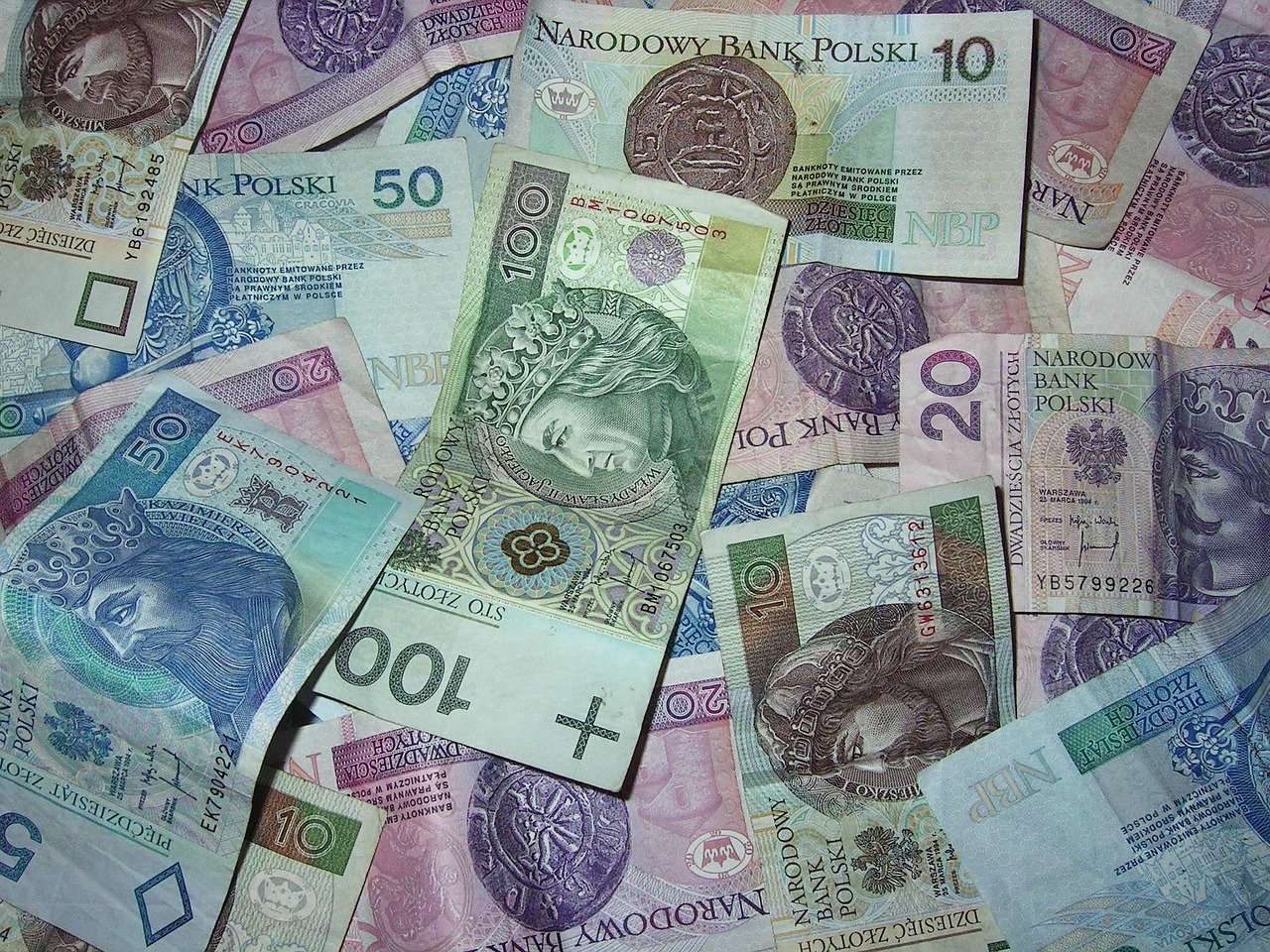
What do you call the money in Poland, and why has it been reinvented so many times that grandparents and grandchildren sometimes remember prices differently? Polish money is the złoty, and it carries one of the more dramatic histories of any European currency. It has been redenominated twice in living memory, survived a communist overhaul, and still refuses to make way for the euro. If you are traveling to Poland, sending money there, or simply curious about what “PLN” means on a receipt, this guide covers the whole picture. (Gift card scam works victims rarely get their money back)
What Is Polish Money Called?
Poland’s currency is the złoty, written in English as zloty and pronounced roughly “ZWOH-tih.” The word literally means “golden,” a reference to the gold-based currency units used in Poland centuries ago. One złoty divides into 100 groszy, the small coins that jingle in pockets the way cents do in the United States.
The international code for the currency is PLN, short for “polski złoty.” That three-letter code follows the ISO 4217 standard, the same global system that assigns USD to the US dollar and EUR to the euro. Anyone who has wired money internationally has seen PLN on a transfer form; it is what banks and payment platforms use to identify the currency without ambiguity.
One practical detail trips up visitors constantly: Poland is in the European Union but does not use the euro. Shops price goods in złoty, cash machines dispense złoty, and card terminals charge in złoty. Some tourist-heavy businesses near borders or in big cities may quote euro prices informally, but that is a convenience, not the law.
A Short History of Polish Money
From “Golden” Coins to the Modern Złoty
The złoty’s roots reach back to the Polish-Lithuanian Commonwealth, when gold-based units circulated in the region. The road from those early coins to today’s banknotes was anything but smooth. During the 19th century, Poland was partitioned among neighboring empires, and the money in circulation depended on where you lived: rubles in Russian-controlled areas, Austro-Hungarian kronen in Galicia.
The modern złoty was introduced in 1924, replacing the marka during a currency reform in the Second Polish Republic. That reform was meant to tame inflation and rebuild confidence after the chaos of the First World War and the Polish-Soviet War.
Two Redenominations That Changed Everything
The 20th century brought two moments when old banknotes suddenly became worth far less.
In 1950, the communist authorities replaced the pre-war złoty at a rate of 100 old złoty to 1 new złoty. Cash holdings above certain limits were exchanged on harsh terms, which effectively wiped out many families’ savings overnight. It remains a sore subject in Polish memory. (Polish złoty)
Then, on 1 January 1995, the currency was redenominated again: 10,000 old złoty (code PLZ) became 1 new złoty (code PLN). Prices were dual-displayed for a period so people could adjust. This is why older Poles sometimes still mentally divide prices by 10,000, and why a “million” in old money sounds far more impressive than it is today.
Banknotes and Coins: What Polish Money Looks Like
Poland’s cash is distinctive for reasons beyond the currency. The banknotes are a rolling gallery of Polish monarchs and historical figures.
| Denomination | Notable Portrait (typical of the series) | Practical Use |
|---|---|---|
| 10 zł | Mieszko I | Small purchases, coffee |
| 20 zł | Bolesław Chrobry | Everyday cash |
| 50 zł | Casimir III the Great | Common ATM note |
| 100 zł | Władysław II Jagiełło | Meals, mid-size purchases |
| 200 zł | Zygmunt I Stary | Larger payments |
| 500 zł | John III Sobieski | Rare, high-value note |
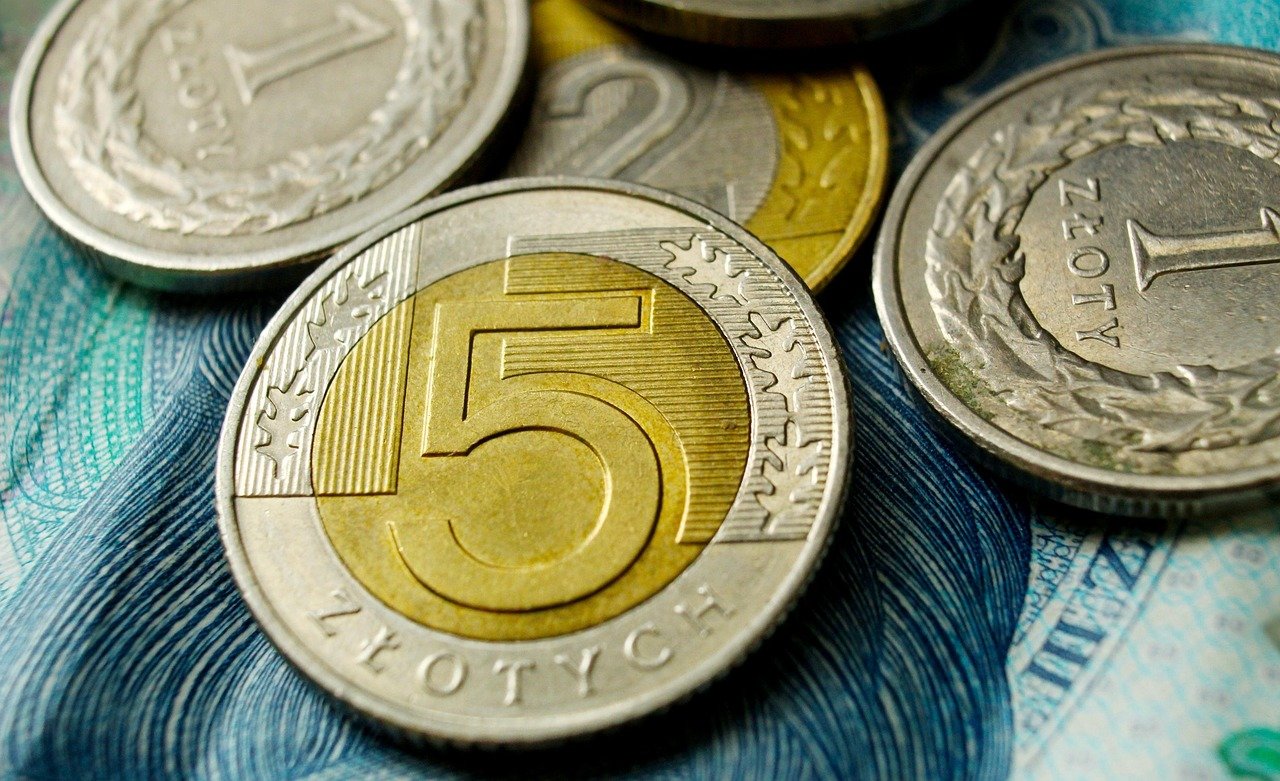
Coins run from 1, 2, 5, 10, 20 and 50 groszy up to 1, 2 and 5 zł. The 1, 2 and 5 grosz coins are tiny and increasingly inconvenient; many people leave them in jars or donate them.
The National Bank of Poland (Narodowy Bank Polski, or NBP) issues banknotes, while the Mint of Poland strikes coins on its behalf. The NBP also sets monetary policy and publishes official exchange rates, known as the NBP mid-rate, on business days.
A word of practical advice: check your change. The 500 zł note is uncommon and some small shops struggle to break it. Carrying 50 and 100 zł notes makes daily life easier. Also, when you receive coins, sort the small groszy separately so you are not fumbling at a checkout counter.
Is the Złoty Stable, and What Moves Its Value?
The złoty floats. The NBP does not peg it to the euro or the dollar, which means its value shifts with global markets, interest rate expectations, and investor appetite for emerging-market currencies. It is one of the more actively traded currencies in Central Europe.
That floating status has real consequences:
- For travelers: exchange rates can move meaningfully between booking a trip and arriving. A favorable rate one month can look mediocre the next.
- For businesses: invoices in złoty create currency risk if costs are in euro or dollars.
- For savers: złoty deposits can offer higher interest than euro accounts, but the extra yield comes with exchange-rate risk.
Because rates change daily, no article can tell you today’s exact EUR/PLN or USD/PLN figure. Check the NBP’s published tables or a live market feed on the day you need a number. Anyone quoting a precise rate in a static article is almost certainly out of date.
For readers interested in how digital money could reshape currencies like the złoty, the shift toward central bank digital currencies is worth following, since it raises questions about how cash-based systems like Poland’s might evolve.
Will Poland Ever Adopt the Euro?
Poland joined the European Union on 1 May 2004 and, as a member, has a treaty obligation to eventually adopt the euro. But “eventually” is doing a lot of work in that sentence. No target date has been set, and political support for switching has been inconsistent for years.
The Polish constitution gives the National Bank of Poland exclusive responsibility for issuing currency and conducting monetary policy, which reinforces the złoty’s central role in the country’s financial identity. For now, the złoty remains legal tender, and there is no scheduled changeover.
This matters for anyone planning long-term financial commitments in Poland, such as buying property or signing a multi-year contract. Pricing in złoty is the norm, and while some mortgages were historically denominated in foreign currencies, that practice caused serious problems and is now tightly regulated.
Using Polish Money in Practice
If you are visiting or moving to Poland, a few habits make money handling much smoother.
- Pay by card where you can. Contactless payment is widespread, even at small kiosks and market stalls. Cards are charged in złoty, and you should always choose to pay in the local currency rather than letting the terminal convert to your home currency, since dynamic currency conversion usually costs more.
- Use bank ATMs, not standalone currency machines. Airport and tourist-area exchange machines often advertise “no commission” but bury a poor rate in the exchange margin.
- Carry some cash for markets and small towns. Larger cities are nearly cashless, but rural areas and some family-run shops still prefer notes and coins.
- Keep small notes and coins handy. Trams, bakeries and public toilets are easier with exact change.
- Watch for tourist-area euro pricing. If a business accepts euro, the rate is usually unfavorable. Pay in złoty.
A common mistake is exchanging money at the first counter you see after landing. Rates at airports are typically among the worst available. Withdrawing from a bank ATM or exchanging at a reputable kantor (currency exchange office) in the city usually gets you far more złoty for your money.
For those thinking about how currency and money systems affect personal finances more broadly, understanding the mechanics of digital currencies and how they differ from cash is a useful complement to knowing how the złoty works.
Common Mistakes and How to Avoid Them
Even experienced travelers slip up with Polish money. Here are the traps that catch people most often.
Confusing groszy with złoty. A price tag reading “4,50” means 4 złoty and 50 groszy, not 450. Poland uses a comma as the decimal separator, which can look like a thousands separator to visitors from other countries.
Assuming euro works everywhere. It does not. Some border shops may accept it, but you will usually lose money on the exchange rate, and many places simply refuse it.
Ignoring the 500 zł note problem. Small shops may not have enough change for a large note. Break big notes at supermarkets or banks.
Overpaying for currency conversion. The single biggest money leak for visitors is exchange fees and poor rates. Compare the effective rate, not the advertised commission.
Forgetting that prices change. Because the złoty floats, a budget planned in your home currency can drift. Build a small buffer into travel budgets.
The Złoty in a Digital World
Poland has embraced digital payments quickly. Contactless cards, mobile wallets and instant bank transfers are standard, and the country’s banking sector has invested heavily in modern payment infrastructure. Cash use has declined, especially among younger Poles, but it has not disappeared.
This shift raises interesting questions about the future of physical money. If central banks eventually issue digital currencies, the relationship between citizens and cash could change fundamentally. For now, złoty banknotes and coins remain legal tender, and the NBP continues to issue them.
There is also a security angle worth noting. As payments move online, fraud and identity theft grow more sophisticated, and understanding where the real costs of identity-related crime land helps consumers protect themselves. Poland, like everywhere else, has seen scammers target online banking and card payments. (Identity threat detection really costs where money goes)
Conclusion
Polish money is more than a currency code on a receipt. The złoty is a survivor: a currency that was rebuilt in 1924, battered in 1950, redenominated in 1995, and now floats freely while Poland stays outside the euro. Its banknotes read like a history textbook, its coins test your patience, and its exchange rate keeps travelers on their toes.
For anyone dealing with Poland, whether as a tourist, an expat or a business, the essentials are simple. Think in złoty, not euro. Pay by card when you can, but keep some cash. Check exchange rates on the day, not in a guidebook. And remember that behind every price tag is a currency with a story far more eventful than most.
Frequently Asked Questions
What is Polish money called?
Polish money is called the złoty, and its international currency code is PLN. One złoty is divided into 100 groszy. The name means “golden,” reflecting the gold-based units used in Poland centuries ago.
Does Poland use the euro?
No. Poland is a European Union member but still uses the złoty. The country has a treaty obligation to eventually adopt the euro, but no target date has been set, and the złoty remains legal tender.
Why did Poland change its currency in 1995?
On 1 January 1995, Poland redenominated its currency at a rate of 10,000 old złoty to 1 new złoty. The change simplified accounting and pricing after years of high inflation. Prices were displayed in both currencies during the transition.
Can I pay with euro in Poland?
Generally no. The euro is not legal tender in Poland, though some tourist-focused businesses may accept it informally at unfavorable rates. Always pay in złoty to avoid losing money on conversion.
Is the złoty a stable currency?
The złoty floats and is not pegged to the euro or dollar, so its value changes with global markets. It is one of the more traded emerging-market currencies, but exchange rates can move noticeably over weeks or months.
How should I exchange money in Poland?
Use bank ATMs or reputable currency exchange offices rather than airport counters or tourist-area machines. Pay by card where possible and always choose to be charged in złoty rather than your home currency to avoid extra conversion fees.



