
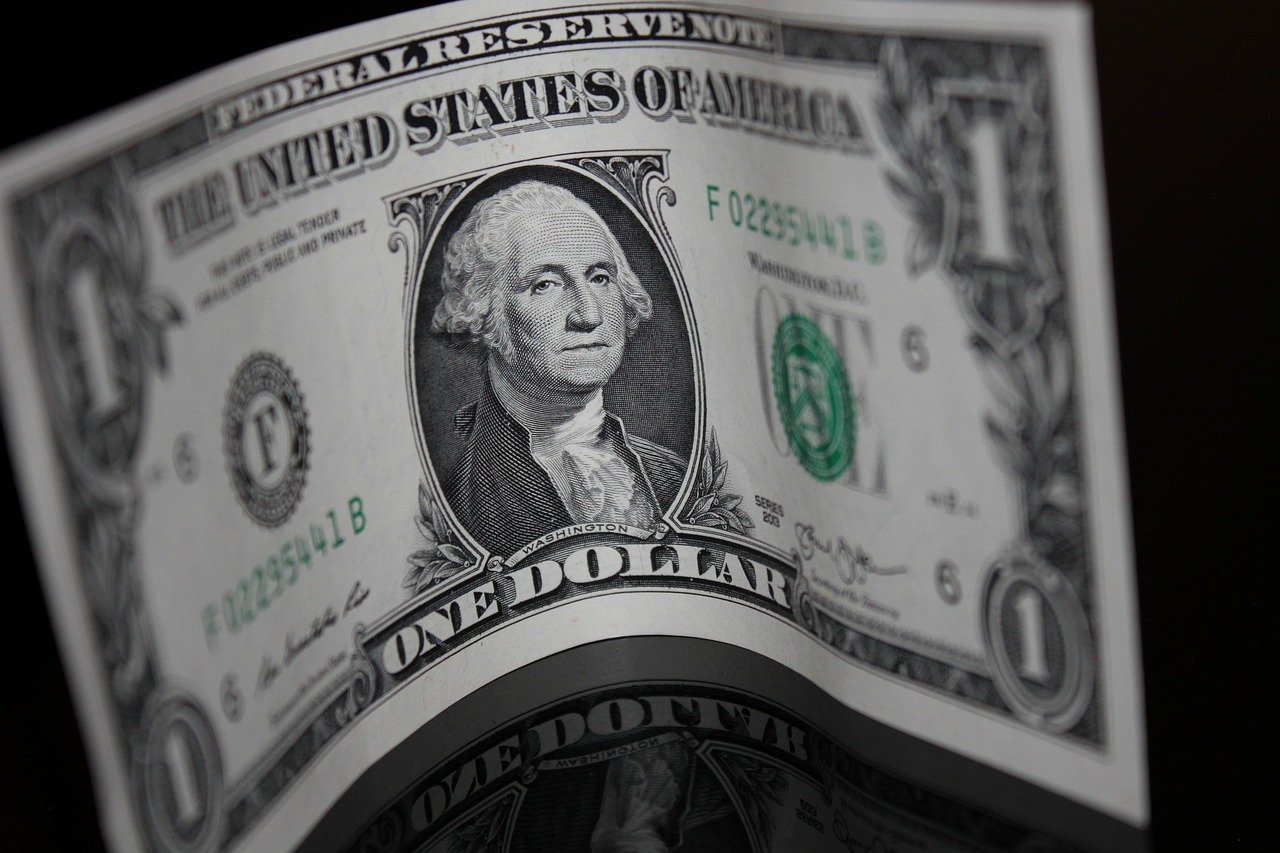
What comes to mind when someone says “money drawings”? A pencil sketch of a dollar bill? A folk charm meant to pull cash your way? The engraved portrait of a historical figure staring out from a banknote? Here is the awkward truth: the phrase carries at least four different meanings, and people searching for it usually want only one of them. This article sorts the meanings apart, explains where each one comes from, and shows how to tell which sense a writer or seller is using. By the end, the term should stop being slippery.
The Four Meanings Behind “Money Drawings”
The phrase splits into four distinct ideas, and each has its own history, vocabulary, and audience.
| Meaning | What it refers to | Where you usually see it |
|---|---|---|
| Currency portraits | The engraved faces and figures printed on banknotes | News about banknote redesigns, collector guides |
| Folk magic | Charms, powders, or spells meant to attract money | Occult shops, folklore writing |
| Art | Drawings and paintings that depict currency itself | Museum collections, art criticism |
| Finance | Withdrawing funds or drawing against a credit line | Business finance, lending documents |
None of these is wrong. The problem is that search engines, and sometimes the people writing the pages, blur them together. A reader looking for the history of a banknote portrait can land on a page selling “money drawing” oil, and a folklore student can end up on a Treasury press release. Separating the senses is the first practical step.
Meaning One: The Portraits Engraved on Banknotes
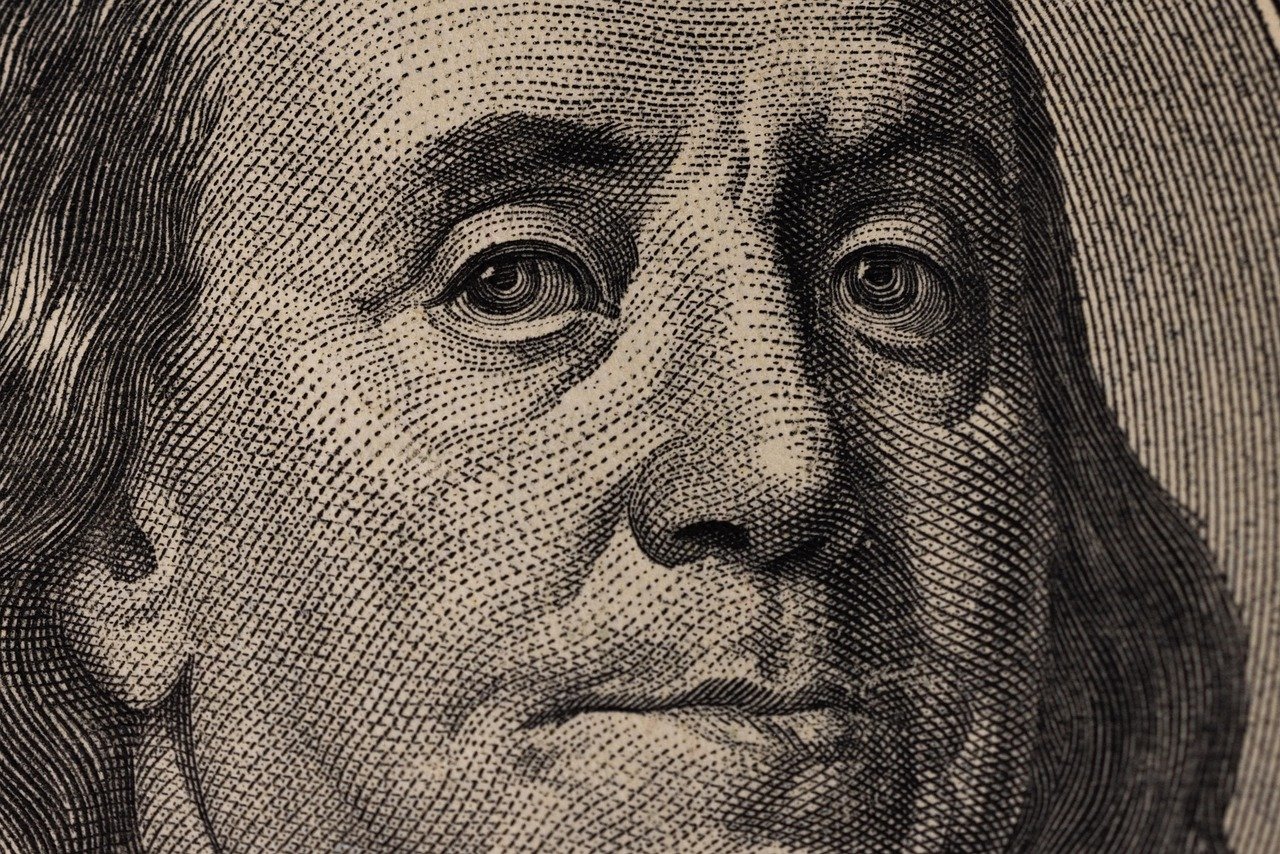
This is the most concrete sense of the phrase. Every major currency carries drawn or engraved portraits, and those portraits are chosen through a process that is part politics, part tradition, and part security design.
Why Portraits Appear on Notes at All
Portraits serve two purposes. First, they signal authenticity. A human face is hard to counterfeit convincingly because the human eye is extremely good at spotting a face that looks slightly off. Second, they carry national identity. A banknote is a small piece of official storytelling, and the face on the front tells you who the issuing country believes deserves that space.
Two Well-Known Examples
The United Kingdom’s polymer £50 note features mathematician Alan Turing. The choice was announced in July 2019 and the note entered circulation in June 2021. Turing is a striking pick because banknote figures are usually statesmen or monarchs, and his selection followed a public nomination process.
In the United States, the Treasury announced in April 2016 that Harriet Tubman would replace Andrew Jackson on the front of the $20 note. That redesign has been postponed repeatedly, and the timeline has slipped more than once. Anyone writing about the Tubman $20 should check the current status rather than repeating the original announcement date, because the gap between announcement and issuance has become the story itself.
What Changes When a Portrait Changes
A new portrait is never just a new drawing. It triggers a chain of work: engraving, security feature redesign, public education, vending machine and ATM recalibration, and a long overlap period when old and new notes circulate together. That is why banknote redesigns take years, and why announcements often run well ahead of the notes actually reaching wallets.
Meaning Two: Folk Magic and “Money Drawing” Products
In American folk magic traditions, particularly hoodoo and conjure, “money drawing” describes a category of workings intended to attract financial luck. Products sold under that label include oils, powders, candles, and sachets. The terminology shows up in twentieth-century commercial occult catalogs, where “money drawing” sat alongside “fast luck” and similar labels.
A few honest notes about this sense of the term:
- Documentation is thin. Much of what circulates online comes from sellers rather than from academic folklore research.
- The tradition is real and studied, but the commercial product market is separate from the practice itself.
- Claims about results are not testable, and no serious source presents them as such.
Readers who encounter “money drawings” in this sense should treat it as cultural and commercial material, not financial advice. That distinction matters, because the language of attraction can slide into the language of guaranteed returns, and those are very different things. Scams that promise easy money often borrow mystical framing to lower a victim’s guard. The pattern shows up in the gift card scam, where victims rarely get their money back, and in the broader question of where the money actually goes when identity threat detection is sold as a service.
Meaning Three: Money as a Subject in Art
Artists have drawn money for as long as money has existed, but the modern version of the idea is tied to Pop Art. Andy Warhol’s dollar-bill works from the early 1960s took the most ordinary object in American life and turned it into a painting. The point was not to celebrate wealth but to notice how completely currency had saturated daily visual culture. (Cbdc digital currency central bank money going digital) (How is U.S. currency designed and produced?)
This sense of “money drawings” is the one most likely to appear in museum catalogs and art history courses. It is also the sense least likely to appear in a search results page, which is a shame, because the art angle explains something the other meanings miss: money is a designed object, and design choices shape how people trust it.
Meaning Four: The Finance Sense of “Drawing Money”
In business and lending, a draw is a withdrawal against an approved credit line. A company with a revolving facility “draws down” funds when it needs cash and repays later. The phrase “drawing money” also appears in ordinary personal finance, meaning simply taking cash out of an account.
This is the least ambiguous sense, and the easiest to verify. If a document talks about draw periods, availability, or repayment schedules, it is using the finance meaning. If it talks about portraits, engraving, or issuance dates, it is using the currency meaning. Context almost always settles it in one sentence.
How to Tell Which Meaning You Are Reading
A quick diagnostic saves time. Ask three questions.
- Does the page mention a specific person, country, or issuance date? Then it is about currency portraits.
- Does it mention oils, candles, powders, or luck? Then it is folk magic, and the claims should be read as cultural rather than factual.
- Does it mention an artist, a museum, or a movement? Then it is art.
- Does it mention credit lines, draws, or repayment? Then it is finance.
Most confusion comes from pages that mix two or more of these without saying so. A page that opens with banknote history and ends selling a charm is doing exactly that.
Practical Tips and Common Mistakes
People researching this topic make a few predictable errors. Here is what actually works.
Check the date on any currency claim. Banknote plans change. A redesign announced years ago may still be pending, and a note reported as “coming soon” may already be circulating. The announcement date and the issuance date are different facts, and mixing them up is the single most common mistake in this niche.
Do not treat commercial occult products as documented tradition. If a claim about folk magic comes only from a shop description, it is marketing copy. Academic folklore writing and museum collections are better starting points, even when they are less exciting.
Do not let mystical language disguise a financial pitch. Any page that promises money through a method and then asks for payment deserves scrutiny. The mechanics of modern money fraud are well documented, and the pattern is consistent: a promise, a small ask, then a larger one. Understanding how central bank digital currency works, and how ordinary payments actually settle, makes these pitches easier to spot for what they are.
Use the right search terms. “Banknote portrait,” “currency redesign,” “hoodoo money drawing,” “Warhol dollar bills,” and “credit line draw” each return far cleaner results than the bare phrase. Precision in the query does most of the work.
Examine the object itself rather than relying on the description. If you are curious about a banknote portrait, examine a real note or a high-resolution image from an official source. Engraving details, security features, and layout choices are visible and instructive in a way that secondhand descriptions are not.
Why the Ambiguity Persists
The phrase survives because each meaning borrows credibility from the others. A currency portrait is official and serious. Folk magic is evocative and personal. Art is prestigious. Finance is practical. When a writer wants attention, blending them is tempting, and the blend is what makes the term hard to pin down.
There is also a deeper reason. Money is one of the few objects that is simultaneously a legal instrument, a design object, a cultural symbol, and a personal necessity. Any phrase that touches money will attract all four conversations at once. “Money drawings” is not uniquely confusing; it is simply a phrase where the confusion is visible.
For readers thinking about money more broadly, the same discipline applies. Whether the subject is how AI companies make money, how to make money with AI, or how to use AI business automation without wasting money, the useful questions are the same: who benefits, what is verified, and what is being sold. Even a decision as ordinary as how to choose a wedding venue without blowing the budget runs on the same habit of checking claims against sources. (Gift card scam works victims rarely get their money back) (Money)
Conclusion
“Money drawings” is four topics wearing one coat. It can mean the engraved portraits on banknotes, the charms of American folk magic, the dollar-bill paintings of Pop Art, or a simple draw against a credit line. Each has its own history and its own standards of evidence, and the main skill worth developing is telling them apart quickly. Check the date on currency claims, treat commercial mystical products as culture rather than fact, and stay alert when a promise of money turns into a request for money. Do that, and the phrase stops being a trap and becomes a useful doorway into several genuinely interesting subjects.
Frequently Asked Questions
What does “money drawings” most commonly mean online?
It depends on where you look. Search results tend to mix banknote portrait history, folk magic products, and art references. Currency portraits are the most factual and verifiable sense, while folk magic products dominate commercial listings. The context of the page usually reveals which meaning the author intended.
Is a “money drawing” charm backed by evidence?
No. Folk magic traditions are real cultural practices worth studying, but claims that a charm attracts money are not testable and are not presented as fact by serious sources. Treat such products as cultural and commercial material rather than financial guidance.
When will the Harriet Tubman $20 note be issued?
The redesign was announced in April 2016, but issuance has been postponed repeatedly and the timeline has slipped more than once. Anyone relying on a date should check the current official status, because older announcements are widely repeated and often outdated.
Why do banknotes feature portraits of people?
Portraits serve security and identity. Human faces are hard to counterfeit convincingly because people notice subtle errors, and the chosen figure communicates national values. The selection process usually involves public input, official review, and years of design work before a note reaches circulation.
What is a “draw” in business finance?
A draw is a withdrawal against an approved credit line. A company with a revolving facility draws funds when it needs cash and repays them later. This is the least ambiguous meaning of the phrase and is easy to identify from context such as repayment terms and availability periods.
How can I avoid money scams that use mystical language?
Watch for the pattern rather than the vocabulary. A promise of easy money followed by a request for payment, personal details, or gift cards is a warning sign regardless of the framing. Verify claims against official sources, and remember that no legitimate method requires secrecy or urgency.



