

Can you really get paid for blood? The short answer is yes, but almost never for the red stuff itself. Walk into a plasma center in Ohio and you might leave with $50 on a prepaid card. Walk into a blood bank in London and you’ll leave with a biscuit and a thank-you. That gap confuses a lot of people, and it hides a fascinating split in how the world treats human blood as a resource. (Blood safety and availability)
This article explains who pays, who doesn’t, how much money is actually involved, and the practical trade-offs nobody mentions at the sign-up desk.
The Global Split: Paid Plasma Versus Unpaid Blood
Most countries treat blood as a gift, not a product. The World Health Organization recommends voluntary non-remunerated donation as the foundation of safe and sustainable blood supplies, and its guidance on voluntary unpaid blood donation explains why: unpaid donors are less likely to hide risk factors, and national supplies are less exposed to shortages when altruism drives collection.
The United States is the loud exception. Paid source plasma collection is legal, common, and big business. Whole blood, by contrast, is almost always donated for free even in America. The FDA regulates both under the same blood and blood products framework, which sets donor screening, testing, and collection-frequency rules.
In Europe, the picture is patchy. The EU’s Blood Directive 2002/98/EC sets quality and safety standards and leans toward voluntary unpaid donation, but member states decide how to handle plasma compensation. Germany, Austria, and Czechia run compensated plasma programs. The UK does not pay donors at all. Canada sits somewhere in the middle, with some provinces restricting paid plasma clinics while others allow them.
| Country/Region | Paid whole blood? | Paid plasma? | Notes |
|---|---|---|---|
| United States | No (rare exceptions) | Yes, widely | Large share of global plasma supply |
| United Kingdom | No | No | Unpaid, voluntary system |
| Germany, Austria, Czechia | No | Yes, compensated | Regulated plasma programs |
| Canada | No | Mixed by province | Active policy debate |
| Australia | No | No | Voluntary system |
What You Actually Get Paid For
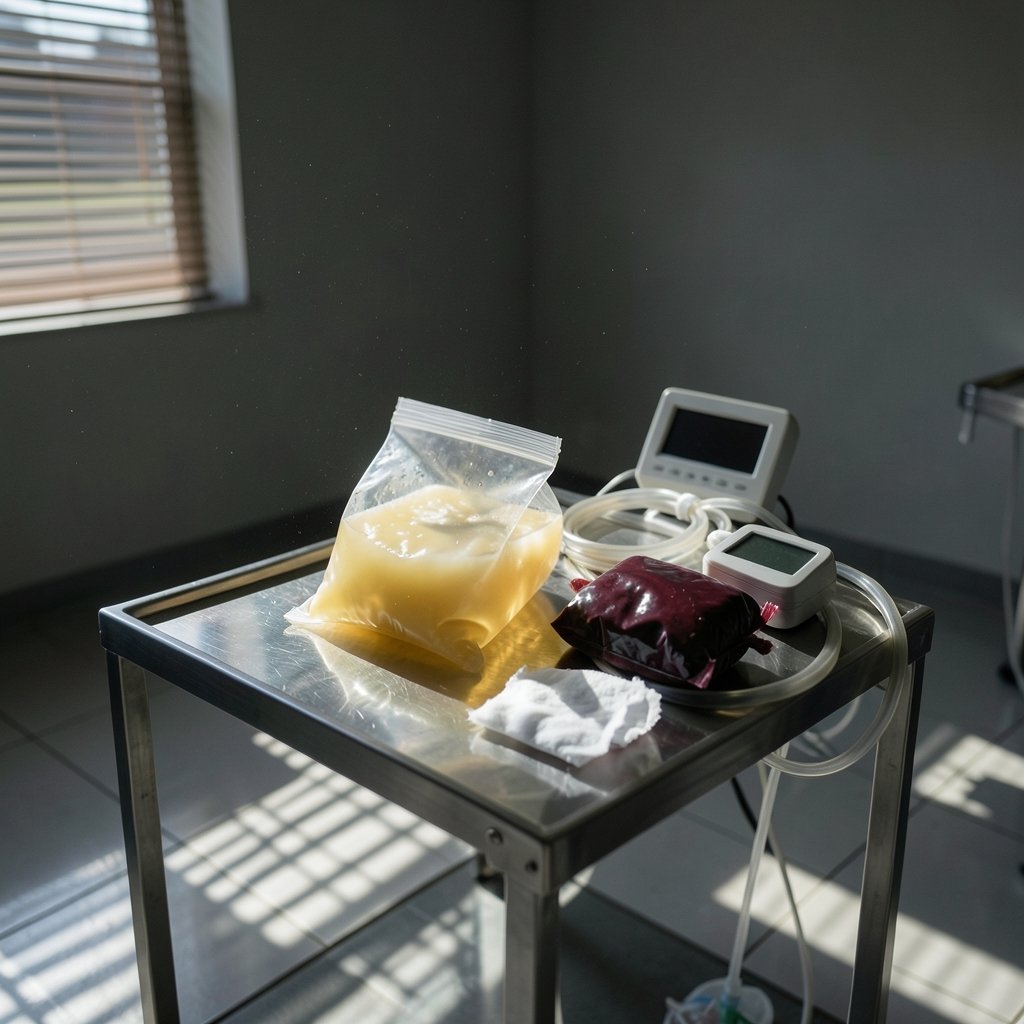
Here’s the detail that trips people up: in the US, you are usually not selling blood. You are being compensated for time and inconvenience during a plasma donation, which takes far longer than a whole-blood session.
A typical plasma donation runs 60 to 90 minutes once you’re hooked up, plus screening on your first visit. A whole-blood donation takes roughly 10 minutes of collection. That time difference is why plasma centers can pay and blood banks generally can’t justify it.
The money itself varies wildly. First-time donor bonuses, referral codes, and promotional rates can push a single session well above the standard rate. Regular donors who go twice a week often earn a few hundred dollars a month. It is not a salary, and it is not passive income, whatever the ads suggest.
How Much Money Are We Talking About?
Nobody should plan a budget around plasma money, but it helps to know the shape of it. New donor promotions tend to be front-loaded because centers compete for sign-ups. After the honeymoon period, rates settle into a flatter range that depends on weight, location, and demand.
Practical points that actually matter:
- Payment methods differ. Many centers load funds onto a prepaid debit card rather than paying cash. Check the fee schedule before you celebrate.
- Bonuses have conditions. A “get $100 per donation” offer often requires completing a set number of visits within a window.
- Taxes may apply. In the US, compensation for plasma is generally taxable income, and some centers issue documentation.
- Referrals pay both ways. Bringing a friend can boost your rate, which is why centers push referral codes so hard.
If you’re comparing side income options, it’s worth reading about how to make money with AI as a contrast. Plasma pays for your body’s time; most digital side hustles pay for skills. Neither is free money, and both deserve a skeptical eye.
The Safety Rules You Can’t Skip
Paid donation does not mean looser standards. In the US, plasma centers must screen donors for health history, test for infections including HIV and hepatitis, and enforce frequency limits. The common ceiling is twice in a seven-day period for plasma, with at least one day between sessions.
Side effects are real but usually mild. Lightheadedness, bruising at the needle site, and fatigue are the usual complaints. Citrate in the anticoagulant can cause a tingling sensation around the mouth, which staff know how to manage. Serious complications are rare, but dehydration and skipped meals make everything worse. Eat before you go, drink more water than feels reasonable, and skip the gym right after.
There’s a less obvious risk too: identity fraud in donor programs. Someone using your details to donate under your name can create a confusing medical record. The financial exposure in identity threat detection and where the money really goes is a useful reminder that personal data has value everywhere, including at a plasma center intake desk.
The Ethical Argument, Both Sides
The debate over paying for blood is genuinely contested, and honest coverage should say so.
Arguments for payment: Compensation expands supply, which matters for patients who depend on plasma-derived therapies. It also respects the donor’s time. A student who gives up two afternoons a week is doing real work.
Arguments against payment: Critics worry that cash incentives disproportionately attract low-income donors, creating a subtle form of exploitation. Others argue payment erodes altruism and could push people to conceal disqualifying health information. The WHO’s voluntary-donation stance rests partly on that second concern.
There’s a financial-flows angle here that rarely gets discussed. Blood and plasma move through complex supply chains, and the money behind them behaves like any other commodity. If you want to understand how payment systems and digital money are shifting more broadly, the debate over CBDCs and central bank money going digital is a surprisingly good primer on how value gets tracked and moved.
Common Mistakes First-Time Donors Make
Practical experience from the donor side, without the marketing gloss:
- Arriving dehydrated. This is the number one cause of failed or slow donations. Start hydrating the day before.
- Skipping breakfast. Low blood sugar plus a needle equals a fainting risk.
- Ignoring the card fees. A prepaid card that charges for ATM withdrawals can quietly eat a chunk of your payout.
- Overcommitting. Two sessions a week sounds easy until week three. Bruising and fatigue accumulate.
- Assuming every center pays the same. Rates vary by location and change often. Call ahead.
- Not reading the fine print on promotions. The headline number is rarely the average payout.
One more: don’t treat plasma money as emergency money. Payments can be delayed, and a failed screening means no payout at all. If you’re in a cash crunch, the gift card scam problem, where victims rarely get their money back, is a better cautionary tale about why fast money schemes deserve scrutiny.
Is It Worth It?
That depends on what you’re trading. If you have flexible hours, reliable transport, and good veins, paid plasma is one of the few legitimate ways to convert time directly into cash with no interview and no resume. If you’re squeamish, prone to fainting, or already stretched thin, the math gets worse fast.
The honest framing is this: paid plasma is compensation, not income. It rewards inconvenience. The moment you start counting on it, you’ve turned a transaction into a dependency, and that’s when people push past frequency limits or hide health details. Neither ends well.
For readers thinking about broader side-income strategy, how AI companies actually make money offers a useful contrast in how value gets captured at scale, and using AI business automation without wasting money covers the opposite end: spending wisely rather than earning quickly.
Conclusion
Blood donation for money is not a single global system, and anyone who tells you otherwise is selling something. In the US, paid plasma is legal, regulated, and widely used. In most of Europe, the UK, and Australia, blood and plasma remain largely gifts. The middle ground, where compensation exists but whole blood stays unpaid, is where most policy debates are happening right now.
The practical takeaway is simple. If you’re considering paid plasma, go in with clear eyes: understand the frequency limits, read the payment terms, hydrate properly, and treat the money as a bonus for your time rather than a plan. If you’re donating for free, you’re part of a system that global health bodies consider the safest and most sustainable model we have. Both paths matter. Neither is a scam, and neither is easy money.
Frequently Asked Questions
Can you legally sell blood in the United States?
Whole blood is almost never purchased in the US, but plasma collection for compensation is legal and regulated by the FDA. Centers must follow screening, testing, and frequency rules, and donors are typically paid for their time rather than for the biological product itself.
How often can you donate plasma for money?
The standard limit in the US is twice within a seven-day period, with at least one day between sessions. Individual centers may apply stricter rules, and donors who bruise easily or feel run down are usually advised to space visits further apart.
Why do some countries ban paying for blood?
Many countries follow the WHO’s recommendation of voluntary unpaid donation because it supports safer supply chains and reduces pressure on low-income donors. The concern is that cash incentives could encourage people to hide disqualifying health information.
How much can you realistically earn from plasma donation?
New donor promotions can pay well above standard rates, but regular donors typically earn a few hundred dollars a month at most, depending on location and frequency. Payments often arrive on prepaid cards that carry their own fees, so the headline rate is rarely the full picture.
Does paid plasma donation hurt?
Most donors report mild effects: lightheadedness, fatigue, and bruising at the needle site. A tingling sensation from the anticoagulant is common and usually temporary. Serious complications are rare, and staying hydrated and eating beforehand reduces most of the risk.
Is donating plasma safer than donating whole blood?
Neither is dangerous when rules are followed. Plasma donation takes longer and replaces fluid rather than red cells, so donors can return more frequently. Whole blood donation takes minutes but requires a longer recovery gap between sessions.
Final thought on the frequency limits. They exist for a reason, and no payment tier is worth bending them. If a center ever seems casual about the seven-day rule or vague about how it tracks visits, that’s your signal to walk away. Reputable centers log every session and will turn you down if you show up too soon, even when you’d happily take the money. Treat that enforcement as a feature, not an obstacle.
One last check before you sign up. Ask what happens if a screening fails midway through a visit, whether the payout still applies, and how long payments take to clear. Get the answers in writing if you can. A few minutes of questions at the intake desk beats discovering the terms after three hours in a recliner.
Where this leaves the debate. Payment for plasma is neither a public-health disaster nor a tidy solution. It’s a regulated compromise that fills a genuine supply gap while raising real equity questions that regulators have not fully answered. Readers who want the wider context on how money moves through modern systems can start with how payment systems and digital money are shifting, but the plasma question stands on its own.
Donate if it suits your body, your schedule, and your finances. Skip it if it doesn’t. Either way, know the rules before the needle goes in.



