
Quick Answer: What year pennies are worth money?
The pennies most often worth real money come from a handful of specific years: 1909 (especially the San Francisco VDB), 1914, 1922, 1943, 1944, 1955, 1969, 1972, and 1982. The 1943 steel cent and the rare 1943 copper error are the famous ones, but key dates like the 1909-S VDB and 1914-D often carry higher values.
Year alone rarely tells the whole story. A worn 1943 steel cent might be worth a few cents, while an uncirculated common-date cent can beat a battered “rare” one. Mint marks, errors, and metal content all shift the math.
Before you act on a coin, check the year, the mint mark, the condition grade, whether it’s a known error or variety, and whether it has been authenticated, because counterfeits of the famous dates are common.
Why Some Pennies Beat Face Value
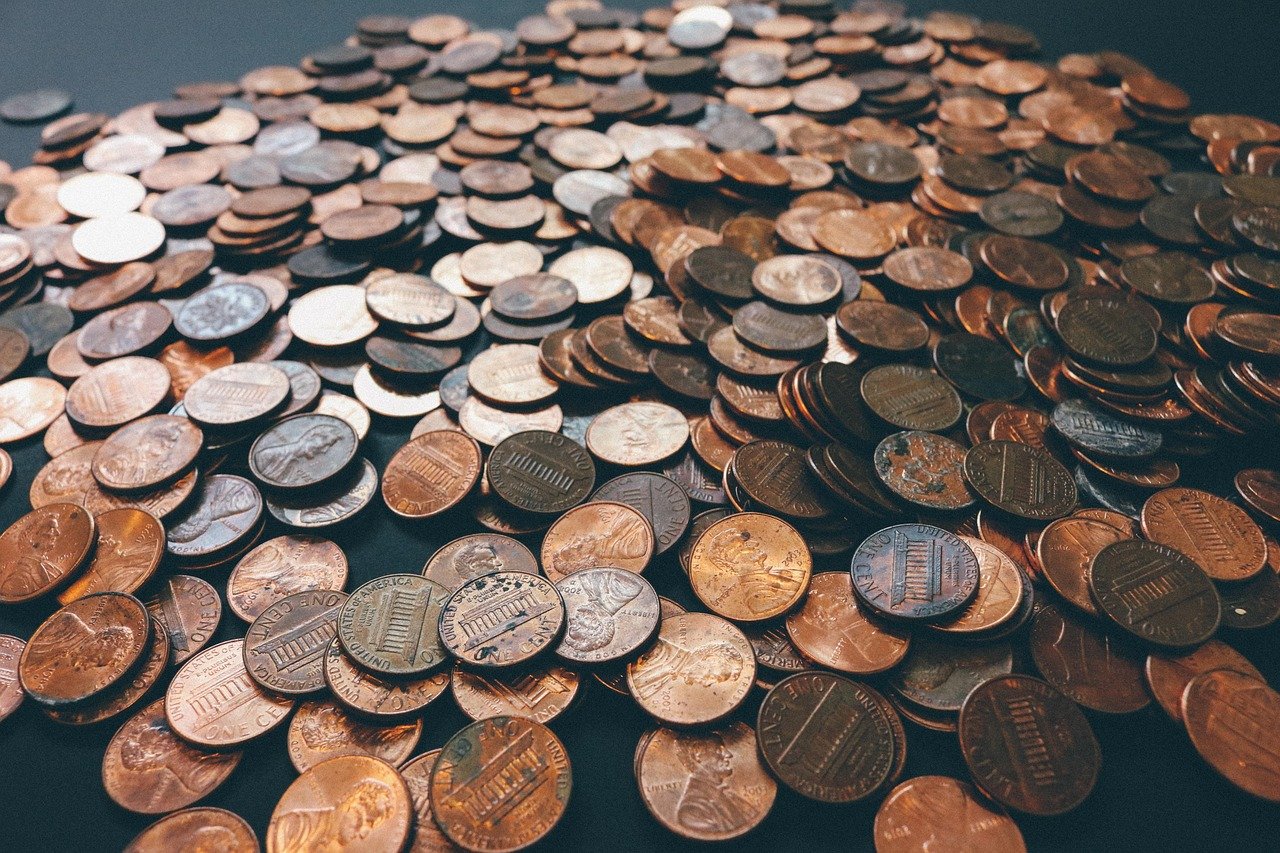
A penny is worth more than one cent for one of three reasons: it’s rare, it’s in exceptional condition, or its metal content exceeds face value. Most of the pennies sitting in jars fail all three tests. That’s the honest starting point, and it saves a lot of disappointment.
The Lincoln cent has been struck since 1909, which gives collectors more than a century of dates, mint marks, and errors to chase. The U.S. Mint’s overview of coin collecting basics is a sensible place to start learning how dates and mint marks work. The series is long enough that almost every year has a story, but only a few years have a premium.
Here’s the practical reality: dealers see thousands of common wheat cents every month. They pay pennies for them, sometimes fractions of a cent in bulk. The money lives in the exceptions.
The Headline Years: 1943 and 1944
1943 Steel Cents
In 1943, copper went to the war effort, so the Mint struck cents in zinc-coated steel. These coins look silvery and stick to a magnet. Circulated examples are extremely common and typically sell for cents to a few dollars. Uncirculated pieces are worth more, but not fortunes.
The mistake people make is assuming “1943” automatically means jackpot. It doesn’t. Millions were made. A rusty, pocket-worn steel cent is a curiosity, not a payday.
The 1943 Copper Error
This is the coin behind most treasure-hunting stories. A small number of 1943 cents were struck on leftover copper (bronze) planchets, and genuine examples are extremely rare and valuable. The catch: counterfeits are everywhere, often copper-plated steel.
The quick test is a magnet. A genuine 1943 copper cent won’t stick; a plated steel fake will. That test isn’t conclusive, though, and serious buyers want authentication from a grading service before money changes hands.
1944 Steel Cents
The mirror-image error. Some 1944 cents were struck on steel planchets left over from the previous year. These are rare and collectible. If a 1944 cent sticks to a magnet, stop and pay attention.
Key Dates Collectors Pay Real Money For
Beyond the war years, a few Lincoln cents are scarce because of low mintages. These are the coins worth pulling from every wheat-cent pile.
| Year and Mint | Why It Matters | What to Know |
|---|---|---|
| 1909-S VDB | Designer’s initials (VDB) removed partway through the year; San Francisco strike was limited | The classic key date; counterfeits exist |
| 1909-S (no VDB) | Low mintage from San Francisco | Often overlooked next to the VDB |
| 1914-D | Low mintage from Denver | Strong premium even in worn grades |
| 1922 “Plain” | Actually a Denver coin with a worn mintmark | Looks like no mint mark; verify carefully |
| 1931-S | Low mintage during the Depression | Scarce in any grade |
The 1909-S VDB is the one collectors talk about at dinner parties. It carries Victor David Brenner’s initials, and public criticism of the prominent initials led to their removal during the year, which is why the San Francisco version with initials is scarce. The 1909-S without the initials and the 1914-D are also key dates, and the 1922 “plain” cent is really a Denver coin whose mintmark wore away.
That last one trips up beginners constantly. A 1922 cent with no visible mintmark isn’t a mint error worth celebrating by default. It’s a known variety, and it needs close inspection.
Error Coins: Doubled Dies and Other Varieties
Errors are where things get fun, because you can find them in ordinary pocket change.
The 1955 Doubled Die
The most famous doubled-die Lincoln cent shows clear doubling on LIBERTY and IN GOD WE TRUST. It’s scarce enough to command real premiums, and the doubling is visible to the naked eye, which is why it’s so popular.
1969-S and 1972 Doubled Dies
The 1972 doubled die is relatively common and earns modest premiums, so it’s a realistic find. The 1969-S doubled die is rare. Same family of error, wildly different values. This is the pattern with error coins: the date tells you where to look, but the specific variety decides the price.
What Counts as an Error
A doubled die happens when the die itself is misaligned during hubbing, leaving doubled design elements on every coin struck from it. That’s different from machine doubling, a flat, shelf-like smudge that adds almost no value. Learning to tell them apart is one of the highest-return skills a beginner can build. The American Numismatic Association’s guide to collecting coins covers grading and authentication in more depth than any short article can.
The 1982 Transition and Melt Value
In 1982, the cent’s composition changed from 95% copper to copper-plated zinc. Both types exist for that year, and the copper version is worth more than face value for its metal content. Pre-1982 copper cents also carry metal value above one cent, though U.S. law restricts melting coins for profit, so the metal value is theoretical for most people.
Steel cents have little metal value. That’s the twist: the famous 1943 steel cent isn’t valuable because of its metal, it’s valuable because of its story and condition.
If you’re sorting a jar, a cheap kitchen scale and a quick sort by appearance will separate copper from zinc faster than checking dates one by one. Copper cents weigh noticeably more than zinc ones, and 1982 is the year to slow down because both compositions exist.
Condition Beats Year More Often Than People Expect
Here’s the part that surprises almost everyone: condition drives value more than year for most cents. A common-date cent in uncirculated condition can be worth far more than a worn key date. A 1914-D that spent forty years in a parking lot might be worth less than a pristine 1950s roll coin.
Grading uses a scale from About Good to Mint State, and the difference between grades can multiply a price several times over. Learning the basics of grading is worth more than memorizing a list of dates, because it changes how you look at every coin you touch.
Practical tips that actually work:
- Don’t clean coins. Cleaning strips the surface and destroys value. A dirty coin is worth more than a scrubbed one.
- Handle by the edges. Fingerprints on uncirculated surfaces can knock down a grade.
- Store in holders, not tape. Tape residue is a permanent problem.
- Photograph before you sell. Good photos get better offers and protect you in disputes.
- Get key dates authenticated. For a 1943 copper or a 1909-S VDB, the certification fee is cheap insurance against a counterfeit.
The most common mistake is assuming age equals value. A worn 1919 cent is nearly a century old and still worth a few cents. Age matters far less than scarcity and survival in high grade.
If you enjoy the treasure-hunt side of this, the same instinct applies to other collecting hobbies, whether you’re weighing which upcoming PC games are worth playing this year or deciding which games on the Nintendo Switch 2 are worth your time and money. Scarcity and condition drive value in every collecting market.
Where to Look and What to Avoid
Estate sales and coin jars are the classic sources. Bank rolls occasionally turn up wheat cents, though the odds are low. Grandparents’ collections are where most people find their first interesting coin.
Avoid the hype economy around pennies. Social media videos regularly claim ordinary coins are worth thousands. Check any claim against a current price guide before you get excited, and remember that market prices move.
Coin collecting also has a scam problem beyond fakes. The gift card scam pattern, where victims rarely get their money back, shows how quickly money disappears when a deal feels urgent. A legitimate buyer never pressures you to wire money or pay in gift cards. (Best games nintendo switch 2 whats worth your time money) (Money as You Grow)
For readers who track hobby spending carefully, budgeting tools like a comparison of YNAB vs Monarch Money‘s zero-based budgeting versus net worth tracking can help keep a collection fund from quietly eating the grocery budget.
A Realistic Expectation for Your Jar
Most jars contain zero valuable pennies. That’s not pessimism, it’s base rates. But the search costs almost nothing, and the upside is real.
Sort in passes. First, pull out anything pre-1959 (wheat cents). Second, check those for the key dates and the 1943 steel cents. Third, set aside anything that looks odd, doubled, or off-color. Fourth, check the 1982 copper pieces if you care about metal value.
That four-pass method takes an evening for a large jar and catches nearly everything worth catching. It also keeps you from wasting time grading common coins.
Conclusion
The years that matter most are 1909, 1914, 1922, 1943, 1944, 1955, 1969, 1972, and 1982, with the 1943 copper error and the 1909-S VDB sitting at the top of the value ladder. But year is only the entry point. Mint mark, condition, error variety, and authenticity decide what a coin actually sells for.
The practical takeaway is simple: sort for the key dates, learn to spot doubling, never clean a coin, and authenticate anything valuable before selling. Most pennies are worth a penny. A few are worth a lot more, and now you know which years to check first.
FAQ
Is a 1943 steel penny worth anything?
Circulated 1943 steel cents are common and typically worth cents to a few dollars. Uncirculated examples command more. The real prize is the rare 1943 copper error, and many of those in circulation are copper-plated steel fakes, so a magnet test and professional authentication matter.
How can I tell if a penny is copper or zinc?
Copper cents, made before 1982 and in part of 1982, weigh more than copper-plated zinc cents. A small scale separates them quickly, and a magnet won’t attract either. Steel cents from 1943 are the ones that stick to a magnet.
Are wheat pennies worth more than face value?
Most wheat pennies are worth only a few cents each because so many were minted. Key dates, low-mintage San Francisco and Denver issues, and coins in uncirculated condition are the exceptions. Bulk wheat cents usually sell by the pound or roll.
Should I clean a dirty old penny?
No. Cleaning removes metal and leaves scratches and residue that permanently lower a coin’s grade. Collectors pay less for cleaned coins, sometimes far less. Leave the surface alone and store the coin in a holder. (Penny (United States coin)))
What is a doubled die penny?
A doubled die happens when the die is misaligned during hubbing, so design elements appear doubled on every coin struck from it. The 1955 doubled die is the famous example. Machine doubling looks similar but is flat and adds little value.
Do I need to have a rare penny graded?
For valuable dates and errors, yes. Grading services authenticate the coin and assign a condition grade, which protects both buyer and seller. For common dates, the certification fee can exceed the coin’s value, so grading only makes sense on coins worth substantially more than the fee.



