

What makes a pair of shoes look expensive without a single logo in sight? Walk through a well-heeled neighborhood and you will notice the pattern. The shoes are simple. The leather is good. Nothing shouts. That quiet confidence is the whole idea behind what people call old money shoes — a look built on restraint, quality, and styles that have survived decades without needing a rebrand.
The phrase has no formal definition. It is a cultural shorthand, not a rulebook. But the shoes it points to are real, and their histories are surprisingly specific. This guide breaks down the styles, the reasoning behind them, and the practical details that separate a genuine investment from an expensive mistake.
What “Old Money” Actually Means in Fashion
The term old money describes inherited wealth and established social position, as opposed to wealth that was recently earned. It is a sociological label, not a certification, and fashion writers borrowed it because the aesthetic attached to it is easy to recognize: muted colors, natural fabrics, impeccable fit, and an allergy to visible branding.
That matters for shoes because the “old money” look is really a set of signals. A shoe reads as old money when it looks like it was bought years ago, cared for properly, and chosen for a reason other than being noticed. Logos, chunky hardware, and trend-driven shapes work against that signal. Clean lines, leather that has aged well, and classic proportions work for it.
There is also a practical logic underneath the aesthetic. Wealth that is inherited tends to be spent on durability rather than novelty, because the buyer expects to own the item for a long time. That is why the archetypal old money shoe is resoleable, repairable, and boring in the best sense. It is the same instinct that shows up in other spending categories, where the real cost of a purchase is measured over years rather than at checkout — a theme that runs through analyses of where identity threat detection money really goes and similar long-horizon cost breakdowns.
The Core Old Money Shoe Styles
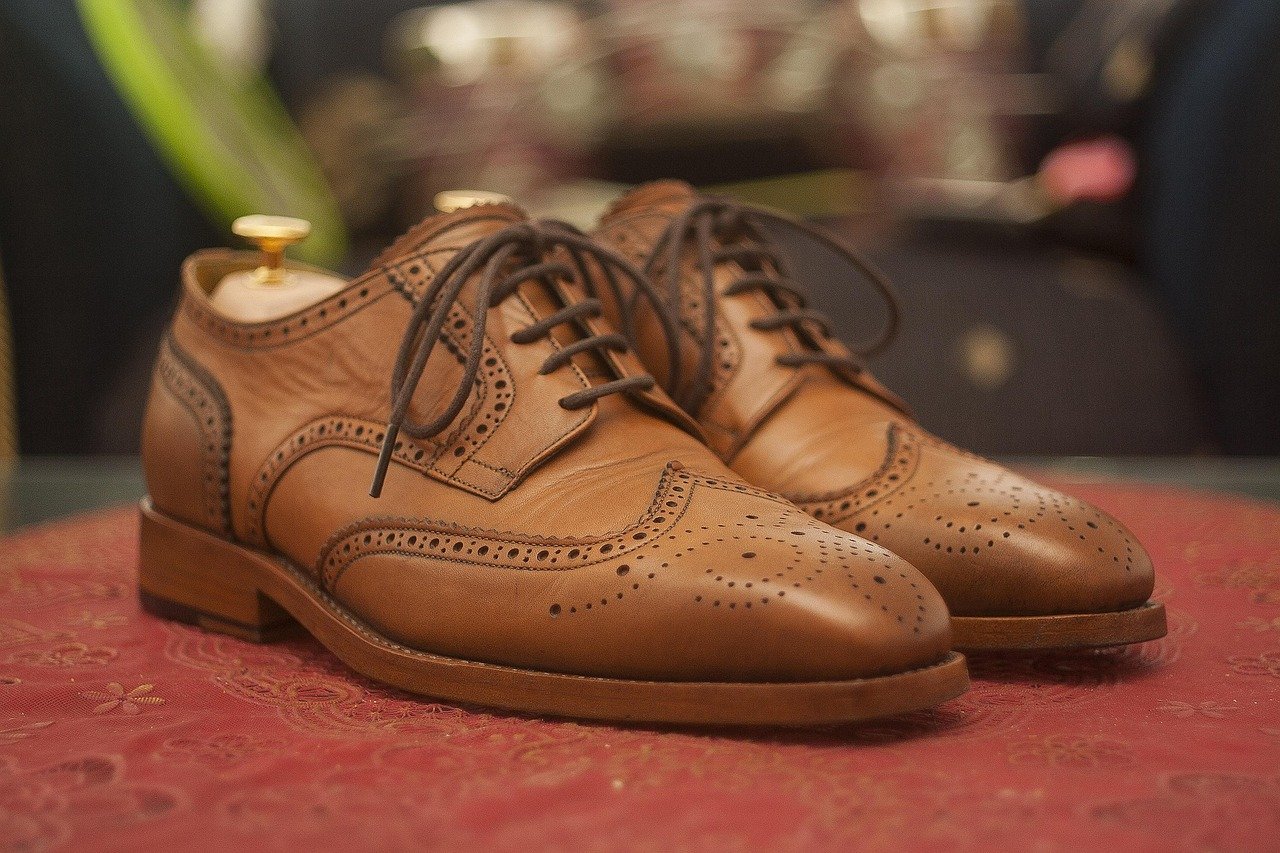
Most lists of old money footwear come back to a handful of shapes. Each has a documented history, and each earns its place for a different reason.
The penny loafer
The penny loafer is the American archetype. G.H. Bass & Co. introduced its “Weejuns” slip-on in 1936, and the style became a campus staple within a generation. The name comes from the leather strap across the vamp, which is shaped to hold a coin — a detail that turned a practical shoe into a small piece of folklore.
The European lineage runs parallel and slightly earlier. Slip-on moccasin construction is often traced to Norwegian shoemaking in the 1930s before being adapted for the American market. Be careful with “inventor” claims here. First-maker stories for loafers are contested and frequently promotional, so treat any single-origin narrative with suspicion.
What makes the penny loafer read as old money is its plainness. There is no buckle, no logo, no contrast stitching demanding attention. In dark brown or burgundy leather, it works with flannel trousers, chinos, and even a casual suit.
The horsebit loafer
Gucci introduced the horsebit loafer in 1953. The design moved from luxury product into cultural artifact quickly enough to enter the Metropolitan Museum of Art’s costume collection. That museum pedigree helps explain why the style carries weight: it is documented design history, rather than marketing alone.
The horsebit loafer sits slightly dressier than the penny loafer. The metal detail is the one piece of hardware that survives the no-logo rule, because it is small, functional-looking, and instantly recognizable to people who know shoes. That is the whole trick of quiet luxury — the signal is legible only to the audience that matters.
The driving shoe
Driving moccasins — soft leather uppers with rubber pebbles on the sole — emerged from Italian makers in the 1960s and 1970s. The pebbles were functional once, designed to grip pedals. Today they are mostly decorative, and the shoe works best in summer with linen trousers or shorts.
This is the most casual entry on the list, and the one most likely to be worn badly. A driving shoe in bright suede with heavy contrast stitching tips from relaxed into costume. Keep it tonal and understated.
The Chelsea boot
The Chelsea boot is the oldest shape here. The elastic-sided boot is attributed to J. Sparkes-Hall, shoemaker to Queen Victoria, who patented the design in 1851. The name arrived much later, borrowed from Chelsea in London during the 1950s and 1960s, when the style became associated with the artists and musicians who lived there.
In suede or polished calf, a Chelsea boot covers the gap between smart and casual better than almost anything else. It also handles weather, which matters if the goal is a shoe that actually gets worn.
The lace-ups: Oxford and Derby
The Oxford and the Derby are the formal backbone of the wardrobe, and the difference between them is a genuine standard rather than a marketing distinction. Oxfords have closed lacing, where the eyelet tabs are sewn under the vamp. Derbies have open lacing, with the tabs stitched on top. The Oxford is the dressier of the two; the Derby is more forgiving across the instep and easier to wear with heavier socks.
A plain black Oxford, a brown suede Derby, and a brogue in between will cover nearly every formal situation a person encounters. None of them need a logo to be recognized.
Why Construction Matters More Than the Label
Here is where the old money logic gets practical. A shoe’s status has less to do with the name inside it than with how it was built. The single most important marker is Goodyear welt construction, a method patented by Charles Goodyear Jr. in 1869. A welted shoe can be resoled repeatedly, which means the upper can outlive several soles.
That repairability is the entire economic argument. A cheap cemented shoe costs less up front and gets thrown away in two years. A welted shoe costs more and can be rebuilt for decades. The math only works if you actually keep the shoes, which is why the aesthetic and the economics reinforce each other.
| Feature | Welted shoe | Cemented shoe |
|---|---|---|
| Sole attachment | Stitched welt | Glued |
| Resoleable | Yes, multiple times | Rarely |
| Break-in period | Longer | Short |
| Upfront cost | Higher | Lower |
| Cost per year of wear | Usually lower | Usually higher |
The same long-view thinking explains why some buyers treat footwear as an asset rather than an expense. It is the opposite of the psychology behind a quick-score mindset, where the appeal of fast money tends to crowd out patience — a contrast explored in coverage of how the gift card scam works and why victims rarely get their money back. Shoes reward the opposite instinct: slow, boring, cumulative value.
How to Build the Look Without Overspending
The good news is that old money shoes are among the easiest things to buy secondhand. Classic shapes do not date, so a used pair of welted loafers or Oxfords can be refurbished into something better than a new fast-fashion equivalent.
A practical sequence that works for most people:
- Start with one brown leather loafer in a plain style. It covers more outfits than any other single shoe.
- Add a dark Oxford or Derby for formal wear. Choose based on fit across the instep, not on trend.
- Add a Chelsea boot in suede for cold and wet months.
- Buy cedar shoe trees before buying a third pair. They cost a fraction of a new shoe and double its lifespan.
- Rotate. Never wear the same pair two days running if you can avoid it, so the leather can dry out.
Common mistakes
The most frequent error is buying the logo instead of the construction. A branded shoe with a glued sole is a worse long-term purchase than an unbranded welted one, no matter what the label suggests.
The second mistake is sizing for the wrong socks. Formal shoes bought to fit bare feet will pinch in winter. Try dress shoes on with the socks you actually plan to wear.
The third is neglect. Leather cracks because it dries out, and salt stains set because they are not wiped off. A five-minute routine once a week — brush, condition, insert trees — does more for the look than any upgrade in price bracket.
Care, Longevity, and the Quiet Luxury Effect
Shoe care is not a hobby for enthusiasts. It is the maintenance schedule that makes the whole approach work. Cedar trees absorb moisture, shoe rotation lets leather recover, and regular conditioning keeps the finish from dulling. Museum conservation guidance on leather objects makes the same point in more technical language: leather is a fibrous material that responds to moisture, pH, and mechanical stress, and consistent low-level care beats occasional intensive treatment.
The aesthetic got a visible boost around 2023, when media coverage of quiet luxury and stealth wealth peaked. Interest in understated, logo-free footwear rose sharply as a result. That surge was a journalistic trend rather than a formal standard, and like most trends it will fade. The underlying styles will not, because they were never trend-dependent in the first place.
There is a parallel worth noting for anyone thinking about where to put discretionary money. Trends in consumption move in cycles, and so do trends in how people think about assets and currency — the shift toward central bank digital currencies, for instance, raises similar questions about what holds value long term, as explained in this overview of CBDC digital currency and central bank money going digital. Shoes are a small-scale version of the same question: what is worth paying for because it lasts?
Old Money Shoes in Practice
A few field-tested observations that do not show up in style guides:
Color beats brand. Dark brown is the most useful shoe color most people own, and it is chronically under-bought. Black is for formal occasions and funerals. Burgundy and oxblood add variety without shouting.
Fit beats everything. A well-fitting mid-priced shoe looks better than an ill-fitting expensive one, every time. Heel slip, pinched toes, and gaping lacing are all visible from across a room.
Condition beats age. A ten-year-old pair that has been polished regularly looks newer than a two-year-old pair that has not. The patina that develops on good leather is the actual goal, not a defect to hide.
And restraint beats novelty. The people who look most convincingly “old money” are usually wearing the same three pairs of shoes they have owned for years. The signal is not the shoe. It is the ease that comes from not thinking about it.
Conclusion
Old money shoes are less about money than about a decision to buy slowly. The penny loafer, the horsebit loafer, the driving shoe, the Chelsea boot, and the classic lace-ups all share the same traits: simple lines, durable construction, and a design that has not needed to change. None of them require a logo to be recognized, and none of them go out of style, because they were never in style in the trendy sense to begin with.
The practical takeaway is straightforward. Buy fewer pairs. Choose welted construction when the budget allows. Learn to care for leather. Rotate what you own. That approach costs less over a decade than chasing trends, and it produces a wardrobe that looks better every year rather than worse. Quiet luxury is not a purchase. It is a maintenance habit with good taste attached.
Frequently Asked Questions
What counts as old money shoes?
There is no official category. The term is editorial shorthand for classic, logo-free styles built from quality materials: penny loafers, horsebit loafers, driving moccasins, Chelsea boots, and plain Oxfords or Derbies. The common thread is restraint and durability rather than a specific brand.
Are penny loafers still considered old money?
Yes. The penny loafer has been the American archetype since G.H. Bass introduced its Weejuns in 1936, and its plain slip-on shape has never really left the classic wardrobe. In dark brown or burgundy leather, it remains one of the most versatile shoes a person can own.
How much should a good pair of old money shoes cost?
There is no fixed number, but the useful measure is cost per year of wear. A welted shoe that can be resoled several times often costs less over a decade than repeated purchases of glued shoes. Buying secondhand and refurbishing is a legitimate way to get the same construction for much less.
What is the difference between an Oxford and a Derby?
Oxfords have closed lacing, with the eyelet tabs sewn beneath the vamp, which makes them dressier. Derbies have open lacing, with the tabs stitched on top, which gives more room across the instep and suits a more casual wardrobe. Both are standard classic styles.
Why does Goodyear welt construction matter?
The method, patented by Charles Goodyear Jr. in 1869, stitches the sole to a welt rather than gluing it. That allows a cobbler to replace the sole repeatedly, so the upper can last for decades. It is the clearest practical marker of an investment shoe.
Do old money shoes need to be expensive brands?
No. Construction and care matter more than the label. An unbranded welted shoe that is polished and worn with cedar trees will look better than a branded glued shoe, and it will last longer. The look comes from the leather, the fit, and the upkeep.



