
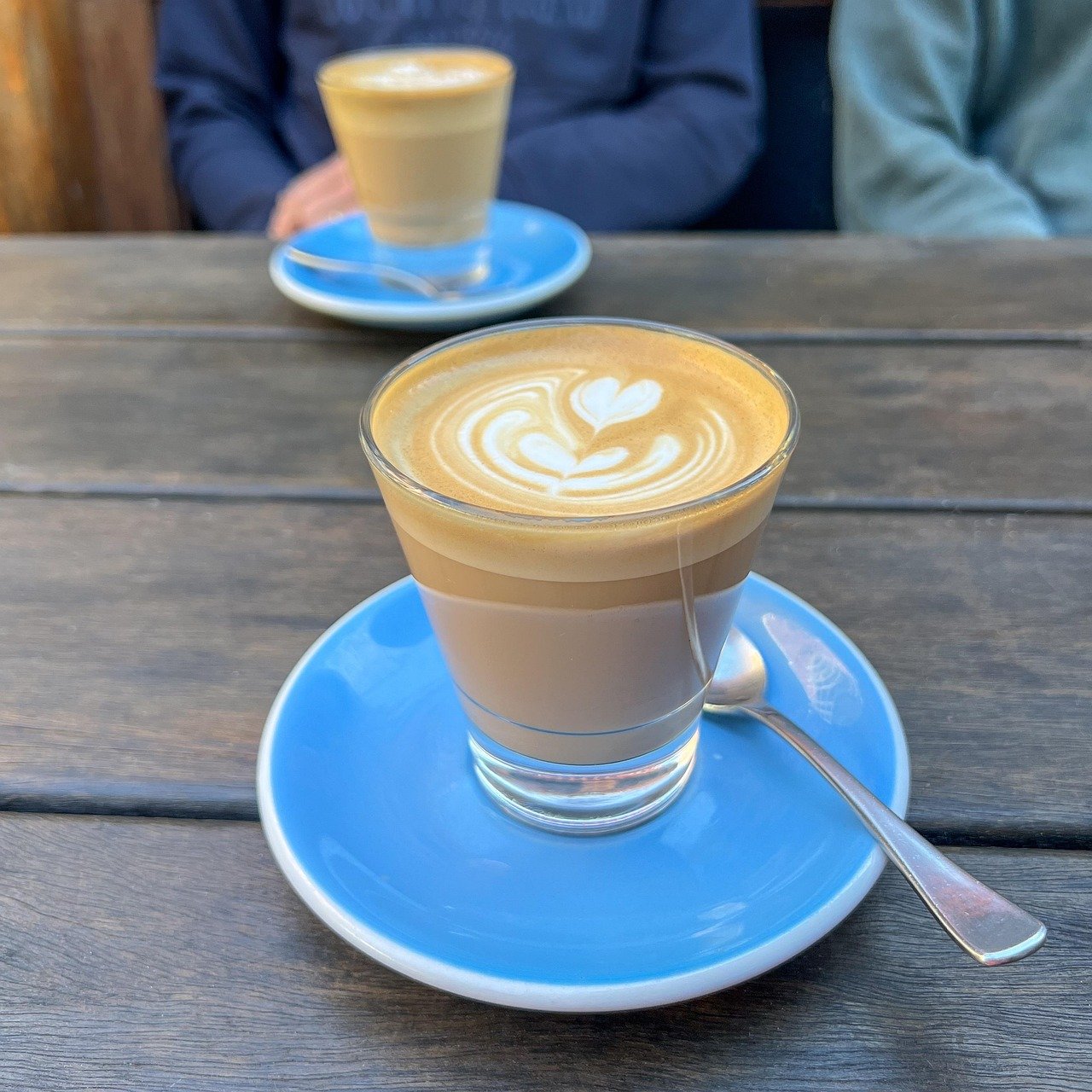
Ever ordered a cappuccino in one café and a latte in another, then wondered why they looked almost identical? That confusion is common, and it is not your fault. The two drinks share the same two ingredients, espresso and milk, yet they behave very differently in the cup, on the tongue, and on the bill. Outside Italy, neither name is legally defined, so every café gets to decide what goes into your glass.
This guide cuts through the fog. It covers what each drink actually is, how the ratios and textures differ, what that means for caffeine and calories, and how to order with confidence no matter where you are standing.
What Is a Cappuccino, Really?
A cappuccino is espresso topped with steamed milk and a thick cap of milk foam, traditionally served in a small cup of roughly 150 to 180 milliliters. The defining feature is that foam: it sits proud of the liquid, often forming a visible dome, and gives the drink a light, airy texture that a latte simply does not have.
The name itself is usually traced to the color of the habit worn by Capuchin friars, a shade of brown that early drinkers compared to the coffee. Food historians commonly date the modern foamed-milk version to Italy in the decades after World War II, when espresso machines became household fixtures in cafés. That timeline is debated, so treat specific dates with a grain of salt. (Coffee)
In Italy, the cappuccino is a morning drink. Ordering one after lunch or dinner will earn you a raised eyebrow from the barista, not because it is forbidden, but because locals consider milk-heavy drinks hard to digest after a big meal. It is a cultural convention, not a rule written anywhere.
What Is a Latte, Exactly?
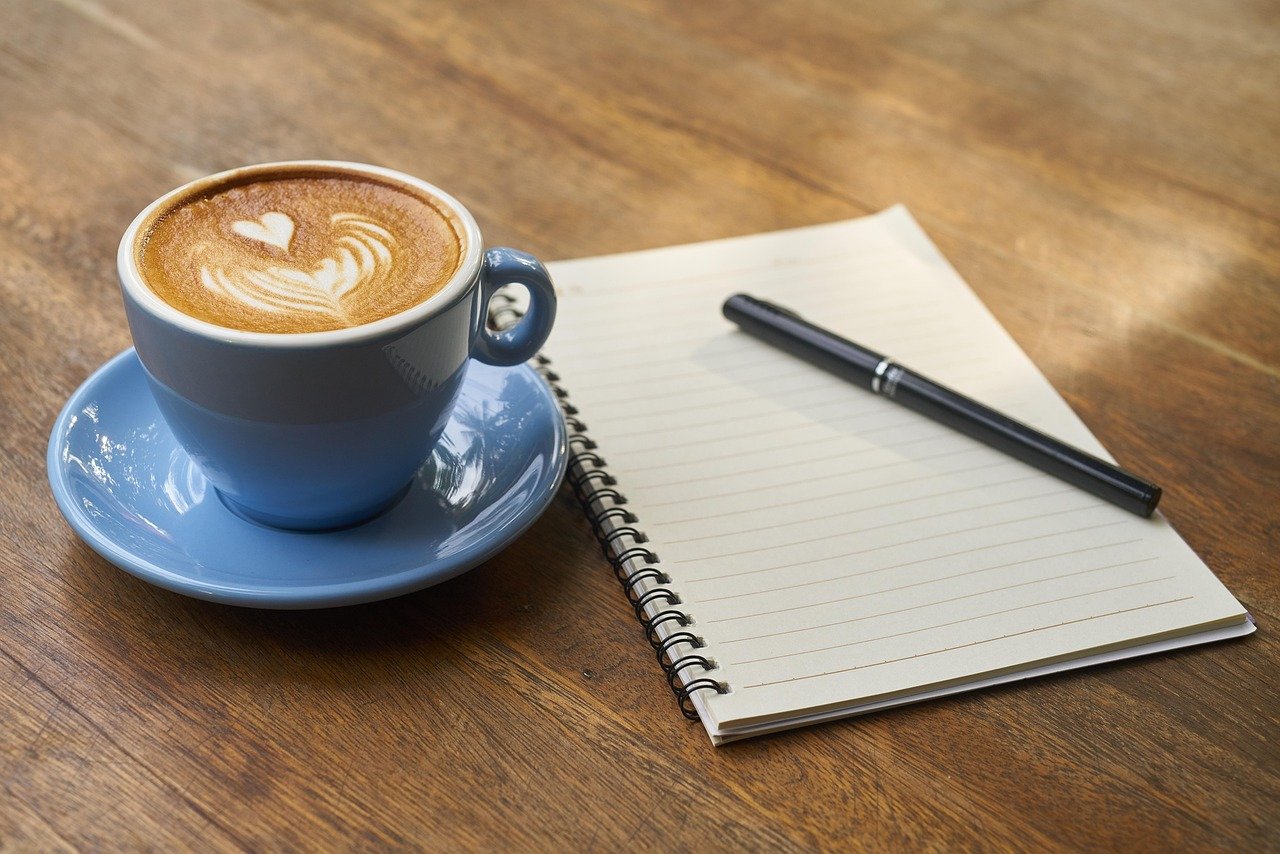
A latte in English means caffè latte: espresso with a much larger volume of steamed milk and only a thin layer of foam on top. Where a cappuccino is small and foamy, a latte is bigger, wetter, and silkier, usually served in a tall glass or a generous mug of 240 to 350 milliliters.
Here is the trap that catches travelers. In Italian, latte simply means milk. Order “un latte” in a café in Rome and you may be handed a plain glass of milk. The full name, caffè latte, is what you want. The English word has drifted so far from its Italian root that the two now mean different things, a classic case of a borrowed term taking on a life of its own.
Because a latte carries so much milk, it is the friendlier drink for anyone who finds straight espresso too intense. It is also the canvas for most latte art, since the glossy, pourable microfoam makes it easy to draw a heart or a rosetta on the surface.
The Real Differences, Side by Side
Ratios and sizes are conventions, not standards. Cafés disagree, chains disagree, and countries disagree. Still, the working rules below capture how most specialty coffee shops think about the two drinks.
| Feature | Cappuccino | Latte |
|---|---|---|
| Typical size | 150 to 180 ml | 240 to 350 ml |
| Espresso to milk ratio | Roughly 1:1:1 (espresso, milk, foam) | Roughly 1 part espresso to 3 to 5 parts milk |
| Foam texture | Thick, stiff, voluminous | Fine, wet, glossy microfoam |
| Serving vessel | Small ceramic cup | Tall glass or large mug |
| Milk flavor | Present but espresso-forward | Dominant, mellow, creamy |
| Caffeine (same shot count) | Identical | Identical |
| Calories | Lower | Higher, due to more milk |
The single most useful takeaway from that table is the caffeine row. Milk adds volume, texture, and calories, but it adds no caffeine. A cappuccino and a latte pulled with the same number of espresso shots deliver essentially the same stimulant dose. If you are choosing between them for a morning jolt, the decision is about taste and mouthfeel, not energy.
Texture: The Difference You Feel Before You Taste
If you want to understand the gap between these drinks, pay attention to the first sip. A well-made cappuccino hits you with a puff of airy foam, then a concentrated rush of coffee, then a softer milk finish. A latte arrives as one continuous, velvety stream. The espresso is still there, but it is wrapped in milk from start to finish.
That difference comes down to how the milk is steamed. Cappuccino foam is aerated more aggressively, creating larger bubbles and a stiffer structure that holds its shape. Latte milk is stretched gently and spun into microfoam, a fine emulsion of tiny bubbles that flows like wet paint. Baristas call the latte version “wetter” because it contains more liquid milk relative to air.
Practical tip: if your cappuccino arrives with foam so stiff it stands up like meringue and leaves a dry crater when you spoon into it, the milk was over-aerated. A good cappuccino foam should be dense but still moist, more like thick custard than shaving cream. If your latte has a cap of big soapy bubbles, the milk was steamed carelessly. Fine foam should look like glossy velvet with no visible holes.
How to Order Without Guesswork
Because definitions vary, the safest strategy is to describe what you want rather than trust the name on the menu. Here is a simple sequence that works almost anywhere.
- Ask how many espresso shots go into the drink. This is the only reliable way to control caffeine.
- Ask for the cup size. A “small latte” in one shop can be larger than a “large cappuccino” in another.
- Say whether you want it wet or dry. “Wet” means more steamed milk and less foam; “dry” means the opposite.
- Specify the milk if it matters to you. Oat, almond, and skim all foam differently, and some foam much less readily than whole milk.
- If you are in Italy, order a cappuccino before noon and a plain espresso after a meal.
A common mistake is assuming a flat white sits between the two. It is closer to a small latte with a thinner layer of microfoam, and it is its own thing entirely. Another mistake is ordering a “large cappuccino” and expecting the classic experience. Scale a cappuccino up and the ratio collapses; you effectively get a latte with a foam hat. If you want the real cappuccino feel, order the small size. (Cappuccino)
For anyone who prefers the drink at home, the technique matters as much as the recipe. Learning to make a matcha latte that tastes smooth rather than bitter is a good reminder that milk texture and temperature control drive the final result in any milk-based drink, coffee or tea.
Caffeine, Calories, and What the Numbers Actually Say
Caffeine lives in the espresso, so the shot count is the whole story. A single shot delivers roughly 60 to 75 milligrams in most cafés; a double lands near 120 to 150 milligrams. Order either drink with two shots and you are in the same range as a strong cup of drip coffee.
Calories are a different conversation. Because a latte uses two to three times more milk, it carries more calories, more protein, and more sugar in the form of lactose. A cappuccino made with whole milk typically lands well under 150 calories, while a large latte can climb past 250 before you add any syrup. Flavored syrups, whipped cream, and alternative milks with added sugar can push a latte into dessert territory fast.
Milk temperature is another shared variable. Baristas generally aim for roughly 60 to 70 degrees Celsius, or 140 to 160 Fahrenheit. Push much beyond that and the milk proteins break down, sweetness fades, and you get that flat, scalded taste. If a drink tastes oddly cooked, the milk was overheated, and no amount of foam will hide it.
A Short Note on Standards and History
Italy does have a voluntary certification for the classic espresso base, published by the country’s espresso trade body, and a companion specification for cappuccino exists as well. These are quality benchmarks that cafés can choose to follow, not laws that bind anyone. Outside Italy, no authority defines what a cappuccino or a latte must contain, which is exactly why the drinks vary so much from shop to shop.
That freedom is mostly a good thing. It lets cafés tune their drinks to local tastes, and it lets you ask for exactly what you want. The tradeoff is that names become loose. A “cappuccino” in one city might be a latte in another. The drink in your cup, not the word on the board, is the thing to judge.
Which One Should You Order?
There is no objectively better drink, only a better drink for the moment. Reach for a cappuccino when you want a compact, espresso-forward experience with a bit of theater in the foam. It suits a quick morning stop, a pastry on the side, and anyone who likes to taste the coffee through the milk.
Choose a latte when you want something larger, gentler, and slower to drink. It works well for long conversations, for people who find espresso too bitter, and for anyone who plans to sit with a book for an hour. If you are watching calories, a cappuccino with whole milk is the lighter pick by a wide margin.
And if you cannot decide, order a cappuccino first. It is the smaller drink, so it is the cheaper way to find out whether the café pulls good espresso. If the cappuccino is balanced and sweet, the latte will be too.
Conclusion
The cappuccino and the latte are siblings, not strangers. Both start with espresso, both rely on steamed milk, and both contain the same caffeine per shot. What separates them is proportion and texture: a cappuccino is small, foamy, and coffee-forward, while a latte is large, silky, and milk-forward.
Because the names are conventions rather than rules, the smartest move is to order by description, not by label. Ask about shot count, cup size, and foam level. Watch how the milk is steamed. Taste the first sip and notice whether the coffee or the milk leads. Do that a few times and you will never be surprised by a menu again, whether you are in Milan, Melbourne, or a café around the corner.
Frequently Asked Questions
Is a cappuccino stronger than a latte?
Not in caffeine, assuming both are made with the same number of shots. The cappuccino tastes stronger because it contains less milk, so the espresso flavor is less diluted. The actual stimulant dose depends entirely on how many shots the café pulls.
What is the difference between a cappuccino and a latte in simple terms?
A cappuccino is smaller, with equal parts espresso, steamed milk, and thick foam. A latte is larger, with one part espresso to three or more parts milk and only a thin layer of fine foam on top.
Why do Italians drink cappuccino only in the morning?
It is a cultural habit rather than a rule. Italians generally consider a milk-heavy coffee too filling after a meal, so the cappuccino became a breakfast drink. Nobody will stop you ordering one at 4 p.m., but you may get a curious look.
Does a latte have more calories than a cappuccino?
Usually yes, because it contains significantly more milk. A typical cappuccino lands under 150 calories with whole milk, while a large latte can exceed 250 before syrups or toppings. Skim milk and smaller sizes narrow the gap.
What happens if I order a latte in Italy?
You may receive a glass of plain milk, since latte means milk in Italian. Ask for a caffè latte instead. This is one of the most common ordering mistakes made by visitors.
Can I make both drinks with the same equipment at home?
Yes. The difference is in the milk, not the machine. Aerate the milk longer and pour less of it for a cappuccino; aerate briefly and pour more for a latte. A thermometer helps, since milk tastes best steamed to around 60 to 65 degrees Celsius.



