
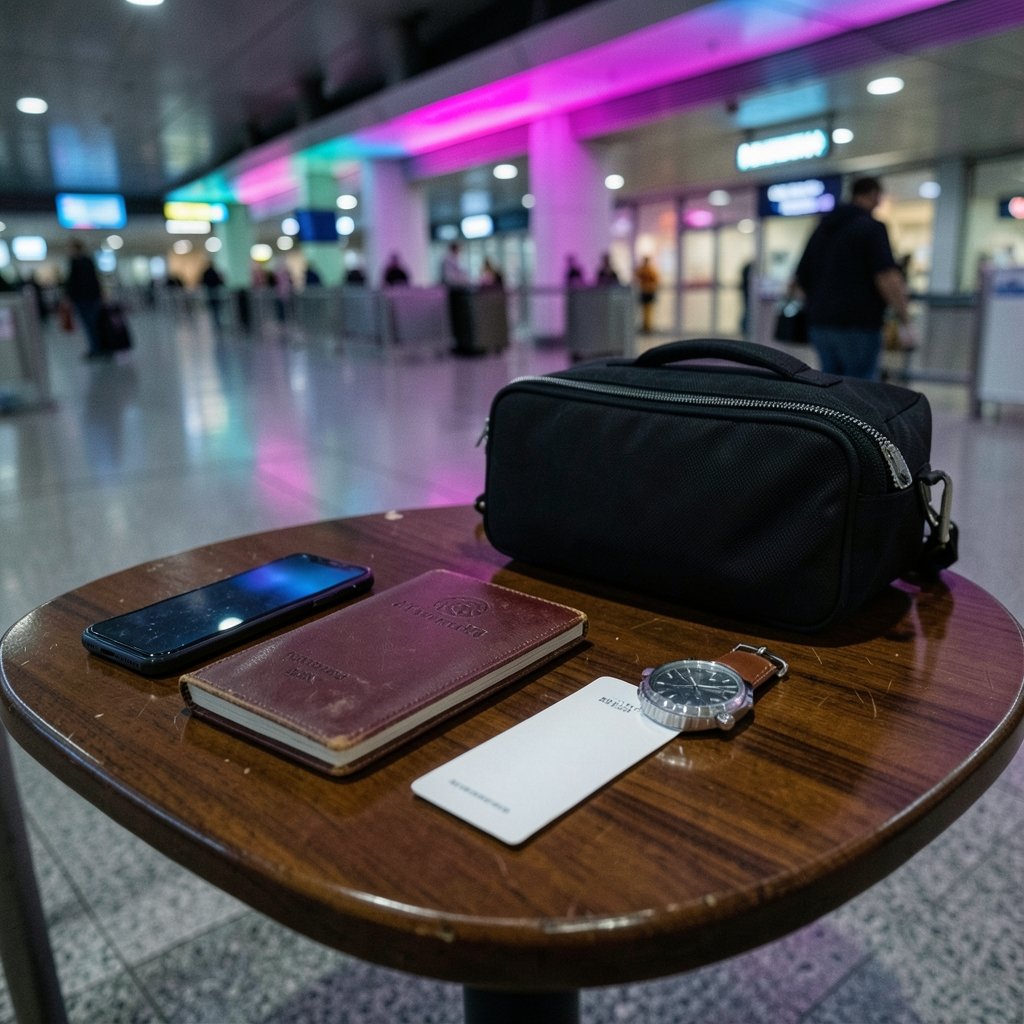
What if the single most important thing you do for a Southwest flight happens exactly 24 hours before takeoff, not at the airport? For years, that has been the reality for millions of travelers. Southwest’s open-seating model turned check-in timing into a small strategic game, and the players who understand the rules consistently walk away with better boarding positions. The stakes are simple: check in early, board early, and pick the seat you actually want. (Southwest Airlines)
That said, the airline industry rarely stands still. Southwest has publicly discussed moving toward assigned seating, and policies around paid upgrades and check-in windows can shift. This guide walks through how check-in has worked, what the boarding position really means, where people go wrong, and what to confirm before your next trip. Treat the mechanics below as a practical framework, and always verify current terms with the airline before relying on them.
How Southwest Check-In Traditionally Works
The core mechanic is straightforward. Southwest has historically opened online and app check-in 24 hours before scheduled departure. At the moment of check-in, the system assigns a boarding group (A, B, or C) and a position number within that group. Passengers then board in strict numerical order rather than by seat assignment.
The practical consequence is that check-in time functions like a queue ticket. Check in at the opening minute and you land in a low A position. Check in a few hours late and you may be in the Bs. Check in at the airport counter and you might be in the C group, boarding last and taking whatever seat remains. Because Southwest has not assigned seats, the earlier check-in translates directly into more choice. (Coffee grinder burr alignment it matters check it)
Two details trip people up. First, the 24-hour clock runs on scheduled departure time, not boarding time, so a 6:00 a.m. flight means checking in at 6:00 a.m. the previous day. Second, the clock is based on local time at the departure airport, which matters if you are traveling across time zones or booking from another country.
The App vs. the Website
Both channels have historically offered the same check-in function, but they behave differently in practice. The app can store your confirmation number and traveler details, which speeds things up at the 24-hour mark. The website is often easier on a desktop if you are checking in several people at once. Neither method is inherently “faster” in the queue; what matters is the exact time you complete the check-in, not which screen you use.
A common mistake is starting the process at 24 hours and finishing it ten minutes later. Those ten minutes can cost you dozens of positions. Open the app or the site a few minutes early, have your confirmation number ready, and complete the check-in in one pass.
Why Boarding Position Matters More Than You Think
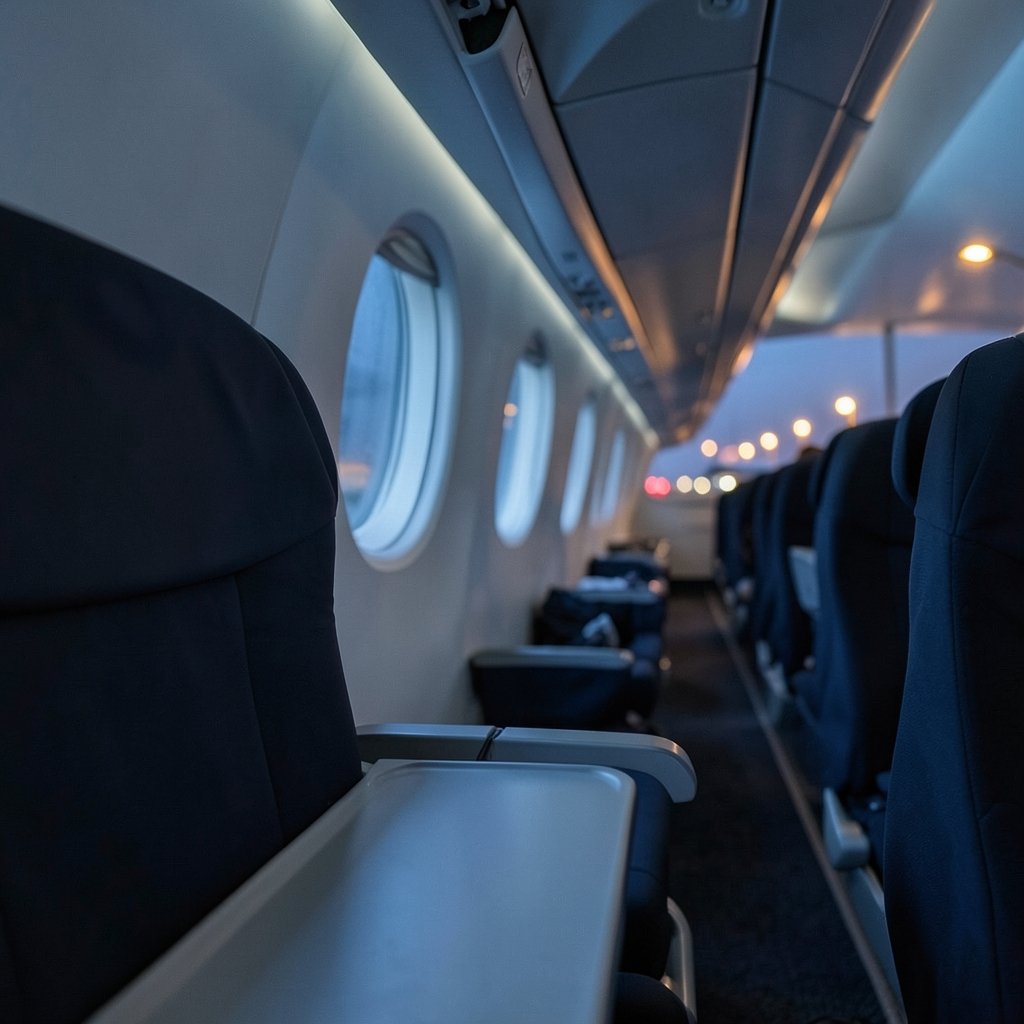
On a Southwest flight, the boarding position determines almost everything about your experience. It affects whether you get an aisle seat, whether your group can sit together, and whether there is overhead bin space near your row. On full flights, the difference between an A position and a C position is the difference between a comfortable row and a middle seat near the back with your bag gate-checked.
The boarding process itself runs in group order: A1 through A60, then B1 through B60, then C. Within each group, passengers line up by number. Families with small children and passengers needing extra time typically board before general boarding, which can push general boarding numbers slightly later in practice.
Here is a rough sense of how check-in timing has historically mapped to boarding position on a typical flight:
| Check-in timing | Typical boarding group | What it usually means |
|---|---|---|
| At the 24-hour mark | A | Best seat choice, bin space near your row |
| A few hours after opening | Mid B | Decent choice, some bin pressure |
| Day of travel, before airport | Late B or C | Limited seats, likely middle or back |
| At the airport counter | C | Last pick, bins often full |
These are patterns, not guarantees. Flight load, connecting passengers, and paid upgrades all influence where you land.
EarlyBird Check-In and Upgraded Boarding
Southwest has offered a paid add-on called EarlyBird Check-In that automatically checks you in before the standard 24-hour window opens. The goal is a better boarding position without you setting an alarm. Pricing has varied by route and fare class, and the add-on has historically been available at booking or later, subject to availability.
A separate option, Upgraded Boarding, has been sold closer to departure, sometimes at the gate or in the app on the day of travel. It moves a passenger into the A1–A15 range if space allows. This is a different product from EarlyBird: one buys you an earlier automatic check-in, the other buys a specific position band on the day.
Neither option is free, and neither guarantees a particular seat. They buy probability, not certainty. Travelers who value an aisle seat on a long flight often find EarlyBird worth the cost. Travelers on short hops with light loads often do not.
The Real-World Playbook That Works
Experienced Southwest flyers tend to follow a simple routine. It is not glamorous, but it works more reliably than any hack.
- Set an alarm for 23 hours and 55 minutes before departure. Give yourself a five-minute buffer so you are in the app when the window opens.
- Save traveler details in advance. Name, date of birth, and confirmation number should be stored, not typed under pressure.
- Check in everyone on the reservation at once. On most reservations, checking in one passenger checks in the whole party, but confirm this for your booking.
- Screenshot your boarding pass. Mobile passes can fail in poor signal areas, and a screenshot is a reliable backup.
- Skip the airport counter unless you must check bags. Counter check-in is slower and rarely improves your position.
A frequent error is assuming that buying a ticket early locks in a good boarding position. It does not. Position is assigned at check-in, not at purchase. Another common mistake is checking in and then changing the flight; a rebooked itinerary typically triggers a new check-in and a new position.
If you are managing multiple trips, keeping a simple checklist on your phone helps. The same discipline that makes device maintenance predictable, like knowing how to check GPU temperature before a long session, applies here: a few minutes of preparation beats an hour of scrambling.
What to Confirm Before You Fly
Southwest has publicly discussed a shift toward assigned seating in the coming years. If that change takes effect on your route, the entire logic of check-in timing changes, because seat selection would no longer depend on boarding order. Before any trip, confirm three things: whether your flight still uses open seating, whether EarlyBird or Upgraded Boarding is offered on your fare, and what the current check-in window is.
Security is a separate matter from airline check-in. Completing check-in does not replace the screening process, and travelers should review what to expect at the security checkpoint through the Transportation Security Administration’s guidance on airport screening. Arriving at the airport with time to spare remains the most reliable buffer against long lines.
Identification rules also deserve a check. Federal Real ID enforcement has affected state-issued IDs used at airport security, and the deadline has been extended more than once. Travelers should confirm the current status of Real ID requirements for air travel before packing a driver’s license as their only ID.
For international itineraries, document verification can add steps. Passport checks and cut-off times may differ from domestic flights, and some airports require in-person verification even after online check-in. Build extra time into the plan.
Common Mistakes and How to Avoid Them
The mistakes cluster around a few predictable patterns. People check in late and blame the airline. People buy EarlyBird and assume it guarantees an A position. People forget that a connecting itinerary may have separate check-in timing for each segment. People also overlook that group travel on one reservation usually shares a check-in action, which can help or hurt depending on who is on the booking.
Another quiet trap is the return flight. Travelers often nail the outbound check-in and forget the return, which opens 24 hours before the return departure, not the outbound one. Setting a second alarm at booking time solves this. (TSA)
Finally, treat any third-party check-in service with caution. If a tool asks for your account credentials, review what access it requests. The same caution applies to app permissions generally; it is worth knowing how to check which apps have access to your Google account before handing over login details to any travel utility.
How Check-In Fits Into the Wider Trip
Check-in is one node in a chain that includes packing, security, and ground transport. A late check-in can be recovered; a missed security window cannot. Build the day around the airport arrival time, not the check-in time, and treat the 24-hour alarm as a small task rather than the main event.
Frequent travelers often layer habits: a saved traveler profile, a calendar reminder, a screenshot folder for boarding passes, and a backup plan for a dead phone battery. Those habits compound. The traveler who checks in on time every trip rarely thinks about boarding position at all, because the outcome is predictable.
Conclusion
Southwest check-in rewards preparation more than luck. The 24-hour window, the boarding group assignment, and the paid shortcuts like EarlyBird and Upgraded Boarding all point to the same lesson: the airline’s open-seating model makes timing the lever you control. Set the alarm, save your details, check in the whole party at once, and keep a screenshot of your pass. Confirm current policy before you fly, especially while the airline’s seating model is in transition, and treat security and ID rules as separate boxes to tick. Do that, and the boarding process stops being a gamble and starts being a routine.
FAQ
When exactly does Southwest check-in open?
Historically, online and app check-in has opened 24 hours before scheduled departure, based on local time at the departure airport. The exact minute matters because boarding positions are assigned in the order passengers check in. Set an alarm a few minutes early and complete the process in one pass.
Does checking in earlier really get you a better seat?
Under open seating, yes. Earlier check-in generally means a lower boarding number, which means earlier access to the cabin and more choice of seats and bin space. The effect is strongest on full flights. On lightly booked flights, the difference is smaller but still real.
Is EarlyBird Check-In worth the money?
It depends on the flight. EarlyBird automatically checks you in before the standard window, which improves your odds of an A or early B position. On long flights where an aisle seat matters, many travelers find it worthwhile. On short hops with light loads, the standard 24-hour check-in often produces a good position for free.
Can I check in for my whole family at once?
On most reservations, checking in one passenger checks in the entire party on that booking. Confirm this for your specific reservation, since separate bookings require separate check-ins. Group check-in is one of the easiest ways to keep a family together in the boarding queue.
What happens if I miss the 24-hour window?
You can still check in later, but your boarding position will reflect the later time, which usually means a B or C group. You can check in at the airport counter as a fallback, though that typically produces the latest position. The flight is not lost; only your seat choice is compromised.
Will Southwest still use open seating on my flight?
Southwest has discussed a move toward assigned seating, so this is the one item to verify before every trip. Check the airline’s current policy for your route and fare. If assigned seating is in effect, seat selection replaces boarding order as the thing that matters, and check-in timing becomes far less strategic.



