
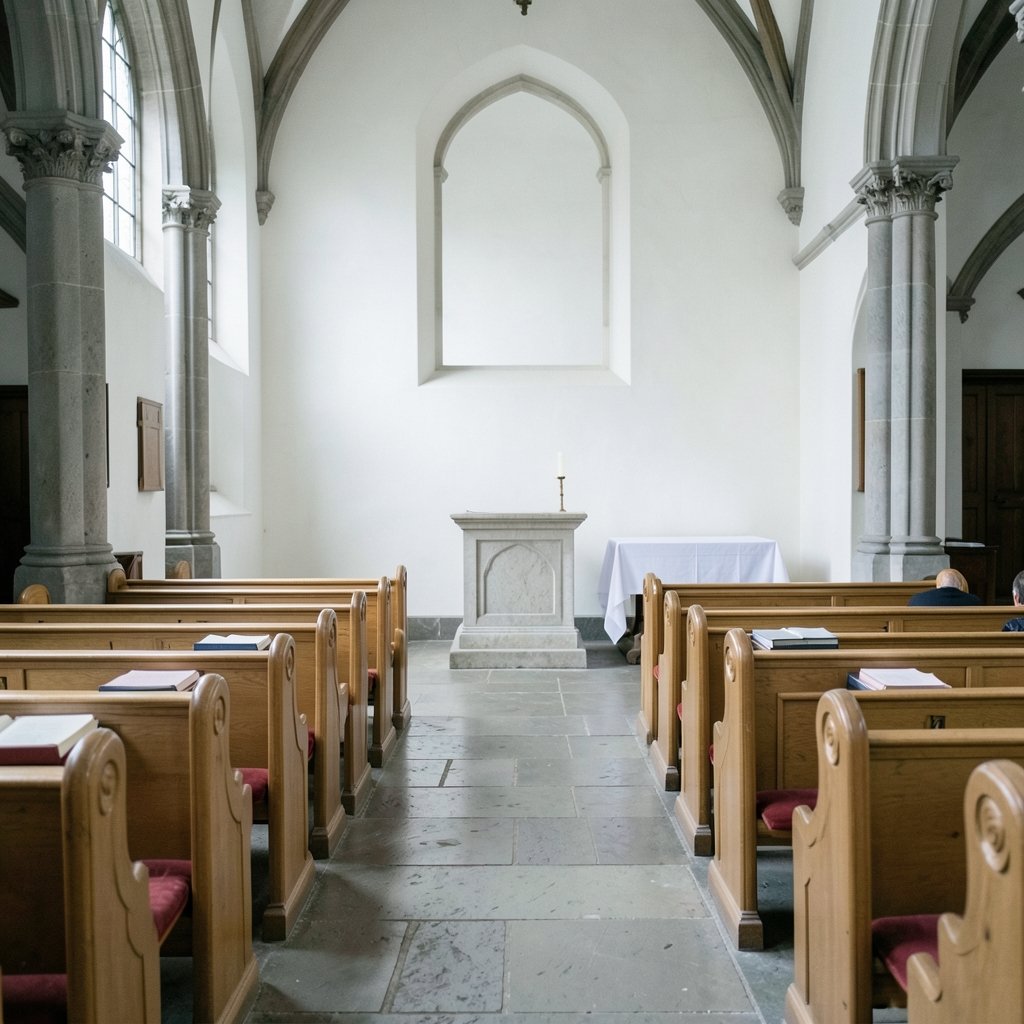
What does it actually mean to ask how to get to heaven from Belfast? The question sounds like the setup for a joke, and in a city with Belfast’s particular history, it often is one. But it is also a real question asked by real people, in hospital corridors, at gravesides, in church pews and on late-night bus rides home. The answer depends entirely on who is answering.
Belfast is a city where religion has shaped streets, schools and surnames for generations. That makes the question unusually loaded. It also makes it worth taking seriously, without pretending there is one tidy answer.
Why the question is more complicated in Belfast than elsewhere
In most cities, asking about heaven is a private matter. In Belfast, it carries extra weight. The city’s sectarian history means religious identity has often been tied to politics, housing and football allegiance rather than to belief. Plenty of people in Belfast describe themselves as culturally Protestant or culturally Catholic while attending church rarely or never.
That gap between identity and belief matters. When someone asks how to get to heaven, they may be asking a theological question. They may also be asking how to reconnect with a tradition they drifted from, or how to make peace with a family member’s death, or how to settle a fear that has been nagging since childhood.
Practical tip: before answering, work out which question is being asked. A theological answer given to a grieving person lands badly. A comforting answer given to someone genuinely curious about doctrine feels evasive. Ask a follow-up question first. It saves a lot of awkwardness.
The Christian answer, in its main Belfast flavours
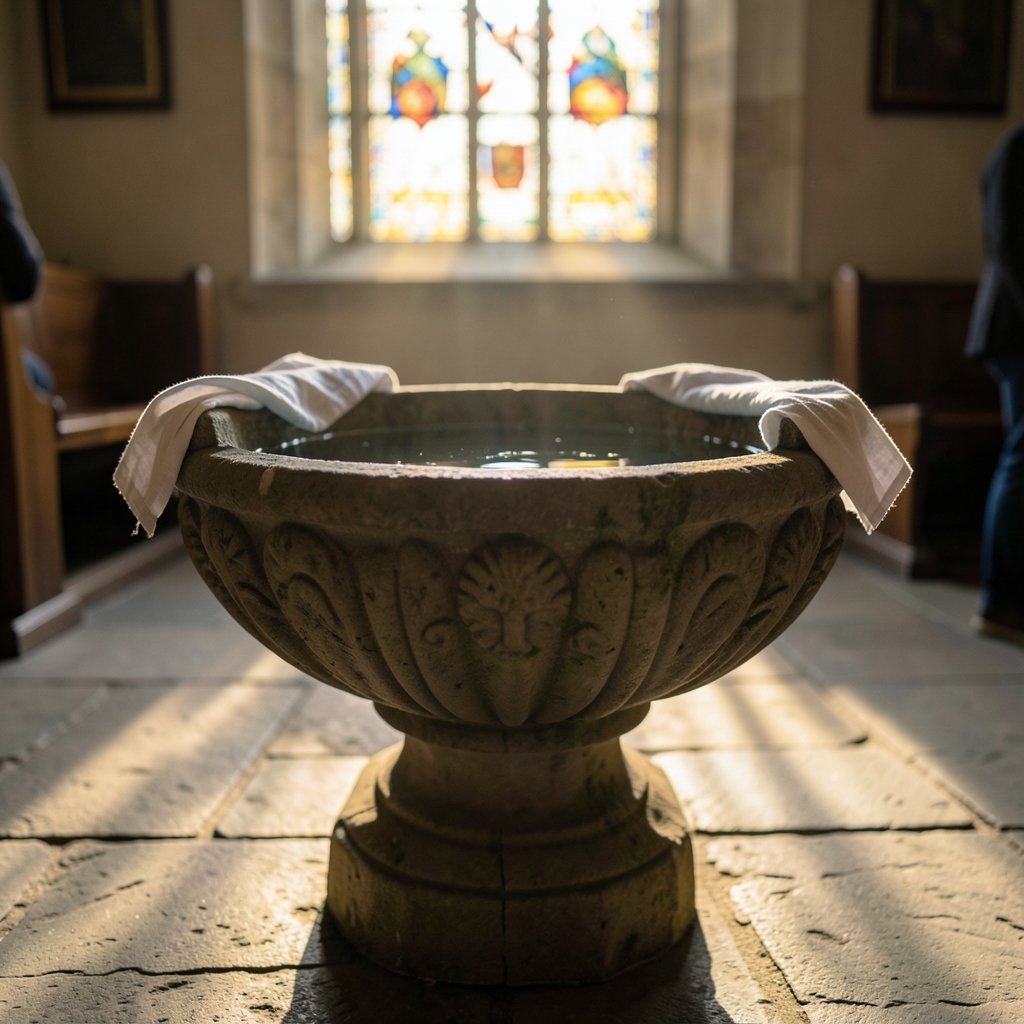
Christianity remains the dominant religious framework in Northern Ireland, and the main denominations present in Belfast give broadly similar answers to the core question, even where they differ sharply on detail.
Catholic teaching
Catholic teaching holds that salvation comes through God’s grace, received through faith and the sacraments. Baptism begins the life of grace. Confession, the Eucharist and a life of charity sustain it. Heaven is understood as communion with God, not a reward for good behaviour. A Catholic priest would typically point to the sacraments and to reconciliation with others as the practical path. (Catechism of the Catholic Church)
Protestant teaching
The main Protestant churches in Belfast, including Presbyterian, Church of Ireland, Methodist and Baptist congregations, emphasise salvation by grace through faith in Christ rather than through sacraments or personal merit. The precise wording varies. Some traditions stress a definite conversion moment. Others stress covenant belonging, baptism and a lifelong discipleship.
Where they agree
Almost every Christian tradition in Belfast agrees on three things. Heaven is not earned. Repentance matters. And how you treat other people is not optional. The disagreements are real, but they sit inside a shared frame.
| Tradition | Core emphasis | Typical practical advice |
|---|---|---|
| Catholic | Grace through sacraments and faith | Baptism, confession, Eucharist, charity |
| Presbyterian | Grace through faith, covenant belonging | Faith, scripture, discipleship |
| Church of Ireland | Grace through faith, sacramental life | Prayer, worship, sacraments |
| Methodist | Grace, personal and social holiness | Faith, repentance, good works |
| Baptist | Personal faith and believer’s baptism | Conversion, scripture, church community |
What “getting to heaven” actually asks
Here is where a lot of confusion creeps in. People often imagine heaven as a destination with a route, like a bus timetable. That framing is not really how any major tradition describes it.
The better framing is relational. The question is less “what is the route” and more “what kind of relationship am I building, and with whom.” That shift changes the practical advice completely. Instead of hunting for a checklist, the emphasis falls on prayer, honesty, community and repair of broken relationships.
Common mistake: treating heaven as a reward scheme. Almost every Belfast minister and priest would push back on that. If heaven were a reward for good behaviour, the whole thing collapses into scorekeeping, and nobody wins that game. (Heaven)
The practical steps people actually take
For someone in Belfast who wants to move from vague belief to something more grounded, the realistic steps look like this.
- Talk to a clergyperson. Every denomination in the city has clergy who take enquiries seriously. You do not need to be a member, and you do not need to have your questions tidy.
- Attend a service without committing. Sunday services are open. Sitting at the back is allowed.
- Read one Gospel straight through. Not a commentary, not a devotional, just the text.
- Find a person to talk to honestly. Isolation makes big questions heavier than they need to be.
- Deal with the relationships you already know are broken. This is the step most people skip and the one that matters most.
The fifth step is where the theory meets the street. It is easy to discuss doctrine for years while avoiding a conversation with a sibling. Almost every tradition in the city would say the second thing is the real work.
What happens if you are not religious
Belfast has a growing secular population, and the question deserves an answer that does not assume faith. For someone outside religion, “getting to heaven” usually translates into something else: making peace with mortality, living in a way you can defend, and leaving things better than you found them.
Secular thinkers would reframe the question as one about meaning rather than destination. The practical advice is similar in shape. Be honest. Repair what you can. Show up for people. Accept that some questions do not resolve neatly, and that living well with uncertainty is itself a skill.
There is no need to force a religious answer onto someone who does not want one. The question is generous enough to hold both.
Grief, death and the questions underneath
A large share of people asking about heaven are not really asking about theology at all. They are grieving. In that case, the most useful thing is not a doctrinal lecture but presence, practical help and permission to feel whatever they feel.
Bereavement support in Northern Ireland is available through hospices, GP surgeries and community organisations, and it is worth pointing people toward it rather than trying to answer everything yourself. If a conversation about heaven is really a conversation about loss, say so gently and stay in it.
Practical tip: if someone asks you this question shortly after a death, do not lead with doctrine. Ask what the person they lost was like. Let them talk. The theology can come later, and often it does, on its own.
The cultural and humorous answer
Belfast has a strong tradition of dark humour, and the question is frequently a joke. The standard punchlines involve the difficulty of the journey, the state of the roads, or the assumption that heaven is somewhere you would need directions to reach. It is worth knowing that the joke exists, because taking it too solemnly is its own kind of mistake.
The humour is not really avoidance. It is a way of handling big subjects without becoming unbearable. That is a genuinely useful skill, and it is one Belfast has in abundance. For a sense of how the city handles its own stranger stories, there is a good read on stranger than heaven we actually know about scrapped showbiz.
Common mistakes people make
A few patterns come up again and again when this question gets discussed seriously.
- Assuming there is one official answer. There is not, even within a single denomination.
- Treating church attendance as a transaction. It is not a loyalty card.
- Waiting until a crisis to think about it. Crisis is a bad time to start reading.
- Confusing cultural identity with belief. They are different things and both are legitimate.
- Arguing doctrine with someone who is grieving. Read the room.
Each of these is easy to spot in hindsight and hard to spot in the moment. The simplest safeguard is to ask what the other person actually wants from the conversation.
If you are the one asking
If you are the person with the question, a few things help. Be specific about what you want. Do you want a doctrinal answer, a listening ear, or a practical next step? Say which.
Give yourself time. Nobody resolves this in an afternoon, and the traditions themselves have spent two thousand years arguing about it. You are allowed to be uncertain for a while.
And if the question arrives alongside a practical problem, deal with the practical problem too. Big questions are easier to carry when the small things are working. If a device is adding friction to your week, a fix like the one in this bluetooth earbuds microphone muffled pc fix it fast guide is trivial by comparison, but clearing small irritations genuinely frees up headspace for the larger ones. The same goes for a robot vacuum wheel stuck error it happens fix it fast situation that keeps interrupting your morning. Not everything is profound, and that is fine.
Conclusion
How to get to heaven from Belfast has no single answer, and anyone who claims otherwise is selling something. The Catholic answer centres on grace and sacraments. The Protestant answer centres on grace and faith. The secular answer reframes the question around meaning and repair. The humorous answer deflects it entirely, which is sometimes the wisest move available.
What the traditions in this city do share is a conviction that the question is worth asking, and that how you treat people along the way is not a side issue but the main event. Whether or not you believe in a destination, the route is walked in the same way: honestly, with other people, and with a willingness to repair what is broken.
That is a decent answer for Belfast. It is also a decent answer anywhere.
Frequently asked questions
Do you have to be religious to get to heaven?
Not according to most secular framings, which treat the question as being about meaning and how you live rather than about membership. Religious traditions generally tie salvation to God’s grace rather than to formal membership, though they differ on what response that grace requires.
Which Belfast church should you approach first?
Start with the tradition you already have a family or cultural connection to, even a loose one. Familiarity lowers the barrier. If you have no connection at all, Church of Ireland and Presbyterian congregations tend to be used to enquiries from people with no church background.
Is the question offensive?
No, though tone matters. Asked sincerely, it is a normal question and clergy hear it regularly. Asked mockingly in the wrong setting, it can land badly, particularly with someone recently bereaved.
What if you are grieving rather than curious?
Then the answer is support, not doctrine. Bereavement services through GP surgeries, hospices and community organisations exist for exactly this, and they are free. Talk to someone trained to help rather than relying on a search engine.
Can you explore this without committing to a church?
Yes. Services are open to visitors, reading a Gospel costs nothing, and most clergy will meet someone for a conversation without any expectation of membership. There is no obligation created by asking a question.
Does where you live in Belfast change the answer?
Not theologically. Practically, it can shape which churches are convenient and which cultural assumptions you grew up around. The substance of the answer is the same on the Falls Road as on the Newtownards Road.



