
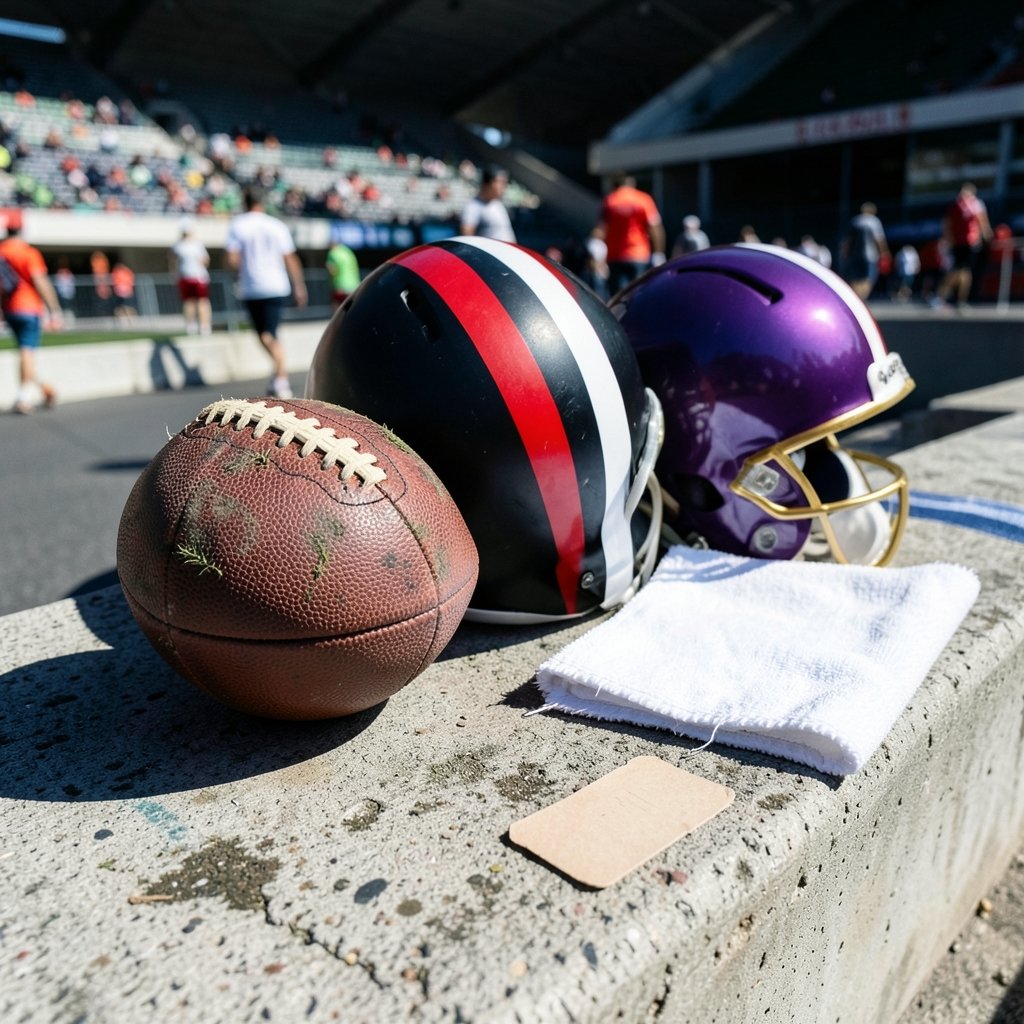
What do you get when you put the Atlanta Falcons and the Minnesota Vikings on the same field? Two franchises that have rarely met, almost never in the biggest moments, and yet somehow always deliver games that feel like they matter more than they should. The Falcons vs Vikings series is one of the NFL’s stranger rivalries: no long geographic hatred, no trophy passed back and forth, just a handful of memorable afternoons and a statistical record that has swung back and forth for decades.
This article breaks down the matchup from every angle that actually helps a fan or bettor: the all-time series shape, the playing styles that decide these games, the players who have shaped them, and the practical things people get wrong when they try to read too much into a single result.
Why the Falcons vs Vikings series matters even without a trophy
Most NFL rivalries are built on geography or playoff history. Falcons vs Vikings has neither in abundance. Atlanta plays in the NFC South; Minnesota plays in the NFC North. They meet roughly every three or four seasons under the NFL’s rotating schedule formula, plus the occasional bonus game when both teams finish in the same place in their divisions.
That scheduling quirk is the first thing to understand. Because these teams see each other so rarely, the series has never developed the muscle memory that makes, say, Packers vs Bears feel inevitable. Instead, each Falcons vs Vikings game tends to arrive as a standalone event, often with playoff implications for one side and nothing at stake for the other.
The result is a series where context matters more than tradition. A Vikings team fighting for a division title in December plays a very different game against Atlanta than a Minnesota team locked into a wild-card spot in October.
The all-time series at a glance

The head-to-head record between Atlanta and Minnesota has been competitive rather than lopsided, which is part of what makes the matchup interesting to dig into. Rather than rely on memory, the reliable move is to check a maintained record source such as Pro Football Reference’s Falcons franchise page, which logs every opponent result and updates the head-to-head totals each season. That is the standard reference fans and analysts use for series records, and it is worth bookmarking if you follow this matchup closely. (American football)
| Category | Atlanta Falcons | Minnesota Vikings |
|---|---|---|
| Conference | NFC | NFC |
| Division | NFC South | NFC North |
| Typical meeting frequency | Every 3-4 seasons | Every 3-4 seasons |
| Home venue type | Indoor, fixed roof | Indoor, fixed roof |
| Historical identity | Speed, passing, dome offense | Defense, running game, physical fronts |
One pattern stands out when you scan the series: the home team has generally held serve. Both franchises have spent most of their modern existence playing indoors, and both have built rosters suited to fast, controlled conditions. That makes the venue a bigger factor than the logos.
Playing styles: speed versus structure
The tactical story of Falcons vs Vikings is a contrast in organizational philosophy.
Atlanta’s best teams have been built around pace and space. The Falcons’ most successful era featured a high-tempo offense that spread defenses horizontally, forced linebackers into coverage, and asked the quarterback to make quick, precise reads. When that machine is humming, the Vikings’ traditional strength, a disciplined, physical defense, gets stretched in ways it does not like.
Minnesota’s best teams have gone the other way. The Vikings have historically leaned on a strong front seven, a run game that controls tempo, and play-action passing built off that run threat. Against a fast but lighter Atlanta defense, that formula can grind out long drives and keep the Falcons’ offense off the field.
What usually decides these games
Three factors tend to separate winners in this matchup:
- Third-down efficiency. Both teams have historically been good at scripting early downs. The game often turns on which offense converts the handful of third-and-medium situations in the second half.
- Turnover margin. With so little familiarity between the rosters, disguised coverages create mistakes. The team that protects the ball usually wins.
- Red zone finishing. Field goals instead of touchdowns is the classic way to lose a game you otherwise controlled.
If you want to study how these factors actually show up in the box score, breaking down a full Detroit Lions vs Minnesota Vikings player stats report is a useful exercise, because it shows the same Vikings tendencies against a division opponent that knows them well.
Players who have defined the matchup
Individual performances carry extra weight in a series this infrequent, because a single great game can tilt the record for years.
At quarterback, both franchises have cycled through eras rather than enjoyed one long dynasty. Atlanta’s most productive stretches came from accurate, rhythm passers who thrived in structured systems. Minnesota’s best seasons have often come from quarterbacks who could extend plays and punish blitzes, pairing arm strength with mobility.
At the skill positions, the contrast is sharper. Atlanta has typically fielded smaller, faster receivers who win with route detail. Minnesota has favored bigger pass catchers who win contested balls and block in the run game. That difference shows up most clearly on third down, where the Falcons want space and the Vikings want a body between the defender and the ball.
Defensively, the Vikings have long been associated with disciplined front-seven play and aggressive blitz design. The Falcons’ better defenses have relied on speed and pursuit, which works beautifully against slower offenses and can get exposed by a patient run game.
Common mistakes fans make when reading this matchup
Experience watching this series produces a few recurring errors. These are the ones that actually cost people accuracy.
Assuming the series record predicts the next game
It does not. Because the teams meet so rarely, the all-time record is a historical artifact, not a predictive tool. Rosters turn over almost completely between meetings. A result from six seasons ago tells you almost nothing about a game played today.
Ignoring the venue
Both teams play indoors at home, but the travel and crowd factors still matter. A dome team traveling to a loud indoor environment can struggle with silent counts. Check where the game is played before forming an opinion.
Overweighting one blowout
Blowouts in low-frequency series get remembered disproportionately. A 30-point win in one meeting does not mean the matchup is permanently lopsided. Look at the last several games as a group.
Forgetting the schedule context
A Week 3 meeting and a Week 16 meeting are different sports. Rest, injuries and playoff stakes change game plans dramatically. A team with nothing to play for in December may rest starters; a team fighting for a bye will empty the playbook.
Treating a defensive struggle as a fluke
Low-scoring games are a feature of this matchup, not a bug. Two disciplined defenses facing offenses that rely on timing often produce exactly that.
How to read a Falcons vs Vikings box score like an analyst
If you want to go beyond the final score, a structured approach helps. Here is a practical sequence that works for any game in this series.
- Start with time of possession and plays run. A big gap tells you which team controlled tempo.
- Check third-down and red-zone conversion rates. These two numbers explain most close games.
- Look at yards per play, not total yards. Total yards reward volume; efficiency decides games.
- Review turnover locations. A turnover deep in opponent territory is worth far more than one at midfield.
- Scan sack and pressure numbers. Pressure rates reveal whether the offensive line held up.
- Compare rushing success rate by quarter. The Vikings’ run game typically gets stronger as the game wears on.
This same method works across the league. Applying it to a Buffalo Bills vs Atlanta Falcons player stats breakdown, for example, shows how an AFC opponent’s different style exposes or masks the same Atlanta tendencies. (National Football League official site)
Historical and cultural context: falcons and Vikings beyond football
The name pairing has a life outside the NFL, and it is worth a short detour because it explains why the matchup sounds so dramatic.
The word Viking refers to Norse seafarers and raiders active roughly between the late eighth and eleventh centuries. Their reputation in medieval Europe was built on mobility, surprise and seaborne reach, which is exactly the branding the Minnesota franchise leaned into when it adopted the name in 1960.
Falcons carry a different symbolic weight. Falconry, the practice of hunting with trained birds of prey, was for centuries a marker of wealth and status across Europe and the Middle East. The birds themselves became emblems of speed, precision and controlled aggression, which is why so many sports teams, including Atlanta’s, adopted the falcon as an identity.
So the phrase “falcons vs vikings” works on two levels: a modern football matchup and an older contrast between two very different kinds of power, one based on disciplined hunting skill and one based on raiding reach. That contrast is part of why the team names feel so vivid together.
What actually decides the next Falcons vs Vikings game
Strip away the history and the next meeting will likely come down to a short list of practical questions.
Can the Falcons protect the quarterback? Atlanta’s offense depends on rhythm. If the Vikings’ front generates pressure with four rushers, the Falcons’ timing breaks down and the offense stalls.
Can the Vikings run the ball on early downs? Minnesota’s play-action game only works if the run threat is real. If Atlanta’s defensive front holds up on first and second down, the Vikings become one-dimensional.
Who wins the middle eight? The stretch at the end of the first half and start of the second is where these games are usually decided. A team that scores before halftime and again on its first drive of the third quarter takes control of tempo.
Which team avoids the catastrophic mistake? In a series with limited familiarity, disguised coverages and blitz packages create confusion. One interception returned for points often settles it.
Reading the broader NFC picture
Because the two teams sit in different divisions, their games against common opponents often matter more than their head-to-head result. A Falcons win over the Vikings matters less than how each team performs against its own division rivals.
That is why fans tracking playoff odds should look at division games first. For Atlanta, that means the NFC South slate. For Minnesota, it means the NFC North. A useful comparison point is a Minnesota Vikings vs Chicago Bears player stats review, which shows how Minnesota’s tendencies hold up against a familiar division opponent with a very different defensive scheme.
The same logic applies to tiebreakers. Head-to-head results only matter when teams finish with identical records, and conference record usually comes first. A single Falcons vs Vikings game rarely decides a season, but it can decide a tiebreaker.
Conclusion
The Falcons vs Vikings matchup is not a rivalry in the traditional sense, and that is exactly what makes it worth studying. Two franchises with contrasting identities meet rarely enough that every game carries a sense of novelty, yet often enough that clear patterns emerge: indoor venues, disciplined defenses, and games decided by third downs and turnovers.
For fans, the practical takeaway is simple. Ignore the all-time record as a predictor. Watch the venue, the schedule context and the third-down numbers. And when a game in this series turns into a defensive grind, do not treat it as an anomaly. It is the matchup doing what it has always done.
Frequently asked questions
How many times have the Falcons and Vikings played each other?
The two franchises have met a few dozen times since Atlanta joined the NFL in 1966, with the exact total rising each season as the rotating schedule produces new meetings. Because they sit in different divisions, they meet roughly every three to four seasons rather than twice a year. For the current, updated figure, a maintained franchise record page is the most reliable source.
Who leads the all-time series between Atlanta and Minnesota?
The series has been closely contested across its history, with the lead changing hands during different eras. Rather than rely on a snapshot, check a current head-to-head record, since the total shifts with every meeting. What matters more for prediction is recent form and roster construction, not the historical tally.
Why do the Falcons and Vikings play so rarely?
The NFL schedule rotates inter-division matchups on a fixed cycle. Each team plays its own division twice, one entire division from the other conference, and one entire division from its own conference on a rotating basis. Atlanta and Minnesota only meet when the rotation pairs the NFC South with the NFC North, or when both finish in the same position in their divisions.
Do the Falcons and Vikings have a playoff history?
They have met in the postseason only rarely, which is a big reason the rivalry never developed the intensity of division matchups. Most of their meetings have come in the regular season, often with playoff implications for one team but not both. That limited postseason exposure keeps the series feeling fresh rather than bitter.
What style of play usually wins this matchup?
Historically, the team that controls tempo wins. That usually means the side that runs the ball effectively on early downs, converts third-and-medium situations, and protects the football. Atlanta’s best performances have come when it dictates pace with quick passing, while Minnesota’s best games have come when its front seven dominates and the run game shortens the game.
Are the Falcons or Vikings usually favored?
There is no permanent favorite in this series. Odds depend on the season, the venue and current form, and they shift with injuries and schedule position. Because the teams meet so infrequently, oddsmakers have less head-to-head data to work with, which can produce lines that move more than usual once news breaks.



