

What makes a regional classifieds site so sticky that people in one state check it before they check the big national marketplaces? For a lot of residents along the Wasatch Front, the answer is KSL Classifieds. It is the local buy-and-sell board that grew out of a Salt Lake City broadcast station and turned into something closer to a daily habit than a website. This guide walks through what it is, how it works, where it shines, and the mistakes that trip up first-time buyers and sellers.
What KSL Classifieds Actually Is
KSL Classifieds is the classified advertising section of KSL.com, a website operated by Bonneville International, which is owned by The Church of Jesus Christ of Latter-day Saints. The site traces its roots to KSL-TV and KSL NewsRadio in Salt Lake City, Utah, and the classifieds grew alongside that broadcast brand rather than as a standalone startup. That history matters more than it might seem: the classifieds inherited a trusted local name, and trust is the whole currency of peer-to-peer selling.
The platform covers the categories you would expect from a full-service classifieds board: vehicles, real estate, jobs, home goods, electronics, outdoor gear, and general merchandise. It functions as a regional marketplace rather than a national one, which shapes everything about how people use it. Listings skew toward Utah and neighboring communities, so the pool of buyers and sellers is smaller and more local than what you would find on a coast-to-coast site.
Why Local Buyers and Sellers Keep Coming Back
The appeal is not complicated. A regional marketplace solves a problem that giant national sites struggle with: distance. When most of the listings are within a reasonable drive, a buyer can actually go look at the item, and a seller can actually hand it over. That proximity cuts down on shipping costs, payment risk, and the awkwardness of coordinating across time zones.
There is also the local trust factor. Because KSL.com is tied to a familiar broadcast outlet, people in the region tend to treat the classifieds as a known quantity. That is not the same as a guarantee, and it does not replace caution, but it does lower the mental barrier to posting a listing or messaging a stranger about a used truck.
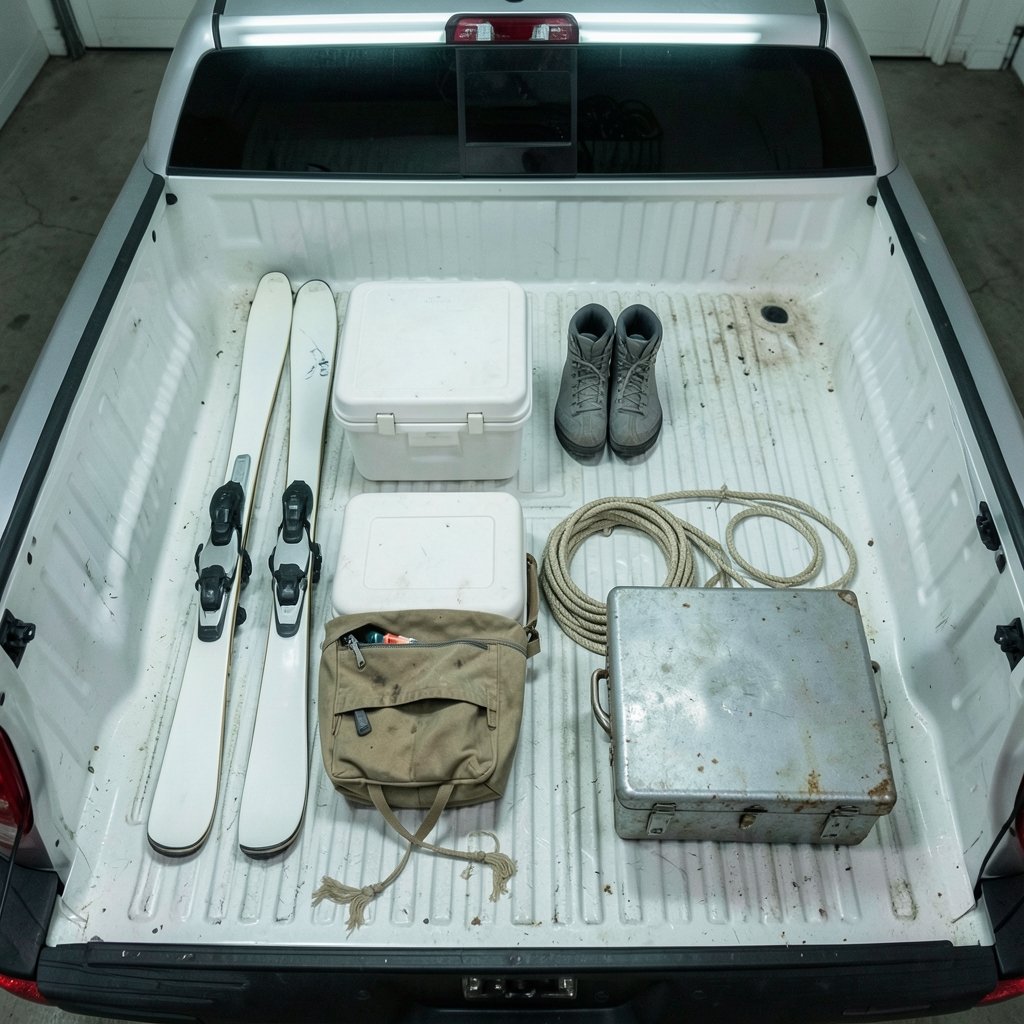
A third draw is category depth. In a market where a lot of people commute, hunt, ski, boat, and remodel homes, the classifieds fill up with exactly those kinds of goods. Outdoor gear, vehicles, and home improvement supplies move quickly because the local culture generates steady supply and demand for them.
How the Buying Process Works in Practice
Buying on KSL Classifieds is straightforward, but the details are where people get burned. Here is a practical sequence that works.
- Search with intent. Use specific keywords and filter by category and location. A search for “truck” returns noise; a search for the make, model, and year returns candidates.
- Read the listing like a skeptic. Look at how many photos there are, whether the description is specific, and whether the seller answers basic questions. Vague listings are a warning sign.
- Message before you commit. Ask about condition, history, and availability. A seller who dodges questions is telling you something.
- Meet in a safe, public place. For smaller items, a busy parking lot during daylight hours is standard practice. For vehicles, arrange a meeting where a mechanic can look at the car.
- Inspect in person. Never rely on photos alone for anything expensive. Photos hide scratches, rust, and problems.
- Handle payment carefully. Cash in person is the simplest and safest option for most transactions. Be wary of anyone who wants to overpay, asks you to wire money, or pushes you off the platform to a payment app you do not recognize.
That last point deserves emphasis. Advance-fee and overpayment scams are the most common fraud pattern in peer-to-peer selling, and they work the same way on any classifieds site. The tell is almost always the same: someone offers more than the asking price, then asks you to send back the difference or pay a “shipping agent.” Legitimate local buyers do not do that.
How Selling Works, and What Separates Listings That Move
Selling is where effort pays off most directly. Two sellers can list the same item and get very different results, and the gap usually comes down to presentation and pricing.
Photos do most of the work. A clean, well-lit photo of the actual item beats a stock image or a dim snapshot every time. Take several angles, include close-ups of any wear, and show the item in use if that helps. Buyers scroll fast, and the first photo decides whether they stop.
Write a description that answers questions before they are asked. Include condition, age, dimensions, what is included, and why you are selling. Mention any flaws honestly. A listing that admits a scratch builds more trust than one that pretends the item is flawless.
Price realistically. Check what comparable items are actually selling for, not what optimistic sellers are asking. A slightly competitive price moves an item in days; an inflated one sits for weeks and gets buried.
Respond quickly. The first seller to reply to an interested buyer usually wins. Slow responses are the single most common reason a listing goes cold.
Renew or refresh stale listings. A listing that has been up for weeks without interest needs a price change or better photos, not more patience.
One more practical note: buyers on a local marketplace often ask for the same details over and over. Writing a short “frequently asked” line into the description, like the item’s exact dimensions or whether delivery is possible, saves both sides time.
The Realistic Limits of a Regional Marketplace
KSL Classifieds is not the right tool for every job, and pretending otherwise sets people up for frustration. The biggest limitation is reach. If you are selling a niche item that only a handful of collectors want, a regional audience may simply be too small. National platforms and specialty forums can outperform a local board for rare goods.
There is also the matter of category fit. Some categories are deep and active; others are thin. A seller listing a specialty item in a slow category may wait a long time, no matter how good the listing is.
And then there is the general reality of peer-to-peer commerce: you are dealing with strangers. No platform can fully screen every buyer and seller. The site can provide structure and a local reputation, but the judgment calls, the inspection, and the payment decisions remain yours.
Common Mistakes That Cost People Time and Money
A few patterns show up again and again, and avoiding them is mostly about slowing down.
- Skipping the in-person inspection on vehicles and expensive electronics. Photos are a starting point, not proof.
- Paying a deposit before seeing the item. A deposit to “hold” an item for a stranger is a common way to lose money.
- Ignoring red flags in communication. Poor grammar, urgency, and refusal to meet in person are classic warning signs.
- Listing without enough photos. Under-photographed listings get skipped, full stop.
- Overpricing out of attachment. What you paid is not what the market will pay.
- Meeting in private or isolated locations. Public, daylight meetings are the standard for a reason.
None of these are exotic. They are the ordinary slips that turn a smooth transaction into a headache, and each one is easy to avoid with a little discipline.
How KSL Classifieds Compares to National Marketplaces
It helps to see the trade-offs side by side.
| Factor | KSL Classifieds | National marketplaces |
|---|---|---|
| Audience | Regional, concentrated in Utah and nearby | Coast-to-coast |
| Best for | Local pickup, vehicles, outdoor gear, home goods | Rare items, broad reach, shipped goods |
| Trust signal | Tied to a familiar local broadcast brand | Varies by platform and seller ratings |
| Transaction style | Mostly in-person, cash-friendly | Often shipped, platform-mediated payment |
| Main weakness | Smaller pool of buyers | Distance and shipping friction |
The takeaway is not that one is better. It is that they solve different problems. A regional board is excellent when the item is common locally and the buyer can drive to it. A national site wins when the item is rare or the buyer pool needs to be large. (USA.gov: File a consumer complaint)
Practical Tips for Getting More Out of the Platform
A few habits separate smooth users from frustrated ones.
Save searches and check regularly. Good items move fast, and the people who check often get first pick.
Keep communication on the platform until you trust the other party. Moving to a personal number or an unfamiliar app too early removes the record of the conversation.
Bring a friend for high-value meetups. It is simple, and it changes the dynamic.
Know the value of what you are buying. For vehicles especially, a quick check of market prices and a pre-purchase inspection protect you far better than any listing photo.
Document the handoff. A quick photo of the item and a note of the sale terms protects both sides if something goes wrong later.
If you are also shopping for the memory card that goes into the camera or dash cam you just bought on the classifieds, it is worth knowing how speed ratings differ, so a look at which SD card speed class your camera actually needs can save you from overpaying for specs your device cannot use.
Conclusion
KSL Classifieds works because it does one thing well: it connects local buyers and sellers inside a trusted regional brand. It is not a national marketplace, and it does not try to be. For vehicles, outdoor gear, home goods, and the everyday items that change hands between neighbors, that local focus is exactly the point. The platform rewards people who show up prepared: clear photos, honest descriptions, realistic prices, fast replies, and a healthy skepticism about anything that smells like a scam. Treat it as a local tool with local limits, do the in-person work, and it will serve you well.
Frequently Asked Questions
What is KSL Classifieds?
KSL Classifieds is the classified advertising section of KSL.com, a website operated by Bonneville International, which is owned by The Church of Jesus Christ of Latter-day Saints. It grew out of the KSL broadcast brand in Salt Lake City, Utah, and serves as a regional marketplace for vehicles, real estate, jobs, and general merchandise.
Is KSL Classifieds free to use?
The platform has historically offered free listings for many categories, with paid options for certain placements and vehicle listings. Because fee structures can change, sellers should confirm current pricing on the site before posting rather than assuming yesterday’s rules still apply.
What sells best on KSL Classifieds?
Vehicles, outdoor gear, home improvement supplies, furniture, and electronics tend to move well because local demand for those categories is steady. Items that are common in the region and easy to inspect in person perform better than rare specialty goods that need a national buyer pool.
How do I avoid scams on KSL Classifieds?
Meet in public during daylight, inspect items in person before paying, and be suspicious of anyone who offers to overpay or asks you to wire money or send back a difference. Keep conversations on the platform until you trust the other party, and never pay a deposit before seeing the item.
Can I sell a car on KSL Classifieds?
Yes. Vehicles are one of the strongest categories on the platform. Sellers should include multiple clear photos, the mileage, service history, and any known issues, and buyers should arrange a pre-purchase inspection with a mechanic before completing the sale.
How is KSL Classifieds different from national marketplaces?
The main difference is reach. KSL Classifieds concentrates buyers and sellers in Utah and nearby communities, which makes in-person pickup easy and cuts shipping costs. National marketplaces offer a much larger audience, which helps with rare items but adds distance and shipping friction.



