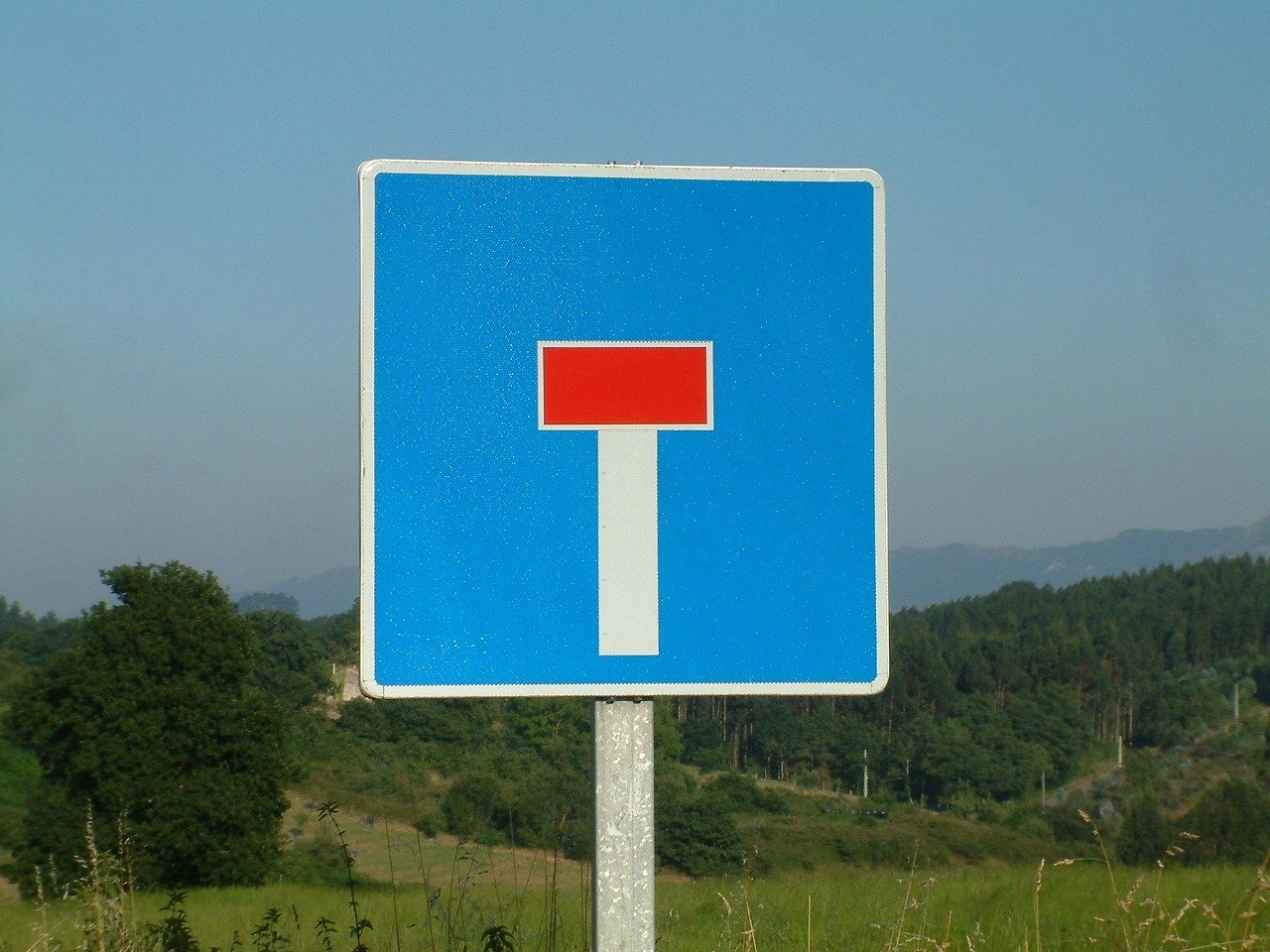
What do you picture when you read “the end of Oak Street”? A dead-end sign at dusk? A demolished block? A song lyric? That is the trouble with this phrase. It has no single owner. Depending on who is typing it, “the end of Oak Street” can mean a street that physically stops, a neighborhood that changed, a story that closed, or a piece of music someone half-remembers. This article sorts out those threads, explains why the phrase is so ambiguous, and shows how to pin down the version you actually care about.
Why “the End of Oak Street” Means Different Things to Different People
Oak Street is one of the most common street names in the English-speaking world. Nearly every town of any size has one, often several. That sheer repetition guarantees confusion. When someone searches for “the end of Oak Street,” they may be chasing any of the following:
- A dead-end or cul-de-sac where the road physically terminates
- A street closure, renaming, or demolition covered in local news
- A song, album, or book with that title or a similar line
- A neighborhood boundary where Oak Street marks the edge of a district
- A personal memory of a street that no longer looks the way it did
None of these is wrong. The phrase is simply a container that different people fill differently. The practical fix is to add one more word to the search: a city, an artist, an author, or a year. That single detail usually cuts the noise by ninety percent.
The Physical End: Dead Ends, Cul-de-Sacs, and Street Stubs
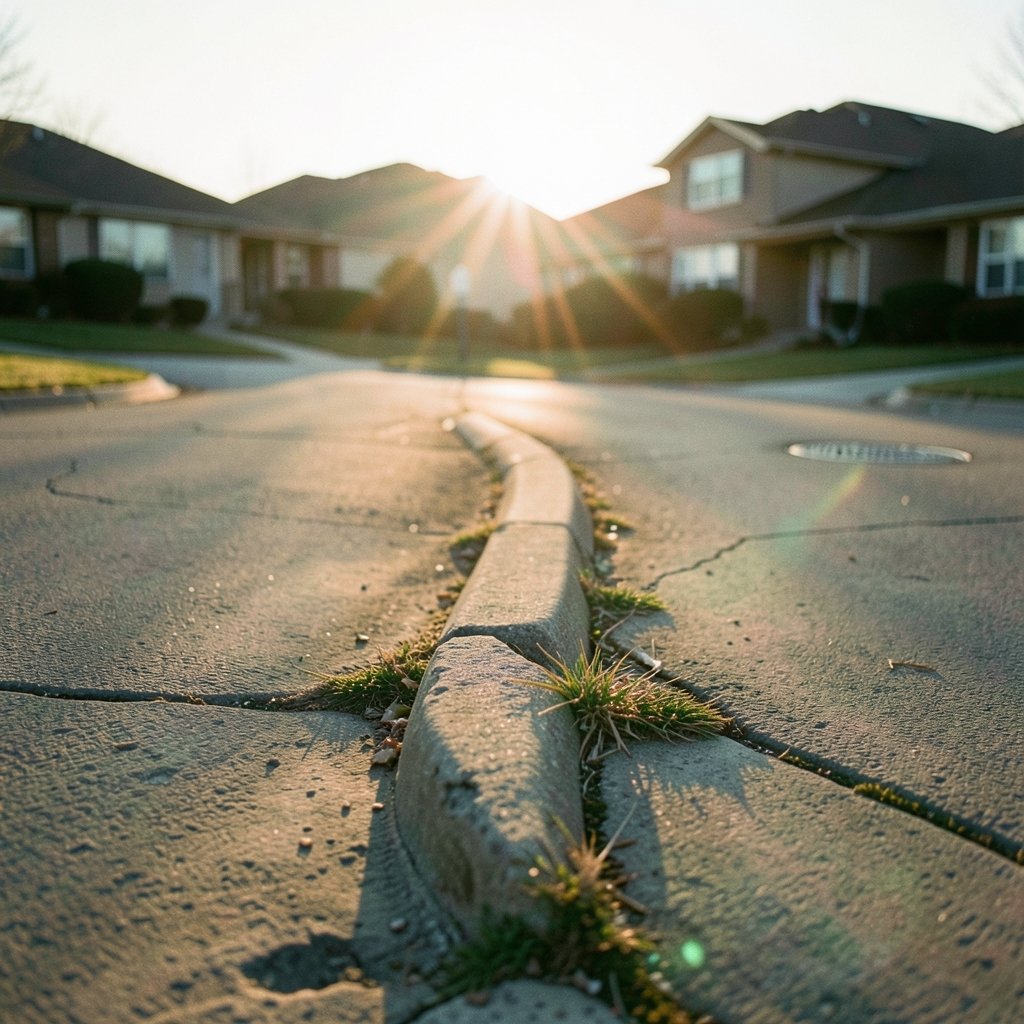
Start with the most literal reading. Many Oak Streets end in a cul-de-sac, a rounded turnaround that stops traffic. Others end in a stub, a short unfinished segment that stops at a property line, a rail corridor, or a drainage channel.
Why do streets end this way? A few common reasons:
- Development phasing. A road is built to serve the first phase of a subdivision. Later phases never arrive, so the road ends where the money ran out.
- Topography. A slope, creek, or floodplain makes continuation expensive or unsafe.
- Right-of-way limits. The land beyond belongs to someone who will not sell, so the street stops at the property line.
- Traffic calming. Planners deliberately break up long grid streets to slow cars and reduce cut-through traffic.
If you are trying to find where a specific Oak Street ends, the fastest route is a municipal GIS or parcel viewer, usually hosted by the city or county. These tools show the official right-of-way rather than only the lines a map app draws. That distinction matters. Consumer maps sometimes render a paper street, one that exists on a plat but was never built, as if it were real pavement.
When a Street “Ends” Without Disappearing
A street can end without a single bulldozer showing up. Renaming is the quietest form of ending. A council vote, a 911 addressing review, or a post office consolidation can retire a name overnight while the asphalt stays put.
Closures work differently. A road may be vacated, a legal term meaning the public right-of-way is formally abandoned. Once vacated, the land can revert to adjacent owners or be sold. Residents often learn about this only when a fence appears. If you own property on a street facing a vacany proposal, the practical advice is unglamorous but effective: read the council agenda, attend the hearing, and submit a written comment. Vacations frequently pass on consent agendas with almost no public attention.
Demolition is the loudest ending. When a block of Oak Street comes down for a highway, a campus expansion, or flood buyouts, the street name may survive on signs while the street itself becomes a memory. Local newspapers and municipal planning archives are the best record of these events. They are also where rumors go to die, which is worth remembering before repeating a claim about a beloved block being “gone for good.”
The Cultural End: Songs, Stories, and the Oak Street in Your Head
A large share of searches for this phrase are not about pavement at all. They are about a song lyric, a book title, or a film scene. Popular music is full of streets that stand in for lost time, and Oak Street fits the meter and mood of a certain kind of American songwriting.
The trouble is that memory is imprecise. People routinely misremember titles, merging a real song with a similar-sounding one. Before concluding that a track called “The End of Oak Street” exists, try these checks: (Gentrification)
- Search the exact phrase in quotation marks alongside a genre or decade
- Check lyrics databases and streaming catalogs by title, not by remembered line
- Look for the phrase in book indexes and publisher catalogs
- Ask in a fan community for the medium in question
If nothing turns up, the phrase may be a composite memory, a mashup of a street name from one song and a closing theme from another. That happens more often than most people expect. It is not a failure of memory so much as a sign of how heavily street imagery is reused in popular culture.
Why Local Geography Beats Guesswork
Here is where practical experience saves time. People hunting for “the end of Oak Street” tend to make the same three mistakes.
Mistake one: trusting the first map result. Map apps vary in how they treat private roads, gated communities, and unbuilt plats. Cross-check with the county’s official records before you drive anywhere.
Mistake two: assuming one Oak Street. A single city can have an Oak Street, an Oak Avenue, an Oak Lane, and an Oak Court, sometimes in the same ZIP code. Addresses do not always disambiguate them.
Mistake three: treating a news headline as the whole story. A headline saying a street “closes” may describe a temporary construction closure, not a permanent vacation. Read the body of the article, and check the date.
What actually works is a short, boring checklist:
| Question | Where to look |
|---|---|
| Does the street physically end? | City or county GIS viewer |
| Is the name changing? | Council agendas and minutes |
| Is the right-of-way being vacated? | Planning department notices |
| Is there a news event? | Local paper archives, by date |
| Is it a song or book? | Catalog and lyric databases |
That table will resolve most searches in under ten minutes. If it does not, the phrase is probably cultural rather than geographic, and the next section applies.
The Technical Side: When Streets Vanish From Digital Maps
There is a modern twist worth knowing. Streets can end in the digital world before they end in the real one. Crowd-sourced map projects depend on volunteer edits, and a well-meaning contributor can mark a road as closed, rename it, or delete a stub that looks like an error.
If a map shows an Oak Street that your own eyes say exists, the fix is to check the official municipal dataset rather than the consumer layer. Cities publish authoritative street centerlines, and those files carry legal weight that a volunteer edit does not. For readers who want to understand how data moves securely between systems, a plain-language explainer on what end-to-end encryption is covers the underlying idea of protecting information in transit, which is the same principle behind verifying that a map update came from a trusted source.
Digital endings also matter for addressing. When a street is renamed, emergency services update their dispatch databases, but mail systems, utility records, and business listings lag behind for months. New residents on a renamed Oak Street often spend their first year correcting records. Keep a copy of the official renaming notice. It resolves arguments quickly.
Finding Your Oak Street: A Practical Method
If you have read this far and still want to locate a specific Oak Street ending, here is a method that works in almost any jurisdiction.
- Write down everything you know. City, state, nearby cross street, approximate decade, and how you heard the phrase.
- Search with the city name attached. Add a year if you have one.
- Open the county GIS viewer. Find the parcel, then look at the right-of-way layer.
- Check council and planning archives. Search the street name in meeting minutes.
- Search local news by date range. Not by relevance. Date filters surface the original story.
- Ask a local history group. Libraries and historical societies keep clippings that never made it online.
Step six is the one people skip, and it is often the one that pays off. Volunteer archivists know which Oak Street the town actually talks about, and they usually enjoy the question.
What the Phrase Teaches About Search Itself
There is a broader lesson buried in this topic. A phrase with no clear referent is not a dead end. It is an invitation to narrow. The same problem shows up constantly in technical searching, where vague terms return noise until you add a version number, a date, or a vendor name. Anyone who has chased a software lifecycle question knows the pattern; a guide to the Ivanti 22.8 R2 and 22.x end-of-life patch gap shows how a single specific detail turns a vague query into an answer. (Housing)
The same narrowing instinct helps with hobby searches too. Gamers looking for titles that run on modest hardware quickly learn that generic queries fail, while a curated list of the best PC games for low-end PCs gets them there faster. The skill is identical: identify the missing constraint, then add it.
And if your Oak Street question is really about setting up a screen or a workspace, the practical steps matter more than the theory. A clear guide to mounting a TV on the wall step by step is a good example of instructions that only work when every step is followed in order, which is also true of tracking down a street record.
Conclusion
The end of Oak Street is less a place than a puzzle. It might be a cul-de-sac, a renamed road, a vacated right-of-way, a demolished block, a song someone almost remembers, or a map error that outlived the truth. The phrase resists a single answer because Oak Street is everywhere and the “end” can be physical, legal, cultural, or digital.
What resolves the puzzle is not a better search engine. It is a better question. Add a city. Add a year. Add an artist or an author. Then check the official record before you trust the map, the headline, or your own recollection. Do that, and the end of Oak Street stops being a mystery and becomes a fact you can point to. The street may end, but the search does not have to.
Frequently Asked Questions
What does “the end of Oak Street” usually refer to?
Most often it refers to a physical dead end, a cul-de-sac, or a street stub where the road stops. A smaller but significant share of searches are about a song, book, or local news event. Adding a city name or a year to the search usually reveals which meaning applies.
How can I find where a specific Oak Street ends?
Open the city or county GIS viewer and look at the right-of-way layer. That shows the official street boundary rather than a consumer map’s rendering. Then confirm with planning department records if the street appears closed or renamed.
Why do so many towns have an Oak Street?
Oak is a common tree and a familiar, sturdy word, so it became a default choice for street naming across many English-speaking countries. The repetition is why searches for Oak Street topics return results from dozens of unrelated places.
What does it mean when a street is vacated?
Vacation is a legal process that removes public right-of-way status from a road. The land can then revert to adjacent owners or be sold. It is different from a temporary construction closure, which does not change ownership or legal status.
Can a street disappear from maps without being demolished?
Yes. Crowd-sourced maps rely on volunteer edits, and errors happen. A street may be marked closed or deleted while the pavement remains. Checking the municipal dataset is the reliable way to confirm what actually exists.
How do I search for a song called “The End of Oak Street”?
Put the exact phrase in quotation marks and add a genre or decade. Check lyric databases and streaming catalogs by title rather than by remembered line. If nothing appears, the phrase may be a composite memory blending two different songs.