

What actually happens inside your security operations center at 2 a.m. when an alert fires? That question separates managed detection and response (MDR) providers far more than any feature checklist. CrowdStrike, Sophos, and SonicWall all promise around-the-clock threat hunting and response. Yet the workflow behind each service looks different the moment you dig into telemetry sources, analyst handoffs, and who clicks the containment button. This comparison breaks down those workflow differences as they stand in 2026 and projects what teams should expect heading into 2027. (Keyboard foam mod sound differences actually changes)
Why the Workflow Matters More Than the Feature List
Most MDR buyers start with a spreadsheet of features. That approach misses the point. The real question is how an alert travels from detection to resolution, and how many hands touch it along the way.
The incident-response lifecycle itself is well documented. NIST’s Computer Security Incident Handling Guide describes the standard phases of preparation, detection and analysis, containment, eradication, recovery, and post-incident activity. Every MDR vendor maps its workflow to some version of that cycle. The differences live in the details: which systems generate the signal, which analysts triage it, and which party holds authority to act.
There is no single standard that defines “MDR.” It is a market term, not a certified designation. Vendors use it loosely, sometimes blurring it with managed detection and response, MXDR, or co-managed SOC. Before comparing workflows, confirm what each vendor actually means by the label.
The Core Difference: Where Telemetry Comes From
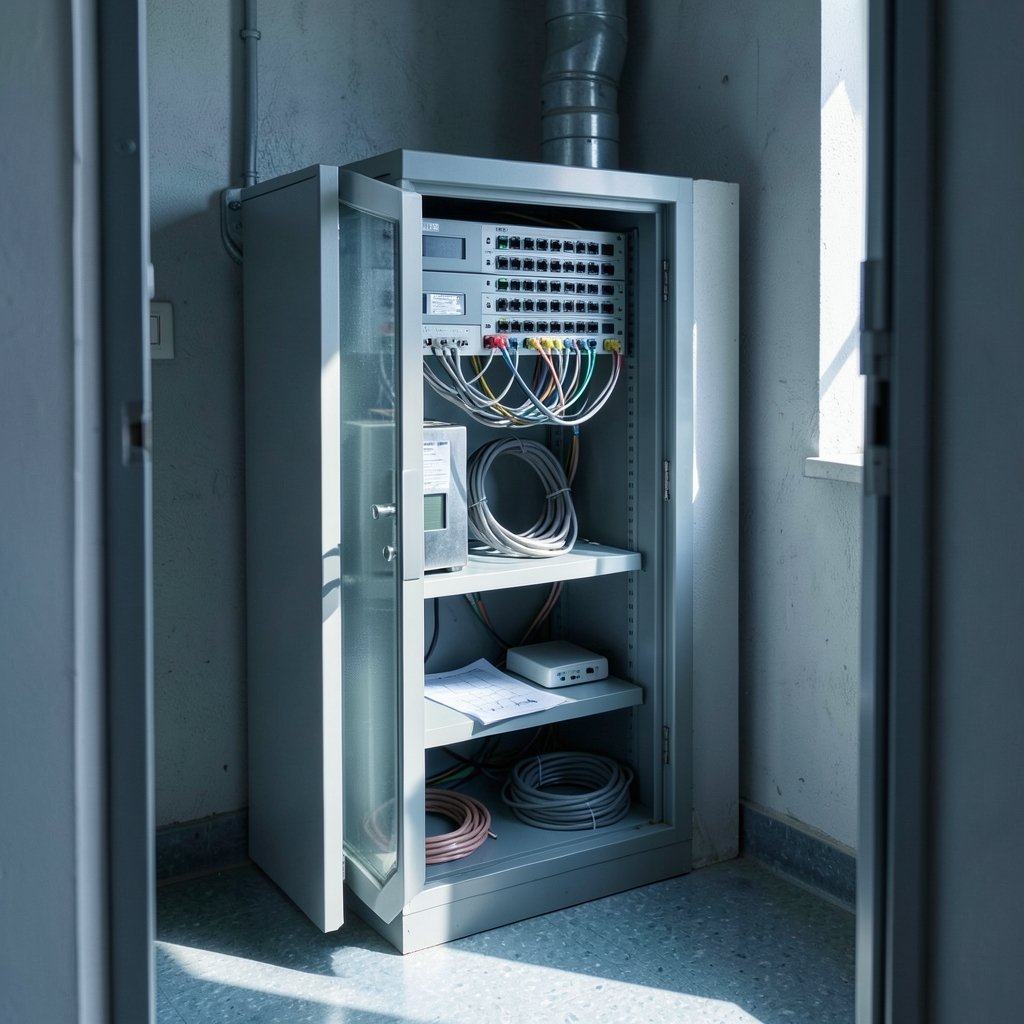
The single biggest workflow distinction among these three providers is where detection data originates.
| Vendor | Primary telemetry source | Workflow implication |
|---|---|---|
| CrowdStrike | Endpoint agent (Falcon platform) | Endpoint-first detection, fast onboarding, single console |
| Sophos | Endpoint plus firewall, with third-party ingestion | Broader visibility, more integration work up front |
| SonicWall | Firewall and network security portfolio | Network-centric view, strong on perimeter activity |
CrowdStrike’s managed service, Falcon Complete, is built on the Falcon platform. A single lightweight agent feeds cloud-delivered telemetry to analysts. That architecture produces a clean, endpoint-first workflow: deploy the agent, and detection coverage begins.
Sophos bundles MDR with its endpoint and firewall products but has also emphasized interoperability with third-party security tools. That means the workflow can ingest telemetry from products you already own, which is useful if your environment is mixed. The tradeoff is integration effort. Every additional data source needs configuration and tuning.
SonicWall positions its MDR alongside its firewall line, so network telemetry is a core input. For organizations already standardized on SonicWall firewalls, that creates a natural network-first workflow. The caveat: SonicWall has historically delivered some managed services through partners in certain regions, so confirm whether your service is delivered directly or through a channel partner.
Who Actually Responds?
Detection gets the marketing attention. Response is where workflows diverge most sharply.
In a fully managed model, the vendor’s security operations center performs triage and can take containment actions, such as isolating a host, under an agreed scope. In co-managed models, the customer retains more of the action. All three vendors offer some mix of these arrangements, but the default differs.
Practical tip: read the service agreement for the phrase “containment authority.” If the vendor must call you before isolating a machine, your overnight response time depends on someone answering the phone. That is a workflow decision, not a technical one, and it belongs in the contract.
Common mistake: assuming “fully managed” means the vendor handles everything. Most agreements define scope carefully, and out-of-scope incidents revert to your team.
Onboarding Speed and Time-to-Value
Agent-based, single-platform services generally onboard faster than services that must integrate firewalls and third-party tools. This is a general industry observation rather than a published benchmark, so treat it as analysis.
CrowdStrike’s single-agent model tends to produce the shortest path from contract to coverage. Sophos and SonicWall deployments often involve more configuration because more data sources are in play. That extra work can pay off in visibility, but it delays the first day of real protection.
What actually works in practice: build the onboarding timeline into your evaluation. Ask each vendor for a sample deployment plan with named milestones. A provider that cannot describe week one in concrete terms will likely improvise during rollout.
Detection Coverage and How It Is Described
MDR vendors commonly describe detection coverage by mapping to adversary techniques. The MITRE ATT&CK knowledge base is the shared language here, cataloging tactics and techniques observed in real attacks. When a vendor claims coverage of a technique, ATT&CK gives you a way to check the claim against a common reference rather than marketing language.
Ask each provider whether it publishes ATT&CK coverage mappings and how often they update. Coverage claims shift as products evolve, so verify current documentation rather than relying on a slide from last year.
The 2027 Question: What Changes and What Does Not
Any statement about 2027 workflows is a projection. As of late 2026, no vendor has published a verifiable 2027 roadmap. Here is what is reasonable to expect.
More automation in triage. All three providers will push routine alert handling toward automated enrichment, leaving analysts for genuine judgment calls. The workflow effect is fewer manual steps between detection and containment.
Wider telemetry ingestion. Sophos’s third-party integration strategy and SonicWall’s network focus both point toward broader data intake. CrowdStrike will likely deepen its platform rather than widen it.
Tighter identity coverage. Expect more emphasis on identity and cloud telemetry across the board, since attackers keep shifting toward credential abuse.
What will not change quickly: the contract terms that define who acts, and how fast. Those are organizational decisions, and they outlast product releases.
Practical Evaluation Steps
Use a structured process rather than a feature comparison. Here is a sequence that works.
- Define your response authority. Decide in advance which actions the vendor may take without approval, and write it into the agreement.
- Map your telemetry. List every endpoint, firewall, and cloud source you want covered. This reveals integration effort before you sign.
- Request a sample incident timeline. Ask each vendor to walk through a real (anonymized) alert from detection to closure, with timestamps.
- Test the escalation path. Ask how a 2 a.m. critical alert reaches a human, and how quickly.
- Check onboarding milestones. Require a deployment plan with dates.
- Review reporting cadence. Weekly summaries versus quarterly reviews change how your team works day to day.
If your team is also weighing endpoint platforms more broadly, a side-by-side look at CrowdStrike, Defender, and SentinelOne helps frame where MDR fits. Teams comparing AI-assisted analysis tools may also find a practical Claude writing workflow useful for documenting incident reports, though it is no substitute for a SOC.
Common Mistakes Buyers Make
Several patterns show up repeatedly in MDR evaluations.
- Treating MDR as a product, not a service. The workflow and the people matter more than the console.
- Skipping the scope document. Ambiguity about out-of-scope incidents surfaces at the worst possible time.
- Ignoring the integration tax. Third-party telemetry ingestion is valuable but consumes staff time during setup.
- Assuming vendor names mean the same thing. Confirm tiers and definitions directly.
- Forgetting the handoff back to your team. Recovery and post-incident work often land on internal staff.
Where Each Provider Fits Best
CrowdStrike suits organizations that want a fast, endpoint-first workflow with minimal integration overhead.
Sophos fits mixed environments where existing third-party tools should feed the same detection pipeline, and where firewall and endpoint visibility should combine.
SonicWall makes sense for network-centric organizations already invested in its firewall portfolio, particularly where partner-delivered service is acceptable.
None of these is universally better. The right choice depends on where your telemetry lives and how much response authority you are willing to delegate.
Conclusion
The CrowdStrike vs Sophos vs SonicWall MDR decision comes down to workflow, not feature counts. CrowdStrike leads with an endpoint-first, single-agent model that onboards quickly. Sophos offers broader visibility through firewall and third-party integration at the cost of setup effort. SonicWall anchors detection in network telemetry from its firewall line. As 2027 approaches, expect more automation and wider data ingestion across all three, but the contract terms defining who responds, and how fast, will remain the deciding factor. Start with your telemetry map and your response authority, then let the workflow follow.
FAQ
What is the main workflow difference between CrowdStrike, Sophos, and SonicWall MDR?
The main difference is where telemetry originates. CrowdStrike is endpoint-first through its Falcon agent. Sophos combines endpoint and firewall data with third-party ingestion. SonicWall is network-first, drawing from its firewall portfolio. That starting point shapes onboarding speed, integration effort, and what analysts see first. (Obsidian vs logseq local first notes compared by workflow) (CISA cyber threats and advisories overview)
Does “MDR” mean the same thing at all three vendors?
No. MDR is a market term without a single certifying standard. Vendors use it alongside labels like MXDR and co-managed SOC, and definitions differ. Always confirm the specific service scope, tiers, and delivery model directly with each provider before comparing them.
Who takes containment actions during an incident?
It depends on the contract and service tier. In fully managed arrangements, the vendor’s SOC can isolate hosts under an agreed scope. In co-managed models, the customer retains more authority. The division of responsibility is contract-specific, so read the containment clause carefully.
Which provider onboards fastest?
Agent-based, single-platform services generally onboard faster than services requiring firewall and third-party integration. CrowdStrike’s single-agent model typically produces the shortest path to coverage, while Sophos and SonicWall deployments often involve more configuration work up front.
Can I trust vendor claims about 2027 roadmaps?
Treat them cautiously. As of late 2026, no vendor has published a verifiable 2027 roadmap. Projections about automation and wider telemetry ingestion are reasonable extrapolations from current documentation, but they are analysis, not commitments. Ask for written specifics rather than verbal assurances.
How should I evaluate these three providers?
Start with two documents: a telemetry map of everything you want covered, and a written statement of who may take which response actions. Then request a sample incident timeline with timestamps and a deployment plan with milestones. Those artifacts reveal workflow reality far better than a feature grid.
A Final Word on Documentation and Change Control
One underrated workflow difference is how each provider documents what it did. Ask to see a sample incident report. The format tells you whether the vendor produces analyst-ready narratives or raw alert dumps. For compliance-driven teams, reporting cadence and evidence quality can matter as much as detection speed, since auditors increasingly ask for post-incident timelines rather than summary counts.
Change control is the other quiet differentiator. Every tuning decision—a new exclusion, a modified escalation rule, a change in containment authority—should be traceable. Request each vendor’s change-management process in writing. A provider that logs configuration changes and notifies you of them reduces the risk of silent coverage gaps.
Finally, revisit the service agreement annually. Scope definitions, delivery models, and partner arrangements can shift between renewals. What you signed in 2026 may not describe the service you receive in 2027. Build a review checkpoint into your calendar so the workflow you designed stays the workflow you operate. The decision is not permanent, and treating it as such is the most common strategic error in MDR procurement.
One last practical note: ask each vendor who owns the tuning backlog. Detection rules decay as environments change, and a provider that treats tuning as a shared, scheduled activity rather than an ad hoc request will keep coverage aligned with your telemetry map over time. Put that commitment in writing alongside the containment clause, and your 2027 workflow will rest on documented practice rather than assumptions.



