
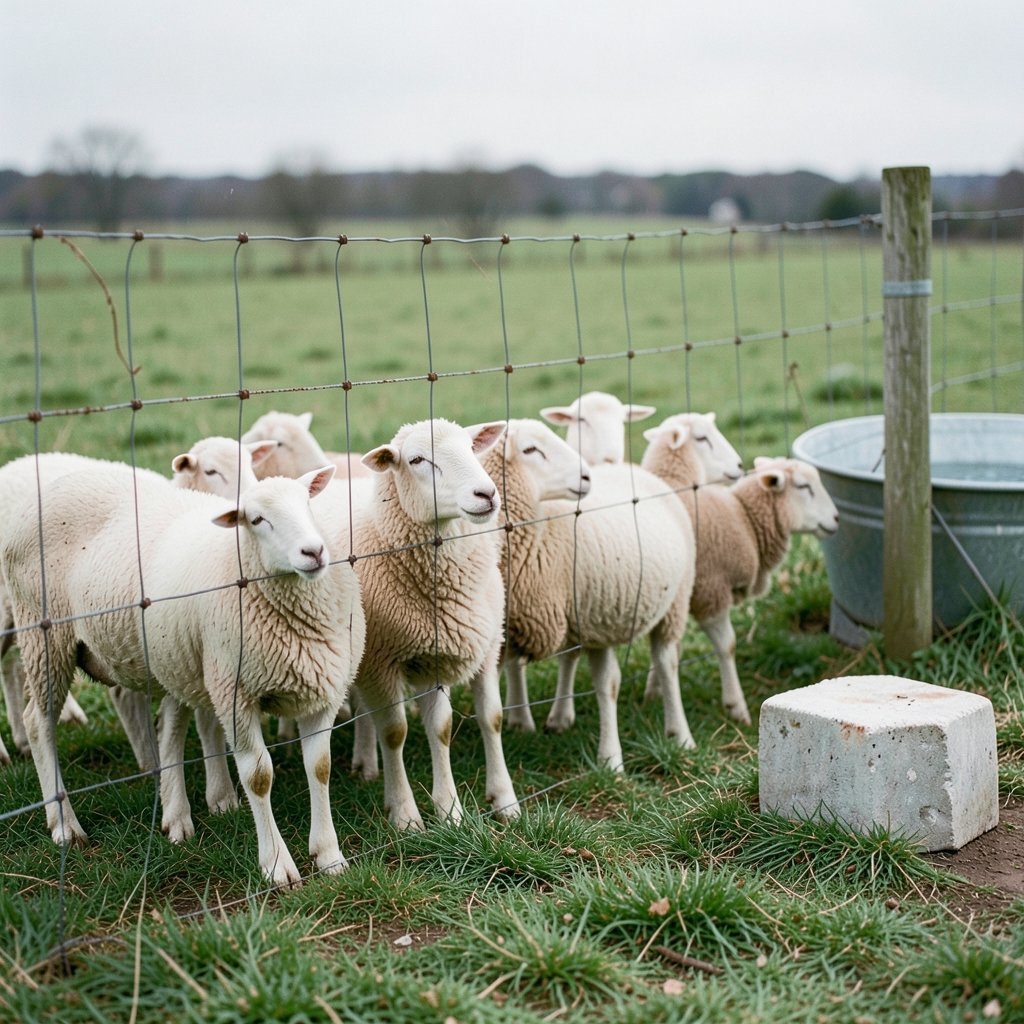
What if a sheep could feed a family, resist internal parasites better than most wool breeds, and never need shearing? That is the promise that draws so many new shepherds to Katahdin sheep. The breed is a hair sheep, not a wool sheep, and it was built in the United States for practical meat production on real farms with real fences and real budgets.
The story is genuinely interesting: a Maine breeder in the 1950s, a mountain name, and decades of careful selection. But the practical questions matter more. Does the breed actually shed? How does it handle worms? What should a beginner expect on day one? This guide covers all of it, including the mistakes that trip up new owners.
Where Katahdin sheep came from
Katahdin sheep were developed in the 1950s by Michael Piel of Abbot, Maine. He named the breed after Mount Katahdin, Maine’s highest peak. Piel wanted a meat sheep that did not carry a heavy wool fleece, and he built the breed by crossing African hair sheep (often described as Virgin Island or St. Croix type) with wool breeds including Suffolk, Hampshire, and Wiltshire Horn. He then selected over generations for a hair coat, meat-type body, and the ability to shed.
One honest caveat: the exact foundation crosses and percentages differ between secondary sources. Anyone quoting a precise recipe for the breed is probably overstating what is known. What is clear is the goal: a productive meat animal that does not need shearing and does not carry the management burden of wool.
The Katahdin Hair Sheep International registry maintains the flock book, publishes the breed standard, and collects performance data. Recognition varies by country, so treat claims of a single global standard with caution. Outside the U.S., many Katahdin populations are unregistered or crossed with local sheep.
What a hair coat actually means
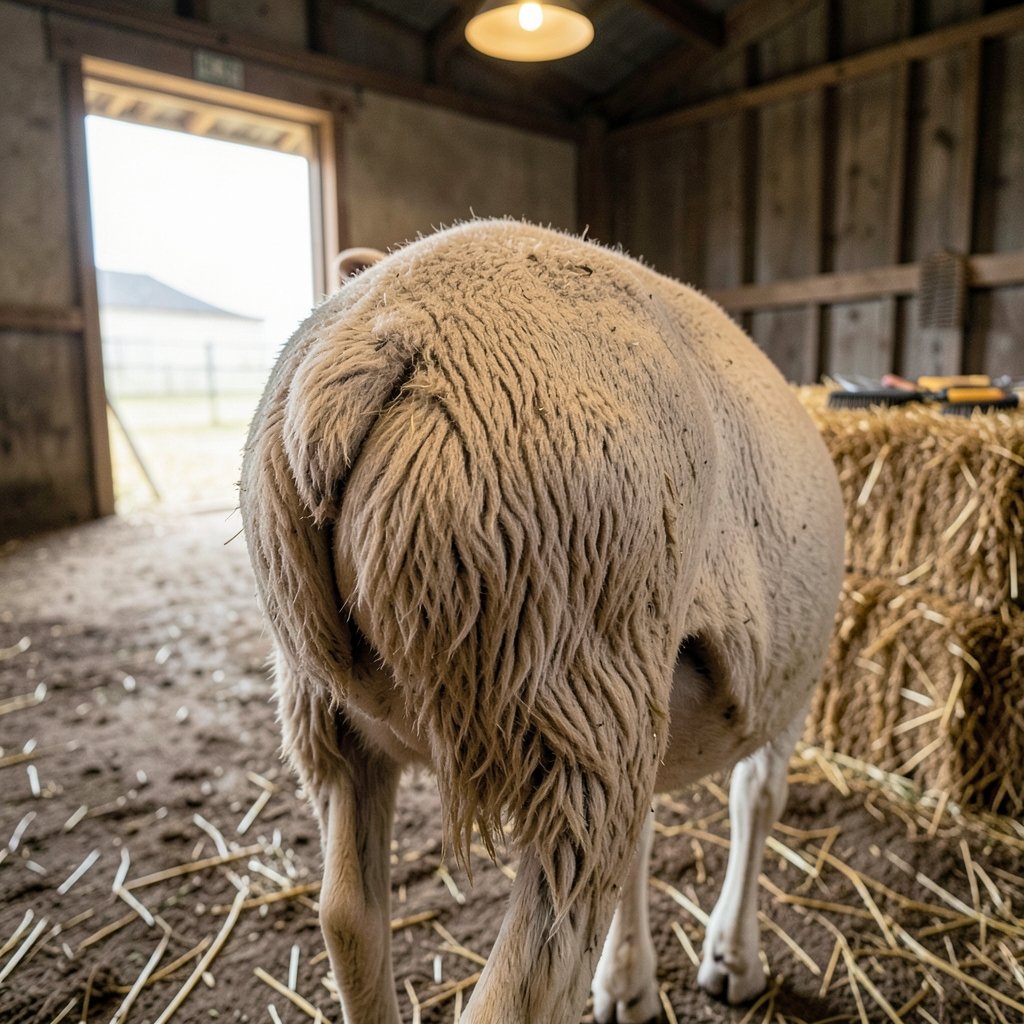
This is the feature that changes everything about daily management. Katahdins grow a coat of hair and kemp rather than a wool fleece, and most shed their coat seasonally without any shearing. For a smallholder without a shearer nearby, that single trait can decide whether sheep are workable at all.
But shedding is not uniform, and this is where new owners get surprised. Some Katahdins shed cleanly and look sleek by summer. Others retain patches of hair or kemp and may need occasional hand clipping. Selection for clean shedding is an explicit breeding goal in the registry, which tells you the trait still needs work in some lines.
Practical tip: ask to see the sire and dam in summer coat before buying. A seller’s photos from March tell you almost nothing about shedding. If you can, visit the flock in June or July and look at the animals’ backs and bellies yourself.
Hair sheep versus wool sheep at a glance
| Trait | Katahdin (hair sheep) | Typical wool breed |
|---|---|---|
| Fleece | Hair and kemp, usually sheds | Wool, requires annual shearing |
| Shearing cost | Little to none | Annual cost and labor |
| Main product | Meat | Meat plus wool income |
| Parasite resistance | Often comparatively strong | Generally lower |
| Coat in winter | Grows a thicker coat, sheds in spring | Wool grows continuously |
Meat production and maternal traits
Katahdins are promoted as a meat-type, maternal breed. Breed associations point to good mothering ability, vigorous lambs, and out-of-season breeding in some flocks. Be aware that these are breed-association claims rather than independent trial results, so weigh them alongside what local breeders tell you and what your own records show after a season or two.
The performance infrastructure behind the breed is real, though. The National Sheep Improvement Program provides genetic evaluation for sheep breeds including Katahdin, producing expected progeny differences (EPDs) for traits such as birth weight and weaning weight. If you are buying breeding stock, EPDs are far more useful than a nice photo. They let you compare animals across flocks on traits that actually affect your bottom line.
A few practical points on selection:
- Ask for EPDs on birth weight if you plan to keep ewe lambs or run small ewes. High birth weight raises the risk of lambing difficulty.
- Look at weaning weight EPDs if your goal is selling market lambs.
- Check the shedding record of both parents, not only the lamb in front of you.
- Ask about the flock’s parasite history and whether fecal egg counts are recorded.
Parasite resistance: real, but not a superpower
Katahdins are frequently cited for relatively strong resistance or tolerance to gastrointestinal nematodes, especially Haemonchus contortus, the barber’s pole worm. University and USDA-ARS research on hair sheep supports the general pattern, and it is one of the main reasons Katahdin rams are used in crossbreeding programs in warm climates and low-input systems.
Here is the part that gets lost in marketing: resistance varies by flock and by selection line. It is not uniform across the breed, and it is not a substitute for management. A Katahdin on a heavily stocked, wet pasture can still carry a heavy worm burden.
What actually works in practice:
- Use fecal egg counts to make deworming decisions instead of dosing on a calendar.
- Keep records of which ewes stay healthy under challenge, and keep their lambs.
- Rotate pastures and avoid grazing wet, low areas at dawn when larvae are most active.
- Treat selectively, because blanket deworming erodes the very resistance you are trying to breed for.
The most common mistake is buying Katahdins specifically to avoid worm problems entirely, then discovering the flock still needs monitoring. The breed gives you a better starting point, not a free pass.
Housing, fencing, and daily care
Katahdins are hardy and do well in low-input systems, but they are not invincible. They need shelter from wind and driving rain, clean water, and good fencing. Woven wire with a strand of electric on top handles most flocks; hair sheep are energetic and will test a weak corner.
Feed is straightforward: pasture in season, good hay in winter, and a mineral mix formulated for sheep. Do not use cattle minerals, because the copper levels can be toxic to sheep over time. Growing lambs and late-pregnant ewes benefit from a modest grain ration, but overfeeding fat ewes causes lambing problems.
Hoof trimming is the chore people forget. Hair sheep still need hooves checked several times a year, especially in wet climates. Left too long, hooves trap mud and lead to lameness. A simple tip: pick up each ewe’s feet monthly while she is at the feeder, and you will catch problems early without a wrestling match.
Breeding and lambing
Katahdin ewes are generally good mothers, and lamb vigor is one of the breed’s selling points. Many flocks lamb on pasture with minimal intervention, which suits small farms without barn staff. Still, plan for the basics: a clean lambing area, iodine for navels, and a way to warm a chilled lamb.
Out-of-season breeding is reported in some flocks, which can help spread lambing across the year and hit better markets. It is not guaranteed in every line, so ask the breeder whether their ewes cycle in spring. Rams should be checked for soundness before the season, and a single ram can typically cover 25 to 35 ewes in a well-managed pasture setting.
Record keeping is where serious breeders separate themselves from hobbyists. Track birth weights, lambing ease, and mothering behavior. Over a few years, those notes become your own private EPD system, and they are worth more than any breed brochure.
Buying Katahdin sheep: what to check
Buying stock is where most beginners make expensive mistakes. A few habits will save you money and heartache.
- Visit the farm in summer to see shedding for yourself.
- Ask for EPDs and performance records alongside registration papers.
- Check hooves and body condition on every animal you consider.
- Ask about parasite history and whether fecal egg counts are routine.
- Confirm the animal’s age and vaccination and deworming history.
- Avoid bargain animals with unknown health status, because a sick ewe costs far more than a good one.
If you are curious about how the breed’s media presence has grown, including animated productions that feature sheep characters, there is interesting background on who cast sheep detectives characters voices expect. It is a reminder that sheep have a cultural life well beyond the pasture.
Common mistakes new owners make
The same problems come up again and again on small Katahdin farms. Avoiding them is mostly about planning ahead.
- Assuming no shearing ever. Some animals need occasional clipping, so budget for hand shears.
- Skipping fecal egg counts. Calendar deworming hides resistance and wastes money.
- Overstocking pasture. Hair sheep still need rest periods for grass and worm control.
- Buying on looks alone. A pretty coat says nothing about mothering or parasite resilience.
- Ignoring copper. Sheep minerals are not optional, and cattle minerals can kill sheep.
- Forgetting hoof care. Monthly checks prevent most lameness.
- Not asking about out-of-season breeding. It changes your whole lambing calendar.
Conclusion
Katahdin sheep are a practical answer to a real problem: how to raise meat sheep without the cost and labor of wool. The breed’s hair coat, maternal strengths, and comparatively good parasite profile make it a strong fit for small farms, low-input systems, and warm climates. The catch is that none of those advantages run on autopilot. Shedding varies, parasite resistance is flock-dependent, and the breed’s best traits show up only when a buyer asks hard questions and a breeder keeps honest records.
For anyone starting out, the recipe is simple. Visit flocks in summer, ask for EPDs, learn to run a fecal egg count, and keep notes on every ewe. Do that, and Katahdin sheep will reward you with a flock that is easier to manage than most wool breeds and a lamb crop that pays its way.
Frequently asked questions
Do Katahdin sheep need to be sheared?
Most Katahdins shed their hair coat seasonally and do not require annual shearing. However, shedding is variable, and some animals retain patches of hair or kemp that may need occasional hand clipping. Ask to see the parents in summer coat before buying, and budget for hand shears just in case.
Are Katahdin sheep resistant to parasites?
They are frequently cited for relatively strong resistance or tolerance to gastrointestinal nematodes, especially Haemonchus contortus, compared with many wool breeds. That said, resistance varies by flock and selection line and is not uniform across the breed. Fecal egg counts and selective deworming remain essential.
What is the difference between Katahdin sheep and wool sheep?
Katahdins grow hair and kemp rather than a wool fleece, and most shed without shearing. Wool breeds grow continuously and need annual shearing, which adds cost and labor. Katahdins are raised primarily for meat, while wool breeds may produce both meat and wool income.
How many lambs do Katahdin ewes usually have?
Twinning is common in well-managed flocks, and breed associations promote good mothering ability and lamb vigor. Actual lambing rates depend on nutrition, age, and genetics. Ask a breeder for their flock’s average lambing rate rather than relying on general claims.
Are Katahdin sheep good for beginners?
Yes, for many small farms. The hair coat removes shearing, the breed is hardy, and ewes are generally good mothers. Beginners should still plan for fencing, sheep-specific minerals, hoof trimming, and parasite monitoring. Starting with a few well-recorded animals beats buying a large group at once.
How much land do Katahdin sheep need?
There is no single number, because it depends on pasture quality, rainfall, and rotation. A common starting point on decent improved pasture is roughly two to four ewes per acre with rotation, but dry or sandy ground supports far fewer. Stock conservatively at first and adjust based on grass height and fecal egg counts.



