

What happens when the world’s most famous tool-watch maker builds a quiet, elegant dress watch and almost nobody notices? That is the strange story of the Rolex Cellini, a line that has been part of Rolex’s catalog since 1968 yet remains the odd one out in almost every conversation about the brand. Ask a room of watch fans about Submariners, Daytonas or Datejusts and the debate will run for hours. Mention the Cellini and you will likely get a shrug, a puzzled look, or a story about a grandfather’s gold watch sitting in a drawer. That gap between the Cellini’s pedigree and its reputation is exactly what makes it worth a closer look.
What Is the Rolex Cellini?
The Cellini is Rolex’s dress watch family. Where the Oyster line leans on waterproof cases, screw-down crowns and sports utility, the Cellini leans on slim profiles, precious metals and classical dial design. The name honors Benvenuto Cellini, the Italian Renaissance goldsmith and sculptor, which tells you a lot about how Rolex wanted the line to be perceived: as jewelry and craftsmanship first, engineering second.
The line launched in 1968 and has gone through several distinct eras. Many early Cellini models were not Oyster-cased at all. That means no guaranteed waterproofing to the Oyster standard and often no screw-down crown. For a brand whose identity is built on water resistance and durability, that was a deliberate step sideways into a different kind of watchmaking.
The Many Faces of the Cellini
Over the decades, the Cellini name has covered a surprising range of shapes. There were slim round cases, tonneau shapes, and rectangular models. Sub-families came and went, including the Cellini Danaos and the Cellini Cestello, the latter known for its distinctive fluted, rounded bezel. In 2005, Rolex introduced the Cellini Prince, a rectangular watch with a visible, decorated movement (calibre 7040). The Prince made an argument the line had been making all along: this is where Rolex shows off finishing rather than sport.
Then came the reset. In 2014, Rolex substantially redesigned the collection, launching the Cellini Time, Cellini Date and Cellini Dual Time. These shared a new case shape, a double bezel and more classical dials. This is the version most people mean when they talk about the Cellini today.
The line’s technical high point arrived in 2017 with the Cellini Moonphase. Its blue disc and iron meteorite moon at six o’clock gave the family a genuine complication and one of the most distinctive moonphase displays in modern watchmaking.
Why the Cellini Never Became a Collector Favorite
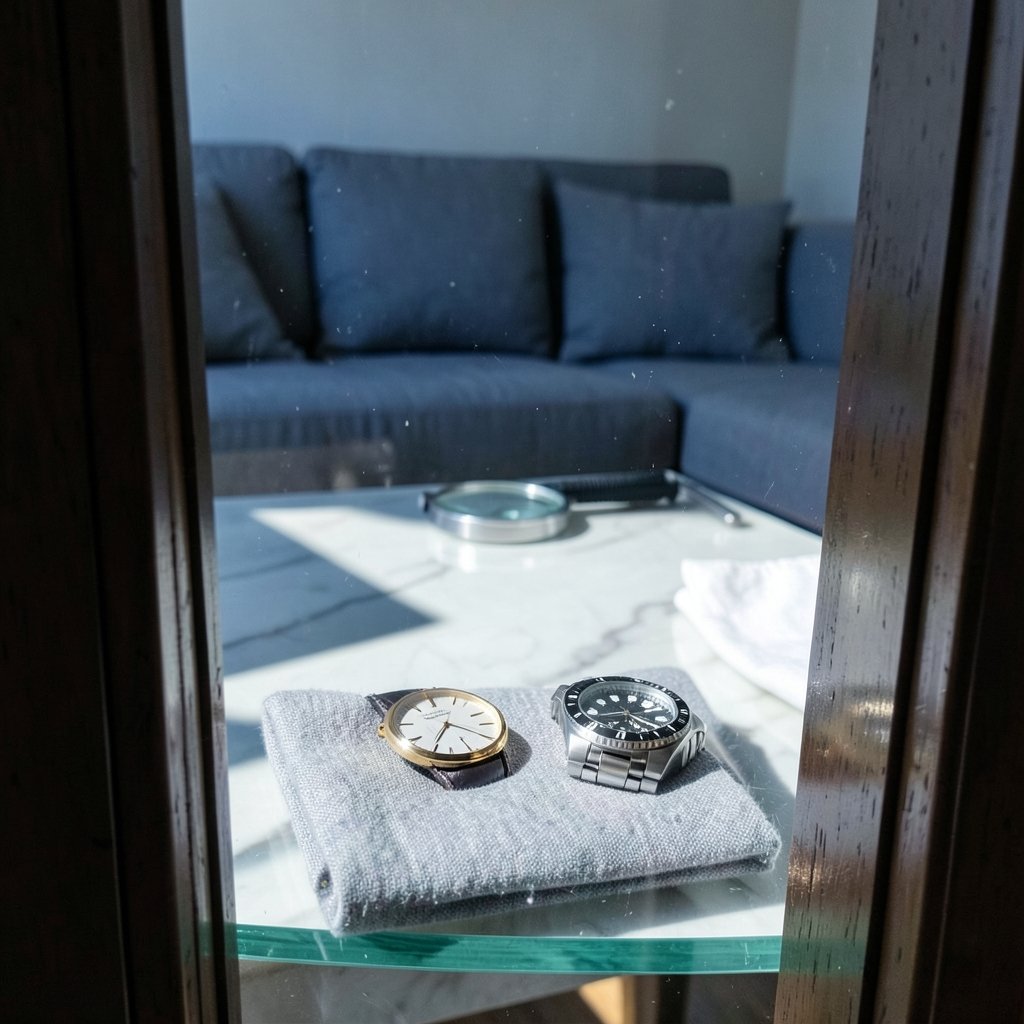
Here is the uncomfortable truth that Cellini owners learn quickly: the line is generally regarded as the least-collected mainstream Rolex family. Secondary-market premiums that sports models command simply do not apply here. A steel Submariner can trade above retail for years. A gold Cellini often trades below it.
Why? A few practical reasons stand out.
- No sports hook. There is no dive rating, no chronograph, no racing heritage. Collectors love a story, and the Cellini’s story is “quiet elegance,” which is harder to sell.
- Precious metal only. Most Cellinis are 18k yellow, white or rose gold. That means a high entry price with less upside.
- Discontinuation uncertainty. Rolex appears to have discontinued the Cellini line around 2023 to 2024, with the models no longer listed on the brand’s site. The exact date is not firmly settled, and anyone repeating a specific month should check archived pages before trusting it.
- Thin aftermarket. Fewer buyers, fewer listings, less chatter. That is a self-reinforcing cycle.
None of that makes the Cellini a bad watch. It makes it a different watch, bought for different reasons. If you want a Rolex that flies under the radar at a dinner table, the Cellini is arguably the best answer the brand has ever produced.
Cellini vs. the Rest of the Rolex Lineup
The clearest way to understand the Cellini is to put it next to its siblings. The table below compares the broad families rather than individual references, since specs vary widely by model and year.
| Feature | Cellini | Datejust / Day-Date | Submariner / GMT | Daytona |
|---|---|---|---|---|
| Primary purpose | Dress | Everyday luxury | Sports and travel | Racing chronograph |
| Case style | Slim, classical | Oyster, fluted or smooth bezel | Oyster with rotating bezel | Oyster chronograph |
| Water resistance | Often below Oyster standard | Oyster-standard | High dive ratings | Chronograph-rated |
| Typical metal | 18k gold | Steel, two-tone, gold | Steel, two-tone, gold | Steel, gold, platinum |
| Collector demand | Low | High | Very high | Very high |
| Secondary premiums | Rare | Common | Common | Common |
The pattern is obvious. The Cellini sits alone on the “low demand” row, and that is not an accident of marketing. It is the natural result of building a watch that prioritizes a slim case and a beautiful dial over the things collectors usually chase.
Buying a Cellini: What Actually Works in Practice
If you are shopping for a Cellini, the process is different from buying a sports Rolex. There are no waitlists and no allocation games. That is good news. It also means you need to be more careful, because the market is thinner and information is scarcer.
Start With the Era, Not the Reference
The single most common mistake buyers make is treating “Cellini” as one watch. It is not. A 1970s dress piece, a 2005 Prince, a 2014 Time and a 2017 Moonphase have almost nothing in common beyond the name. Decide which era appeals to you before you start comparing prices. A buyer who wants a modern daily wearer should look at the 2014-and-later models. A buyer who loves vintage character should look much earlier and accept very different service realities.
Check the Case and Crown Carefully
Because many Cellinis are not Oyster-cased, water resistance is the weak point. Vintage examples often have worn gaskets and crowns that were never designed for swimming. Practical advice: treat any non-Oyster Cellini as a splash-resistant dress watch, not a pool watch. Have a watchmaker pressure-test it before you assume anything. Sellers who describe a vintage Cellini as “waterproof” are usually repeating marketing language, not a test result.
Verify the Movement Service History
Gold dress watches from the 1990s and 2000s often sat unworn for years. That is lovely for condition and terrible for lubrication. Ask for service records. If there are none, budget for a full service. On a precious-metal watch, a proper service is not optional maintenance; it is part of the purchase price.
Know the Moonphase Premium
The Cellini Moonphase is the one model in the family with real collector energy. Its meteorite moon disc and unusual display make it the most discussed modern Cellini. Expect to pay more, and expect fewer examples to choose from. If you find one, verify the moonphase function actually advances correctly, since setting a moonphase incorrectly is a classic owner error.
Understand What You Are Giving Up
Buy a Cellini and you give up resale upside, easy liquidity and the social signaling of a sports Rolex. What you gain is a genuinely uncommon watch, often at a discount to its original retail, in solid gold. For the right buyer that trade is excellent. For the wrong buyer it is a expensive lesson in market reality.
The Cellini in a Broader Watch Culture
It is worth stepping back for a moment. The Cellini’s struggles say something interesting about how watch taste works. The same internet culture that made niche mechanical objects famous has also made certain categories almost impossible to sell. Dress watches in general have been losing ground to sports watches for years, and the Cellini sits right in the middle of that shift.
That pattern shows up well beyond watches. The same mismatch, in which a technically capable product loses to a more charismatic competitor, plays out in security infrastructure, where buyers often pick the loudest brand rather than the best fit, as this comparison of Cloudflare vs AWS Shield vs Akamai Prolexic explores. It shows up in entertainment too, where a performer’s range gets flattened into a single role, much like the way Rachel Sennott’s movies and TV shows get reduced to a vibe. Even infrastructure stories follow the rule: attention follows narrative, not merit, which is why coverage of Starlink direct cell and how satellites became cell towers tends to focus on the spectacle rather than the economics. The Cellini is the watch world’s version of that same lesson.
Who Should Actually Buy One?
The honest answer is narrower than most articles admit. The Cellini suits a specific buyer.
It fits you if you wear a suit or smart casual most days, you prefer a thin case under a cuff, you want gold without a flashy bezel, and you do not care about resale. It also fits anyone who wants a Rolex that does not read as a Rolex from across the room.
It does not fit you if you want one watch for everything, you swim or travel rough, you care about holding value, or you are buying as an investment. In those cases a Datejust or a sports model is simply the better tool.
There is also a category of buyer who should look at the Cellini precisely because it is unloved: the person who wants maximum watch for the money. A pre-owned gold Cellini can deliver a lot of craftsmanship per dollar compared with almost anything else wearing the crown.
What to Watch for in the Years Ahead
With the line apparently discontinued, the Cellini’s story is now fixed. There will be no new references to speculate about, which changes the situation. Discontinued lines sometimes find a second life once the supply stops growing. Whether that happens here is genuinely unclear. The line has been out of fashion for so long that a revival of interest would be a real shift rather than a blip.
What is clear is that the Cellini will never be the Submariner. It was never meant to be. It was built as a quiet, gold, classical watch by a company famous for the opposite, and it has spent more than five decades being slightly misunderstood because of it. That is a strange legacy, but it is a real one.
Conclusion
The Rolex Cellini is the brand’s most underrated family and its most misunderstood. Born in 1968 and named for a Renaissance goldsmith, it traded waterproofing and sport for slim cases, precious metal and classical design. Its high points, the Prince and especially the 2017 Moonphase, show what Rolex can do when it aims at elegance instead of adventure. Its low points, thin collector demand and the apparent discontinuation around 2023 to 2024, explain why it never caught on.
For buyers, the takeaway is practical. Know which era you want. Treat non-Oyster cases as splash-resistant. Insist on service history. Accept that you are buying a watch, not an investment. Do that, and the Cellini rewards you with something rare in the Rolex world: a beautiful gold watch that nobody else at the table is wearing.
Frequently Asked Questions
Is the Rolex Cellini discontinued?
Rolex appears to have discontinued the Cellini line around 2023 to 2024, and the models are no longer listed on the brand’s site. The exact date is not firmly established, so treat any specific month you see online with caution and check archived Rolex pages if precision matters to you.
Why is the Cellini cheaper than other Rolex models on the secondary market?
It is generally the least-collected mainstream Rolex family. There is no sports hook, most models are solid gold with a high entry price, and collector demand is thin. That combination keeps resale prices closer to retail, and often below it, while sports models trade at premiums.
Are Cellini watches waterproof?
Many are not Oyster-cased, meaning they were never guaranteed waterproof to the Oyster standard. Treat a non-Oyster Cellini as a splash-resistant dress watch rather than a swimming watch, and have a watchmaker pressure-test it before assuming anything about its seals.
What is the most collectible Cellini model?
The Cellini Moonphase, introduced in 2017 with a blue disc and an iron meteorite moon at six o’clock, draws the most collector attention. The 2005 Cellini Prince, with its rectangular case and visible decorated movement, is the other model that enthusiasts discuss most often.
Can I wear a Cellini every day?
Yes, with caveats. It is comfortable and slim, which makes it an easy daily wearer in an office setting. It is less suited to swimming, hard travel or rough use. If you want one watch for everything, a Datejust or a sports Rolex is the more practical choice.
Is a Cellini a good investment?
Generally, no. The line does not carry the secondary-market premiums of sports models, and with the collection apparently discontinued, long-term demand is uncertain. Buy a Cellini because you love how it looks and wears, not because you expect it to gain value.



