
What gives a pint of Irish beer its Irish taste? The dark colour and creamy head play a part, and so does a mix of water, malt, history and habit shaped over roughly 250 years. The country is small, with a population of about five million, yet its beer travels everywhere. Three things explain why: the styles that made the country famous, the breweries that produce them, and the rules and habits that shape how people drink.
What Makes Irish Beer Different?
Irish beer is not one single product. The term covers a handful of traditional styles plus a growing range of modern ones. The most famous is dry Irish stout, a dark, roasty beer with a low alcohol level by modern standards and a smooth, almost creamy body. Next comes Irish red ale, an amber beer with a gentle toasty sweetness and very little hop bitterness. Then there is Irish lager, a pale, crisp style that now outsells stout in volume in the domestic market.
What ties these together is a preference for balance over extremes. Irish styles tend to be drinkable rather than aggressive. The stout is not a heavy imperial monster. The red ale is not a hop bomb. The lager is clean and light. That restraint is part of the appeal, and it is why these beers work well as session drinks.
It helps to see the core styles side by side.
| Style | Colour | Typical character | Best served |
|---|---|---|---|
| Dry Irish stout | Black with a tan head | Roasted barley, coffee, dry finish | Cool, not ice cold |
| Irish red ale | Amber to ruby | Toasty malt, light sweetness | Cellar to cool |
| Irish lager | Pale gold | Crisp, clean, mild hops | Well chilled |
| Irish pale ale | Golden | Citrus hops, balanced malt | Cool |
The Story of Stout and Porter
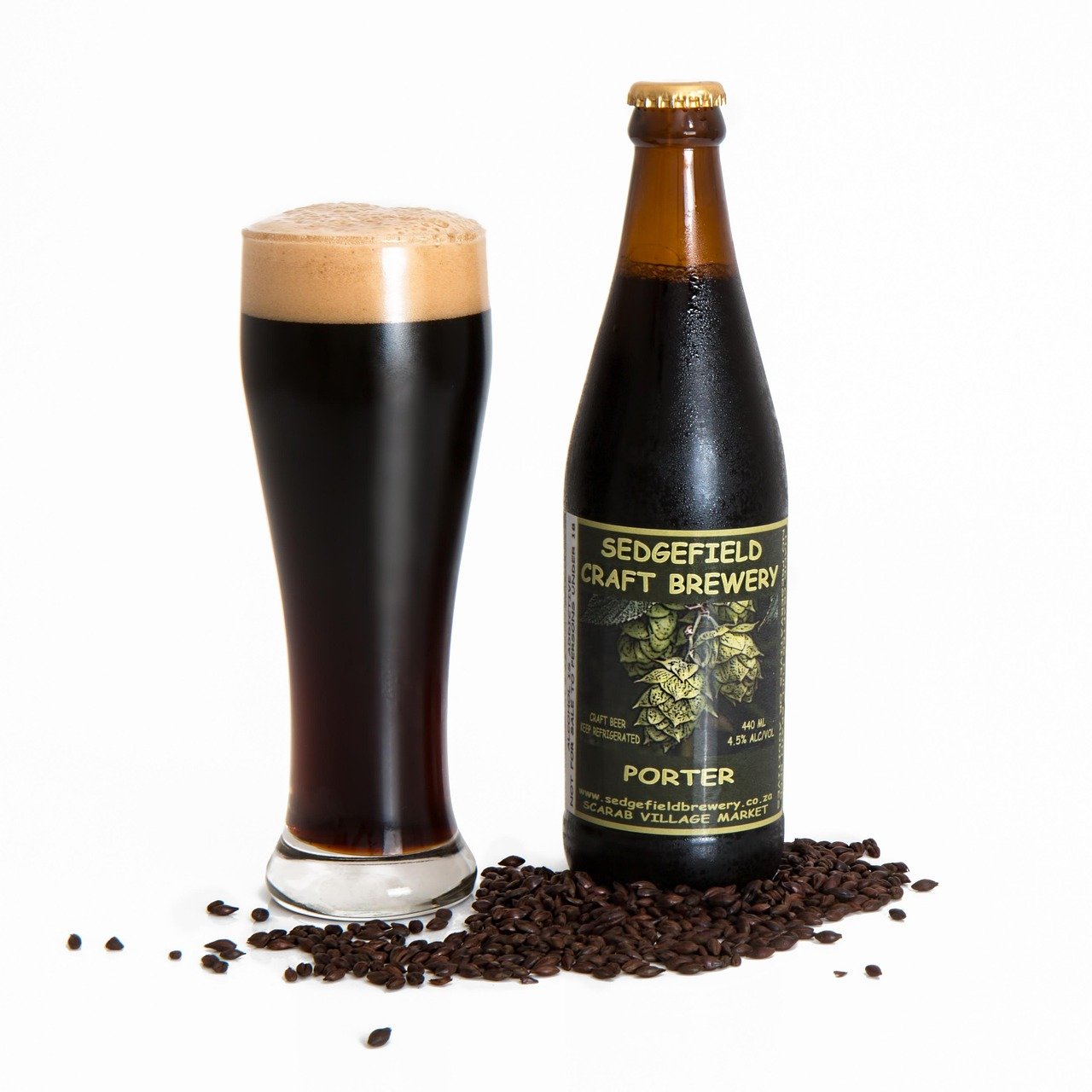
The word stout began as an adjective, not a style. In the 18th and 19th centuries, brewers used it to describe a strong beer, a “stout” or proud porter. Over time, the adjective became the name of the drink itself.
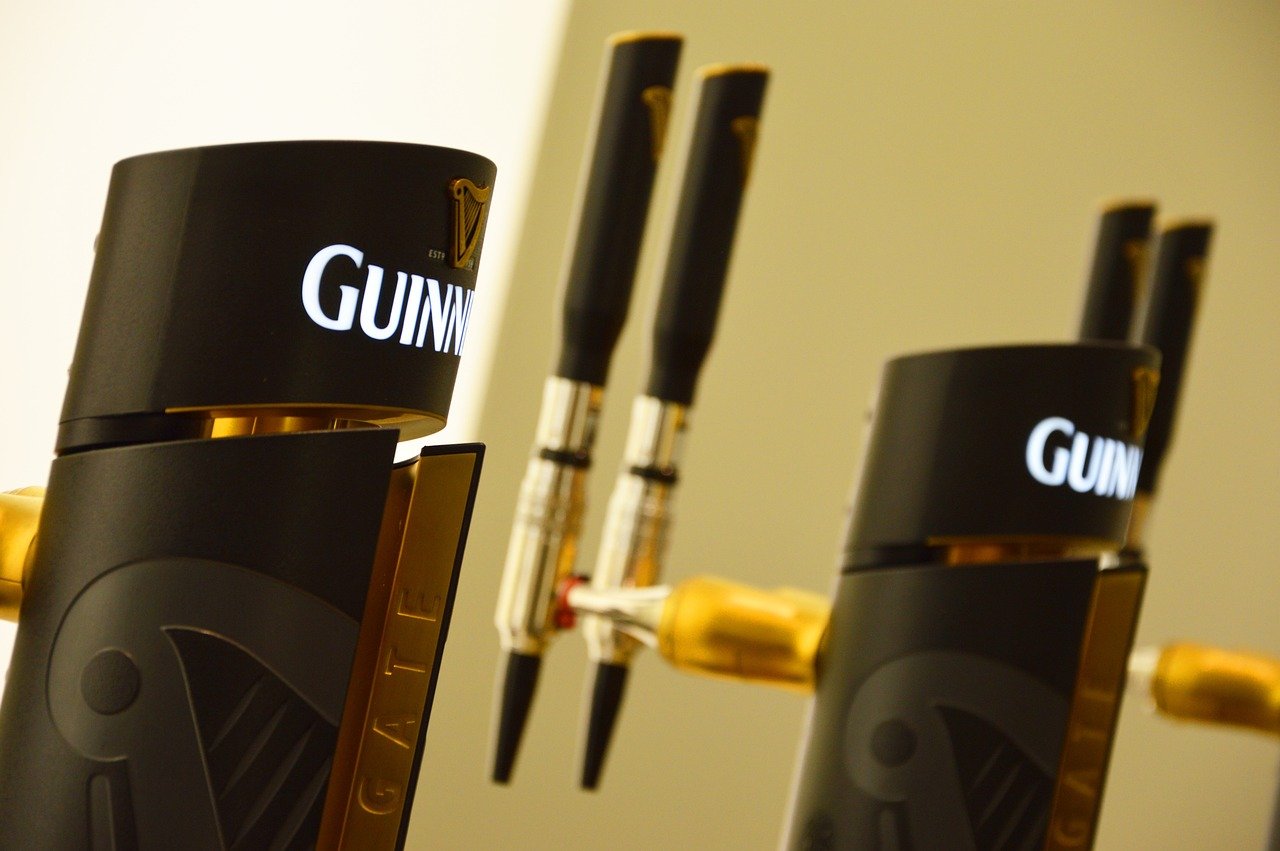
The brewery most associated with the style began brewing porter at St. James’s Gate in Dublin in 1778, according to the company’s own history. That date is company-sourced and widely repeated, so it is best treated as company history rather than independent scholarship. What is not in doubt is the scale. The St. James’s Gate site became Ireland’s largest brewery and one of the country’s biggest tourist attractions, thanks to the Guinness Storehouse visitor experience.
An important point often missed: porter brewing in Dublin predates that famous brewery. Several Dublin brewers were making dark beer before the St. James’s Gate operation became dominant. The wider Irish brewing trade then declined sharply through the 20th century, as consolidation and changing tastes shrank the number of working breweries. Precise decline statistics need a dated academic or official source, so treat any specific figure with caution.
Why Does Stout Look and Taste the Way It Does?
Three things define a classic dry Irish stout. First, roasted barley. This is the grain that gives the beer its dark colour and its coffee-like, slightly bitter edge. Second, a nitrogen pour. Many pubs serve stout through a nitrogen blend rather than pure carbon dioxide, which produces the tight, creamy head and the smooth mouthfeel. Third, restraint in strength. Traditional versions sit at a moderate alcohol level, which makes them easier to drink than their dark appearance suggests.
A common mistake is assuming dark beer always tastes heavy or strong. In practice, a well-made dry stout is lighter in body than many pale ales. Another mistake is serving it ice cold. Too much chill mutes the roasted malt character. Cool is better than freezing.
The Craft Beer Revival
Ireland’s independent craft brewing sector grew sharply from the early 2010s. Small breweries appeared in every county, often in converted farm buildings, industrial units and back rooms of pubs. The Independent Craft Brewers of Ireland represents the interests of these smaller producers.
The exact number of breweries changes from year to year and varies by source, so it is unwise to quote a fixed figure without a dated reference. What matters more is the effect on choice. Before the revival, a drinker in most Irish towns had a narrow selection. Today, even modest pubs often carry a local pale ale, a red ale and a stout from a nearby brewery.
Craft brewers have also reinterpreted the classics. You will find barrel-aged stouts, hoppy red ales and lagers brewed with modern hops. Some of these push boundaries. Others simply offer a fresher, more local version of a familiar style. Both have a place.
For anyone planning a visit, the practical tip is to ask what is brewed locally rather than defaulting to the biggest brand on the bar. Publicans are usually happy to point you toward something made within an hour’s drive. Brewery taprooms, where they exist, are the best place to taste beer close to source, and many offer short tours.
How Irish Beer Is Regulated
Beer in Ireland is shaped as much by law as by tradition. Three areas matter most for drinkers and producers.
Excise Duty
Beer is subject to excise duty, a tax set in the annual Budget. Ireland has historically had among the higher beer excise rates in the European Union. Because rates change every Budget, any figure you read online may already be out of date. The reliable approach is to check the current official rates rather than rely on a remembered number. For producers, excise is a major cost factor, and it is one reason small breweries often argue for relief on lower volumes.
Irish excise law also defines beer by its ingredients and strength for duty purposes. That legal definition is not the same as a style definition. A beer can be legally beer for tax purposes while belonging to any number of style categories.
Licensing
The sale of alcohol is governed by the Licensing Acts, consolidated over time and amended significantly by the Public Health (Alcohol) Act 2018. That Act introduced a range of measures covering advertising, pricing, labelling and sales. One of its most consequential provisions was minimum unit pricing, which commenced on 4 January 2022.
Minimum unit pricing sets a floor price based on the alcohol content of a drink. Its aim is to reduce access to very cheap, high-strength alcohol. In practice, it affects strong, low-cost products more than standard-strength beer. A typical pub pint is generally above the floor already, so the visible effect for most drinkers is limited. The bigger impact falls on discount retailers selling very cheap strong drinks.
Labelling and EU Rules
Beer labelling in Ireland sits within wider EU food-information law, including rules on what must appear on a label and how it must be presented. The 2018 Act also contains health-warning labelling provisions, but these have had phased commencement. Because the timing has shifted, it is worth checking the current status before relying on any summary.
Drinking Culture and Health Guidance
Irish drinking culture is social and pub-centred, but it is changing. Younger drinkers are drinking less alcohol overall, and alcohol-free beer has moved from an afterthought to a fixture on many bar menus. The quality of low- and no-alcohol stout and lager has improved sharply, which matters for anyone who wants the taste without the alcohol.
Health guidance is clear and worth knowing. Ireland’s HSE publishes low-risk drinking guidelines based on standard drinks and weekly limits. A standard drink contains a fixed amount of pure alcohol, and beer strengths vary, so counting pints is less accurate than counting standard drinks. A pint of ordinary-strength beer is more than one standard drink.
A practical habit that works: alternate an alcoholic drink with water or a low-alcohol option, and eat before drinking. These are simple steps, but they make a bigger difference than most people expect. Another common mistake is judging strength by colour. A dark stout can be weaker than a golden craft beer, so check the label or ask at the bar.
Beer Styles and How They Are Judged
Style definitions for Irish stout and Irish red ale are maintained by the Beer Judge Certification Program, whose guidelines are used in competitions worldwide. These definitions describe the expected colour, aroma, bitterness and strength for each style. They are a useful reference for brewers and drinkers alike, though they describe a target rather than a rule.
If you want to taste more consciously, try a simple comparison. Put a dry Irish stout next to an Irish red ale and note the differences in roast, sweetness and finish. Then try a local pale ale. This exercise teaches more about beer than any article can.
Practical Tips for Buying and Serving
A few habits separate a good pint from a disappointing one.
- Check freshness. Beer is perishable, and a stout that has sat too long loses its character.
- Store bottles upright and away from light.
- Serve at the right temperature. Cool for stout and red ale, chilled for lager.
- Pour stout in two stages and let it settle, which is how it is done properly in a pub.
- Rinse glassware well. Detergent residue kills the head.
The most common mistake at home is over-chilling everything. The second is using a glass that has not been properly rinsed. Both are easy to fix.
Conclusion
Irish beer is a small country’s big contribution to the world’s bar menus. It rests on a few distinctive styles, a long and sometimes contested history, a lively craft sector and a legal framework that shapes price, labelling and access. Whether you prefer a creamy dry stout, a toasty red ale or a crisp lager, the best approach is to taste widely, ask what is local, and pay attention to strength rather than colour. For more on drinks and serving, see
What Is the Difference Between Stout and Porter?
Historically, stout was simply a stronger porter. Over time, stout became a style name in its own right. Today, a dry Irish stout is typically dark, roasty and moderate in strength, while porters vary more widely and often show softer roast character. The line between them is blurrier than most drinkers expect.
Is Guinness the Only Irish Stout?
No. St. James’s Gate is Ireland’s largest brewery, but many independent breweries now make stout, including dry, oatmeal and barrel-aged versions. The style has become a standard part of the craft repertoire, so drinkers have far more choice than a single brand suggests.
How Strong Is Irish Beer Usually?
Strength varies by style. Traditional dry stout and Irish red ale sit at moderate strength, while craft pale ales and specials often run higher. Because colour tells you nothing about strength, always check the label or ask at the bar, and count standard drinks rather than pints when tracking intake.
Why Is Stout Served with a Creamy Head?
The creamy head comes from the pour. Many pubs serve stout using a nitrogen blend rather than pure carbon dioxide, which creates smaller bubbles and a smoother texture. The two-stage pour and a short settle allow the head to form properly, which is why a good pint takes a little patience.
Does Minimum Unit Pricing Affect Beer Prices?
Minimum unit pricing, which commenced on 4 January 2022, sets a floor price based on alcohol content. It mainly affects very cheap, high-strength alcohol. Standard-strength beer sold in pubs is generally already above the floor, so the visible effect for most drinkers is limited, though discount retail is more affected.
Can I Find Good Alcohol-Free Irish Beer?
Yes. Alcohol-free stout and lager have improved greatly and are now common on bar menus and in shops. They suit drinkers who want the taste without the alcohol. As with any beer, check the label for strength and ingredients, and apply the same freshness and storage rules you would to any other beer.



