
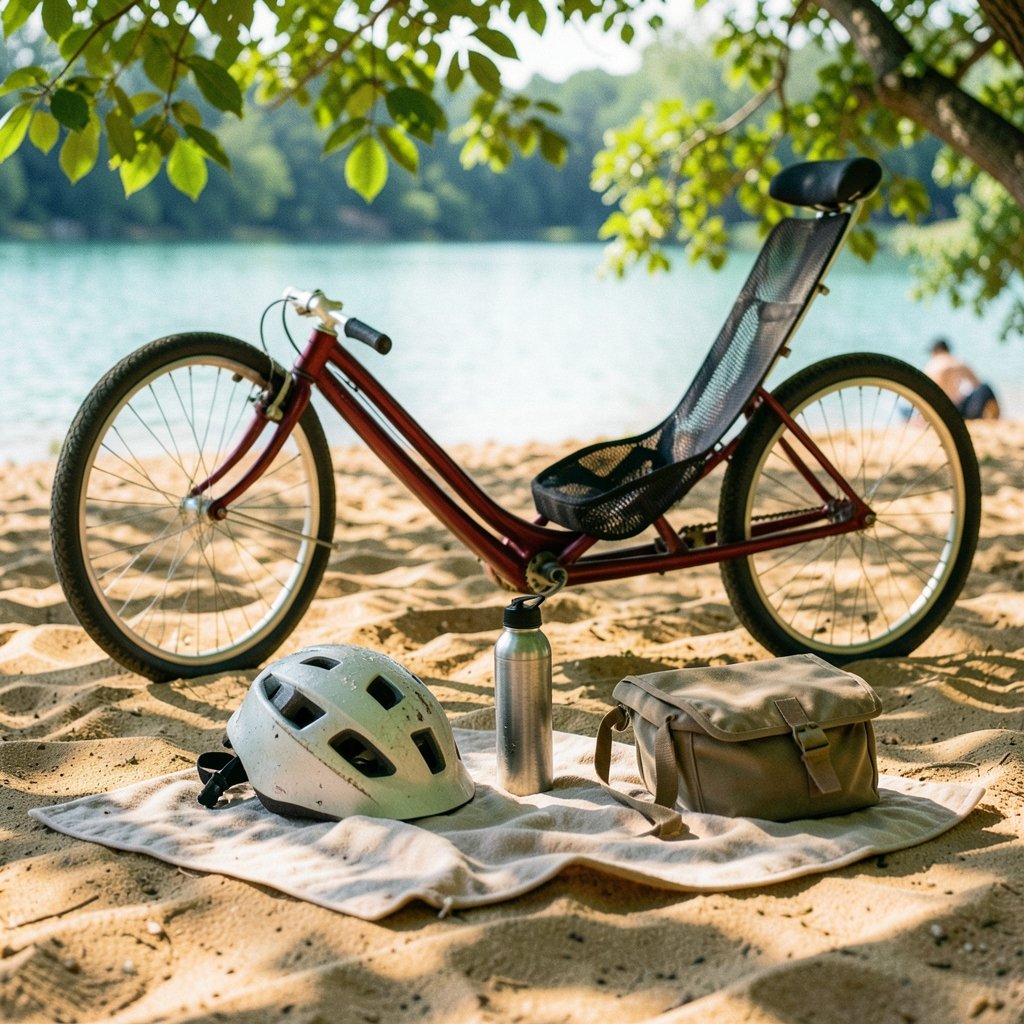
What if the biggest thing holding back your cycling isn’t your legs, your lungs, or your schedule, but the shape of the bike itself? That question is exactly what pushes thousands of riders toward becoming a recumbent cyclist every year. Instead of perching upright on a narrow saddle, a recumbent rider leans back into a seat with a backrest, with legs stretched forward toward the pedals. It looks unusual. It feels strange for the first ten minutes. And then, for a certain kind of rider, it changes everything.
This guide digs into what a recumbent bicycle actually is, where it came from, who benefits most, and where the honest trade-offs sit. No hype, no miracle claims. Just a clear look at a machine that has quietly built a devoted following for more than a century.
What Makes a Recumbent Cyclist Different?
The core difference is posture. On a traditional upright bike, the rider’s weight rests on the saddle, hands, and feet. On a recumbent, the rider sits in a reclined chair-like position, and the body’s weight spreads across a larger seat and backrest. The pedals sit forward, often at roughly the same height as the hips or slightly above.
That single change cascades into everything else:
- Weight distribution shifts from the wrists and perineum to the back and buttocks.
- Aerodynamics improve because the rider’s frontal profile is smaller, especially on low models.
- Balance works differently, since the rider can’t shift weight the same way over the wheels.
- Visibility changes, both for the rider and for drivers around them.
A recumbent cyclist is simply anyone riding this class of machine. The category covers two-wheeled recumbents and three-wheeled versions called trikes, which come in tadpole (two wheels in front) and delta (two wheels in back) layouts. Wheelbase also varies: long-wheelbase designs stretch the front wheel far forward for stability, while short-wheelbase designs keep things compact and nimble.
A Short History of the Feet-Forward Bike
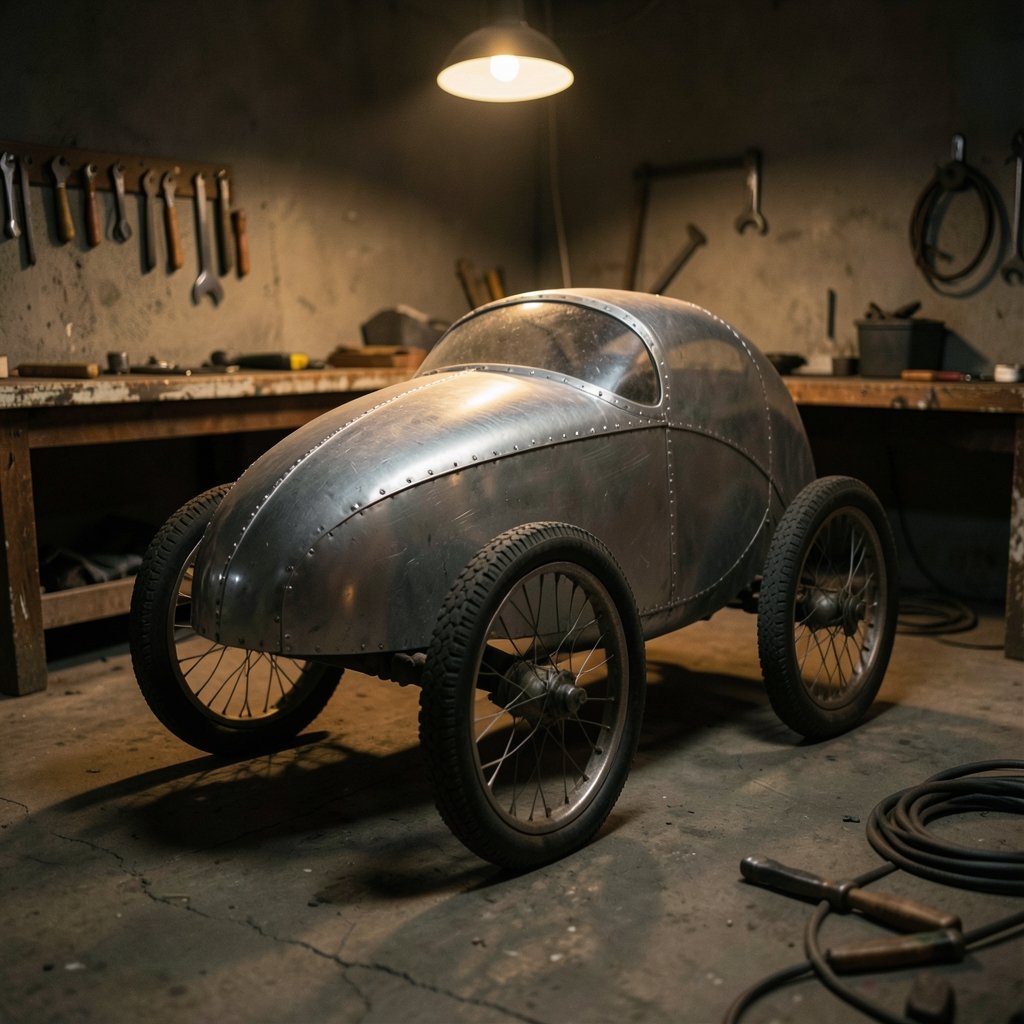
Recumbent designs trace back to the 1890s, but the machine that made history arrived in the 1930s. Charles Mochet built a series of streamlined human-powered vehicles called the Vélocar, and in 1933 and 1934 a rider named Francis Faure set hour records on one. The machine was fast enough to threaten conventional racing records, and in 1934 the Union Cycliste Internationale banned recumbents from standard racing competition.
That decision shaped the next ninety years. Instead of disappearing, recumbent design went its own way. Racing split into a separate world with its own sanctioning bodies and records, including the World Human Powered Vehicle Association and regional groups like the British Human Power Club. Freed from upright-racing rules, builders pushed aerodynamics further, adding fairings and shells that turned recumbents into the fastest human-powered vehicles on earth.
If you enjoy following how niche sporting records and money structures develop, the way recumbent racing built its own ecosystem mirrors how other sports organize their rankings and prize structures, much like the way a PGA money list 2026 earnings race tracks who earns what across a season.
Recumbent vs. Upright: An Honest Comparison
Most riders want a straight answer: which is better? The truthful answer is that they solve different problems. Here is how the two stack up on the things that matter most.
| Factor | Recumbent | Upright |
|---|---|---|
| Neck and wrist strain | Low, thanks to the backrest and relaxed arms | Higher on long rides |
| Saddle pressure | Spread across a wide seat | Concentrated on a narrow saddle |
| Aerodynamics | Better, especially on low models | Weaker at speed |
| Starting and stopping | Harder to learn, needs practice | Instinctive |
| Visibility in traffic | Lower profile, harder for drivers to spot | Higher eye level |
| Climbing | Feels harder; you can’t stand on the pedals | Easier to attack hills |
| Storage and transport | Longer, bulkier, awkward on racks | Fits standard racks and trains |
| Learning curve | Days to weeks | Minutes |
The climbing point deserves emphasis. On an upright bike, a rider can stand and use body weight to push through a steep pitch. A recumbent cyclist stays seated, so climbing relies purely on leg strength and gearing. Many riders compensate with wider gear ranges, and many accept that they will be slower uphill and faster everywhere else.
Who Actually Benefits From Riding Recumbent?
The ergonomic case is the most repeated argument in favor of recumbents, and it holds up in broad strokes even though rigorous head-to-head studies remain limited. The appeal clusters around a few groups.
Riders with neck, back, or wrist problems
The reclined posture removes the constant neck extension of looking up the road from a hunched position. It also takes weight off the hands and wrists entirely. Riders who gave up upright cycling because of numb hands or chronic neck pain often find they can ride for hours again.
Riders with balance or mobility limits
Trikes open cycling to people who cannot safely balance a two-wheeler, including some riders with inner-ear conditions, arthritis, or recovery from injury. A tadpole trike stays upright on its own, which removes the fear of a low-speed fall.
Long-distance and touring riders
The comfort advantage compounds over distance. Riders covering multi-day tours often report arriving with less upper-body fatigue. The trade-off is that recumbents are long and awkward to load onto trains, buses, and standard car racks, which matters for touring logistics.
Speed-focused riders
On flat ground and descents, a low or faired recumbent can be genuinely quick. The absolute human-powered speed records belong to faired recumbent machines, which have reached speeds in the range of roughly 144 km/h (about 89 mph) in record attempts. That is a world away from commuting, but it shows what the platform can do.
Practical Tips for New Recumbent Riders
The learning curve is real, and most frustration comes from expecting the bike to handle like the one you already know. These habits make the transition smoother.
- Start in an empty parking lot. Practice starting, stopping, and low-speed turns for an hour before riding near traffic.
- Learn the push-off start. Clip in one foot, push hard to get rolling, then bring the other foot up. Trying to pedal immediately from a dead stop is where most beginners tip over.
- Gear down before you stop. Recumbents are harder to restart in a big gear, so shift down as you brake.
- Look further ahead. The reclined position changes your field of view, and scanning early keeps you out of trouble.
- Add a flag and lights. A tall safety flag and bright rear lighting make a low machine far easier for drivers to notice.
- Check your local rules first. Access rules for cycle paths, public transport, and organized events vary by jurisdiction, and some treat trikes or low recumbents differently from standard bikes.
The same principle of reading the fine print applies to any niche interest with its own rulebook. Just as a golfer has to understand how a PGA tour money list 2026 numbers breakdown works before arguing about rankings, a recumbent rider benefits from checking event and path regulations before showing up.
Common Mistakes That Trip Up New Owners
Some missteps show up again and again in recumbent communities. Avoiding them saves money and frustration.
Buying before test riding. Recumbent fit is far more personal than upright fit. Seat angle, boom length, and bottom bracket height all change how the bike feels. A machine that suits one rider can be miserable for another. Ride as many models as possible before committing.
Underestimating the storage problem. Recumbents are long. A two-wheeler may not fit a standard bike rack, a small apartment hallway, or a crowded train. Measure your storage space and transport setup before buying.
Ignoring the learning curve. New riders sometimes conclude the bike is unsafe after one wobbly afternoon. Give it a couple of weeks of low-traffic practice. The handling becomes natural, but it takes repetition.
Skipping the visibility upgrade. The most common criticism of recumbents is that they sit low in traffic. That is a fair concern, and it is solvable with flags, daytime running lights, and route choices that favor quieter roads.
Assuming the ergonomic claims are universal. The comfort benefits are widely reported, but individual bodies differ. A rider with a specific back condition should test a reclined position carefully rather than assume it will help.
Maintenance and Ownership Realities
Recumbents use mostly standard bicycle components: chains, derailleurs, brakes, and wheels. The differences show up in chain length, which is much longer on many models because of the distance between the pedals and the rear wheel. That means more chain to clean and replace, and sometimes idler pulleys that add a little friction and require occasional attention.
Tires and wheels are often smaller or non-standard, so keeping spares on hand is smart. Frame design varies widely between manufacturers, which means parts availability depends heavily on the builder. Before buying, it is worth confirming that the maker supports the model with replacement seats, mounts, and proprietary parts.
None of this is a dealbreaker. It just means recumbent ownership rewards a rider who likes understanding their machine rather than one who wants to drop it at any shop and forget it. Not every local bike shop has recumbent experience, so identifying a mechanic who does is genuinely useful.
The Community Around Recumbent Riding
Recumbent cycling has the feel of a small, welcoming club rather than a mass market. Owners tend to be enthusiastic explainers, partly because they get asked “what is that thing?” constantly. Regional human power clubs run events, record attempts, and meetups, and online forums remain active places to buy used machines and troubleshoot odd problems.
That community matters practically. Because recumbents are niche, the used market is where many riders find affordable entry points, and experienced owners are the best source of advice on which models hold up and which parts are hard to source. If you are researching equipment in other niche hobbies, you will recognize the pattern of communities building their own reference lists, similar to how players rely on an Epic Games free games list to track what is actually available each week.
For anyone who also follows professional cycling’s financial side, the contrast is striking: recumbent racing operates entirely outside the mainstream structures that shape a PGA tour money list golfs earnings ranking, building its own record books instead.
Is a Recumbent Right for You?
The honest answer depends on what you want from cycling. A recumbent is a strong fit if comfort on long rides matters more than raw climbing speed, if a physical limitation makes upright riding painful or unsafe, or if you simply enjoy a machine that turns heads. It is a weaker fit if you race under conventional rules, need to carry your bike on crowded public transport daily, or ride mostly steep terrain where standing on the pedals is essential.
The best way to decide is to ride one. Most recumbent owners will happily let an curious stranger try their machine, and a single loop around a parking lot tells you more than any article can. Approach it with realistic expectations about the learning curve, budget for visibility gear, and check your local access rules. Do that, and the transition from curious onlooker to confident recumbent cyclist is a lot shorter than it looks.
Conclusion
The recumbent cyclist occupies an odd but enviable position in the cycling world: outside the mainstream, unbothered by its rules, and often more comfortable at the end of a long day than riders on conventional bikes. The design has a genuine history stretching back to the 1890s and a 1930s racing ban that pushed it onto a separate path. It has real ergonomic advantages, real trade-offs in climbing and visibility, and a learning curve that rewards patience. It is not a better bike for everyone. It is a better bike for the right rider, and figuring out whether you are that rider starts with an open mind and a test ride.
Frequently Asked Questions
Are recumbent bikes harder to ride than regular bikes?
They are harder at first, mainly because starting, stopping, and balancing work differently. Most riders need a few days to a couple of weeks of practice before handling feels natural. After that, the riding itself is often easier and more comfortable over long distances.
Are recumbent bikes slower than upright bikes?
It depends on terrain. Recumbents are typically faster on flat ground and descents because of better aerodynamics, but slower on steep climbs because the rider cannot stand on the pedals. On rolling or hilly routes, the two often come out roughly even.
Why were recumbent bicycles banned from racing?
In 1933 and 1934, Francis Faure set hour records on Charles Mochet’s Vélocar, a streamlined recumbent. The design threatened conventional racing records, and the Union Cycliste Internationale banned recumbents from standard competition in 1934. Recumbent racing then developed separately with its own records and sanctioning bodies.
Are recumbents safer or more dangerous in traffic?
Neither answer is simple. Recumbents sit lower, which can make them harder for drivers to spot, and their extra length affects maneuverability in tight spaces. Those risks are manageable with a safety flag, bright lights, and route choices that favor lower-traffic roads. There is no definitive population study settling the question either way.
Can you ride a recumbent if you have back or neck problems?
Many riders report less neck, wrist, and saddle discomfort thanks to the reclined posture and backrest. However, individual bodies respond differently, and rigorous comparative studies are limited. Anyone with a specific medical condition should test a reclined riding position carefully before buying.
What should a first-time recumbent buyer check before purchasing?
Test ride several models to compare seat angle and fit, measure your storage and transport setup because recumbents are long, confirm that replacement parts are available from the maker, and budget for visibility gear like a flag and lights. Also check local rules on cycle path and public transport access before committing.



