
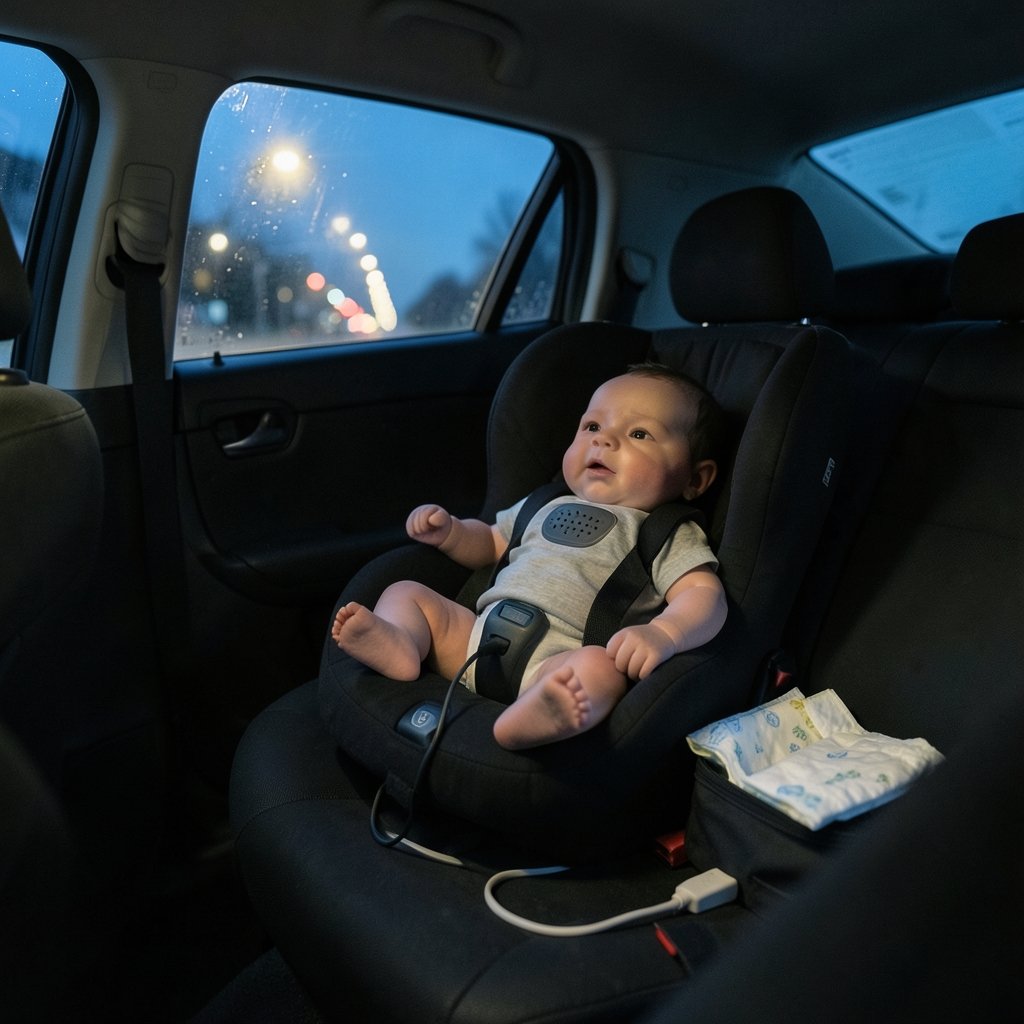
What makes a doll feel so real that a grown adult instinctively cradles it? That is the strange magic of the interactive newborn doll — a battery-powered baby that cries, coos, breathes, and sometimes even demands a diaper change. These dolls sit somewhere between toy, teaching tool, and collector’s item, and that blurry middle ground is exactly where buyers get confused.
This guide cuts through the marketing. It covers how these dolls actually work, where they came from, what the safety rules really say, and the mistakes people make when they buy one. (Canada money canadian dollar actually works)
What Counts as an Interactive Newborn Doll?
An interactive newborn doll is a battery-powered doll sized and weighted like a human infant. It responds to handling with sounds such as crying, cooing, or breathing, and some models add motion, feeding cues, or diaper-change prompts.
The category is narrower than it first appears. It is distinct from passive baby dolls, which do nothing but sit there, and from infant simulators used in parenting education, which are a separate product class with a different job. A doll that plays a recorded giggle when you squeeze its hand is interactive in a basic sense. A doll that tracks whether you fed it on schedule is a simulator.
Buyers should also separate interactive newborn dolls from reborn dolls. Reborn dolls are hand-painted vinyl babies made to look photorealistic. Most are not electronic at all, though some are fitted with heartbeat or breathing mechanisms. Many reborn collectors are adults. That distinction matters later, because it changes which safety rules apply.
A Short, Slightly Messy History
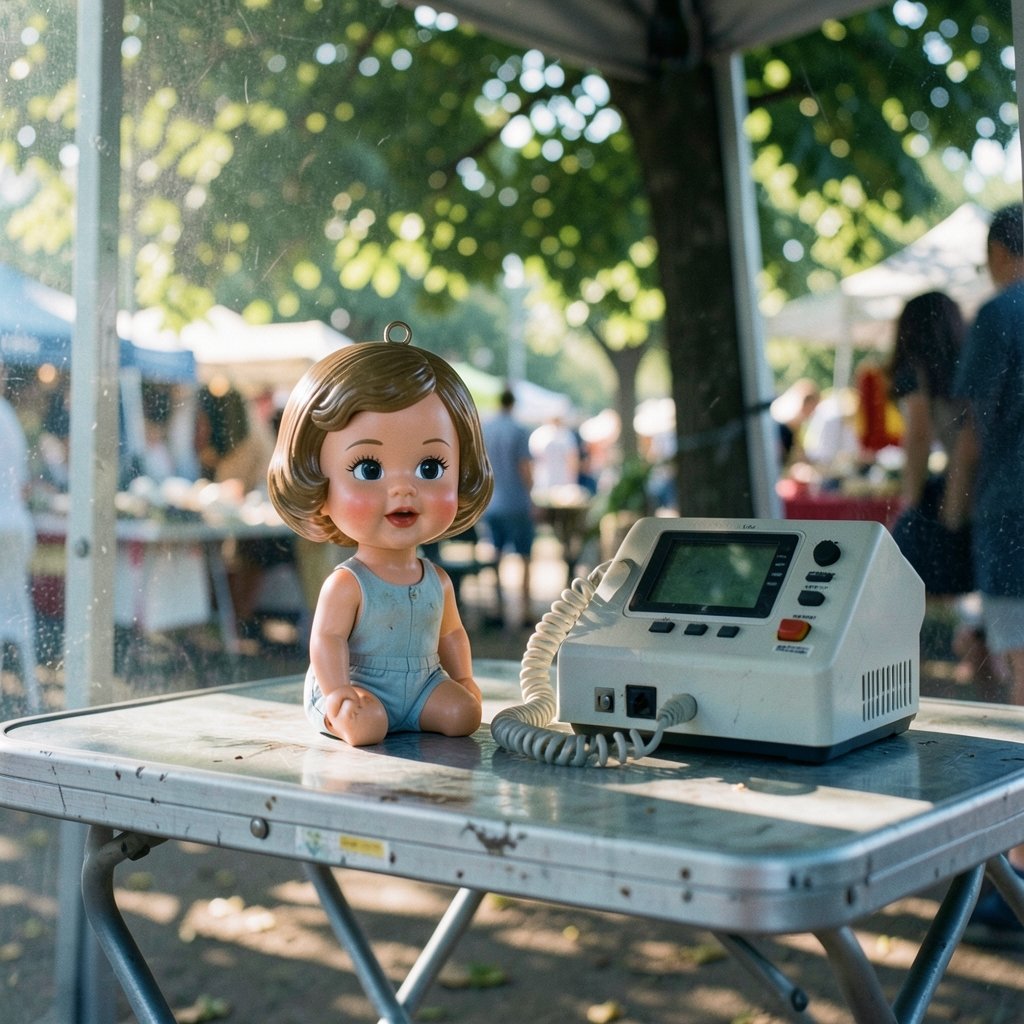
The electronic doll is older than most people assume. One of the first mass-market dolls with electronic crying and response features is generally credited to Mattel’s Baby Secret in 1965, which whispered when its string was pulled. Around the same time, television gave the world Talking Tina, a doll from a 1964 Twilight Zone episode. Hobbyist sources sometimes call Talking Tina the first “interactive” doll, but that claim is contested — it was a fictional tie-in, not a newborn-style baby, and the label depends entirely on how loosely you define interactive.
The better-documented milestone is RealCare Baby, originally sold as Baby Think It To Go. Developed by Rick Jurmain and marketed by Realityworks from 1993, it cries on a schedule and records mishandling and neglect. Schools use it in parenting and teen-pregnancy-prevention curricula. It is a simulator, not a toy, and mixing the two up is one of the most common buying errors.
On the consumer side, Hasbro’s Baby Alive line, introduced in 2008, brought interactive feeding and changing play to mainstream toy shelves. That line, plus various reborn-style interactive dolls, defines most of what shoppers see today.
How These Dolls Actually Work
Under the soft vinyl exterior, most interactive newborn dolls run on a fairly simple recipe:
- A small circuit board that stores sound files and runs a response script.
- Sensors or switches triggered by motion, pressure, a bottle, or a magnetic dummy.
- A speaker for crying, breathing, and cooing sounds.
- A battery compartment, usually AA or button cells, often behind a screw-secured panel.
The sophistication varies wildly. Budget dolls run a short loop of pre-recorded sounds. Higher-end models add breathing motion, sleep cycles, and multi-stage care routines that require the child to respond in sequence.
The weighting is the part people underestimate. A doll filled with sand or glass beads to feel like a real newborn — roughly 3 to 4 kilograms — is genuinely tiring to carry for an hour. That is the point for simulator use. For a five-year-old who wants a cuddly toy, it can be a fast route to frustration.
Toy, Teaching Tool, or Collectible?
The same physical object can be classified three different ways, and the label determines which safety rules apply. That is a genuine gray zone, not a technicality.
| Category | Typical buyer | Main purpose | Safety framework |
|---|---|---|---|
| Toy | Children under 14 | Play | ASTM F963 and CPSIA in the US; Toy Safety Directive 2009/48/EC in the EU |
| Infant simulator | Schools, health programs | Parenting education | Often treated as educational equipment |
| Adult collectible | Adult hobbyists | Display, realism | May fall outside toy standards entirely |
That last row is the unsettled one. Dolls sold to adults as collectibles may not be classified as “toys” under ASTM F963 or the EU Toy Safety Directive, which changes the applicable safety requirements. In practice, this means a photorealistic doll marketed to adult collectors might not carry the same child-safety testing as a doll sold in the toy aisle.
Safety: The Battery Is the Real Story
In the US, dolls marketed for children under 14 fall under ASTM F963, the Standard Consumer Safety Specification for Toy Safety, and the Consumer Product Safety Improvement Act of 2008 (CPSIA), which limits lead and phthalates. In the EU, the Toy Safety Directive 2009/48/EC applies.
Battery compartments on electronic dolls are a specific choke and ingestion hazard focus. Button batteries are the sharpest concern: they can cause severe internal injury within hours if swallowed. Electronic dolls with button batteries have been subject to recalls over battery-compartment access, and the pattern repeats across the category.
Practical checks before you buy:
- Look for a screw-secured battery panel. A compartment a child can pop open with a fingernail is a red flag.
- Check the recall database first. Search the US Consumer Product Safety Commission recall database for “doll” before buying a specific model, especially secondhand.
- Confirm the age grading. A doll labeled for ages 3 and up has passed different testing than one labeled 14 and up.
- Inspect secondhand dolls closely. Missing screws and cracked battery doors are common on resale listings.
Does the Simulator Approach Even Work?
Here is where the story gets genuinely surprising. The intuitive expectation is that giving a teenager a crying, demanding fake baby will discourage early parenthood. The evidence does not line up neatly with that expectation.
A widely cited randomized study by Barnett (2006) in the journal Pediatrics found that teen girls who used infant simulators were more likely to become pregnant than controls. The result was counterintuitive and has been debated since, but it has not been quietly buried. It is a useful caution against assuming that realism equals effectiveness.
Note the careful wording: that finding applies to infant simulators in teen-pregnancy-prevention programs, not to a child playing with a Baby Alive on a Saturday afternoon. The two products get lumped together in marketing and in conversation, and they should not be.
Where the Money Actually Goes
There is no reliable public market-size figure for interactive newborn dolls, and any number you see quoted with confidence deserves skepticism. What is clear is the spread. Entry-level interactive dolls sell for modest toy-aisle prices. Weighted, multi-function simulators cost considerably more. Hand-finished reborn dolls with breathing mechanisms sit at the top, sometimes at prices that surprise first-time buyers.
For a sense of how quickly “realistic” pricing can climb once a product borrows real-world credibility, it helps to look at how value gets constructed in adjacent money-and-hobby conversations — the same psychology that drives collectors’ pricing shows up in how much money it takes to read a dollar figure properly. The pattern is familiar: perceived realism plus scarcity equals markup. (New zealand money notes coins dollar really worth)
What Actually Works in Practice
A few things separate a happy purchase from a doll that ends up in a cupboard by week two.
Match the doll to the child, not the photo. A weighted newborn that feels wonderful in the box is heavy for a small child. If the doll is meant for cuddling and carrying, lighter is better. If it is meant to teach responsibility, weight is the feature.
Test the sound volume before committing. Some interactive dolls are startlingly loud, and there is often no volume control. A doll that shrieks at 2 a.m. because its sleep cycle triggered will not stay in the house long.
Check how the doll resets. The most common frustration is a doll that gets stuck mid-routine and will not stop crying until the batteries are pulled. Look for a clear reset function or an off switch.
Buy the right batteries in advance. Button-cell dolls eat batteries, and the correct size is not always the one in the drawer.
Read the age grading, not the box art. A photorealistic doll photographed next to a toddler may still be graded 14 and up because it is a collectible, not a toy.
The Reborn Overlap
The line between interactive newborn dolls and reborn dolls keeps blurring. Traditional reborns are non-electronic, hand-painted, and often collected by adults. Increasingly, makers fit them with heartbeat or breathing mechanisms, which pushes them toward the interactive category without making them toys.
This matters for two reasons. First, safety classification: an adult collectible may not be tested to child-toy standards. Second, expectation: a buyer hoping for a cuddly toy may end up with a display piece that is not designed to survive a preschooler.
If the appeal is realism rather than interaction, a non-electronic reborn is often the better and cheaper choice. If the appeal is response — crying, feeding, reacting — an interactive doll is the right lane.
Conclusion
The interactive newborn doll is three products wearing one name: a plaything, a teaching simulator, and an adult collectible. Most buyer disappointment comes from crossing those wires — buying a simulator for a toddler, or a collectible for a child who wants to carry it around.
Get the category right first. Then check the battery compartment, the age grading, and the reset function. The realism is the selling point, but the boring details are what keep the doll in use past the first week. And if a doll ever feels less like a toy and more like a test, remember that the evidence on simulators is mixed at best. A doll can teach care and responsibility. It cannot guarantee an outcome, and no product should be sold as if it can.
Frequently Asked Questions
What age is an interactive newborn doll suitable for?
It depends entirely on the age grading on the box. Dolls sold as toys for children under 14 fall under toy safety standards such as ASTM F963 and the CPSIA in the US, and Toy Safety Directive 2009/48/EC in the EU. Dolls sold as adult collectibles may carry a 14-and-up grading and skip child-toy testing. Always read the grading rather than the product photos.
What is the difference between an interactive newborn doll and an infant simulator?
An interactive newborn doll is a consumer product that responds to handling with sounds and sometimes motion. An infant simulator is an educational tool, such as RealCare Baby, that cries on a schedule and records mishandling and neglect for school programs. They look similar but serve different purposes and are subject to different expectations.
Are interactive newborn dolls safe for young children?
Most are, provided they carry a proper child age grading and meet toy safety standards. The main hazard is the battery compartment, particularly button batteries, which can cause severe internal injury if swallowed. Look for a screw-secured battery panel, check the CPSC recall database before buying, and inspect secondhand dolls for missing screws or cracked doors.
Do infant simulators actually prevent teen pregnancy?
The evidence is mixed and does not support a simple yes. A widely cited randomized study by Barnett published in Pediatrics in 2006 found that teen girls who used infant simulators were more likely to become pregnant than controls. That finding has been debated, but it is a strong caution against assuming realism equals effectiveness.
Is a reborn doll the same as an interactive newborn doll?
No. Reborn dolls are hand-painted, often non-electronic vinyl dolls made to look photorealistic, and many are collected by adults. Some are fitted with heartbeat or breathing mechanisms, which pushes them toward the interactive category. The distinction matters because adult collectibles may not be classified as toys under applicable safety standards.
Why does my interactive doll keep crying and not stop?
Most often the doll is stuck mid-routine, the batteries are low, or a sensor is being triggered by how it is lying. Check for a reset function or an off switch, replace the batteries with the correct size and type, and make sure nothing is pressing on the doll’s sensors. If the problem persists, check whether the model has a known recall or fault report.



