
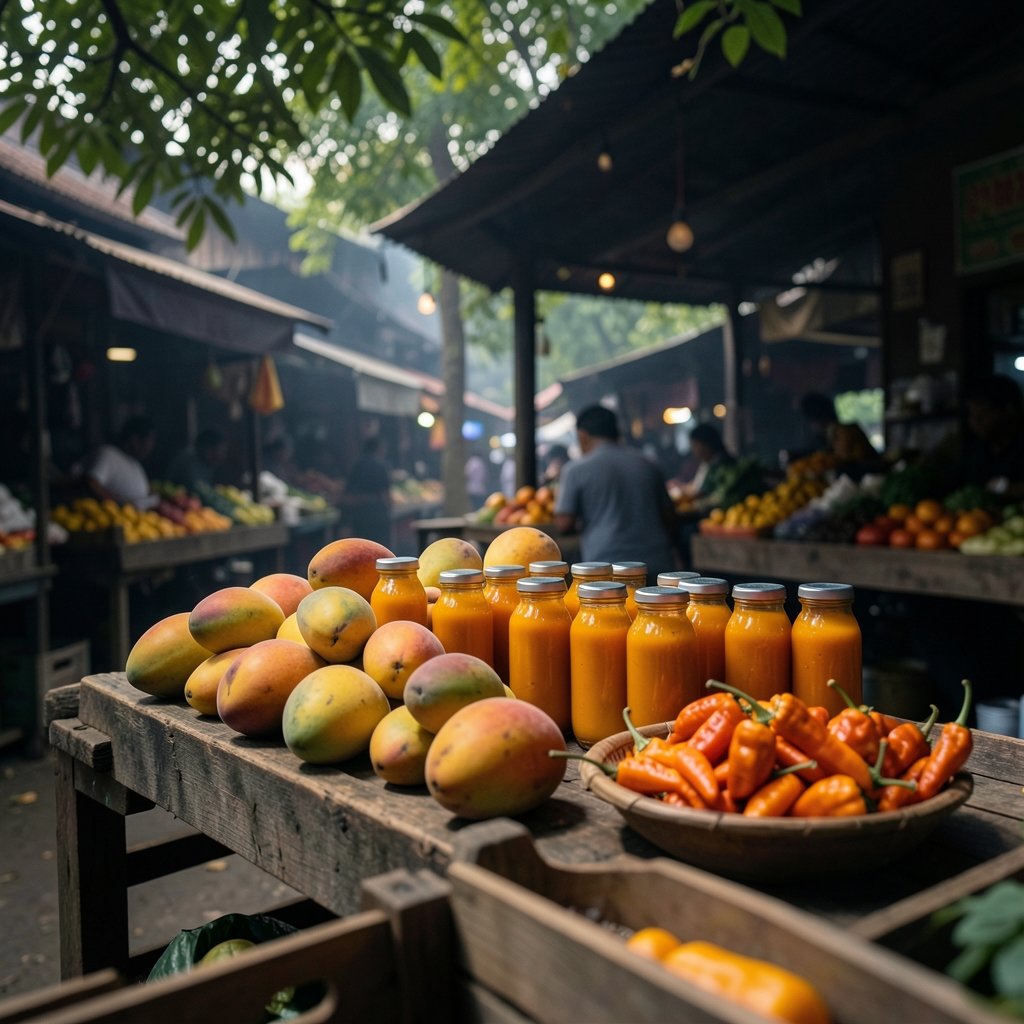
What happens when you pair one of the world’s hottest chili peppers with one of its sweetest tropical fruits? You get mango habanero sauce, a condiment that has gone from Caribbean kitchens and restaurant menus to supermarket shelves and home pantries. It is sweet, it is fiery, and it is surprisingly versatile. But it is also easy to get wrong, whether you are buying a bottle or making a batch at home. This guide breaks down what mango habanero sauce actually is, how hot it really gets, how to choose a good one, and how to use it without overwhelming your food.
What Is Mango Habanero Sauce?
Mango habanero sauce is a fruit-based hot sauce that combines ripe mango with habanero peppers, usually along with vinegar, sugar or another sweetener, and often garlic, onion, lime, or spices. The result is a thick, often orange-colored sauce that balances intense heat against tropical sweetness and a tangy finish.
The habanero is a member of the Capsicum chinense family. It is commonly rated at roughly 100,000 to 350,000 Scoville Heat Units, though published ranges vary by source and by the specific cultivar. That puts it well above a jalapeño and in the same neighborhood as some of the hotter supermarket peppers, though below superhots like the Carolina Reaper.
The name “habanero” comes from Havana, but the pepper’s cultivation center is the Yucatán Peninsula of Mexico. The etymology and origin details differ somewhat across sources, so it is best to treat the “Havana” story as a naming convention rather than a precise botanical fact.
What makes the sauce work is contrast. Mango brings sugars and some acidity that soften the burn, while the habanero brings a fruity, almost floral heat that is different from the sharper bite of a cayenne or the smoky depth of a chipotle. That fruit-forward heat is why mango habanero has become a recognized product category in the hot sauce market, typically built around mango purée, habanero, vinegar, and sweeteners.
How Hot Is Mango Habanero Sauce, Really?
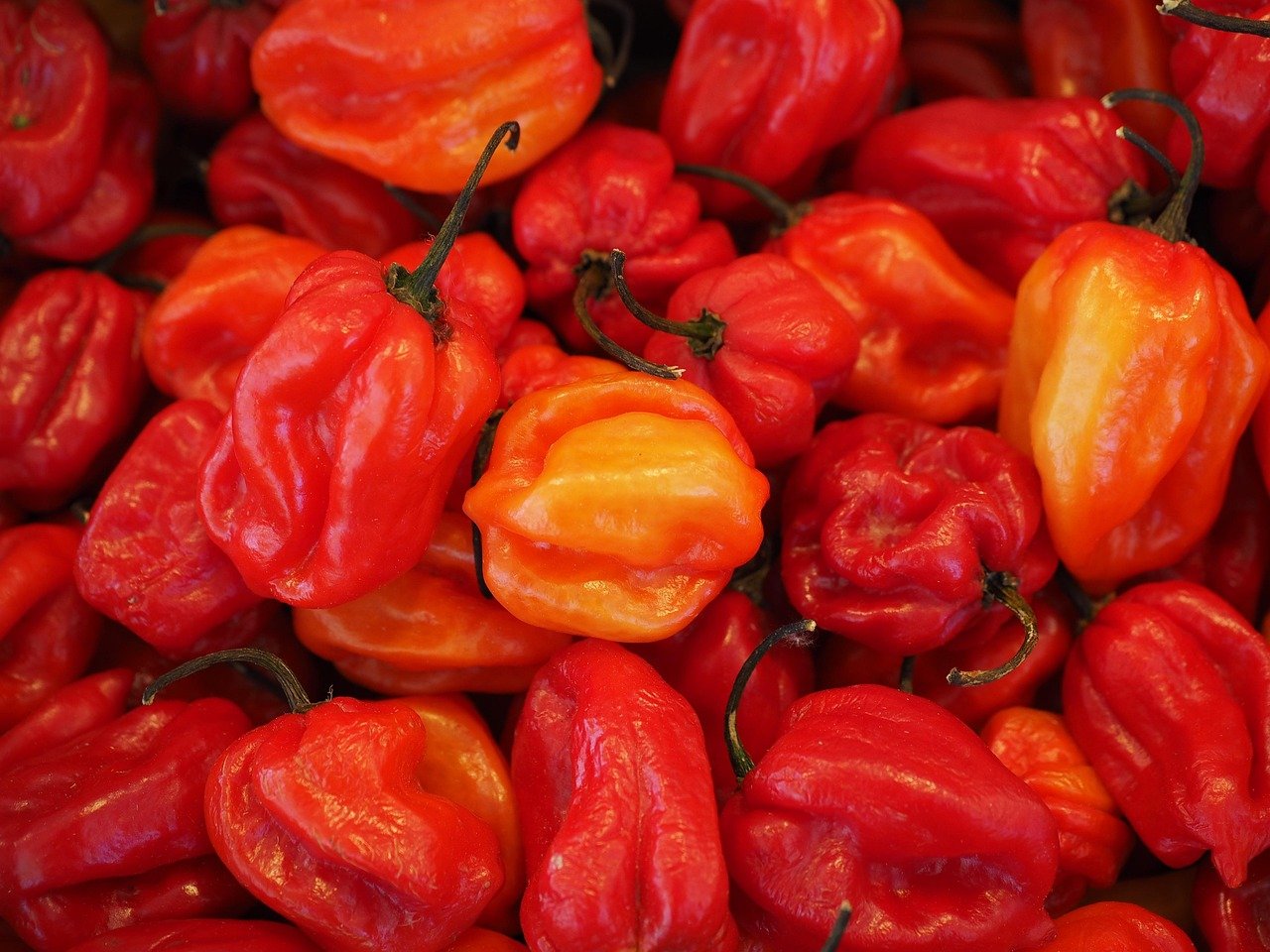
This is where most people get surprised. The heat of a mango habanero sauce depends almost entirely on the ratio of pepper to fruit, and that ratio varies wildly from bottle to bottle.
Some commercial sauces are mild enough to drizzle on a salad. Others will make your eyes water after a single drop. Because “habanero” is not a protected term and there is no standard recipe, two bottles with identical labels can deliver completely different experiences. The only reliable way to judge a sauce is to read the ingredient list and taste a small amount first.
Why the Burn Feels the Way It Does
Pepper heat comes from capsaicinoids, chiefly capsaicin. Capsaicin activates the TRPV1 receptor in your mouth and skin, which is the same receptor that senses actual physical heat. That is why a hot sauce feels like burning rather than tasting like a flavor. The sensation is real to your nervous system even though no temperature change has occurred.
Sweetness does not neutralize capsaicin. What mango does is distract and balance. Sugar and fruit acids round out the sharp edges of the burn, making a hot sauce feel more pleasant without actually reducing its Scoville rating. If you want to genuinely cool your mouth, dairy works better than fruit because casein in milk helps strip capsaicin from the receptors.
How to Read a Mango Habanero Label
Ingredient order is your best tool. Under US FDA labeling rules, ingredients are listed in descending order by weight. So if mango is the first ingredient, the sauce is mostly mango. If habanero appears first, brace yourself.
| Label Signal | What It Usually Means | Best For |
|---|---|---|
| Mango listed first | Fruit-forward, milder, thicker | Dipping, salads, mild palates |
| Habanero listed first | Pepper-forward, hotter, thinner | Heat lovers, marinades |
| Vinegar near the top | Tangier, thinner, more shelf-stable | Wings, tacos, acid balance |
| Sugar or syrup high in list | Sweeter, stickier, more glaze-like | Grilling, roasting |
| Fruit juice concentrate early | Sweeter with less real mango | Budget sauces, sweet glazes |
A few practical tips from people who cook with this sauce regularly:
- Shake before every use. Mango purée settles, and the first pour from a new bottle can be much hotter or sweeter than the last.
- Taste on a neutral base first. Put a drop on a plain cracker or a spoon of rice. You will learn the sauce’s real heat level before you commit it to a whole dish.
- Check the thickness. A sauce that pours like water is built for coating and marinating. A thick, jammy sauce is better as a dip or finishing glaze.
- Do not assume “mango” means mild. Plenty of mango habanero sauces are genuinely hot. The fruit is a balancer, not a mute button.
Making Mango Habanero Sauce at Home
Homemade mango habanero sauce gives you full control over heat, sweetness, and texture. The basic formula is simple: fruit, pepper, acid, aromatics, and a little sweetness.
A Reliable Starting Ratio
A common approach is roughly two parts ripe mango to one part habanero by weight, then adjust from there. If you want a milder sauce, use one habanero per two mangoes. If you want serious heat, flip it. Add vinegar or lime juice for tang, garlic and onion for depth, and a pinch of salt to wake everything up.
- Prep safely. Wear gloves when handling habaneros. Do not touch your face, and wash your hands and cutting board thoroughly afterward. Capsaicin lingers on surfaces and transfers easily.
- Blend the base. Combine mango, seeded habaneros, vinegar, garlic, and a little sugar or honey. Blend until smooth.
- Simmer gently. Heat the mixture for about 10 to 15 minutes to meld the flavors and thicken it slightly. Stir often.
- Adjust and cool. Taste carefully, then add more acid, salt, or sweetener. Let it cool before bottling.
- Store properly. Keep it refrigerated and use it within a couple of weeks for the best flavor.
The Food-Safety Step Most People Skip
Here is the mistake that matters most. Home-made fruit and vegetable sauces are low-acid foods, and low-acid sauces that are bottled and stored at room temperature can support the growth of Clostridium botulinum, the bacterium behind botulism. The standard safeguard is to acidify the sauce so it reaches a pH of 4.6 or below. Vinegar and lemon or lime juice are the usual tools.
If you plan to can, bottle, or gift your sauce for shelf storage, follow tested acidification and canning guidance rather than guessing. For a fridge-only sauce eaten within two weeks, the risk is much lower, but the acid still matters for flavor and safety. A pH meter is a worthwhile purchase if you make sauce often.
Common Mistakes to Avoid
- Under-ripening the mango. Hard, tart mango makes a thin, sour sauce. Use fruit that is soft and fragrant.
- Skipping the simmer. Raw blended sauce tastes flat and separates. A short cook brings it together.
- Over-sweetening. Too much sugar turns the sauce into syrup and buries the pepper’s fruity notes.
- Leaving seeds in by accident. Seeds add bitterness and unpredictable heat. Seed the peppers unless you want maximum fire.
- Tasting with a big spoon. Start with a drop. Capsaicin builds, and a spoonful can escalate fast.
How to Use Mango Habanero Sauce
This sauce shines anywhere you want sweet heat. It works as a dipping sauce for chicken tenders, a glaze for grilled shrimp, a drizzle over tacos, a sandwich spread, or a finishing touch on roasted vegetables like cauliflower and sweet potato. It also pairs well with cream cheese on a cracker, where the dairy softens the burn and the fruit cuts the richness.
A few pairing principles help more than any single recipe:
- Match sweetness to fat. Fatty foods like pork, cheese, and avocado handle sweet-hot sauces beautifully.
- Use acid to lift. A squeeze of lime over a mango habanero dish keeps it from tasting heavy.
- Add it late for glaze, early for marinade. Sugar in the sauce burns quickly, so brush it on near the end of grilling.
- Keep a cooling side nearby. Rice, tortillas, or a yogurt-based dip give your mouth a break.
Buying Mango Habanero Sauce: What to Look For
When shopping, prioritize sauces with real mango near the top of the ingredient list rather than fruit concentrate or corn syrup. Look for a clear acid (vinegar or citrus) and recognizable aromatics. Avoid bottles with long lists of artificial colors and “natural flavors” that hide the fruit.
Consider your intended use before you buy. A thin, vinegar-forward sauce is great for wings and tacos. A thick, fruit-heavy sauce is better for dipping and glazing. If you are sensitive to heat, buy a bottle labeled mild or start with a sauce where mango leads the list. If you love heat, look for habanero-first formulations and check reviews for heat level before committing to a large bottle.
For more ideas on pairing sauces with meals and building a pantry that works harder, explore the guides at
Conclusion
Mango habanero sauce is one of those rare condiments that earns its place in the kitchen because it does two jobs at once. It brings real heat and real fruit, and the tension between them is the whole point. The key is knowing what you are buying or making. Read the label, taste before you commit, acidify homemade batches properly, and match the sauce’s sweetness and thickness to the food in front of you. Do that, and a single bottle can carry everything from weeknight tacos to a weekend grill session. Get the balance right, and the burn becomes the fun part.
Frequently Asked Questions
Is mango habanero sauce very hot?
It varies widely. Habaneros are commonly rated around 100,000 to 350,000 Scoville Heat Units, but the mango and sweeteners dilute that significantly. Some sauces are mild enough for dipping, while others are seriously hot. Always taste a small amount first and check where habanero sits in the ingredient list.
What does mango habanero sauce taste like?
It tastes sweet, fruity, tangy, and fiery all at once. Ripe mango brings tropical sweetness and body, the habanero adds a fruity, slightly floral heat, and vinegar or lime provides a tangy finish. Garlic, onion, and spices often add depth in the background.
Is mango habanero sauce the same as mango salsa?
No. Salsa is a chunky, fresh mixture, usually tomato- or fruit-based, and is served cold. Mango habanero sauce is blended, cooked or acidified, and pourable, designed as a condiment or glaze. They share ingredients but differ in texture, shelf life, and use.
Can I make mango habanero sauce less spicy?
Yes. Use fewer habaneros, remove the seeds and white pith, add more mango, or stir in a little honey or cream. Dairy and fat help cool the burn on your palate, but they do not remove capsaicin from the sauce itself. For a truly mild version, start with one pepper per two mangoes.
How long does homemade mango habanero sauce last?
Refrigerated homemade sauce is usually best within about two weeks. If you want to store it longer at room temperature, you must acidify it to a pH of 4.6 or below and follow tested canning guidance. Freezing in small portions is a safe way to extend shelf life without canning.
What foods go well with mango habanero sauce?
It pairs well with grilled chicken, shrimp, pork, fish tacos, burgers, roasted cauliflower, sweet potato, and cream cheese appetizers. The general rule is to match sweet heat with fat, acid, and something starchy or creamy on the side to balance the burn.



