
Quick Answer: Is it better to exercise after eating or before?
It depends on your goal, your gut, and how long you plan to train. For most people chasing better performance, a light meal or snack 1 to 3 hours before exercise wins; for short, easy morning sessions, training before eating is perfectly fine and easier on the stomach.
The two approaches differ mostly in fuel availability and comfort: eating first supports longer or harder sessions, while fasted training burns more fat during the session itself but rarely changes long-term body composition. Before deciding, check your session length and intensity, your digestion, your blood-sugar status, your schedule, and whether you actually enjoy the routine enough to repeat it.
Why This Question Refuses to Die
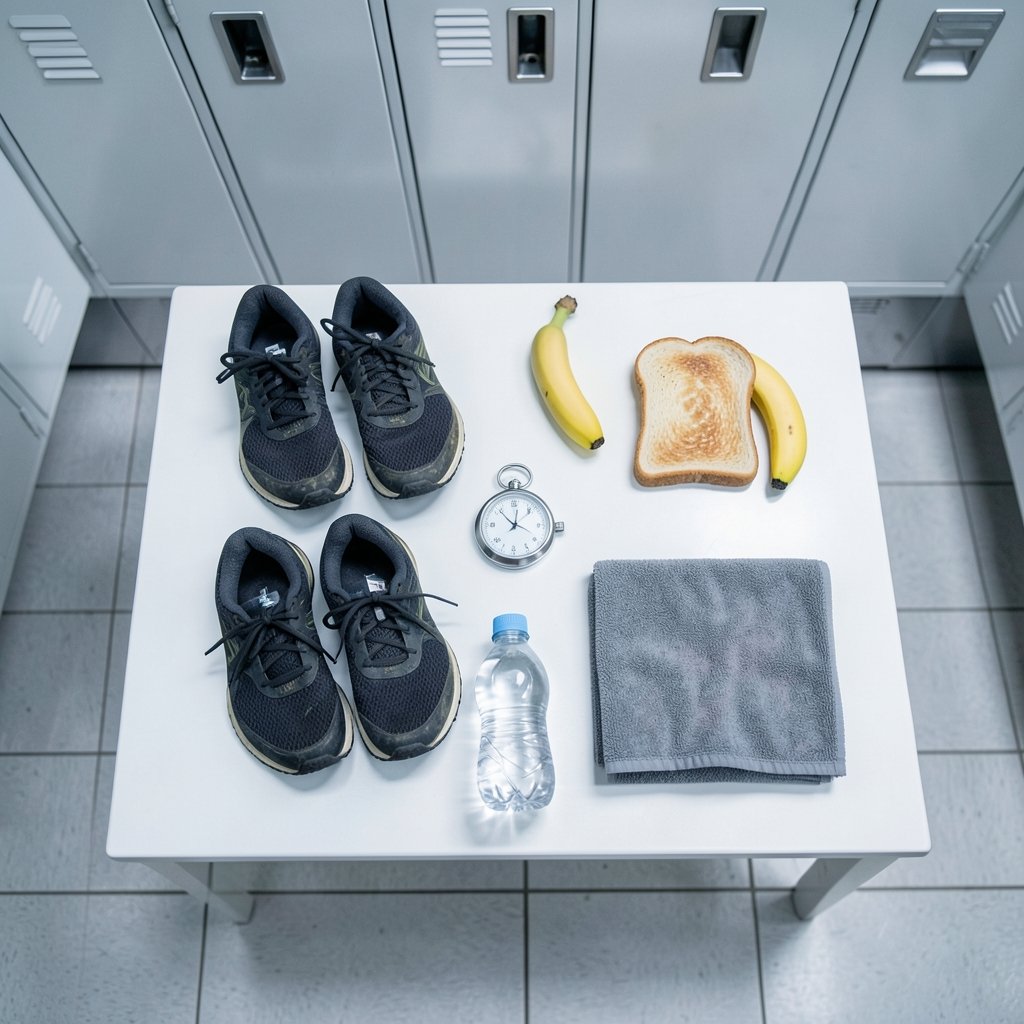
Does the thought of lacing up on an empty stomach make you feel virtuous, or just dizzy? Few fitness debates get people as fired up as the eat-first versus train-first argument. Gym floors have their fasting evangelists. Running clubs have their toast-and-banana loyalists. Both groups swear their way is the only way, and both can point to something that sounds like science.
Here is the less dramatic truth: the research is far more balanced than the internet suggests. Timing relative to a meal matters, but it matters differently depending on what you are trying to do. A sprint session, a long ride, a gentle walk, and a fat-loss plan all have different demands. Treating them as one question is where most people go wrong.
What follows is a practical breakdown of what the evidence supports, where the trade-offs sit, and how to pick a routine you will actually stick with.
What “Fasted” and “Fed” Really Mean
Before comparing, it helps to define terms, because people use them loosely.
Fasted exercise usually means training after an overnight sleep or at least six hours without food. A black coffee and water do not break the fast in most practical definitions. Fed exercise means training one to three hours after a meal or a carbohydrate drink. There is a middle ground too: a small snack 30 to 60 minutes before training, which many people tolerate better than a full meal.
Notice that the real-world question is rarely about skipping food for a whole day. It is about timing relative to your last meal. That framing makes the decision much simpler.
The Fat-Burning Argument, Examined
The strongest card fasted training holds is metabolic. A 2010 review by Achten and Jeukendrup concluded that eating carbohydrate before exercise reduces fat oxidation during the session, while fasted exercise increases it. That finding is real and repeatable. Train before breakfast and your body leans harder on fat for fuel during that workout.
The leap people make is assuming more fat burned during a session equals more fat lost over weeks. That leap does not hold up well. A 2014 trial by Schoenfeld and colleagues found no significant difference in fat loss or lean-mass change between fasted and fed aerobic exercise over four weeks in resistance-trained women. The body is not a simple ledger where session-level fuel use equals long-term body composition.
Think of it like spending versus saving. Burning fat during a workout is a snapshot of spending. Total fat loss over a month depends on the whole picture, including how much you eat later and how hard you trained. Fasted exercise often nudges people to eat more afterward without noticing, which quietly cancels the advantage.
Where Eating First Clearly Wins
If performance is the goal, food usually helps. Pre-exercise carbohydrate can improve endurance performance in sessions lasting roughly 60 to 90 minutes or more. For short sessions under an hour at low to moderate intensity, the effect is small or absent, which is why a 20-minute walk before breakfast is not a problem for most people.
The pattern is straightforward: the longer and harder the session, the more a pre-workout meal earns its place.
| Session type | Fasted | Fed (1–3 h before) |
|---|---|---|
| Easy walk or light jog under 30 min | Fine for most | Fine, but unnecessary |
| Moderate cardio 30–60 min | Usually fine | Slight edge in comfort and energy |
| Hard intervals or heavy lifting | Risky for energy and focus | Clearly better |
| Endurance 90 min or more | Not recommended | Strongly recommended |
| Morning training with a sensitive stomach | Often preferred | Keep the meal small and early |
A 2018 meta-analysis by Aird, Davies, and Carson found no clear performance benefit from fasted training compared with fed training across the studies it reviewed. That is a useful corrective to claims that fasting is a performance hack. It is not. At best, it is neutral for short sessions and a handicap for long ones.
The Gut Is the Referee
Here is where practical experience beats theory every time. Many people who try to eat a full meal an hour before a hard run learn quickly that their digestive system has opinions. High-fat, high-fibre, or large meals close to training are common triggers for cramping, reflux, and that heavy, sloshy feeling.
The workaround is not complicated. Either leave one to three hours between a proper meal and training, or eat a small, low-fibre, low-fat snack 30 to 60 minutes out. A banana, a slice of toast with honey, or a small bowl of easy-to-digest cereal does the job for most people. Save the big salad and the bean stew for after.
If you are someone who simply cannot eat early, do not force it. Train fasted on short, easy days and eat properly afterward. The routine you can repeat beats the theoretically optimal one you dread. This same principle of checking the practical details before committing applies to plenty of everyday tech decisions too, like the checks in this guide to common iPhone problems and how to fix them before you panic, where small setup details decide the outcome.
Blood Sugar Changes the Rules
For people with diabetes, especially type 1, this is not a lifestyle preference question. Exercise timing relative to meals and insulin directly affects hypoglycaemia risk. Public guidance from Diabetes UK and international consensus statements advise individualised timing and monitoring rather than a universal rule. Anyone in this position should work out a personal plan with their care team, including how to adjust insulin and when to check glucose around training.
For everyone else, blood sugar still matters in a milder way. Training fasted can leave you lightheaded if you are prone to it, and training right after a large sugary meal can leave you sluggish. Both are signals to adjust timing, not to abandon the habit.
What About “Train Low” for Better Adaptation?
There is a genuine line of research suggesting that exercising with low glycogen can amplify certain training adaptations, such as mitochondrial signalling. The idea is that a stressed muscle adapts more. Early studies made this look promising.
The 2018 meta-analysis mentioned earlier poured some cold water on it. When researchers pooled the performance data, fasted training did not produce a clear performance edge over fed training. Some cellular markers move in a favourable direction; the outcome that most people care about, getting faster or stronger, does not reliably follow.
The honest summary is that train-low is a tool for some athletes in specific phases, not a universal upgrade. If you are curious, the sensible approach is to keep most hard sessions fed and experiment with fasted work only on easy days.
A Note on Lifting Weights
Resistance training has its own logic. Heavy lifting is demanding, and going in under-fuelled tends to show up as weaker sets and worse focus, especially in longer sessions. A modest pre-workout meal with carbohydrate and some protein, eaten one to two hours before, is a reasonable default.
Training fasted for a short, light lifting session is not dangerous for most healthy people, but it is rarely the best choice for a session where you are chasing personal bests. If your goal is muscle and strength, fuel the work.
How to Test It on Yourself
Reading studies only gets you so far. The useful step is a short personal experiment. Try this sequence:
- Pick one repeatable session, such as a 5 km run or a standard lifting workout.
- Do it fasted once and note your energy, focus, and how you felt afterward.
- Repeat the same session 48 hours later, fed with a small meal two hours before.
- Compare honestly on energy, performance, and comfort, not on how virtuous you felt.
- Keep the version that produced the better session and fit your schedule.
Most people discover a clear personal pattern within two weeks. Some find they are genuinely fine fasted for easy work and miserable for hard work. Others find the opposite. Your own data beats a generic rule.
Common Mistakes That Undo the Benefit
A few errors show up again and again.
Overeating after a fasted session. This is the big one. A hard fasted workout can leave you ravenous, and an oversized breakfast erases any fat-burning edge. Plan the post-workout meal in advance so hunger does not decide the portion.
Eating a huge meal too close to training. Give yourself the full one to three hours, or shrink the meal. Discomfort mid-session is avoidable.
Assuming fasted means no water. Hydration still matters. Dehydration will hurt performance far more than a missed snack.
Treating one study as gospel. Most of this research involves small groups over short periods. Long-term fat-loss and health outcomes are under-studied. Claims that one timing is better for everyone are not supported by the evidence.
Ignoring sleep and total calories. Timing is a small lever. Sleep, overall diet quality, and consistency move the needle far more. If you want a reminder of how much small setup details matter before you commit to a purchase or a plan, this breakdown of what money counting machine buyers get wrong before they spend makes the same point in a different arena.
Matching Timing to Your Actual Goal
Different goals point to different defaults. Here is a simple map.
| Your main goal | Sensible default |
|---|---|
| General health and habit-building | Whatever timing you will repeat most often |
| Fat loss | Total calorie intake matters more than timing; pick the option that controls appetite |
| Endurance performance | Eat carbohydrate 1–3 hours before longer or harder sessions |
| Strength and muscle | Small meal with carbs and protein 1–2 hours before lifting |
| Sensitive stomach | Train fasted or with a tiny snack, then eat a proper meal after |
| Diabetes management | Individualised plan with your care team, with monitoring |
The pattern is consistent: fuel the sessions that need fuel, and do not overthink the easy ones. For readers who like to check compatibility and specs before committing to a change, the same careful approach shows up in guides like this RTX 5070 vs 5070 Ti compatibility check before 2027, where matching the plan to the actual demands is the whole game.
Conclusion
So is it better to exercise after eating or before? For most people, most of the time, eating something light before training is the safer bet for performance and comfort, especially for longer or harder sessions. Fasted training is a legitimate option for short, easy workouts, and it does raise fat oxidation during the session. What it does not reliably do is produce more fat loss or better performance over time.
The deciding factors are simple: how long and hard you are training, how your stomach handles food before exercise, whether blood sugar is a concern, and what fits your schedule. Get those right and the timing question mostly answers itself. Pick the routine you can repeat, fuel the sessions that demand it, and let the small stuff stay small.
FAQ
Can I exercise immediately after eating?
Most people can manage light activity like a walk right after a meal, and some find it aids digestion. For anything moderate or hard, give yourself at least an hour, and closer to two or three hours after a large meal. Rushing it usually means cramping or reflux rather than better results.
Does fasted cardio burn more fat over time?
It burns more fat during the session, but trials comparing fasted and fed aerobic exercise over several weeks have found no significant difference in fat loss or lean mass. Total calorie intake and consistency matter far more than the timing of your first meal.
What should I eat before a morning workout?
Keep it small, low in fat and fibre, and heavy on easy-to-digest carbohydrate. A banana, toast with honey, or a small bowl of cereal eaten 30 to 60 minutes before training works well for most people. If you have more time, a proper meal one to three hours out is even better.
Is fasted training bad for building muscle?
It is not dangerous, but it is rarely optimal. Heavy lifting on an empty stomach tends to mean weaker sets and worse focus. A modest meal with carbohydrate and some protein one to two hours before training supports better sessions and recovery.
How long should I wait after eating to run?
For a small snack, 30 to 60 minutes is usually enough. For a full meal, aim for two to three hours, and longer if the meal was high in fat or fibre. Test it on easy runs first so you learn your own tolerance before race day.
Can I train fasted if I have diabetes?
This needs a personal plan rather than a general rule. Exercise timing relative to meals and insulin affects hypoglycaemia risk, and guidance recommends individualised timing with monitoring. Speak with your care team before making fasted training part of your routine.



