
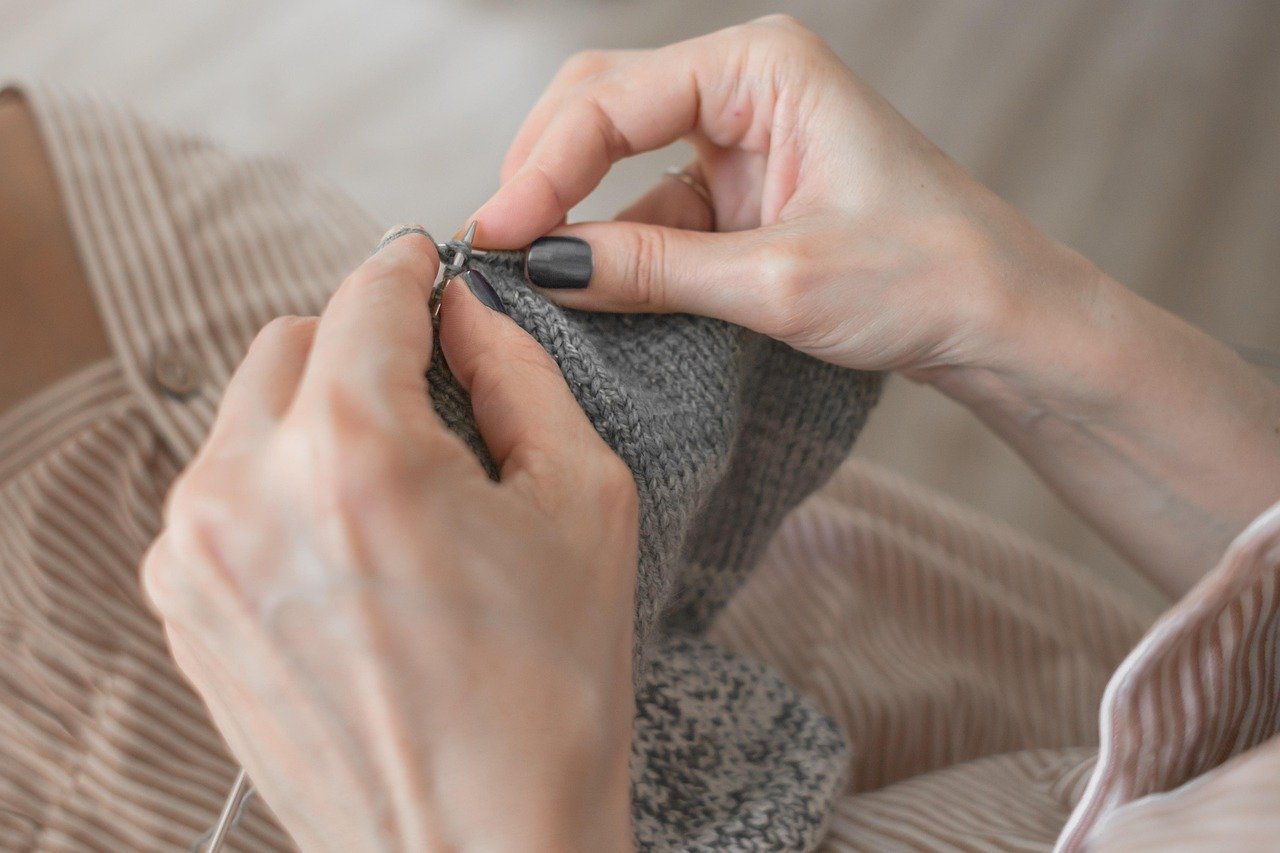
What if the hardest part of a new knitting project wasn’t the pattern, the cables, or the colorwork, but the very first row? For a lot of people, that’s exactly where things stall. The cast-on is the start of everything else, and if it twists, pulls too tight, or comes undone, the whole project feels doomed before it starts. The knitted cast-on is one of the friendliest ways to begin, and it deserves a closer look.
This method builds a new row of stitches by literally knitting them, one loop at a time, onto the needle. It’s simple, it’s forgiving, and it produces an edge that’s firm enough to hold its shape but stretchy enough to be comfortable. Whether someone is casting on for the first time or looking for a better way to add stitches mid-project, the knitted cast-on is a technique worth keeping in the toolkit.
What the knitted cast-on actually is
The knitted cast-on creates new stitches by working into the first stitch or loop and slipping the resulting new loop back onto the left needle. The knitter repeats that motion to build the row. Because the motion follows a standard knit stitch, the cast-on row looks and behaves like the fabric that follows.
It’s a two-needle method, which means no extra tools, no waste yarn, and no complicated setup. A knitter holds both needles, makes a slip knot or a starting loop, and then knits new stitches into that loop over and over until the right number is on the needle. That simplicity is a big part of why it’s so often recommended for beginners.
The technique is also genuinely old. It shows up in vintage knitting manuals and modern references alike, which says something about how reliable it is. Fashions in knitting change, but a method that has survived this long usually has a good reason for sticking around.
Why knitters reach for it
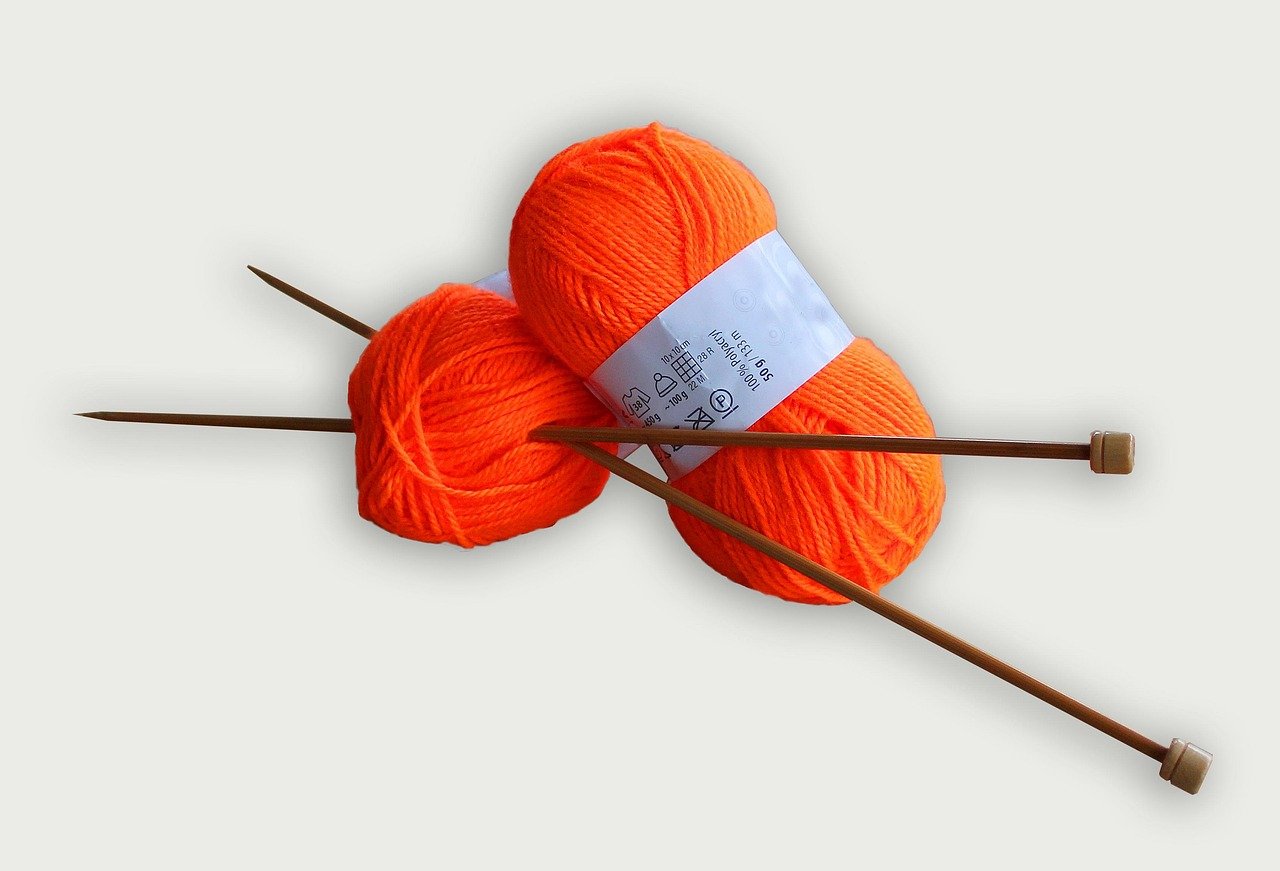
People choose the knitted cast-on for several practical reasons, and understanding those reasons helps a knitter decide when it’s the right call.
The most common motivation is beginner-friendliness. Because the motion is the same as a knit stitch, new knitters get to practice the core movement while they set up their project. There’s no separate, fiddly skill to master first. For someone who has just learned to knit, that continuity is a real confidence booster.
A second reason is texture matching. Since the cast-on is worked like knit stitches, it’s often recommended when a pattern begins with a knit row, or when the cast-on edge needs to blend with the fabric’s stitch pattern. The edge doesn’t look like an afterthought; it looks like part of the design.
The third reason is versatility. The knitted cast-on isn’t only for the very start of a piece. It can be used mid-project to add stitches, such as at underarms or along a thumb gusset. That makes it a genuinely useful skill rather than a one-trick technique.
How to work the knitted cast-on, step by step
The method is straightforward once it’s broken down. Here’s the sequence most knitters follow:
- Make a slip knot and place it on the left needle, leaving a short tail.
- Insert the right needle into the slip knot as if to knit.
- Wrap the working yarn around the right needle and pull a new loop through, just like a knit stitch.
- Instead of leaving the new loop on the right needle, slip it back onto the left needle.
- You now have two stitches on the left needle. Insert the right needle between those two stitches (or into the most recent one, depending on the variation being used).
- Repeat steps 3 through 5 until the required number of stitches is reached.
The rhythm takes a few repetitions to feel natural, but most people find it clicks quickly. The key is to keep the new loops loose enough to slide easily and to avoid yanking the working yarn after each stitch.
The tension trap
If there’s one mistake that trips people up again and again, it’s tension. The knitted cast-on has a reputation for coming out tighter than other methods, and a tight cast-on edge can make the first row of knitting a genuine struggle. It can also make the finished garment uncomfortable, since a rigid edge doesn’t give when it’s pulled over a head or a hand.
The fix is simple: many guides suggest working the cast-on row with a larger needle than the one used for the main fabric, then switching down for the body of the project. Others recommend casting on over two needles held together and then sliding one out. Both tricks add a little breathing room to the edge. In practice, the larger-needle approach is the easier habit to build, because it doesn’t require juggling an extra tool.
A second common mistake is pulling the yarn tight after each new stitch. That instinct comes from wanting neat, even stitches, but it backfires by strangling the edge. Consistent, relaxed tension beats tight tension almost every time.
Counting and keeping track
Because the knitted cast-on builds stitches one at a time, it’s easy to lose count, especially in a busy room. Counting the loops on the needle after every ten or so stitches is a small habit that saves a lot of ripping back later. It also helps to remember that the slip knot counts as the first stitch in most instructions, so the final count should match the pattern exactly.
Knitted cast-on versus other methods
The knitted cast-on doesn’t exist in a vacuum. Comparing it with the alternatives makes it easier to choose the right tool for a given project.
| Method | Stretchiness | Difficulty | Best for |
|---|---|---|---|
| Knitted cast-on | Moderate | Beginner | Patterns starting with knit rows; adding stitches mid-project |
| Backward loop | Low | Beginner | Quick, temporary, or decorative edges |
| Long-tail cast-on | Moderate to high | Intermediate | General-purpose projects needing a neat, elastic edge |
| Cable cast-on | Moderate | Intermediate | Firm edges on items like bags and blankets |
The general picture is that the knitted cast-on sits comfortably in the middle. It’s stretchier than a simple backward-loop cast-on, which tends to be quite firm, but less elastic than a long-tail cast-on. That middle ground makes it a solid everyday choice, even if it isn’t the stretchiest option available.
The naming confusion worth knowing about
Here’s a wrinkle that confuses a lot of knitters: terminology. In some traditions, the knitted cast-on is called the cable cast-on. But many references treat the two as distinct methods. The difference comes down to where the needle goes. The cable cast-on typically inserts the needle between stitches, while the knitted cast-on works into the last stitch. (Margo has money troubles cast who voices struggling heroine)
Because publishers vary, the same name can point to slightly different techniques depending on the book or pattern being followed. The practical advice is to read the description rather than trust the label. If a pattern says “cable cast-on” and the knitter only knows the knitted version, the results will usually be close enough for most projects, but it’s worth checking the instructions to be sure.
This kind of naming overlap shows up across knitting all the time, and it’s a good reminder that technique names are conventions, not laws. When in doubt, follow the steps in front of you rather than the name at the top of the page.
When to choose it, and when to skip it
The knitted cast-on shines in specific situations. It’s a great fit when a pattern begins with a knit row, when a knitter wants an edge that matches the fabric, and when stitches need to be added partway through a project. It’s also a smart choice for anyone teaching someone to knit, because it reinforces the basic knit motion without introducing new mechanics.
It’s less ideal when maximum stretch is the priority. For the cuff of a sock, the neckline of a sweater, or the brim of a hat, a more elastic method usually serves better. Those edges need to stretch over a body part and then recover, and a firmer cast-on can feel restrictive.
It’s also worth skipping when a project calls for a very neat, tailored edge. Some patterns specify a particular cast-on for a reason, and substituting without thinking can change how a finished piece hangs or fits.
Practical tips that actually help
Beyond the basics, a few habits make the knitted cast-on more reliable in real projects.
First, swatch the edge. Casting on a small test piece and stretching it gently shows whether the tension is right before committing to a full project. It takes five minutes and prevents a lot of frustration.
Second, keep the working yarn behind the work as stitches are added, so the loops don’t twist. Twisted loops are a common source of a messy first row.
Third, don’t fear the slip knot. Some knitters dislike it because it can leave a small bump, but it’s easy to tighten or to undo later if a cleaner edge is wanted.
Finally, practice on scrap yarn before casting on for something precious. The motion is simple, but muscle memory takes a few repetitions to develop.
For readers who enjoy seeing how casts come together across different productions, the same attention to detail shows up in other places, like the way a cast of a Netflix thriller gets assembled piece by piece. Knitting and casting share more than a word; both depend on getting the foundation right before the rest can follow. (Cast knight seven kingdoms who plays dunk egg)
Common questions from newer knitters
New knitters tend to hit the same handful of concerns, and a little clarity goes a long way. The most frequent worry is that the cast-on is too tight, which is nearly always fixable with a larger needle. The second is losing count, which is solved with periodic counting. The third is whether the method can be used mid-project, and the answer is yes, which is one of its best features.
It also helps to know that the knitted cast-on is genuinely one of the most accessible methods available. It doesn’t require special tools, it doesn’t demand perfect tension on the first try, and it produces a usable edge even when it’s a little uneven. That forgiving quality is exactly why it’s so often the first cast-on a new knitter learns.
Conclusion
The knitted cast-on is one of those techniques that quietly does a lot of work. It’s beginner-friendly, it matches knit fabric beautifully, and it doubles as a way to add stitches in the middle of a project. It isn’t the stretchiest option on the shelf, and it isn’t always the neatest, but it’s dependable, and dependable counts for a great deal in knitting.
The best way to get comfortable with it is simply to practice. A few rows of scrap-yarn casting on, a slightly larger needle, and a relaxed grip will do more than any amount of reading. Once the motion settles into muscle memory, the knitted cast-on becomes a reliable starting point for project after project, and the hardest part of knitting stops being the first row.
Frequently asked questions
What is the knitted cast-on used for?
It’s used to create the initial row of stitches on a needle, and it can also add stitches mid-project, such as at underarms or thumb gussets. It’s especially handy when a pattern starts with a knit row or when the cast-on edge should match the fabric’s texture.
Is the knitted cast-on the same as the cable cast-on?
Not always. Some sources use the names interchangeably, but many references treat them as distinct methods. The cable cast-on typically inserts the needle between stitches, while the knitted cast-on works into the last stitch. Reading the actual instructions matters more than the label.
Why does my knitted cast-on come out too tight?
Tension is the usual culprit. Pulling the yarn snug after each stitch, or working with a small needle, creates a rigid edge. Using a larger needle for the cast-on row, or casting on over two needles, usually solves the problem.
Is the knitted cast-on stretchy enough for a sweater?
It’s moderately stretchy, which works well for many edges, but it’s less elastic than a long-tail cast-on. For necklines, cuffs, and hat brims that need to stretch over a body part, a more elastic method is often a better choice.
Can beginners learn the knitted cast-on quickly?
Yes. Because the motion is the same as a basic knit stitch, most beginners pick it up within a few repetitions. It reinforces the core knitting movement rather than introducing an entirely new skill.
How many stitches should be on the needle after casting on?
The count should match the pattern exactly. The slip knot usually counts as the first stitch, so it’s worth counting the loops periodically to avoid discovering a shortage several rows later.



