
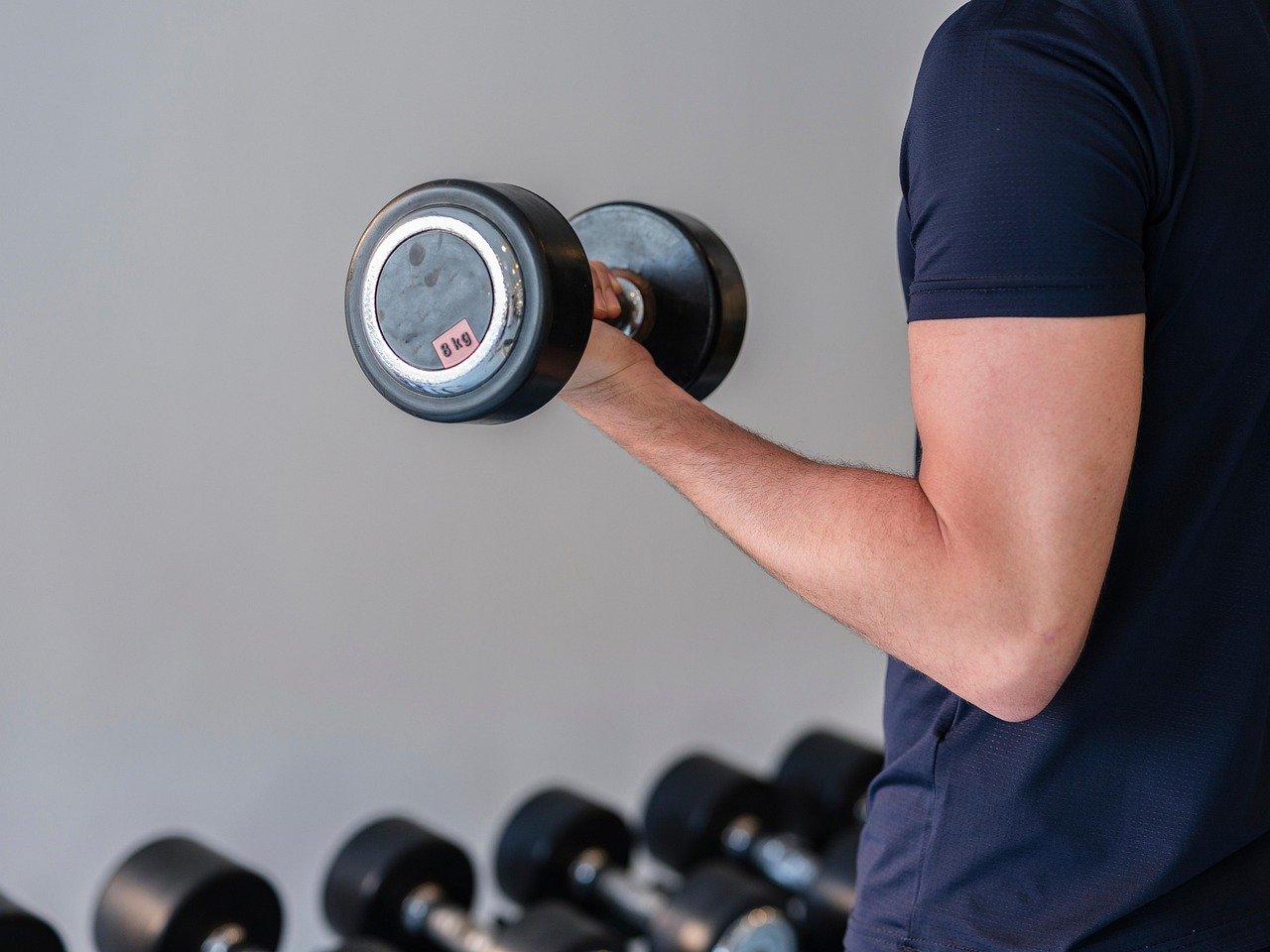
Can one small change in body position really make a biceps exercise work better? That is the promise behind the concentration curl, a seated single-arm movement where the working elbow is braced against the inner thigh. It looks almost too simple to matter. Yet lifters keep coming back to it, and there are good reasons why, along with a few claims that deserve a closer look.
This guide walks through the setup, the muscles involved, the honest limits of the evidence, and the mistakes that quietly drain the exercise of its value. No hype, no miracle promises, just what the movement does and how to get the most from it.
What Is the Concentration Curl?
The concentration curl is a single-arm dumbbell curl performed while seated. The lifter leans forward slightly, rests the back of the working upper arm against the inside of the same-side thigh, and curls the weight toward the shoulder. The name comes from the focus required: one arm works, the other rests, and the torso stays still.
The braced elbow is the defining feature. Because the upper arm is pinned against the leg, the shoulder has almost nothing to stabilize. That removes a job the shoulder usually shares during standing curls, which can help the biceps do more of the visible work. It also makes cheating harder. When the torso cannot swing and the elbow cannot drift forward, the weight has to move because the elbow flexors move it.
Which Muscles Does It Work?
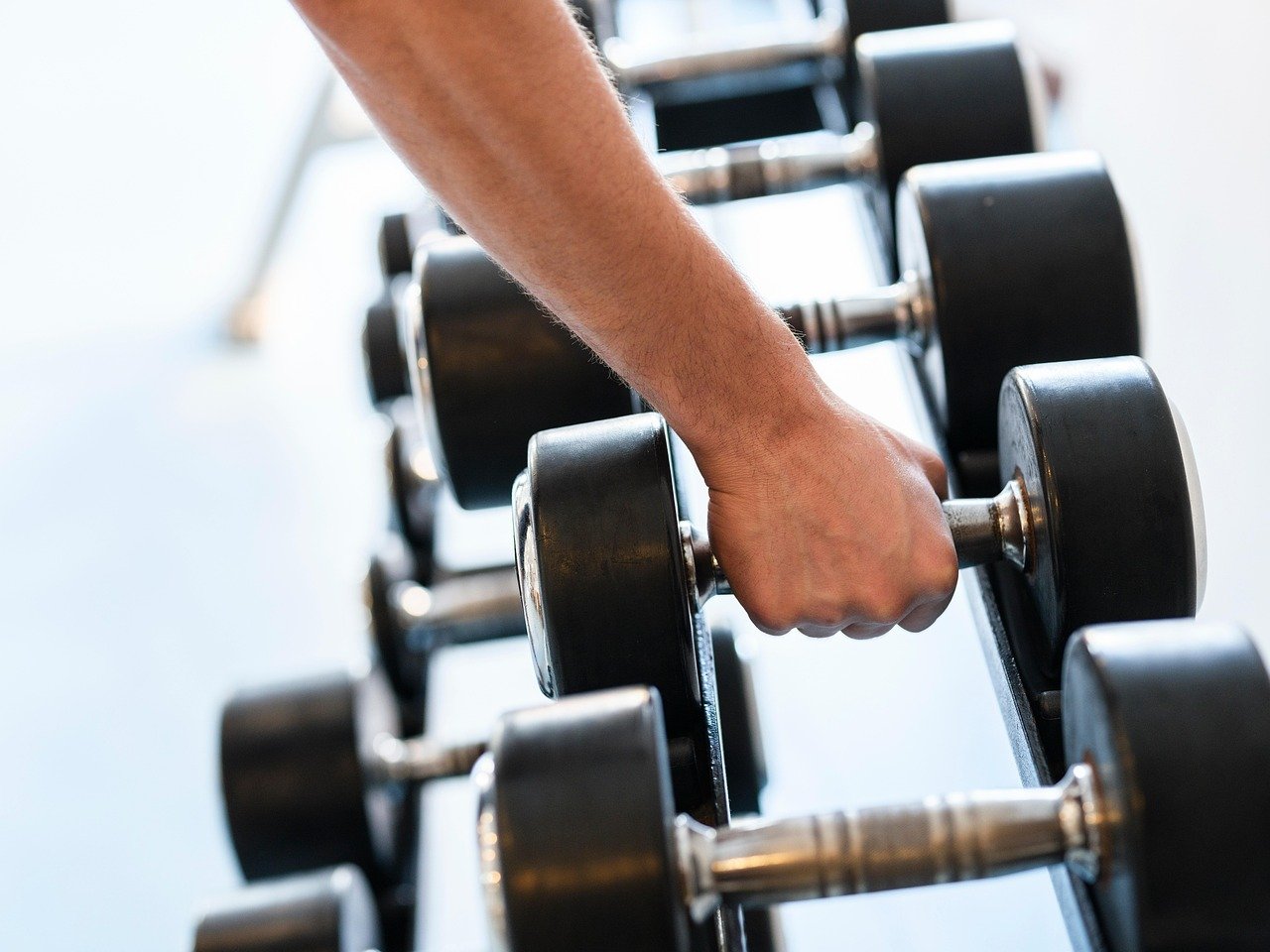
The main mover is the biceps brachii, the two-headed muscle on the front of the upper arm. It has a long head and a short head. The long head crosses the shoulder joint, which means shoulder position changes how that head is loaded and how much leverage it has. The brachialis, which sits underneath the biceps, and the brachioradialis in the forearm also contribute to elbow flexion.
A common coaching claim holds that the concentration curl emphasizes the short head because the arm hangs down and slightly across the body. That idea circulates widely in gyms and training forums, but it is a coaching claim rather than an established research finding. Treat it as a hypothesis, not a fact.
The bigger picture matters more. A 2020 review of regional hypertrophy of the elbow flexors found that differences in growth along the length of a muscle are possible but modest. In plain terms, no single curl variation is likely to reshape one specific part of the biceps in a dramatic way. If the goal is a fuller-looking arm, total biceps training volume and progressive overload will do far more than hunting for the perfect angle.
How to Set Up and Perform the Movement
Good technique here is mostly about removing motion, not adding it. Here is a sequence that works for most lifters.
- Sit at the end of a flat bench with feet planted shoulder-width apart.
- Hold a dumbbell in one hand with a neutral or slightly rotated grip.
- Lean forward from the hips and rest the back of the working upper arm against the inner thigh, near the knee.
- Let the arm hang straight down with the elbow slightly soft, not locked.
- Keep the back flat and the chest up, with the non-working hand resting on the other knee or thigh.
- Curl the weight by bending the elbow, keeping the upper arm pressed against the leg.
- Pause briefly at the top, where the forearm is roughly vertical or slightly past it.
- Lower under control until the arm is nearly straight, then repeat.
Switch sides and match the reps. Working one arm at a time makes it easy to notice a strength gap between sides, which is one of the underrated benefits of unilateral training.
Common Mistakes That Undo the Benefit
Most problems with this exercise are small and fixable.
- Letting the elbow slide off the thigh. Once the upper arm leaves the leg, the shoulder starts helping and the isolation fades. Keep contact throughout the set.
- Rocking the torso. A little lean at the start is normal, but using the back to launch the weight turns the curl into a row. If the torso moves, the weight is probably too heavy.
- Cutting the range short. Stopping halfway up leaves the hardest part of the curl untrained. Aim for a full stretch at the bottom and a firm squeeze at the top.
- Dropping the weight fast. The lowering phase is where a lot of the stimulus lives. Lowering over two to three seconds is a simple, reliable cue.
- Craning the neck. Looking down at the dumbbell for the whole set can strain the neck. Keep the chin tucked and the gaze slightly forward.
- Bracing too high on the thigh. Resting the elbow near the knee gives a cleaner line of pull than jamming it into the hip crease.
A practical tip from years of gym observation: film one set from the side. Most people who think they are staying still are actually swinging a few inches, and the camera catches it instantly.
Concentration Curl vs. Other Biceps Curls
Different curl variations are not rivals so much as tools with different jobs. The table below summarizes how the concentration curl compares with three common alternatives.
| Exercise | Setup | Stability demand | Best use |
|---|---|---|---|
| Concentration curl | Seated, elbow braced on thigh | Very low | Isolation, mind-muscle focus, fixing side-to-side differences |
| Standing dumbbell curl | Standing, free arms | Moderate | General biceps volume, easy to load progressively |
| Preacher curl | Upper arm fixed on a pad | Low | Strict reps with a strong stretch at the bottom |
| Incline dumbbell curl | Seated on an inclined bench, arms behind the body | Moderate | Loading the long head with the shoulder extended |
One study comparing elbow-flexor activation across several biceps exercises found the preacher curl produced relatively high biceps activity. Where the concentration curl ranked in that comparison is not something to state without checking the original paper, so the honest answer is that the differences between curl variations are generally smaller than gym lore suggests.
The practical takeaway is straightforward. If a lifter wants a strict, focused movement at the end of an arm session, the concentration curl fits well. If the goal is to add overall biceps size, heavier standing or preacher variations usually let people load more weight and progress faster.
Where It Fits in a Training Week
The concentration curl works best as a finishing movement. After heavier compound pulling, a couple of strict sets per arm can add quality volume without much systemic fatigue. Two to three sets of 8 to 15 reps per arm is a reasonable default for most people.
It also suits certain situations unusually well:
- Home training with limited equipment. One dumbbell and a bench or sturdy chair is enough.
- Rehab-adjacent programming. The supported position reduces the balance demand, though anyone returning from an elbow or shoulder injury should get clearance from a clinician first.
- Beginners learning to feel the biceps work. The braced setup makes the connection easier to notice than a swinging standing curl.
For lifters who train at home and worry about consistency across devices and sessions, sorting out the basics of connectivity is worth a look; a guide on how to set up a VPN on your router to cover every device at once is a practical starting point for keeping training logs and streaming workouts private on shared networks.
Does It Build the Biceps Peak?
This is the question that sells the exercise, and it deserves a straight answer. The biceps peak is largely determined by genetics: muscle shape, tendon attachment points, and how much muscle mass a person carries. No curl variation has been shown to reliably build a taller peak.
The concentration curl does place the biceps under tension with the shoulder slightly flexed, and the strict position makes it easy to feel the muscle working. That feeling is valuable for effort and adherence, but it is not proof of targeted growth. Regional hypertrophy studies suggest differences exist but are small. Anyone promising a peak from one exercise is overselling.
The same skepticism applies to equipment and platform choices in fitness tech, where marketing language often outruns the evidence. A useful parallel is the way buyers compare identity and access platforms: claims about governance and fit need scrutiny, which is why breakdowns like this comparison of Okta vs Microsoft Entra ID 2026 pricing, governance, and stack fit reward careful reading rather than headline skimming.
Loading, Tempo, and Progression
Because the concentration curl is a single-arm movement, the weight will be lighter than what a lifter uses for standing curls. That is expected and not a sign of weakness. Progression can come from several directions:
- Adding small increments, such as 1 to 2.5 kilograms once the top of the rep range is clean.
- Slowing the lowering phase before adding weight.
- Adding a brief pause at the top of each rep.
- Adding a set, up to a sensible ceiling of three or four per arm.
A simple rule that works: when every rep in the top set is smooth, controlled, and full-range for two sessions in a row, add a little weight. When form breaks, stay put.
Safety and Sensible Expectations
The concentration curl is a low-risk movement for most healthy lifters. The supported position takes stress off the lower back compared with standing variations, and the fixed elbow reduces the chance of the shoulder drifting into an awkward spot. General resistance training guidance supports progressive loading with controlled technique, which is exactly what this exercise rewards.
That said, no verified data pins down injury rates specific to this movement, so claims about a documented risk profile should be treated with suspicion. People with elbow tendon pain, wrist issues, or recent shoulder injuries should introduce the exercise gradually and stop if pain sharpens.
There is also a broader point about how fitness advice spreads. Claims get repeated until they sound like facts, and the same pattern shows up far beyond the gym. Anyone who has watched a slick pitch for a trading platform knows the feeling, and a piece on titaniuminvest com money check before you send a cent makes the case for verifying claims before acting on them. The habit transfers nicely to exercise selection.
Conclusion
The concentration curl earns its place in a training plan, just not for the reasons it is usually sold. It is a strict, focused, single-arm movement that makes the biceps work without help from the torso or shoulder. It is easy to learn, needs minimal equipment, and exposes strength differences between sides. What it does not do is magically build a biceps peak or outperform every other curl by a wide margin.
Use it as a finisher, keep the elbow glued to the thigh, lower the weight slowly, and progress in small steps. Pair it with heavier compound work and enough total volume, and the biceps will respond. The exercise is a good tool. Treating it as a good tool, rather than a secret weapon, is what actually gets results.
Frequently Asked Questions
How many sets of concentration curls should you do?
Two to three sets per arm is a sensible default for most lifters, usually at the end of an arm or upper-body session. People chasing more volume can push to four sets, but there is little reason to go beyond that when other curl variations can share the workload.
Is the concentration curl better than a standing curl?
Better is the wrong word. The concentration curl is stricter because the braced elbow limits cheating, which makes it excellent for isolation and for feeling the muscle work. Standing curls let most people load more weight and progress faster. Most well-built programs use both.
Does the concentration curl target the short head of the biceps?
It is often claimed that the braced, slightly flexed shoulder position emphasizes the short head. That idea is common in coaching but not firmly established in research. Regional differences in muscle growth are possible but modest, so it is safer to treat the exercise as a solid general biceps curl.
Can beginners do concentration curls?
Yes. The supported position makes the movement easier to control than a standing curl, and it teaches beginners what biceps tension feels like. Starting light and focusing on a slow lowering phase is the best way in.
How heavy should the dumbbell be?
Light enough that the torso stays still and the elbow never leaves the thigh. Most people use noticeably less weight than for standing curls, often in the range of 8 to 15 controlled reps. If the back starts rocking, the weight is too heavy.
Can you do concentration curls at home without a bench?
A sturdy chair, a bed edge, or a low step works fine. The only real requirement is a seat height that lets the working arm hang straight down with the elbow resting comfortably against the inner thigh.



