

What do you get when you cross a workhorse with a weekend toy? That question sits at the heart of the Polaris General, a side-by-side utility vehicle built for people who need to haul fence posts on Saturday morning and still want to hit the trails by afternoon. Polaris Industries, the Minnesota-based powersports manufacturer, designed the General to fill a gap between its pure-utility Ranger line and its sport-focused RZR family. The result is a machine that does neither job perfectly but handles both well enough to appeal to a very specific kind of buyer.
This article looks at what the Polaris General actually is, where it came from, how it compares to its stablemates, and what owners should know before signing paperwork. It also covers the practical realities that marketing brochures tend to skip.
What Is the Polaris General?
The Polaris General is a two- or four-seat side-by-side (UTV) sold by Polaris Inc. It sits in what the industry calls the “recreational utility” segment. That label matters. A traditional utility UTV prioritizes payload, towing, and durability. A sport UTV prioritizes suspension travel, power, and speed. The General borrows from both.
Key characteristics of the platform include:
- A ProStar engine, typically a twin-cylinder four-stroke, tuned for low-end torque rather than peak horsepower
- A cargo box with a dump bed, rated for several hundred pounds of payload
- Electronic power steering and selectable drive modes on most trims
- Suspension travel that exceeds pure-utility machines but trails dedicated sport models
- Seating for two in the standard General and four in the General 4 variants
The General is not a street-legal vehicle in most jurisdictions. It is designed for off-highway use on private land, designated trails, and work sites.
A Short History of the Model Line
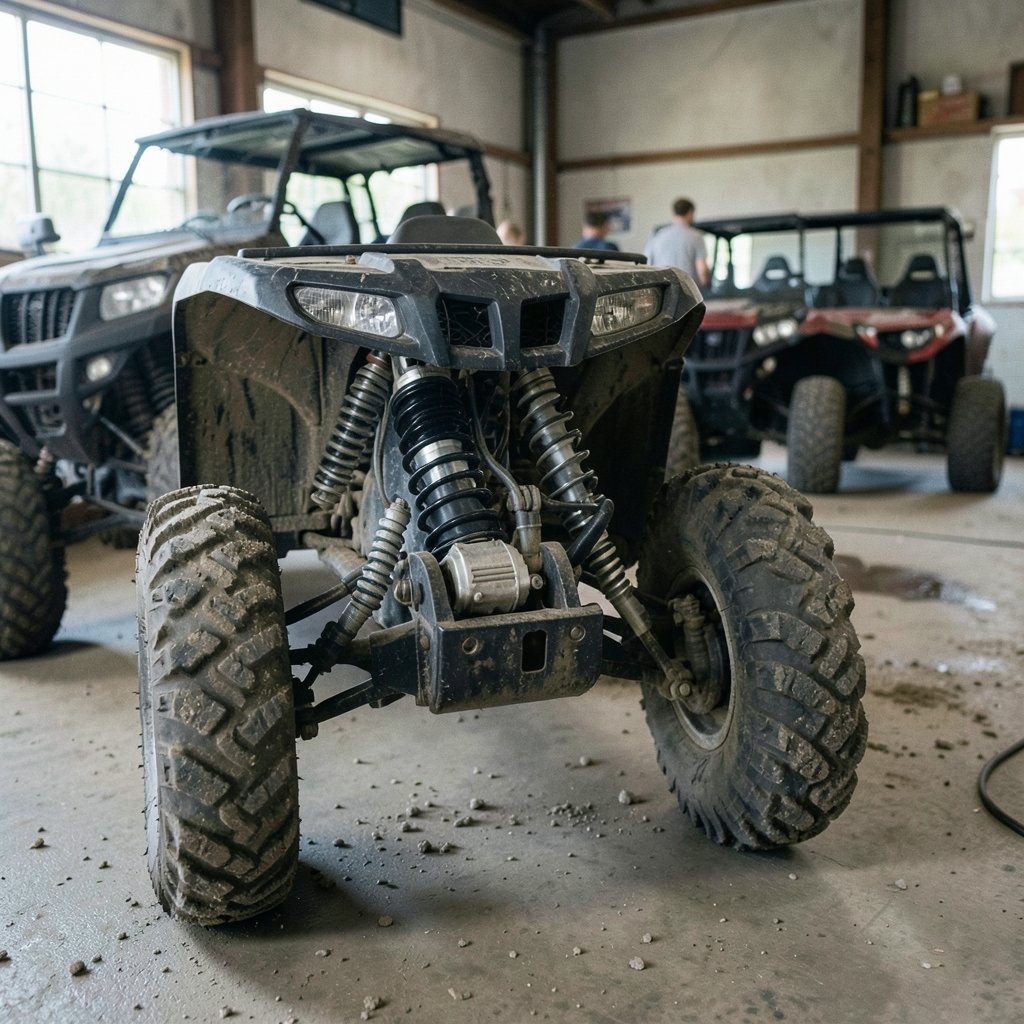
Polaris introduced the General in the mid-2010s as a deliberate answer to a market signal. Buyers were snapping up sport side-by-sides but complaining they could not carry tools or tow a small trailer. Meanwhile, utility buyers wanted something less agricultural in feel. The General launched as a compromise machine and found a niche quickly.
Over the following years, Polaris expanded the line with multiple trim levels, including premium editions with upgraded shocks, winches, and audio systems. The General 1000 became the volume seller. Later, Polaris added the General XP 1000, which stretched suspension travel and widened the stance for rougher terrain, and the General 4, which added a second row.
Polaris itself has a longer corporate story worth knowing. Founded in 1954 in Roseau, Minnesota, the company started with snowmobiles and grew into all-terrain vehicles, motorcycles through its acquisition of Indian Motorcycle, and military and commercial vehicles. That background explains the General’s design philosophy: rugged, cold-weather-tested engineering with an eye on consumer comfort.
How the General Compares to the Ranger and the RZR
The most common question buyers ask is simple: why not just buy a Ranger or a RZR? The answer comes down to priorities. Here is how the three families stack up.
| Feature | Polaris General | Polaris Ranger | Polaris RZR |
|---|---|---|---|
| Primary purpose | Recreation plus light work | Heavy utility and hauling | High-speed trail performance |
| Payload and towing | Moderate | Highest in the lineup | Lowest |
| Suspension travel | Mid-range | Modest | Long travel |
| Ride comfort at speed | Good | Firm | Excellent |
| Best for | Mixed-use owners | Farms, job sites, hunting | Dunes, desert, tight trails |
| Typical buyer | Hobby farmer, trail rider | Rancher, contractor | Enthusiast |
The practical takeaway is straightforward. If most of a buyer’s days involve moving material, the Ranger wins. If most days involve speed and jumps, the RZR wins. If the answer is “some of both, and I only have room for one machine,” the General is the rational pick.
What Actually Works in Practice
Owners who use the General as intended tend to report satisfaction. The dump bed is genuinely useful for firewood, gravel, and feed. The power steering reduces fatigue on long days. The seating position is comfortable enough for hours of trail riding. The engine’s torque curve makes slow, technical work feel controlled rather than jumpy.
Practical tips that experienced owners pass along:
- Match tires to terrain. The stock tires are a compromise. Swapping to a more aggressive tread for mud or a smoother tread for hardpack transforms the machine’s behavior.
- Add a winch early. A winch is the single most useful accessory for a mixed-use UTV, and it is far cheaper to install at purchase than to retrofit later.
- Check payload math before loading. The cargo box rating and the total vehicle payload rating are different numbers. Occupants count against the total.
- Service the belt and clutch on schedule. Belt-driven continuously variable transmissions punish neglect, especially in dusty conditions.
- Respect the trail width. The General is wider than some older trail systems were designed for. Checking local trail restrictions before a trip avoids surprises.
Common Mistakes Buyers Make
A few recurring errors show up again and again in owner discussions and dealer conversations.
Overestimating what “utility” means. The General can tow a small trailer and carry a load, but it is not a substitute for a tractor or a full-size pickup. Buyers who expect compact-tractor capability end up disappointed.
Skipping the test sit. Cab ergonomics vary enormously between body types. A machine that fits one rider poorly can be uncomfortable after an hour. Sitting in the actual trim being purchased, not a showroom floor model of a different spec, matters.
Ignoring total cost of ownership. Purchase price is only the beginning. Insurance, fuel, tires, belts, and accessories add up quickly. Budgeting for the first year of ownership rather than just the sticker price prevents unpleasant surprises.
Buying the biggest trim by default. The XP variants offer more suspension and capability, but they also cost more and ride firmer. Riders who mostly cruise fire roads may prefer the standard setup.
Safety and Regulatory Context
Off-highway vehicles carry real risk, and side-by-sides are no exception. Rollovers are the most common serious incident type, which is why seat belts and a helmet are non-negotiable on any machine without a full cab and doors. Polaris equips the General with a roll cage and restraints, but equipment only works when used.
The regulatory landscape is worth understanding. In the United States, the Consumer Product Safety Commission oversees off-highway vehicle safety and has issued recalls across the powersports industry over the years, including for fire risks and component failures. Buyers should check any vehicle identification number against open recalls before purchase, new or used. This is a five-minute task that protects both wallet and safety.
For readers interested in how automated and increasingly intelligent systems are reshaping vehicle design across industries, the broader trajectory of machine capability is worth exploring, including what AGI artificial general intelligence explained clearly means for the next generation of autonomous and assisted vehicles.
Who Should Buy One
The General fits a recognizable profile. The ideal owner has a few acres, a reason to move things around, and a desire to enjoy the machine afterward. Hunters like the cargo capacity and quiet low-speed manners. Hobby farmers like the dump bed. Families like the four-seat configuration for shared trail rides.
It fits poorly for buyers who need maximum hauling capacity, who ride exclusively on tight technical trails, or who want the fastest machine on the dunes. Those buyers have better-matched options in the same showroom.
What to Check Before Buying Used
The used market for side-by-sides is active, and condition varies wildly. A few checks separate a good machine from a money pit:
- Hours versus miles. Low miles with high engine hours suggests stationary work or idling, which stresses cooling systems.
- Belt and clutch condition. A slipping or glazed belt signals hard use.
- Frame and cage inspection. Look for bends, cracks, and poorly repaired welds, which often indicate a rollover.
- Fluid condition. Milky oil or dirty differential fluid points to deferred maintenance.
- Recall status. Confirm open recalls were completed, not just scheduled.
Conclusion
The Polaris General earns its place by refusing to pick a side. It is not the hardest-working UTV Polaris builds, and it is not the fastest. What it offers is balance: a machine that hauls a load in the morning and handles a trail in the afternoon without feeling like a compromise in either setting. For buyers with genuinely mixed needs and space for only one vehicle, that balance is the whole point.
The smart approach is honest self-assessment. Count how many days a year involve real hauling versus pure recreation. If the split is close, the General makes sense. If it is lopsided, the Ranger or the RZR will serve better. Either way, check recalls, budget for accessories, and test the actual trim before committing. A side-by-side is a long-term purchase, and a little patience at the dealership pays off for years on the trail.
Frequently Asked Questions
What is the difference between a Polaris General and a Polaris Ranger?
The Ranger is built primarily for utility work, with higher payload and towing ratings and a more agricultural feel. The General blends utility with recreational performance, offering more suspension travel, sportier handling, and a more comfortable ride at speed. The General is the better choice for mixed-use owners who want one machine for both work and trail riding.
Is the Polaris General street legal?
In most jurisdictions, no. The General is designed as an off-highway vehicle and generally cannot be registered for road use without aftermarket modifications and specific local approvals. Some states and municipalities allow limited road access for OHVs under particular conditions, so buyers should check their local regulations before assuming any street use is permitted.
How many seats does a Polaris General have?
The standard Polaris General seats two people side by side. The General 4 configuration adds a second row, bringing total capacity to four. Buyers should note that occupant weight counts against the vehicle’s total payload rating, so a fully loaded four-seat machine has less capacity left for cargo.
What engine does the Polaris General use?
Most General models use a Polaris ProStar twin-cylinder four-stroke engine, tuned for strong low-end torque rather than maximum top speed. Displacement and output vary by model year and trim. The torque-focused tuning is what makes the machine feel capable when loaded or climbing, which suits its mixed-use design brief.
Can the Polaris General tow a trailer?
Yes, the General is rated to tow a trailer, though its towing capacity is lower than a dedicated utility machine like the Ranger. It handles small utility trailers, log splitters, and similar loads well. Buyers planning regular heavy towing should compare the published ratings carefully, because exceeding them affects handling, braking, and warranty coverage.
How often does a Polaris General need service?
Polaris publishes a maintenance schedule tied to hours or mileage, whichever comes first, covering oil changes, belt inspection, and drivetrain checks. Dusty, muddy, or heavily loaded use shortens those intervals. The most commonly neglected item is the drive belt, and belt failure is one of the most common causes of trailside breakdowns, so inspecting it regularly is worth the effort.
Used buyers should also verify that the machine’s ECM has not been reflashed or fitted with an unapproved tuner, since aftermarket tuning can void remaining warranty coverage and alter emissions compliance. Request the service history in writing, and where possible have an independent mechanic inspect the machine before money changes hands. None of this is unique to the General, but its popularity means clean, well-documented examples command a premium, while neglected ones are plentiful. Patience in the used market is rewarded.


