
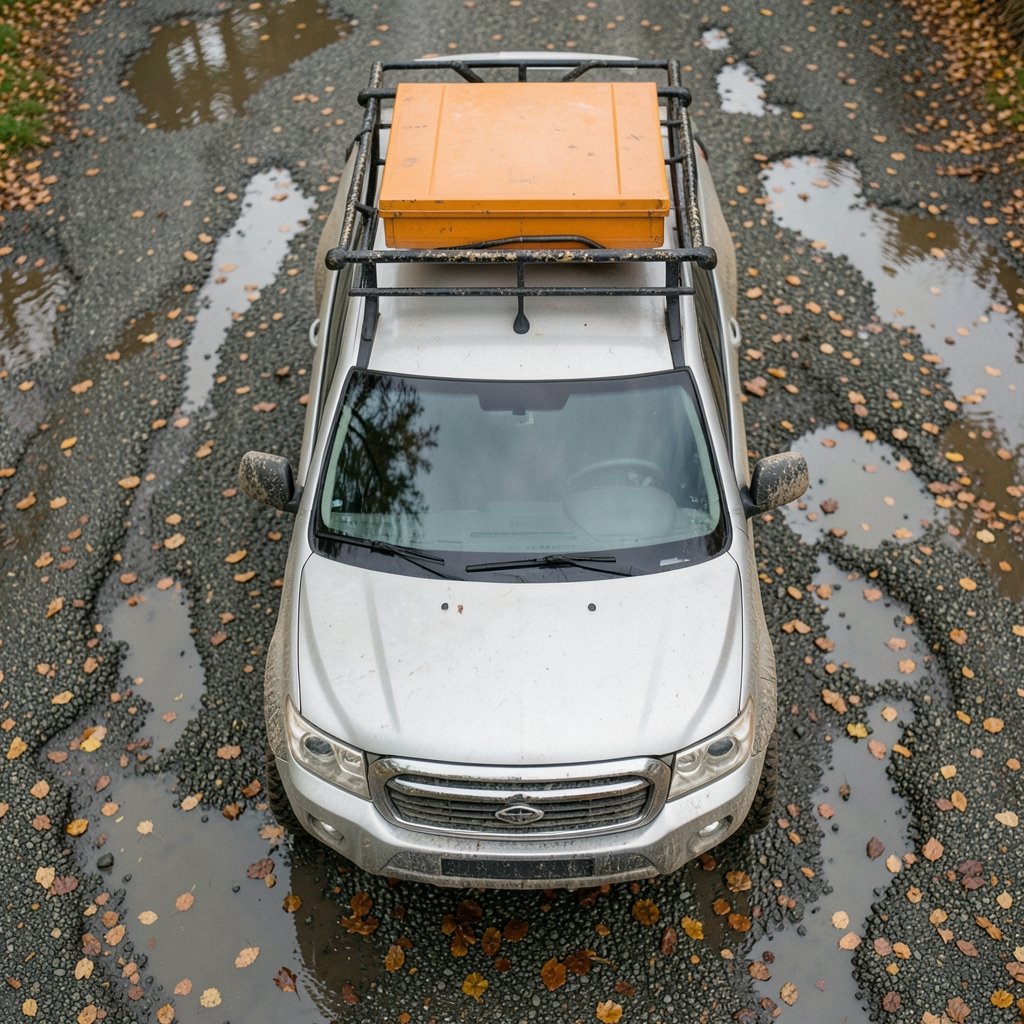
What happens when a beloved wagon-ish SUV enters its second year after a big redesign? That is the question hanging over the 2027 Subaru Outback. The Outback has spent decades building a loyal following among people who want car-like manners, SUV-ish ground clearance, and a roof rack that actually gets used. But the 2027 model year arrives at a genuinely uncertain moment for the nameplate, and anyone shopping for one deserves an honest picture rather than hype.
Here is the straight story: much about the 2027 Outback is not yet confirmed. This article separates what is reasonably well established from what is speculation, and it explains how to evaluate the car once real information lands.
Why the 2027 Outback Is a Key Model Year
The 2027 Outback is expected to be the second model year of the redesigned sixth-generation Outback, which Subaru introduced for model year 2026. Second model years matter more than shoppers often realize. The first year of any redesign tends to carry early-production wrinkles: software glitches, trim fit issues, and supplier hiccups that engineers iron out over the following twelve months. A second-year car usually benefits from those fixes without losing the freshness of the new platform.
That makes 2027 a sensible target for buyers who want the redesign but would rather not be first in line. The pattern applies across the whole industry, Subaru included. The same logic applies to AI tools, where version two is almost always more dependable than version one, a theme explored in coverage of the best AI chatbots under the hood in 2027. Patience tends to pay.
There is a second reason 2027 matters. Subaru has publicly discussed electrification plans for the Outback, but the timing of a hybrid or fully electric Outback is not something that can be confirmed here. Treat any specific 2027 powertrain claim you see online with caution until Subaru itself announces it.
What Is Actually Known Versus Rumored

The most useful thing a shopper can do right now is sort information into buckets. Here is a practical breakdown.
| Claim | Confidence Level | What to Do With It |
|---|---|---|
| 2027 is the second year of the redesigned generation | Reasonably expected | Use it to justify waiting for year two |
| A hybrid or EV Outback is coming eventually | Publicly discussed, timing unconfirmed | Do not plan a purchase around it |
| Specific horsepower, MPG, or pricing figures | Unverified | Ignore until official |
| Safety ratings for 2027 | Not yet available | Check ratings once published |
| Trim lineup and feature changes | Unconfirmed | Wait for the official announcement |
The pattern to notice is that almost every hard number floating around is unverified. That is not a knock on enthusiasm. It is simply how the model-year cycle works. Subaru typically announces US model-year details in the preceding calendar year, so solid 2027 Outback specifics would most likely surface in late 2026. Until then, any article quoting exact figures is guessing or recycling older data.
The Electrification Question
Subaru has been open about moving toward electrified powertrains, and the Outback is an obvious candidate given its size and role as a family hauler. But “obvious candidate” is not the same as “confirmed for 2027.” Buyers who need a hybrid specifically should verify availability at the dealership rather than assuming. If a hybrid Outback is the deciding factor, it may be worth waiting for an official announcement or considering a model that already offers one.
Pricing and Fuel Economy
Pricing and fuel economy for the 2027 Outback cannot be stated with confidence yet. The honest approach is to watch for the official release and then compare against the outgoing model year. A useful habit: when the numbers do arrive, check them against the current model’s figures rather than against a decade-old memory of what an Outback “should” cost. Inflation and content changes move MSRPs more than most people expect.
How to Research the 2027 Outback Without Getting Misled
Search results for a future model year are a minefield of speculative listicles. A few practical rules cut through most of it.
- Go to the primary source first. Subaru’s official newsroom and press releases are where model-year announcements, trims, and specs originate. Everything else is downstream.
- Check official fuel economy data once the model is listed. Government fuel economy databases publish ratings only after a vehicle is certified, which makes them a reliable signal that real information exists.
- Look up crash-test ratings and recalls through the agencies that actually perform the testing. Ratings for a new model year appear only after testing is complete.
- Use enthusiast and enthusiast-adjacent publications for context, not as primary facts. They are good at explaining why a change matters and poor at being the first reliable source.
- Note the publication date on everything. A 2025 article about the 2027 Outback is almost certainly speculation dressed as news.
That last point deserves emphasis. The web is full of confidently written future-model content that is really just extrapolation. The discipline of checking dates and primary sources will save a buyer from anchoring on numbers that never materialize.
Practical Buying Advice for the Second Model Year
Assuming the 2027 Outback follows the expected pattern, here is what actually works in practice when shopping a second-year redesign.
Wait for the official configurator. Trim and option combinations shift between the launch year and year two. Building the car online once the configurator updates tells you more than any preview article.
Test drive the outgoing 2026 if you can. A second-year car is usually a refinement, not a reinvention. Driving the first-year version gives you a baseline for ride, visibility, and seat comfort, and it lets you judge whether the changes matter to you.
Ask about early-build service bulletins. Dealers have access to technical service bulletins that reveal common first-year issues. A candid service advisor will tell you what has been coming through the shop. This is one of the most underused tactics in car buying.
Check the warranty terms, not the length alone. Coverage details matter more than the headline number, especially for new powertrain technology. If a hybrid variant does arrive, read what the battery coverage actually includes.
Do not overpay for the “new” premium. Second-year models sometimes carry dealer markups if demand is high. Knowing the official MSRP before you walk in is your best defense.
Common Mistakes Shoppers Make
The biggest mistake is treating rumors as facts. People read a forum post about a 2027 hybrid and plan their entire purchase around it, then discover the timeline slipped. The second mistake is buying the first model year in a hurry to be early, then dealing with the teething issues that second-year buyers avoid. The third is ignoring total cost of ownership in favor of sticker price. Insurance, fuel, maintenance, and resale all matter, and they vary more between trims than most people assume.
That same discipline of separating signal from noise shows up in other buying decisions. Shoppers evaluating retail technology, for instance, benefit from the kind of grounded comparison found in this breakdown of AI tools for e-commerce stores, where the focus stays on what actually delivers results rather than what sounds impressive.
How the Outback Fits in a Crowded Segment
The Outback occupies an unusual niche. It is taller and more rugged than a sedan but lower and more car-like than a traditional SUV. That positioning has kept it popular with outdoor-focused buyers who want capability without a truck-like footprint.
The competitive pressure, though, is real. Rivals have added hybrid powertrains, more advanced driver assistance, and larger screens. The Outback’s traditional strengths, namely standard all-wheel drive, generous cargo space, and genuine off-road ability for its class, remain relevant. But a second-year redesign is exactly when a brand needs to answer competitors’ moves, and that is part of why the 2027 model year carries weight.
For buyers, the practical takeaway is to compare the Outback against two or three direct rivals on the specific features you care about. If ground clearance and all-weather traction top your list, the Outback likely stays competitive. If fuel economy or the latest infotainment is your priority, verify the 2027 specs before committing.
The Technology and Safety Angle
Modern vehicle purchases are increasingly software purchases, and the Outback is no exception. Infotainment responsiveness, over-the-air updates, and driver assistance calibration are now part of the ownership experience. A second model year is often when these systems get meaningful refinement.
Safety deserves particular attention. Crash-test ratings and driver assistance evaluations for the 2027 model year will not exist until the relevant agencies complete testing. Buyers should look for those results rather than relying on the previous generation’s scores. A redesigned platform can perform differently, and assuming carryover ratings is a risky shortcut.
There is a broader lesson about trusting technology claims that applies here too. Whether the subject is a car’s driver assistance suite or the trustworthiness of AI-generated content, the safe approach is the same: verify with primary sources. Coverage of deepfake fraud in banking and how AI fights back makes the point that verification habits are now a basic life skill, and they translate directly to how you research a major purchase.
When to Buy and When to Wait
Timing a car purchase around a model-year change is a real skill. Here is a simple decision framework.
If you need a vehicle now and the current model year meets your needs, buying the outgoing version can be smart. Dealers often discount remaining inventory when a new model year approaches. You get a proven vehicle and a better price.
If you want the redesign but value reliability, waiting for the second model year is the classic move. That is the 2027 Outback scenario.
If you are holding out specifically for a hybrid or electric Outback, waiting is the only option, but set a deadline. Decide in advance how long you are willing to wait and what you will buy instead if the announcement does not come. Without a deadline, “waiting for the hybrid” can stretch for years.
The worst position is the middle one: needing a car, refusing to buy the current model, and waiting indefinitely for unconfirmed news. A clear deadline prevents that trap.
Conclusion
The 2027 Subaru Outback is best understood as a second-year redesign in an uncertain transition period for the nameplate. That framing is useful rather than disappointing. Second model years tend to be the sweet spot for reliability and refinement, and the Outback’s core strengths, namely all-wheel drive, cargo room, and genuine all-weather capability, are not going anywhere.
What shoppers should not do is plan around unverified specifics. Exact pricing, fuel economy, safety ratings, and the timing of any electrified variant are all unconfirmed. The reliable path is to wait for Subaru’s official announcement, likely in late 2026, then verify specs through primary sources and official testing agencies. Test drive the current model as a baseline, ask dealers about service bulletins, and set a firm deadline if you are waiting for a hybrid.
Patience, in this case, is not passive. It is the strategy most likely to put a well-sorted, correctly priced Outback in the driveway.
Frequently Asked Questions
When will the 2027 Subaru Outback be announced?
Subaru typically announces US model-year details in the preceding calendar year, so 2027 Outback specifics would most likely appear in late 2026. That is a general pattern rather than a confirmed date. Until an official announcement, any published specs or pricing should be treated as unverified.
Is the 2027 Outback a redesign or a carryover?
The 2027 Outback is expected to be the second model year of the redesigned sixth-generation Outback, which Subaru introduced for model year 2026. That makes 2027 a refinement year rather than a fresh redesign, which is generally good news for buyers who want early-production issues worked out.
Will there be a hybrid or electric Outback for 2027?
Subaru has publicly discussed electrification plans for the Outback, but the timing of a hybrid or fully electric version is not confirmed for 2027. Buyers who need a hybrid specifically should verify availability directly with a dealer or wait for an official announcement rather than relying on speculation.
Should I buy the 2026 or wait for the 2027 Outback?
It depends on your priorities. The 2026 is the first year of the redesign and may carry early-production quirks, while the 2027 should benefit from a year of fixes. If you need a car now, a discounted 2026 can be a smart buy. If reliability and refinement matter most, waiting for the second year is the classic choice.
What safety ratings will the 2027 Outback have?
Safety ratings for the 2027 Outback are not yet available. Crash-test results and driver assistance evaluations appear only after the relevant agencies complete testing on the new model year. Do not assume the previous generation’s scores carry over, since a redesigned platform can perform differently.
How can I avoid misinformation about the 2027 Outback?
Check the publication date on everything you read, and prioritize primary sources over preview articles. Official announcements, government fuel economy data, and agency crash-test results are reliable. Forum posts and future-model listicles are not. If a claim includes specific numbers but no official source, treat it as speculation.



