
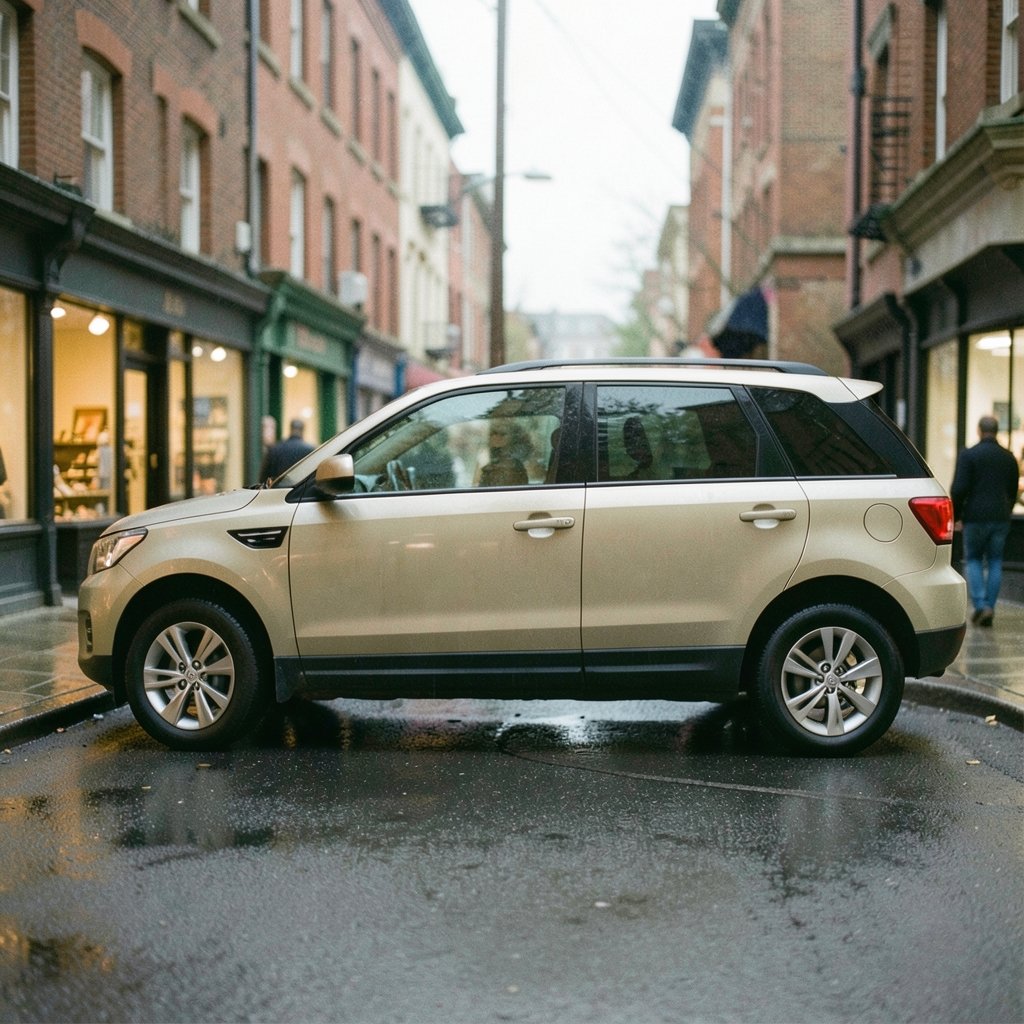
Will the 2027 Kia Telluride Hybrid finally give families a three-row SUV that doesn’t drink gas like a frat house on a road trip? That’s the question filling forum threads, dealership small talk, and group chats from Phoenix to Pittsburgh. The Telluride has been one of the most loved family haulers on the market since it arrived, and the idea of bolting a hybrid system onto it sounds like an obvious win. But “sounds obvious” and “is confirmed” are two very different things.
Here’s the honest starting point: a hybrid Telluride has been widely reported and openly discussed as part of Kia’s electrification push, with expectations pointing toward the 2026–2027 model years. What does not exist yet is a launched, priced, officially specified 2027 Telluride Hybrid sitting on a dealer lot. Anyone who hands you exact horsepower figures, fuel economy numbers, or a firm price right now is guessing, and they should say so.
This article walks through what shoppers can reasonably plan for, what remains rumor, and how to shop smart when the real details land.
Why the Telluride Hybrid Matters So Much
The Telluride earned its reputation the old-fashioned way: it looks expensive, drives comfortably, seats eight, and undercuts plenty of rivals on price. Its weak spot has always been fuel economy. A big, boxy, three-row SUV with a conventional V6 is not a fuel sipper, and with gas prices doing their usual unpredictable dance, owners feel it every week.
That’s why the hybrid question resonates. A three-row hybrid SUV promises the same school-run, road-trip, Costco-hauling capability with fewer stops at the pump. Competitors have already moved in this direction, and the pressure on Kia to answer is real. When a segment leader lacks a hybrid option while rivals offer one, buyers notice.
The catch is timing. New powertrains take years to engineer, certify, and launch, and automakers rarely confirm specifics until close to release. So the smart move for shoppers is to separate what is likely from what is locked.
What Is Actually Confirmed vs. What Is Speculation

It helps to draw a hard line here, because the internet blurs it constantly.
| Claim | Status |
|---|---|
| Kia has discussed electrifying the Telluride | Widely reported and openly discussed |
| A hybrid Telluride is expected around the 2026–2027 model years | Reported expectation, not a confirmed launch |
| Exact horsepower and torque figures | Not officially confirmed |
| EPA fuel economy ratings | Not officially confirmed |
| Official pricing | Not officially confirmed |
| On-sale date and trim lineup | Not officially confirmed |
If you see a blog post or video quoting a precise MPG number or a starting price, treat it as a placeholder until an official announcement exists. Specifications change late in development, sometimes dramatically. A number that leaks in month one can be gone by launch.
Practical tip: when you’re researching, check whether the source uses words like “reported,” “expected,” or “rumored” versus “confirmed” or “announced.” That single word tells you how much weight to give the rest of the article.
The Hybrid Math: What a Hybrid Telluride Could Actually Save You
Even without official figures, you can run the math on what a hybrid version would need to deliver to be worth it. That’s useful preparation, because it tells you what to look for the moment real numbers appear.
Take a typical three-row SUV doing 12,000 miles a year at 20 mpg. That’s 600 gallons annually. At $3.50 a gallon, you’re spending about $2,100 a year on fuel. Now imagine a hybrid version hitting 26 mpg on the same mileage: about 462 gallons, or roughly $1,615. That’s a savings of nearly $500 a year, or around $2,500 over five years.
Whether that pays off depends entirely on the price premium. If the hybrid costs $3,000 more than the gas model, you’re roughly break-even over five years before counting resale value, which tends to favor hybrids. If the premium is $6,000, the math gets harder unless fuel prices climb.
This is exactly the kind of calculation worth doing before you sign anything. It’s also the kind of thinking that good financial planning tools encourage. If you’re weighing a big vehicle purchase against other goals, resources like a guide to the best AI financial advisor apps comparing human vs robot vs hybrid approaches can help you frame the trade-offs, though no app replaces a careful spreadsheet and a clear budget.
How to Shop for a Hybrid Three-Row Without Getting Burned
Dealers know demand for hybrids is hot, and hot demand invites games. Here’s what actually works in practice, based on how these launches typically play out.
- Get on a list early, but don’t pay to join it. A refundable deposit is normal. A non-refundable “allocation fee” before pricing is announced is a red flag.
- Insist on an out-the-door price in writing. Market adjustments, mandatory add-ons, and doc fees can quietly add thousands. Ask for the full number before you commit.
- Don’t trade in your current car until the new one has a VIN and a delivery window. Launches slip. You don’t want to be carless because a ship date moved.
- Compare against the gas Telluride on total cost, not sticker. Insurance, fuel, and resale all matter.
- Test drive the current generation first. It tells you whether the size, ride, and interior actually suit your family before you commit to waiting.
A common mistake: assuming a hybrid badge automatically means big savings. In practice, highway-heavy drivers see smaller gains than city drivers, because hybrids shine most in stop-and-go traffic. If your commute is 40 miles of open interstate, the payoff shrinks.
Another mistake: ignoring the plug-in possibility. Some shoppers assume “hybrid” means “plug-in.” They’re different. A conventional hybrid recharges itself; a plug-in needs charging and may qualify for incentives. Confirm which one you’re actually buying before you get excited about either.
Lease vs. Buy: A Real Decision for a New Hybrid
New powertrains come with new-powertrain risk, and leasing can be a sensible hedge. If the hybrid system has teething issues, a lease ends and you walk away. If it’s flawless, you can buy it out at the end.
Leasing also sidesteps the depreciation cliff that sometimes hits first-year electrified models. On the flip side, leases usually cost more per month than loans on the same vehicle, and mileage caps can bite families who road-trip a lot.
If you’re leaning toward leasing, it pays to understand how deals are structured before you walk in. A breakdown of Kia Telluride lease deals gives you a sense of the terminology and what to negotiate, which is useful groundwork even if the hybrid’s terms end up different from the gas model’s.
The Ownership Picture Beyond the Powertrain
A hybrid Telluride will still be a Telluride, and that’s mostly good news. Owners consistently praise the interior space, the quiet cabin, and the value-for-money equation. The third row is genuinely usable, not a punishment bench. Cargo space behind the third row is tight but workable for groceries and sports gear.
Things to plan for:
- Maintenance costs. Hybrids generally need less brake work thanks to regenerative braking, but the battery and cooling systems add complexity. Long-term reliability data won’t exist for a while.
- Insurance. New models often cost more to insure initially. Get quotes before you commit.
- Winter performance. If you live where it snows, all-wheel drive matters, and cold weather reduces hybrid efficiency more than it does in a conventional engine.
- Resale. Hybrids have held value well in recent years, but that’s a trend, not a guarantee.
There’s also the broader context of a fast-moving market. Buyers researching a 2027 vehicle are often also researching everything else in their lives, from chatbots to translation apps to shopping tools. It’s a strange comparison, but the same discipline applies: verify before you trust. Even a piece like when not to use an AI chatbot in 2027 makes the same point in a different domain, which is that hype and usefulness are not the same thing.
What to Watch For as the Launch Approaches
If you’re serious about buying, set up a simple watchlist and check it monthly rather than doomscrolling daily. The signals that matter most, in rough order of importance:
- An official press release with powertrain details and a launch window.
- EPA fuel economy listings, which usually appear close to the on-sale date.
- Safety ratings from the agencies that test new vehicles, once testing is complete.
- Pricing announcements, typically the last major shoe to drop.
- Dealer allocation news, which tells you how hard the vehicle will be to get.
Until those appear, any “2027 Telluride Hybrid review” you find is almost certainly a speculative piece built on the current generation plus educated guesses. That’s not useless, but it’s not a buying guide either.
One more practical note: if your current vehicle is on its last legs, don’t wait indefinitely for a car that hasn’t launched. The gas Telluride is available now and remains an excellent family SUV. Waiting only makes sense if you have a working vehicle and a genuine reason to hold out for the hybrid.
Conclusion
The 2027 Kia Telluride Hybrid is one of the most anticipated family vehicles on the horizon, and the logic behind the excitement is sound: take a beloved three-row SUV and cut its fuel bills. But anticipation is not confirmation. As of now, the hybrid Telluride remains a reported expectation rather than a launched, priced, fully specified product, and the smartest shoppers will treat it that way.
That doesn’t mean sitting on your hands. It means doing the prep work now: running your own fuel-savings math, understanding lease versus buy trade-offs, getting deposit terms in writing, and knowing exactly which official announcements to watch for. When the real details finally land, the buyer who did that homework will be the one who walks into a dealership calm, informed, and hard to upsell. The buyer who believed a random blog’s made-up MPG figure will be the one paying a market adjustment for the privilege.
FAQ
Is the 2027 Kia Telluride Hybrid officially confirmed?
Not in the sense of a launched, priced product. A hybrid Telluride has been widely reported and discussed as part of Kia’s electrification plans, with expectations centered on the 2026–2027 model years. Official specifications, pricing, and an on-sale date have not been confirmed, so treat specific numbers you see online with caution.
What fuel economy will the 2027 Telluride Hybrid get?
Nobody outside the company knows yet. Official fuel economy ratings are not available, and any figure circulating online is an estimate or a guess. Ratings typically appear close to the on-sale date, so that’s the moment to check for real numbers.
How much will the 2027 Telluride Hybrid cost?
Pricing has not been announced. Historically, hybrid versions of three-row SUVs carry a premium of a few thousand dollars over the gas model, but that’s a general market pattern, not a confirmed figure for this vehicle. Run your own break-even math once real pricing appears.
Should I wait for the hybrid or buy the gas Telluride now?
It depends on your timeline and your current vehicle. If you have a reliable car and fuel costs are a real burden, waiting may make sense. If your current vehicle is failing or you need three rows immediately, the gas Telluride is available now and remains a strong choice. Don’t wait indefinitely for an unconfirmed launch.
Will the hybrid be a plug-in?
That’s unconfirmed. Conventional hybrids and plug-in hybrids are different products with different charging needs and incentive eligibility. Confirm which type you’re considering before assuming anything about charging or tax credits.
What should I ask a dealer before putting down a deposit?
Ask for the out-the-door price in writing, whether the deposit is refundable, where you sit in the allocation order, and what happens if the launch is delayed. Get all of it in writing. Verbal promises about “first allocation” have a way of evaporating when demand is high.



