
Will the 2027 Chrysler Pacifica arrive as a redesigned minivan, a cautious carryover, or something in between? That question matters more than it sounds, because the Pacifica is one of the last mainstream plug-in hybrid minivans sold in the United States, and families shopping for one face a genuinely confusing landscape. Dealers advertise current-year vans with big incentives. Enthusiast forums trade rumors about a next-generation platform. And official announcements about the 2027 model year remain thin. (10 best ai chatbots e commerce 2027 that rescue abandoned)
This guide walks through what is actually known, what is reasonably inferred from Chrysler’s recent history, and where buyers should be skeptical. It avoids inventing specs. Instead, it explains the platform, the hybrid system, the safety record, and the practical shopping decisions that carry over regardless of what the 2027 badge ultimately brings.
Why the 2027 model year is a genuine unknown
Chrysler has used the Pacifica nameplate since the 2017 model year, when the van debuted at the 2016 North American International Auto Show in Detroit. The current van rides on the RU platform, developed under FCA and now managed by Stellantis following the January 2021 merger of FCA and PSA.
What does not exist, as of this writing, is a verified Chrysler or Stellantis announcement confirming a 2027-specific redesign, powertrain overhaul, or discontinuation. That is not a small caveat. It changes how a buyer should read every “2027 Pacifica” headline they encounter. Several outlets publish speculative renderings and label them as future models, and those images circulate as if they were spy shots of a finished product. They are not.
The honest framing is this: the 2027 Pacifica will almost certainly exist in some form, because the nameplate anchors Chrysler’s lineup and the van is built at Windsor Assembly Plant in Ontario. But the specific shape of that model year is unconfirmed. Treat any claim of a confirmed redesign, a new electric variant, or a firm price as a lead to verify, not a fact.
The platform and powertrain that carry forward
Even without 2027 confirmation, the mechanical foundation is well documented and unlikely to vanish overnight.
The Pacifica received a substantial mid-cycle refresh for the 2021 model year. That update brought revised exterior styling, the Uconnect 5 infotainment system, and available all-wheel drive on gasoline models. Those changes define the van most shoppers will find on lots today.
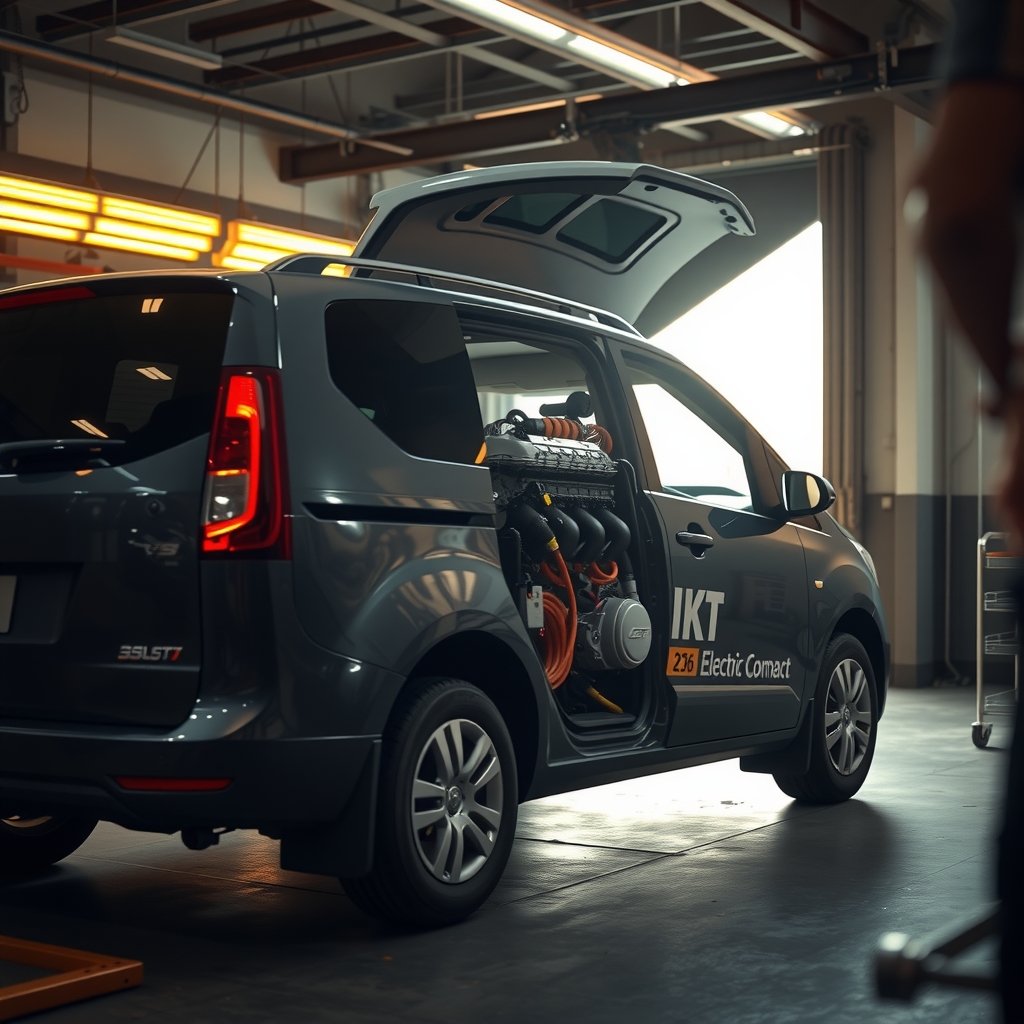
The Pacifica Hybrid launched for 2017 as one of the first plug-in hybrid minivans sold in America. It pairs a V6 engine with an electric drive system and a battery pack mounted under the second-row floor. In recent model years it has been rated at roughly 32 miles of EPA electric-only range with combined efficiency around 82 MPGe. Those numbers shift slightly by model year, so anyone comparing trims should check the official rating for the exact year rather than trusting a blog table.
One persistent quirk: all-wheel drive has been offered on gasoline Pacificas but not on the Hybrid. Through roughly 2024 that remained true. Whether it changed later is unconfirmed. For families in snowy states, this is the single most consequential spec difference in the lineup, and it deserves a direct question at the dealership rather than an assumption.
| Feature | Gasoline Pacifica | Pacifica Hybrid |
|---|---|---|
| AWD availability | Yes (recent model years) | Not offered through ~2024 |
| Electric-only range | None | About 32 miles EPA (recent years) |
| Combined efficiency | Conventional MPG rating | Around 82 MPGe (recent years) |
| Battery location | None | Under second-row floor |
| Best fit | Towing, snowy climates | Short commutes, carpool duty |
If you are weighing a plug-in van against other AI-assisted shopping tools and chatbot comparisons, it helps to separate vehicle research from the software. A van purchase is a decade-long decision; a chatbot subscription is a monthly one. The same discipline applies: verify the source before you trust the summary.
Safety and regulation: what the record actually shows
Minivan buyers ask about crash safety before almost anything else, and rightly so. The Pacifica has earned top awards from the Insurance Institute for Highway Safety in some model years, though the specific award years vary and should be checked for the exact model year in question. The National Highway Traffic Safety Administration’s five-star program provides a separate set of ratings worth cross-referencing.
Regulatory context matters too. A 2027 model year vehicle falls under whatever corporate average fuel economy standards and EPA greenhouse gas rules are in force at the time of sale. Those frameworks have been subject to revision, and the specific 2027 values are not settled in any way a shopper can rely on. The practical takeaway is simpler: fuel economy rules shape what automakers build, so a shifting regulatory picture is one more reason powertrain details for 2027 stay murky. (10 best ai chatbots gpt 5 claude under hood 2027)
For buyers who want to dig into how ratings are produced rather than just read a star count, the underlying test methodology is public and worth ten minutes of reading. It explains why a Top Safety Pick award in one year does not automatically transfer to the next.
Practical shopping tips that hold regardless of model year
Here is where first-hand dealership experience and owner reports consistently point to the same lessons. None of these depend on knowing the 2027 spec sheet.
Test the third row with real people. The Pacifica’s third row is genuinely usable, but “usable” varies by passenger height. Bring the tallest family member to the test drive. Salespeople rarely volunteer this.
Check the second-row Stow ‘n Go seats physically. The gasoline model’s fold-flat second row is a signature feature. The Hybrid’s battery placement changes second-row flexibility on some configurations. Fold the seats yourself, twice, before signing.
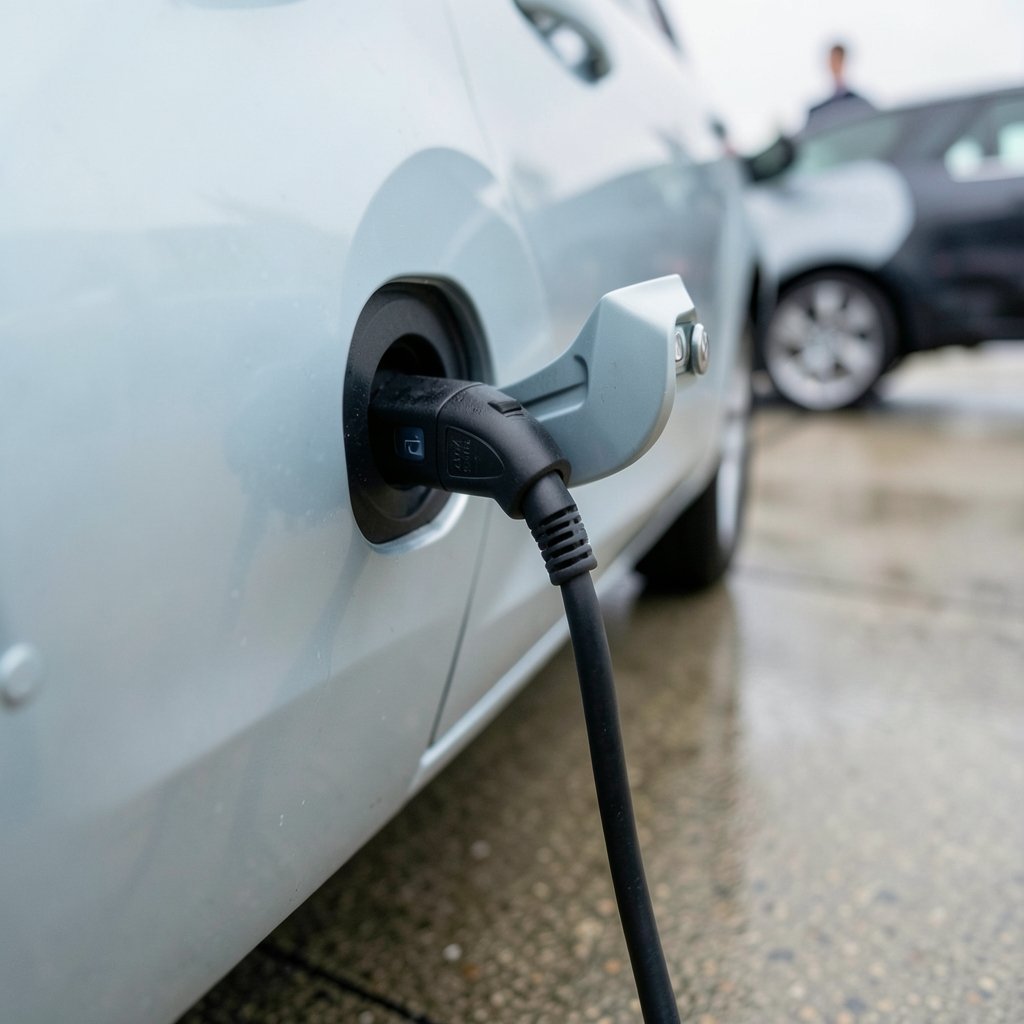
Verify the charging situation at home. A plug-in hybrid only delivers its efficiency advantage if it gets plugged in regularly. Without a garage outlet or a reliable Level 2 setup, the Hybrid becomes a heavier, more expensive gasoline van. This is the most common buyer mistake with PHEVs generally.
Ask for the build date as well as the model year. Inventory sitting on lots can be older than expected. A van built in late 2026 and sold as a 2027 is normal; a van built in 2025 and titled as new deserves questions.
Price the insurance before the van. Minivans with expensive hybrid components and advanced driver assistance systems can carry surprising premiums. A quote takes fifteen minutes and occasionally changes the whole purchase decision.
Do not accept “the 2027 is coming soon” as a reason to wait indefinitely. Dealers use future-model talk to stall negotiations. Without a confirmed announcement, waiting has an opportunity cost measured in months of family transport.
If part of your research involves comparing how different AI assistants summarize vehicle specs, note that the same skepticism applies across tools. A comparison of how DeepSeek, ChatGPT, and Gemini judge output quality shows how differently models handle the same prompt, which is a useful reminder that no single summary should be your only source on a major purchase.
Where the 2027 Pacifica fits in the wider market
The minivan segment has shrunk dramatically over two decades, and the Pacifica’s position is unusual. It is one of very few vans offering a plug-in hybrid option at all. Competitors have largely retreated to conventional gasoline powertrains or exited the segment entirely.
That gives the Pacifica a defensible niche: families who want three rows, sliding doors, and the ability to do the school run on electricity. The trade-off is that a niche vehicle carries niche risks. Parts availability, resale values, and dealer expertise on the hybrid system all vary by region.
Chrysler’s corporate parent has publicly committed to U.S. and Canadian assembly investment, including at Windsor. That is a signal of continued production intent, not a specification sheet. Buyers should read it as reassurance about the plant’s future rather than confirmation of what will roll off the line in 2027.
There is also a broader pattern worth recognizing. Across consumer technology, the gap between what is announced and what ships has widened. Handheld console pricing is a good parallel: confirmed prices and reported prices diverge constantly, and buyers who track the difference make better decisions. Vehicle shopping rewards the same habit. Distinguish the confirmed from the reported, every time.
For families building a broader research stack, the same principle applies to e-commerce and software tools they use to compare purchases. Lists of the best AI tools for e-commerce stores in 2027 tend to blur verified features with vendor claims, and the disciplined reader filters accordingly. That habit transfers directly to reading dealer listings and manufacturer pages. (Best ai translation tools 2027 deepl vs chatgpt vs google)
What to do before you commit
The most useful preparation is a short list of questions you will not leave the dealership without answering.
- What is the exact model year and build date on this vehicle’s door jamb label?
- Does this specific trim have all-wheel drive, and is it available with the hybrid powertrain in this model year?
- What is the EPA electric range and combined efficiency rating for this exact configuration?
- Has Chrysler announced anything about the next model year that affects this vehicle’s resale value?
- What does the hybrid warranty cover, and for how many years and miles?
- Can I see the IIHS and NHTSA ratings for this specific model year, not a generic page?
Write the answers down. Verbal assurances evaporate; notes do not. Buyers who ask these six questions routinely catch mismatches between what a listing claims and what the vehicle actually is.
Conclusion
The 2027 Chrysler Pacifica is best understood as a known quantity wearing an unknown label. The platform, the hybrid system, the safety record, and the packaging are all well documented from recent model years. What remains genuinely unconfirmed is whether 2027 brings a redesign, a powertrain change, or a straightforward carryover.
That uncertainty is not a reason to panic or to wait. It is a reason to buy on verified facts rather than rumor. Check the door jamb, confirm the drivetrain, read the official efficiency rating for the exact year, and ask the dealership directly what has and has not been announced. Families who do that end up with a van that fits their actual life, which is the only specification that ultimately matters.
FAQ
Will there be a 2027 Chrysler Pacifica?
Almost certainly yes in some form, since the nameplate anchors Chrysler’s lineup and production continues at Windsor Assembly. However, no verified Chrysler or Stellantis announcement confirms a 2027-specific redesign or powertrain change. Buyers should treat any firm claim about 2027 specifications as unverified until an official release appears.
Is the Pacifica Hybrid getting all-wheel drive?
Through roughly the 2024 model year, all-wheel drive was offered on gasoline Pacificas but not on the Hybrid. Whether that changed for later model years is unconfirmed. Anyone who needs AWD in snow or on gravel should confirm availability for the exact model year and trim at the dealership rather than relying on general reporting.
How much electric range does the Pacifica Hybrid have?
Recent model years have been rated at roughly 32 miles of EPA electric-only range with combined efficiency around 82 MPGe. Exact figures vary by model year, so check the official rating for the specific vehicle rather than a generic figure. Real-world range also drops in cold weather and at highway speeds.
Is the Pacifica a safe minivan?
It has earned top awards from the Insurance Institute for Highway Safety in some model years, and it is rated under the National Highway Traffic Safety Administration’s five-star program. Award years vary, so verify the ratings for the exact model year you are considering. Ratings do not transfer automatically from one year to the next.
Should I wait for the 2027 model or buy now?
That depends on your timeline and tolerance for uncertainty. Without a confirmed 2027 announcement, waiting has a real cost in months of family transport. If you need a three-row van now and the current model fits your budget and charging situation, there is little verified reason to delay. If you can wait comfortably, waiting costs you nothing but time.
What is the most common mistake Pacifica buyers make?
Skipping the home charging check. A plug-in hybrid only delivers its efficiency advantage when it is plugged in regularly. Without a garage outlet or reliable Level 2 charging, the Hybrid becomes a heavier, pricier gasoline van. Test the second-row seat folding in person too, since battery placement affects flexibility on some configurations.



