
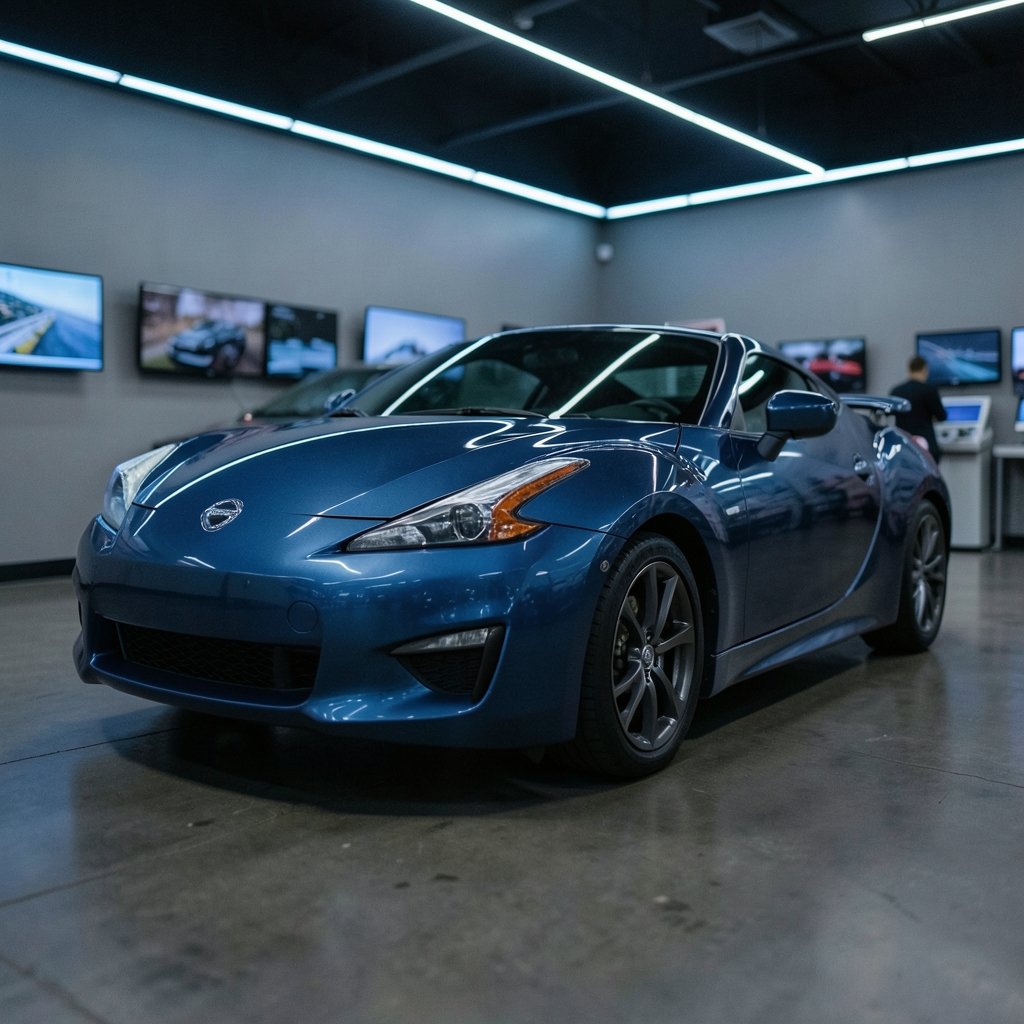
Will the 2027 Nissan Z be a new car, a light refresh, or simply a familiar coupe with a higher window sticker? That question matters to anyone holding a deposit, watching dealer listings, or waiting for Nissan to finally answer the Toyota GR Supra and Ford Mustang head-on. The honest answer, based on what Nissan has actually published, is less exciting than the rumor mill suggests. Here is what is confirmed, what is plausible, and what deserves a healthy dose of skepticism.
The Short Answer: No Confirmed 2027 Z Yet
As of the most recent verifiable information, Nissan has not announced a next-generation or facelifted Z for the 2027 model year. That is the single most important fact in this article, and it is the one most often buried under speculative headlines. The current car, known internally as the RZ34, arrived with a New York unveiling on August 17, 2021, replacing the long-serving 370Z. US sales began in 2022 as a 2023 model year vehicle.
So when someone searches for the 2027 Nissan Z, they are usually looking for one of three things: a redesign, a refresh, or next year’s pricing. Only the third has any realistic chance of being confirmed soon, and even that follows a predictable annual pattern rather than a dramatic announcement.
A practical tip for buyers: treat any “2027 Z revealed” headline without a Nissan press release as noise. Model-year changes for low-volume sports cars often surface quietly through dealer order guides and manufacturer spec pages weeks before any formal fanfare.
What the Current Z Actually Offers
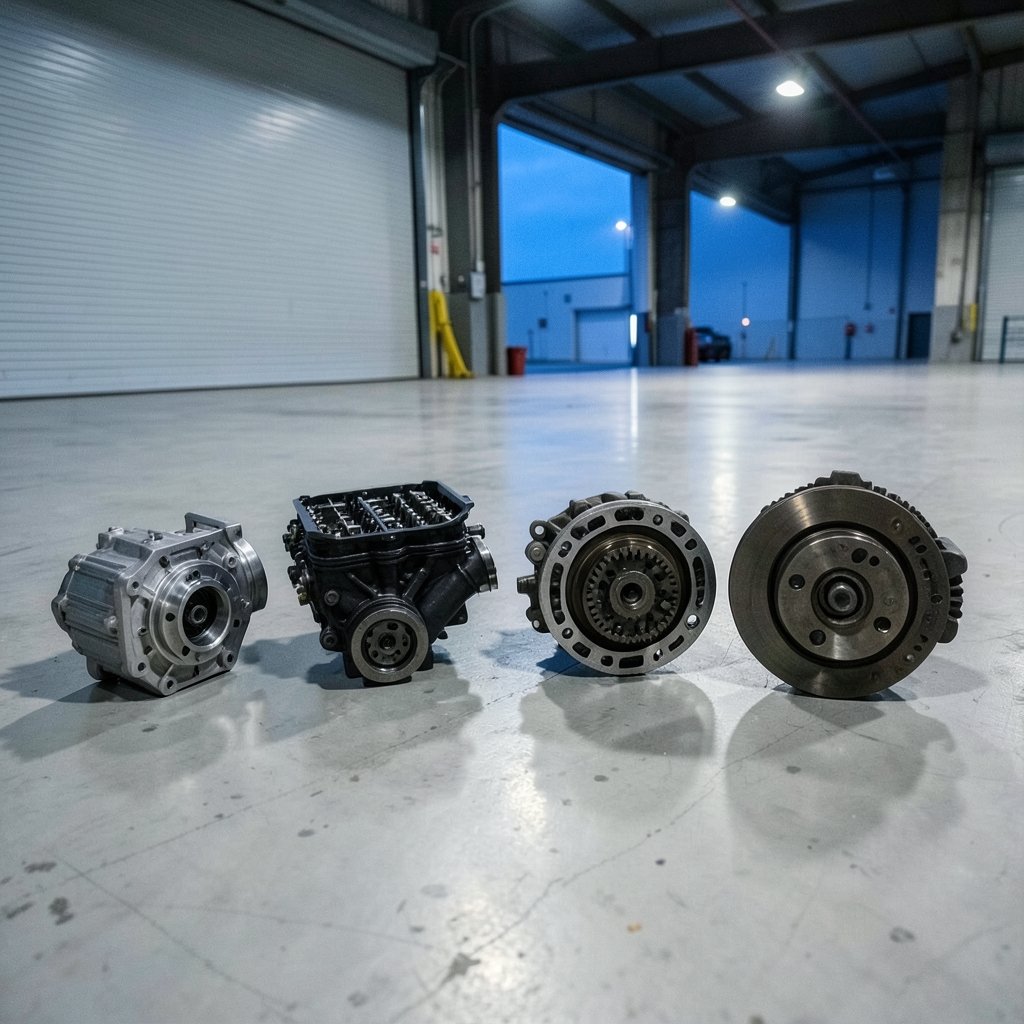
Before speculating about the future, it helps to understand the car on sale today, because a 2027 model would almost certainly build on it rather than replace it wholesale.
| Spec | Detail |
|---|---|
| Engine | 3.0-liter twin-turbo V6 (VR30DDTT) |
| US output | 400 hp / 350 lb-ft |
| Other markets | 405 PS in some regions |
| Transmissions | 6-speed manual or 9-speed automatic |
| Manual feature | SynchroRev Match |
| Platform | Shared with the Infiniti Q60 |
| Nismo variant | Announced 2023, US 2024 model year, roughly 420 hp |
That powertrain is the Z’s strongest card. The twin-turbo V6 pulls hard from low revs, and the availability of a proper manual with automatic rev-matching gives the car a character that few rivals at the price can match. The Nismo adds chassis, brake, and aero changes on top, with output climbing to roughly 420 hp. Exact Nismo figures and timing are worth confirming against current sources, since trim details shift between markets.
The platform sharing with the Infiniti Q60 is worth understanding. It means the Z inherits a proven rear-drive architecture, which is good for durability and parts availability. It also means the car’s fundamental bones date back further than its 2021 debut suggests. That is not a dealbreaker, but it explains why some reviewers describe the Z as a modern classic rather than a cutting-edge sports car.
Why a 2027 Redesign Looks Unlikely
Nissan’s product planning has been in flux. The company went through a significant restructuring across 2024 and 2025, and merger talks with Honda, which had been closely watched, ended in February 2025. In that environment, low-volume halo cars tend to get pushed to the back of the queue. The Z sells in modest numbers by design. It exists to keep the brand’s performance identity alive, not to move volume.
Nissan has also not committed publicly to an electrified Z. Given how long development cycles run, a fully electric or hybrid Z arriving as a 2027 model would have required clear signals years earlier. None have appeared.
What is far more plausible is the pattern every US model year tends to follow: modest MSRP adjustments, occasional trim reshuffling, and the possibility of a special edition. That is genuinely how sports car lineups stay in the news between redesigns. It is also exactly the kind of change that generates breathless speculation online.
Common Mistakes Buyers Make Right Now
Watching this space long enough reveals a few recurring traps.
Mistake one: treating renderings as leaks. Fan-made renders of a “next Z” circulate constantly. They are artwork, not product plans. If an image has no accompanying Nissan press release, it is almost certainly speculative.
Mistake two: assuming a new model year means a new car. A 2027 badge on a Z does not imply new sheet metal. Plenty of buyers have waited for a redesign that turned out to be a color added to the palette.
Mistake three: ignoring the depreciation curve. The current Z has been on sale since 2022. Used examples now exist at meaningful discounts to new, and a low-mileage Nismo or a well-kept manual Performance trim can be a smarter entry point than paying a markup on an unconfirmed future model.
Mistake four: overlooking running costs. A twin-turbo V6 sports coupe means premium fuel, thirsty tires, and insurance premiums that surprise first-time buyers. Budget for those before budgeting for the car.
What actually works is simpler: decide what you want from the car, set a realistic budget including insurance and fuel, and buy the best example available now rather than waiting on a rumor.
How the Z Stacks Up Against Rivals
The competitive picture shapes any future Z decision, because Nissan has to price the car against cars that are actively evolving.
| Model | Character | Typical buyer appeal |
|---|---|---|
| Nissan Z | Twin-turbo V6, manual available | Value performance, old-school feel |
| Toyota GR Supra | Turbocharged inline-six or four | Sharper chassis, strong tuning scene |
| Ford Mustang | V8 or turbo four, larger car | Space, variety, muscle-car identity |
| Mazda MX-5 | Lightweight, naturally aspirated four | Pure handling, low running costs |
The Z’s niche is clear. It offers six-cylinder turbo power and a manual gearbox at a price that undercuts most six-cylinder competition. If a 2027 update arrives, the most valuable improvements would be sharper steering feel, a modernized infotainment system, and better standard safety tech rather than more horsepower.
That last point is worth dwelling on. The current car’s cabin tech has drawn criticism for lagging behind rivals. A model-year update is the natural moment to fix it. Buyers who care about smartphone integration and driver aids should watch for that specifically.
What to Watch For Instead of Rumors
Rather than refreshing fan forums daily, track the signals that actually predict product changes.
- Official manufacturer announcements. A genuine 2027 Z would come with a press release, not a forum screenshot.
- Dealer order guides. These often reveal trim and color changes before public announcements.
- Regulatory and emissions databases. A new model year typically generates fresh fuel-economy and emissions entries.
- Recall and safety databases. These confirm which model years actually exist in the market.
- Pricing disclosures. MSRP changes appear in manufacturer materials before they appear in headlines.
If none of these show a 2027 entry, the car does not exist yet in any meaningful sense. That is a cleaner test than any amount of speculation.
The Bigger Picture: A Halo Car in Transition
The Z sits at an awkward moment in automotive history. Enthusiast coupes are a shrinking segment, electrification is reshaping powertrain planning across the industry, and Nissan itself has been through a turbulent stretch. Yet the Z remains one of the few affordable ways to buy a rear-drive, manual, turbocharged six-cylinder coupe new.
That scarcity value cuts both ways. It makes the current car worth considering seriously right now, and it makes a dramatic 2027 reinvention less likely, because the business case for a big investment in a low-volume coupe is genuinely difficult. The most probable outcome is continuity: the same charismatic powertrain, incremental updates, and pricing that creeps upward.
For readers tracking the wider AI and tech landscape alongside their car shopping, the same principle applies across product categories: verify the announcement, not the anticipation. Guides like the breakdown of the 10 best AI chatbots, GPT-5 and Claude under the hood in 2027 make the same point about separating confirmed specifications from hype, and a look at when not to use an AI chatbot in 2027 shows how often the sensible choice is the tool already in front of you. (Best ai translation tools 2027 deepl vs chatgpt vs google)
Practical Advice If You Are Set on a Z
If the goal is to be driving a Z rather than reading about one, here is the pragmatic path.
Start by deciding between the standard car and the Nismo. The standard Z with the manual and the Performance package delivers most of the experience for less money. The Nismo’s extra output and chassis work are real, but the premium is steep, and the automatic-only availability in some configurations has annoyed purists.
Next, drive both transmissions. The nine-speed automatic is quicker in a straight line, but the manual’s SynchroRev Match makes even average drivers feel competent, and it holds resale value well.
Then check insurance quotes before committing. Rates vary enormously by trim and driver profile, and a quote can change a purchase decision faster than any review.
Finally, consider the used market seriously. A two- or three-year-old example with low mileage often represents the steepest part of the depreciation curve already absorbed by someone else. If a 2027 model does eventually arrive with meaningful changes, today’s cars will look like even better value.
Conclusion
The 2027 Nissan Z is, for now, a car without an official announcement. The seventh-generation RZ34 remains the model on sale, with its 400 hp twin-turbo V6, available manual, and Nismo variant carrying the flag. Nissan has not confirmed a redesign, a facelift, or an electrified Z for 2027, and the company’s recent restructuring makes a major investment in a low-volume coupe unlikely in the near term.
That is not a disappointing conclusion. It is a useful one. It means buyers can stop waiting and start deciding. The current Z offers a combination of power, price, and old-school engagement that is genuinely rare, and the smartest move is to evaluate what exists today rather than gamble on a rumor. Watch the official channels, ignore the renderings, and if the car fits your budget and your garage, go drive one.
Frequently Asked Questions
Is there a confirmed 2027 Nissan Z?
No. Nissan has not announced a next-generation or facelifted Z for the 2027 model year. The current seventh-generation car, the RZ34, remains the model on sale, and any 2027 claims without an official manufacturer release should be treated as unconfirmed.
What engine does the current Nissan Z use?
It uses a 3.0-liter twin-turbo V6 known as the VR30DDTT, producing 400 hp and 350 lb-ft in the US, with 405 PS in some markets. It comes with either a six-speed manual featuring SynchroRev Match or a nine-speed automatic.
How much power does the Nissan Z Nismo make?
The Nismo variant, announced in 2023 for the US 2024 model year, produces roughly 420 hp along with Nismo-specific chassis, brake, and aero changes. Exact output and timing vary, so confirm figures for the specific model year you are considering.
Will the next Nissan Z be electric?
Nissan has not committed publicly to an electrified Z. Given typical development timelines, a fully electric or hybrid Z arriving as a 2027 model would have required clear signals years earlier, and none have appeared.
Is the Nissan Z a good value compared with rivals?
It generally is, because it offers six-cylinder turbo power and an available manual at a price below most six-cylinder competition such as the Toyota GR Supra. Running costs are the catch: premium fuel, expensive tires, and higher insurance premiums should be part of any budget.
Should I wait for a 2027 model or buy now?
If you want the car, buying now is the lower-risk choice. A 2027 model is unconfirmed, and the current Z already delivers the powertrain and manual gearbox that define the experience. A low-mileage used example can also avoid the steepest part of the depreciation curve.



