
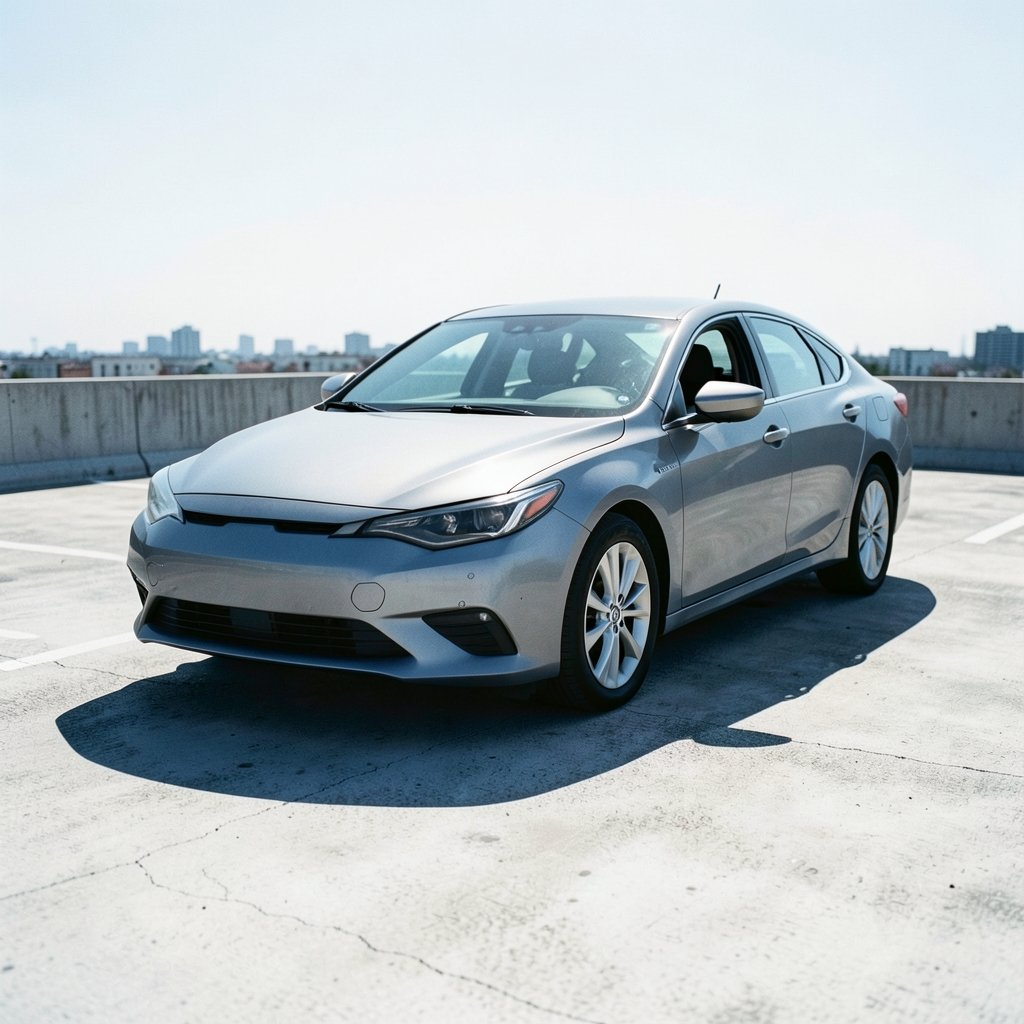
Does a 2027 Toyota Camry actually exist yet, or is the internet getting ahead of itself? That question matters more than it sounds. Search for the 2027 Camry and you will find confident claims about pricing, horsepower, and a “mid-cycle refresh” that nobody in an official position has confirmed. The truth is messier and, frankly, more useful to know before you sign anything at a dealership.
This article separates what is firmly established about the current Camry from what remains genuinely unknown about a 2027 model year. It also explains how Toyota’s product cycle usually works, so readers can make a smart guess about timing without being misled by rumor.
The Short Answer: There Is No Confirmed 2027 Camry Yet
As of the most recent verifiable information, no official 2027 Toyota Camry announcement exists. Toyota has not published specs, pricing, or trim details for a 2027 model year. Any article, video, or forum post that states 2027 figures with certainty is either speculating, extrapolating from the 2025 redesign, or confusing model years.
That is not a dodge. It is the single most important fact in this entire topic. The ninth-generation Camry was unveiled at the Los Angeles Auto Show in November 2023 and arrived in U.S. showrooms in spring 2024 as a 2025 model. That launch was a full redesign, not a facelift, and it reset the car’s engineering foundation for years to come.
When a carmaker completes a ground-up redesign, the following model years typically bring only small changes: a new paint color, a reshuffled feature package, maybe a tweaked trim name. A second full redesign within two years would be extraordinary and would contradict normal automotive product cycles. So the most reasonable expectation for 2027 is continuity, not reinvention.
What the Current Generation Actually Delivers
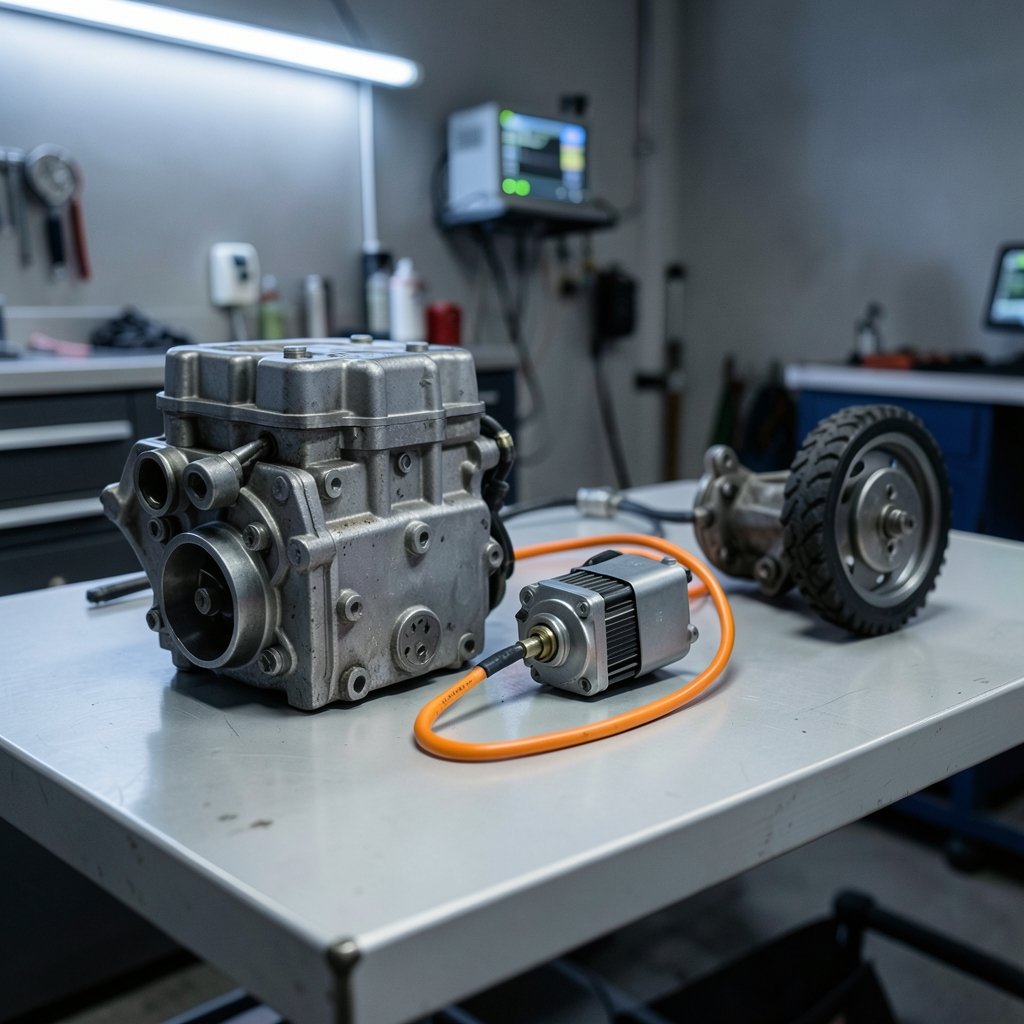
To understand what a 2027 Camry would likely be, it helps to know exactly what the ninth-generation car is. This is the version that would carry forward unless Toyota announces otherwise.
Hybrid-only powertrain
The biggest shift with the ninth generation is that the Camry became hybrid-only in the U.S. market. The V6 is gone. The non-hybrid four-cylinder is gone. Every new Camry now uses Toyota’s fifth-generation hybrid system: a 2.5-liter four-cylinder engine paired with electric motors.
Front-wheel drive is standard. An electronic on-demand all-wheel-drive system is optional, and it works by adding a separate rear electric motor rather than a mechanical driveshaft to the rear axle. That is a meaningful detail for buyers in snowy climates, because the rear wheels get torque instantly and independently.
Trim lineup
The U.S. launch lineup consisted of five trims: LE, SE, SE Nightshade, XLE, and XSE. The LE and XLE lean toward comfort and value. The SE and XSE lean toward sportier styling and tuning. The SE Nightshade adds blacked-out exterior accents for buyers who want a darker look without stepping up to the XSE.
Why this matters for 2027 planning
If a 2027 model arrives, it will almost certainly be built on this same platform with this same hybrid architecture. Buyers who are waiting for 2027 should therefore not expect a different engine, a return of the V6, or a plug-in variant unless Toyota explicitly announces one. The realistic changes are cosmetic and feature-level.
The 2026 Gap Nobody Talks About
Here is a practical wrinkle that trips up shoppers: reliable details on the 2026 model year are themselves thin. If 2026 changes are unclear, then 2027 details are even further out.
This creates a specific buying trap. Dealers sometimes advertise incoming inventory with model-year language that sounds more advanced than it is. A salesperson saying “the new Camry” may be referring to a 2025 or 2026 car sitting on the lot, not a 2027 vehicle that has been formally announced.
The practical rule: ask for the model year in writing on the buyer’s order, along with the trim and price. Model year affects resale value, insurance classification, and recall tracking. It is not a detail to gloss over.
How to Verify 2027 Information Yourself
Because no official 2027 data exists, the smartest approach is to check primary sources rather than aggregator sites. Here is a verification routine that actually works.
- Check the manufacturer’s own newsroom for press releases dated by month and year. If a 2027 Camry had been announced, the release would be there.
- Check the federal fuel-economy database for the specific model year. Official economy and emissions figures are filed per model year, so an empty 2027 entry is telling.
- Check the national safety regulator for ratings and open recalls tied to the model year.
- Check the independent crash-test body for whether the current generation has been rated.
- Cross-reference any “leaked” spec sheet against those sources. If it appears nowhere official, treat it as fiction.
This routine takes about fifteen minutes and saves buyers from basing a $30,000-plus decision on a rendered image someone made in their spare time.
What Usually Changes in a Camry’s Third Year
If Toyota follows its historical pattern, a 2027 Camry would be the third model year of the ninth generation. Third-year changes in this segment tend to be modest. Based on how mainstream sedans typically evolve, buyers can reasonably watch for:
| Area | Typical third-year change | Likelihood |
|---|---|---|
| Paint colors | One or two added, one dropped | High |
| Trim features | Package reshuffling, standard equipment shifts | High |
| Infotainment | Software updates, screen responsiveness | Medium |
| Safety suite | Expanded standard driver-assist features | Medium |
| Styling | Minor bumper or grille tweak | Low |
| Powertrain | Unchanged | Very high |
| Price | Modest increase | High |
None of this is confirmed for 2027. It is a pattern, not a promise. But it is a far more grounded way to plan than reading a speculative blog post that invents a horsepower figure.
The Cost Question Buyers Keep Asking
Pricing is the most searched and least answerable part of this topic. No official 2027 pricing exists. Anyone quoting a specific 2027 MSRP is guessing.
What shoppers can do instead is track how the current generation has been priced and assume a modest year-over-year increase, which is the norm across the industry. They should also factor in the hybrid-only shift. Because every Camry is now electrified, the entry price sits higher than the old base gasoline model did. That is a structural change, not a temporary one.
There is a second cost angle worth flagging: insurance and registration. Model year affects both. A 2027 car will be valued higher than a 2025 with similar mileage, which nudges premiums up. Buyers comparing a discounted 2025 or 2026 leftover against a full-price 2027 should run insurance quotes on both before deciding.
Where AI Tools Help and Where They Mislead
Plenty of shoppers now use AI chatbots to research car purchases, and the results are genuinely mixed. Chatbots are good at explaining how hybrid systems work, comparing trim feature lists, and drafting questions to ask a dealer. They are bad at knowing about vehicles announced after their training data ends, and they will sometimes fill that gap with confident-sounding invention.
That failure mode is not unique to cars. It shows up across product research, which is why it pays to understand how these systems handle knowledge limits before trusting them on a purchase decision. A useful read on that front is this breakdown of the 10 best ai chatbots gpt 5 claude under hood 2027, which explains why models sometimes answer questions they should decline.
The same caution applies to shopping-adjacent AI. Retailers increasingly deploy automated assistants that handle inventory questions and follow-ups, and those tools are tuned for sales, not for accuracy about unreleased products. If a dealer’s chat widget tells you a 2027 Camry is “arriving next month,” verify it against the manufacturer’s newsroom. For context on how these systems behave in retail settings, see this overview of ai chatbots e commerce 2027 that rescue abandoned carts. Knowing the tool’s job helps you judge its answer.
There is also a broader lesson here about when automation adds value and when a human conversation does. This piece on when not to use an ai chatbot in 2027: 7 honest cases makes the point well: high-stakes, fast-changing, or legally binding questions deserve a person. A car purchase with a model year that does not officially exist yet is exactly that kind of question.
Common Mistakes Shoppers Make With Unreleased Models
A few patterns show up again and again when buyers chase a model year that has not been announced.
Mistake one: treating renderings as leaks. Enthusiast sites publish speculative images constantly. They are illustrations, not photographs. If the image has no source credit tied to a manufacturer, it is artwork.
Mistake two: waiting indefinitely. Buyers who hold off for a 2027 model that may bring only a new paint color can miss real incentives on current inventory. Waiting has a cost, and it is usually paid in forgone discounts.
Mistake three: assuming the nameplate is new. The Camry nameplate dates to 1982, when the first generation launched in Japan. It has been through decades of iteration. That long history is exactly why the car is conservative: Toyota changes it slowly and deliberately, and the ninth generation is the most dramatic shift in years precisely because such shifts are rare.
Mistake four: ignoring the market question. “2027 Camry” could mean the U.S. model year, a mid-cycle update, or a variant sold in a different region with different specs. Always confirm which market an article is describing before applying its numbers to your own purchase.
What to Do Right Now
For anyone shopping in the near term, the practical path is straightforward. Drive the current ninth-generation car in the trim you can actually afford. Confirm the model year in writing. Get insurance quotes for the exact vehicle identification number. And set a calendar reminder to check the manufacturer’s newsroom quarterly, so that when a 2027 announcement does land, you hear it from the source rather than from a forum.
If the 2027 model turns out to be a light refresh, the current car is not suddenly obsolete. If it turns out to be something bigger, the announcement will be public and dated, and buyers will have time to react. Either way, no one needs to gamble on rumor.
Conclusion
The 2027 Toyota Camry is, at this point, a question rather than a product. What is solid is the car it would be built on: a hybrid-only ninth-generation sedan with a 2.5-liter engine, available all-wheel drive via a rear electric motor, and a five-trim lineup running from LE to XSE. What is not solid is everything specific to 2027, because Toyota has not said.
That gap is not a problem to be papered over with invented specs. It is a signal to slow down, verify through primary sources, and treat confident 2027 claims with suspicion. Buyers who do that will make a better decision than buyers who chase a render. And when the real announcement comes, they will be the first to know.
FAQ
Does a 2027 Toyota Camry exist?
No official 2027 model has been announced. The current generation launched as a 2025 model after a November 2023 unveiling, and Toyota has not published 2027 specs, trims, or pricing.
Is the Camry still available with a V6?
No. The ninth-generation Camry dropped the V6 and the non-hybrid four-cylinder. Every new Camry in the U.S. now uses a hybrid system built around a 2.5-liter four-cylinder engine.
Does the current Camry offer all-wheel drive?
Yes. Front-wheel drive is standard, and an electronic on-demand all-wheel-drive system is optional. It uses a separate rear electric motor instead of a mechanical driveshaft to the rear axle.
What trims does the current Camry come in?
The U.S. lineup is LE, SE, SE Nightshade, XLE, and XSE. The LE and XLE favor comfort, while the SE and XSE lean sportier, with the SE Nightshade adding blacked-out exterior accents.
Should I wait for a 2027 Camry or buy now?
It depends on urgency and price. If 2027 follows the usual pattern, changes will be modest, mostly colors and feature packaging. Waiting costs you current incentives, so compare a discounted 2025 or 2026 against an unknown 2027.
How can I confirm 2027 details when they are released?
Check the manufacturer’s newsroom for a dated press release, the federal fuel-economy database for the specific model year, and the national safety regulator for ratings and recalls. If a claim appears in none of those, treat it as unverified.



