
When does Ramadan 2027 actually start, and why does almost every calendar you check give a slightly different answer? If you have tried to book time off, plan a trip, or set a school schedule around the month, you have probably run into the same wall: one site says one date, a mosque newsletter says another, and a friend in another country swears it begins a day later. That confusion is not a mistake in the sources. It is built into how the Islamic calendar works.
This guide walks through the expected dates for Ramadan 2027, how the month is calculated, what the fasting day will look like in different parts of the world, and the practical things worth sorting out early. It also flags clearly what is confirmed and what is still a projection, because in 2027 almost everything is still a projection.
What Ramadan Is, in Plain Terms
Ramadan is the ninth month of the Islamic (Hijri) calendar. It is a lunar calendar with twelve months that add up to roughly 354 or 355 days, which is about 10 to 11 days shorter than the Gregorian year. That shortfall is the reason Ramadan drifts earlier every year. A month that fell in midsummer a decade ago now lands in late winter.
Fasting, known as sawm, is one of the Five Pillars of Islam. During Ramadan, healthy adult Muslims abstain from food, drink, and other specified acts from dawn (fajr) to sunset (maghrib). The month is also a period of extra prayer, charity, and community meals, with the pre-dawn meal called suhoor and the sunset meal called iftar.
One detail trips up a lot of newcomers: the Islamic day begins at sunset, not midnight. That is why you will see phrasing like “Ramadan begins on the evening of 17 February.” The first full fasting day is the following daylight period.
When Ramadan 2027 Is Expected to Begin
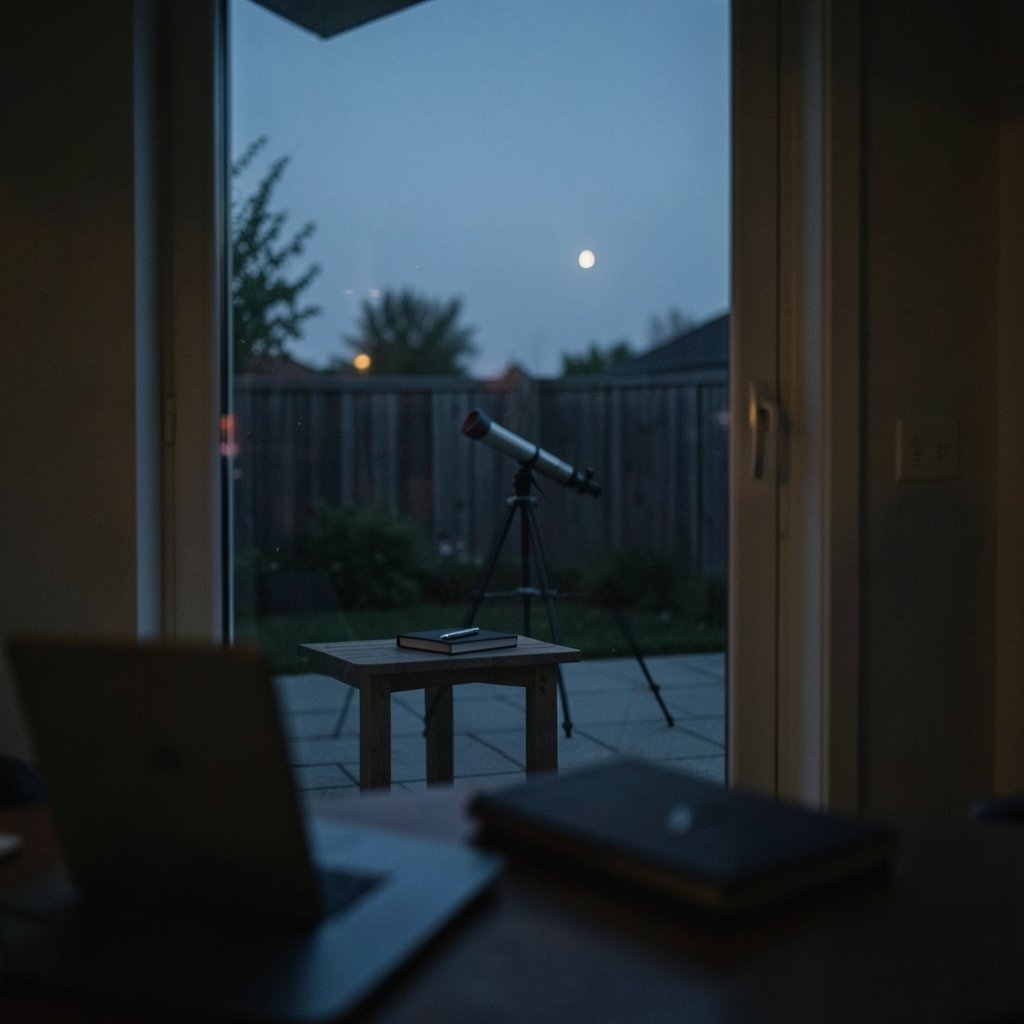
Based on the calculated Islamic calendar, Ramadan 2027 is expected to begin around 18 February 2027, with the first night of prayer falling on the evening of 17 February. The first full fasting day would then be 18 February.
That date comes from arithmetic, not observation. The tabular Islamic calendar and widely used calculated calendars such as the Umm al-Qura system project month starts in advance. They are useful for planning, and they are usually close. But they are not the same thing as an official announcement.
Here is the honest status as of now: 2027 is still more than a year away, and no moon-sighting authority has announced a date. Any specific date you read today, including the one above, is a projection. Official dates are typically confirmed only a day or two before the month begins, based on crescent sighting or a national calendar decision.
The Expected Timeline at a Glance
| Milestone | Expected date (calculated) | Status |
|---|---|---|
| First night of prayer (evening) | 17 February 2027 | Projected |
| First full fasting day | 18 February 2027 | Projected |
| Last ten nights begin | Around 9–10 March 2027 | Projected |
| Laylat al-Qadr (traditionally 27th night) | Night of 15–16 March 2027 | Projected, and uncertain by tradition |
| Eid al-Fitr | Around 19–20 March 2027 | Projected |
The month lasts either 29 or 30 days depending on the sighting, which is why Eid al-Fitr lands on one of two dates. If Ramadan starts on 18 February and runs a full 30 days, Eid falls around 20 March. A 29-day month puts it around 19 March.
Why There Is No Single Global Start Date
This is the part that causes the most confusion, and it is worth understanding properly rather than just accepting.
There is no single worldwide start date for Ramadan. Different countries apply different criteria. Some rely on local naked-eye or telescopic sighting of the crescent. Some follow a calculated calendar. Some follow the announcement of a nearby country or a regional sighting body. The result is that start dates can differ by a day between neighboring countries, and occasionally within the same country between communities.
The astronomical basis is crescent visibility. The new moon itself is not visible; the month begins when the thin crescent can be seen after sunset. Whether that happens on a given evening depends on the moon’s age, its distance from the sun in the sky, and atmospheric conditions. A calculated calendar can predict the moon’s position precisely, but it cannot decide for a community whether a sighting counts.
Practical upshot: if you are planning around Ramadan 2027, plan for a window, not a single day. Treat 17–19 February as the realistic start range and 19–21 March as the realistic Eid range. Anyone who needs certainty, such as event organizers or employers, should build in that slack.
How Long the Fast Will Be in 2027
Ramadan 2027 falls in the Northern Hemisphere’s late winter and early spring. That matters a great deal for fasting hours, and it is genuinely good news for Muslims in northern Europe, Canada, and the northern United States.
Because the month sits close to the spring equinox, day and night are roughly balanced across much of the world. Fasting days will be far shorter than they were during the long summer Ramadans of the 2010s, and far shorter than they will be again in the 2030s as the month drifts back toward midsummer.
Approximate fasting lengths, dawn to sunset, look like this:
| Location | Approximate fasting length |
|---|---|
| Northern Europe (London, Berlin) | Around 12–13 hours |
| Southern Europe (Madrid, Rome) | Around 12–13 hours |
| Middle East (Cairo, Riyadh, Dubai) | Around 13 hours |
| South Asia (Karachi, Delhi) | Around 13 hours |
| Southeast Asia (Jakarta, Kuala Lumpur) | Around 13 hours |
| Southern Hemisphere (Cape Town, Sydney) | Around 12–13 hours |
These are estimates. Actual times vary by latitude, longitude, and the method used to calculate twilight, and they shift by a minute or two each day across the month. Local mosque timetables remain the authority for prayer and fasting times.
One useful practical tip: because the fast is moderate in length in 2027, many people who struggled with summer Ramadans find this one far easier to combine with work or study. If you have been putting off a demanding commitment, this is a comparatively forgiving year to schedule it. The reverse applies to anyone planning outdoor physical work in hot climates, where the fast is shorter but dehydration risk is still real.
Laylat al-Qadr and the Last Ten Nights
The final ten nights of Ramadan carry special significance. Laylat al-Qadr, the Night of Power, is traditionally observed on the 27th night of the month. On the calculated calendar for 2027, that would fall around the night of 15–16 March 2027.
A caveat worth stating plainly: tradition holds that the exact night is uncertain, and many communities mark several of the odd nights in the last ten. Mosques typically increase programming from around 9 or 10 March onward, with longer night prayers and communal iftars. If you are planning to attend, expect the busiest nights to be the 25th, 27th, and 29th of the month.
Planning Around Ramadan 2027: What Actually Works
A lot of advice about preparing for Ramadan is either spiritual or generic. The practical, logistical side is where people most often get caught out. A few things that genuinely help:
Book leave early, but keep it flexible. Many employers need notice, and the last ten nights are the most requested. Request a range rather than single days, since the start date may shift.
Confirm with your local mosque in early February. Local communities publish confirmed timetables once the sighting is announced. Anything published months earlier is a planning aid, not a schedule.
Do not lock in travel for 18 February. If you are flying to be with family for the start of the month, arriving on 16 or 17 February gives you a buffer. Booking the exact projected date is the single most common planning mistake.
Plan iftar hospitality quantities loosely. Guests often arrive with little notice during Ramadan, and the first weekend is always the busiest. Cooking for a slightly larger group than expected is more sensible than precise portioning.
Check school and exam calendars now. Ramadan 2027 overlaps with February and March, which is exam season in many countries. Families with students in the Northern Hemisphere should raise the issue with schools early rather than in the week itself.
Be careful with workplace scheduling software. If your organization uses a Gregorian-only calendar, recurring meetings set before Ramadan will run straight through iftar time. Flagging this in January saves a month of awkward rescheduling.
For readers thinking about how digital tools fit into the month, whether for scheduling, translation of religious texts, or managing a small business through altered trading hours, our roundup of the best AI translation tools in 2027 is a reasonable starting point. Retailers preparing for the pre-Eid shopping surge may find the guide to AI tools for e-commerce stores more relevant, since the weeks before Eid al-Fitr are one of the busiest trading periods of the year in many markets. (10 best ai chatbots gpt 5 claude under hood 2027)
Common Mistakes People Make
A short list, drawn from the questions that come up every year:
- Assuming the date is fixed. It is not, and it will not be until close to the month.
- Confusing the first night of prayer with the first fasting day. They fall on different Gregorian dates.
- Using a single global calendar for a multi-country plan. Start dates genuinely differ.
- Forgetting that Eid al-Fitr is also sighting-dependent and can shift by a day.
- Treating published fasting-hour tables as universal. They are location-specific and method-specific.
- Overlooking that the Islamic day starts at sunset, which affects how “the 27th night” is counted.
Ramadan 2027 in Context
It helps to see 2027 as part of a longer drift. Ramadan moves about 10 to 11 days earlier each year. In 2025 it began in early March; in 2026 in late February; in 2027 in mid-to-late February. By the early 2030s it will return to the long, hot summer months, and fasting hours in northern latitudes will stretch well beyond 16 hours.
That trajectory makes Ramadan 2027 a relatively comfortable year in the Northern Hemisphere, and a good one for anyone considering a first serious attempt at keeping the full month, or for families thinking about how to introduce children to fasting gradually. Shorter days make the adjustment gentler.
It also means the planning advice above has a shelf life. What works for a February Ramadan, with moderate days and cold-weather iftars, will not transfer to a July one. Treat this year’s plan as this year’s plan.
Conclusion
Ramadan 2027 is expected to begin around 18 February, with the first night of prayer on the evening of 17 February, and to end with Eid al-Fitr around 19 or 20 March. Those dates are calculated projections, not confirmed announcements, and they will not be finalized until moon-sighting bodies and national calendars make their calls close to the month itself. The month will be shorter-fasted than the summer Ramadans of recent memory, which makes it a comparatively manageable year for work, study, and travel. The sensible approach is to plan a window rather than a date, confirm locally in early February, and build in a buffer for the things that always shift. Everything else, from the pre-dawn meal to the last ten nights, follows from there.
FAQ
When exactly does Ramadan 2027 start?
The calculated calendar projects a start around 18 February 2027, with the first night of prayer on the evening of 17 February. This is an estimate. The confirmed date depends on crescent sighting or a national calendar announcement, usually made a day or two before the month begins.
Why do different countries start Ramadan on different days?
Because there is no single global authority. Some countries rely on local crescent sighting, others on a calculated calendar, and others follow a regional announcement. Different criteria produce start dates that can differ by a day between neighboring countries.
How long will the daily fast be during Ramadan 2027?
Roughly 12 to 13 hours in most populated regions, because the month falls near the spring equinox. Northern European and North American Muslims will fast considerably fewer hours than they did during the summer Ramadans of the 2010s. Local timetables give exact times.
When is Eid al-Fitr in 2027?
Expected around 19 or 20 March 2027, depending on whether Ramadan runs 29 or 30 days. Like the start of the month, Eid is confirmed by sighting and can vary by country.
When is Laylat al-Qadr in 2027?
Traditionally observed on the 27th night of Ramadan, which on the calculated calendar falls around the night of 15–16 March 2027. Many communities mark several of the odd nights in the final ten, since the exact night is held to be uncertain.
Is Ramadan 2027 in winter or summer?
Late winter and early spring in the Northern Hemisphere. It is one of the shorter-fasted Ramadans of the decade. The month moves about 10 to 11 days earlier each year, so by the early 2030s it will fall in the long summer days again.