
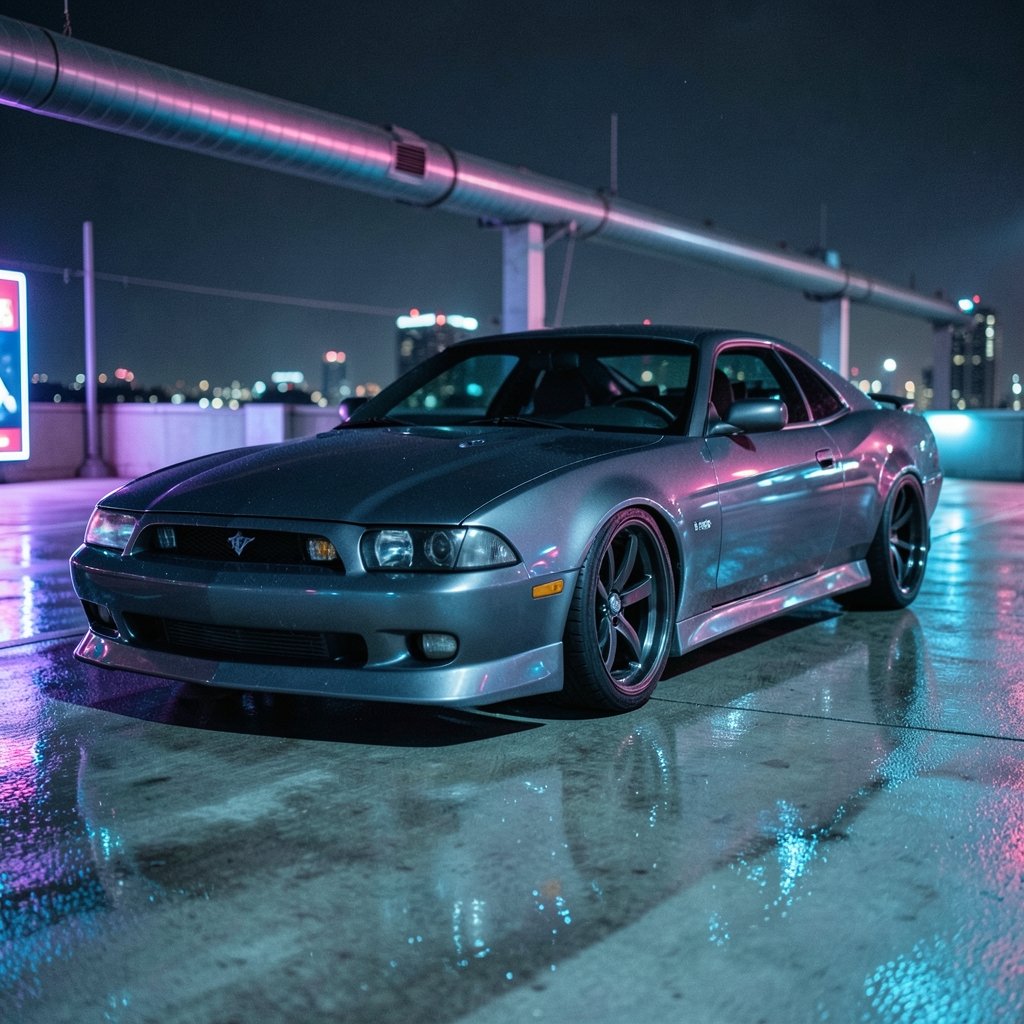
What happens when a muscle car icon trades its roaring V8 for batteries, gains two extra doors, and lands in a factory that once built minivans? That is the story of the new-generation Dodge Charger, and the 2027 model year sits right in the middle of it. The car is no longer a rumor or a reveal-stage concept. It is a production vehicle on a shared multi-energy platform, built in Ontario, offered as both an electric Daytona and a gasoline Sixpack. Yet the 2027-specific details remain genuinely unsettled, and anyone shopping or writing about this car needs to separate what is confirmed from what is still guesswork.
This guide walks through the architecture, the powertrains, the body styles, the production story, and the practical questions buyers actually ask. It also flags the places where model-year labeling has been messy, because that confusion is real and it matters when you are standing in a dealership.
Why the 2027 Charger Is a Genuinely Different Car
The previous Charger was a rear-drive sedan with an old-school V8 soundtrack, built for fifteen years with only modest updates. The new car throws out nearly every assumption. Dodge revealed the redesigned Charger on March 5, 2024, and the changes were structural rather than cosmetic.
The biggest shift is the platform. The new Charger rides on STLA Large, a Stellantis architecture designed from the start to accept battery-electric and internal-combustion powertrains on the same basic bones. That single decision explains almost everything else about the car: why an electric version and a gas version can coexist, why the wheelbase grew, and why Dodge could commit to a coupe and a sedan from one program.
The second big shift is the body style. The prior generation was sedan-only. The new lineup includes a two-door coupe alongside a four-door sedan, which reverses a decision Dodge made years ago when it dropped the coupe. For buyers who remember the old Charger coupes, that is a meaningful emotional hook. For buyers who just need rear doors, the sedan remains.
The third shift is the badge strategy. Dodge split the lineup into Charger Daytona for the electric cars and Charger Sixpack for the gasoline cars. Same shell, same platform, very different ownership experience.
The Electric Side: Charger Daytona
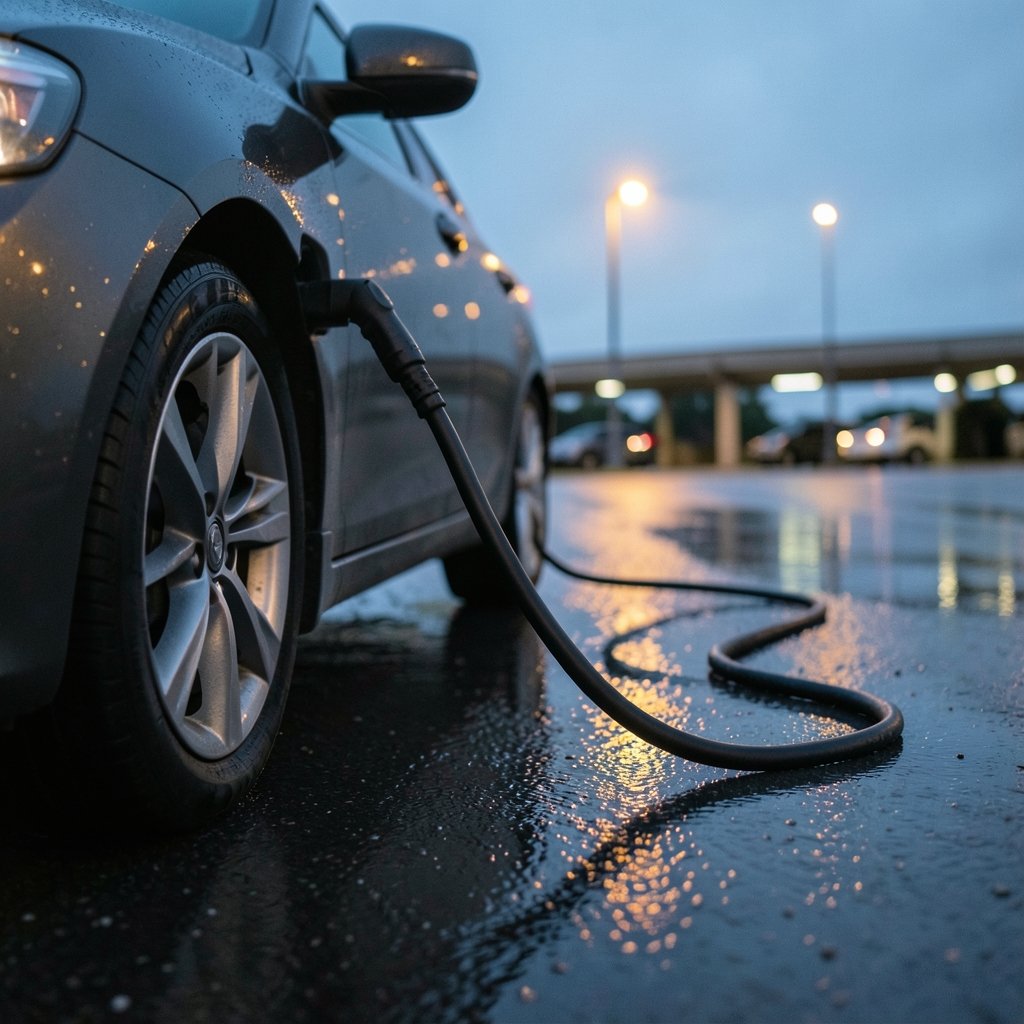
The Daytona launched with two output levels, marketed as the R/T and the Scat Pack. Dodge cited roughly 496 horsepower for the R/T and roughly 670 horsepower for the Scat Pack at the March 2024 reveal. Those are reveal-stage figures, and they should be re-checked against whatever Dodge publishes for the 2027 model year rather than assumed.
What the architecture buys the electric car is packaging freedom. A flat floor, a low center of gravity, and room for a large battery pack all come from STLA Large. What it costs is weight, and that is the tension every reviewer and every buyer has to weigh. A 670-horsepower electric sedan is brutally quick in a straight line, but it is also heavy, and heavy cars ask more of their tires, brakes, and suspension.
Practical advice for anyone considering the Daytona: look at charging as well as horsepower. Ask what charger comes with the car, what the onboard acceptance rate is, and how often you will actually DC fast charge. Owners who buy on acceleration figures alone often find that home charging setup, not output, determines daily satisfaction.
The Gasoline Side: Charger Sixpack
The Charger Sixpack uses a 3.0-liter twin-turbo inline-six from the Hurricane engine family. This is the pragmatic heart of the lineup. It keeps a familiar fueling routine, keeps the car accessible to people without home charging, and keeps a combustion soundtrack in a segment where that still sells.
There is a timing wrinkle worth knowing. Early reporting in 2024 suggested the Sixpack would arrive later than the electric Daytona, with the gas model delayed relative to the EV launch. Whether that delay fully resolves before or during the 2027 model year is exactly the kind of detail that needs confirmation from Dodge rather than inference from launch coverage.
For shoppers, the Sixpack is often the smarter first question. If you cannot charge at home, if you tow, if you live somewhere winter range matters, or if you simply want the simpler ownership model, the gas car deserves a serious look before you get seduced by a Daytona test drive. That is not a knock on the EV. It is a recognition that the two cars serve different lives.
| Feature | Charger Daytona (electric) | Charger Sixpack (gas) |
|---|---|---|
| Powertrain | Battery-electric | 3.0L twin-turbo inline-six |
| Reveal-stage output | ~496 hp (R/T), ~670 hp (Scat Pack) | Not reliably established |
| Fueling | Home or public charging | Gasoline |
| Best fit | Home charging, short commutes, performance | No home charger, long distances, towing |
| Platform | STLA Large | STLA Large |
Production, Plant, and the Model-Year Puzzle
The new Charger is built at the Windsor Assembly Plant in Ontario, Canada, confirmed in Stellantis announcements around the 2024 reveal. The previous-generation Charger ended production in December 2023 at the Brampton, Ontario plant, closing a long chapter for that facility’s rear-drive sedan.
Now the awkward part. Model-year labeling for this car has been reported inconsistently. Some outlets used “2024 Charger” and “2025 Charger” almost interchangeably for the launch vehicle, and the Sixpack’s model-year designation has been reported in conflicting ways. One research note even frames the 2027 car as the second model year of the new generation, which conflicts with a 2024 reveal. That contradiction is a red flag, not a detail to smooth over.
The honest position: confirm the official model-year designation with Dodge before treating any “2027” claim as settled. If you are shopping, check the Monroney sticker and the VIN, not the marketing copy on a dealer’s website. If you are writing or researching, cite the manufacturer’s own model-year announcement rather than a launch article from two years earlier.
This kind of labeling fog is common in the industry, and it is not unique to Dodge. Anyone who has tracked hardware launches knows the pattern of announced versus confirmed figures drifting apart. The same discipline applies to cars: separate the announcement from the delivered product.
What Actually Changed for 2027, and What Did Not
Here is where restraint matters. Pricing, EPA range, trim lineup, and any output revisions for the 2027 model year are not reliably known from pre-2025 information. Any specific 2027 MSRP or range figure circulating online should be treated as unverified until Dodge or the EPA publishes it.
What is reasonable to expect, based on the platform and the launch structure:
- The two-body-style strategy continues, with coupe and sedan.
- The Daytona and Sixpack split remains the organizing principle of the lineup.
- STLA Large continues to underpin the car, which means shared suspension and electrical architecture across variants.
- Output and range figures get refined as the program matures, which is normal for a second or third production year.
What is not reasonable to expect is a surprise return to V8 power. The Hurricane inline-six is the combustion story now, and the platform was built to support electrification rather than to preserve old engine bays.
Common Mistakes Buyers Make With This Car
A few patterns show up again and again when people approach a car like this.
Buying the EV without a charging plan. The single most common regret among electric performance-car owners is discovering that their parking situation does not support convenient charging. Sort out the charger before you sort out the trim.
Assuming launch specs are final specs. Reveal figures are marketing figures. They get revised. Check the current published numbers for the exact model year you are buying.
Confusing the coupe and sedan programs. They share a platform but not a silhouette or a rear-seat experience. Sit in both if rear passengers matter to you.
Trusting dealer model-year labels. Verify with the VIN and the Monroney sticker. Model-year confusion has been a documented issue with this car specifically.
Overweighting horsepower. A 670-horsepower electric sedan is thrilling for a week and then it is just your commute. Weight, tire cost, insurance, and charging speed shape ownership more than a 0-60 figure.
How the Charger Fits a Changing Market
The Charger’s bet is that buyers want choice rather than a single mandated powertrain. That is a defensible position in 2027, when charging infrastructure is uneven and gasoline remains widely available. Offering the same car with two energy paths lets Dodge keep traditional buyers while courting EV-curious ones.
The risk is complexity. Two powertrains, two body styles, and multiple output levels mean more configurations to build, stock, and service. Dealers often stock the safest combination rather than the most interesting one, which means the car you read about may not be the car sitting on the lot. If you want a specific build, order it rather than hoping it appears.
There is also a broader pattern worth noting: the tools people use to research purchases have changed. Buyers now cross-check dealer claims against AI assistants, forums, and review aggregators before they ever walk in. If you are curious how those systems compare on product research, there is useful context in this breakdown of the 10 best AI chatbots, GPT-5 and Claude under the hood in 2027, and a similar comparison of DeepSeek vs ChatGPT vs Gemini on output quality in 2027 for anyone weighing which assistant to trust with spec sheets.
Practical Buying Checklist
Before signing anything, work through these steps in order.
- Confirm the exact model year on the Monroney sticker and VIN.
- Decide between Daytona and Sixpack based on charging access, not horsepower.
- Verify current published output and range for that specific model year.
- Sit in both the coupe and the sedan if rear passengers matter.
- Get an insurance quote before you fall in love with a trim.
- Ask about tire replacement cost, which is significant on heavy performance cars.
- Check recall and safety rating data for the specific model year.
- If ordering, get the build date in writing.
That list sounds boring. It is also the difference between a car you love for five years and a car you resent by month six.
Where to Verify Before You Buy
Because 2027-specific figures are unsettled, verification is not optional. The EPA’s fuel economy database is the authoritative source for range and efficiency by model year, and it is worth checking directly rather than trusting a summary. Safety ratings and recall history should come from the federal regulator, not from a dealer’s brochure. And the manufacturer’s own newsroom remains the primary source for model-year announcements and specification changes.
For readers tracking other 2027 product decisions with similarly murky announced-versus-confirmed gaps, the same discipline applies elsewhere. The pattern shows up in gaming hardware too, where handheld console prices in 2027 sit somewhere between confirmed and reported and buyers have to read carefully to know which is which. It shows up in retail, where AI chatbots for e-commerce in 2027 promise to rescue abandoned carts and the claims deserve scrutiny. The common thread is simple: announcements are not deliveries.
Conclusion
The 2027 Dodge Charger is a real car with a real platform, a real plant, and a real split personality. The Daytona brings serious electric output and the packaging advantages of STLA Large. The Sixpack keeps a twin-turbo inline-six and a conventional fueling routine for buyers who need it. The coupe and sedan body styles widen the appeal in a way the previous generation never could.
What the 2027 model year does not yet offer is certainty. Pricing, range, trim details, and even the precise model-year designation have been reported inconsistently, and the responsible move is to verify against manufacturer and government sources rather than repeat launch-stage numbers. The car is worth watching and worth driving. The specifications are worth checking twice.
Frequently Asked Questions
Is the 2027 Dodge Charger electric?
It can be. The lineup includes the Charger Daytona, a battery-electric model, and the Charger Sixpack, which uses a 3.0-liter twin-turbo inline-six gasoline engine. Both ride on the same STLA Large platform, so the choice comes down to powertrain rather than body.
How much horsepower does the 2027 Charger have?
Dodge cited roughly 496 horsepower for the Daytona R/T and roughly 670 horsepower for the Daytona Scat Pack at the March 2024 reveal. Those are launch-stage figures. Output for the 2027 model year should be confirmed against Dodge’s own published specifications before you rely on it.
Where is the 2027 Dodge Charger built?
It is built at the Windsor Assembly Plant in Ontario, Canada, per Stellantis announcements around the 2024 reveal. The previous-generation Charger was built at Brampton, Ontario, and ended production there in December 2023.
Does the 2027 Charger come as a coupe?
Yes. The new generation offers a two-door coupe alongside a four-door sedan, reversing the previous generation’s sedan-only lineup. The coupe and sedan share the platform but differ in silhouette and rear-seat access, so sit in both if rear passengers matter.
Is the gasoline Charger Sixpack delayed?
Early 2024 reporting suggested the Sixpack would arrive later than the electric Daytona. Whether that timing affects 2027 availability is not reliably established. Confirm current availability with a dealer and check the model year on the vehicle itself.
How much will the 2027 Dodge Charger cost?
Pricing for the 2027 model year is not reliably known from pre-2025 information. Any specific figure circulating online should be treated as unverified until Dodge publishes official pricing. Get a written quote for the exact trim and model year rather than relying on reported estimates.



