
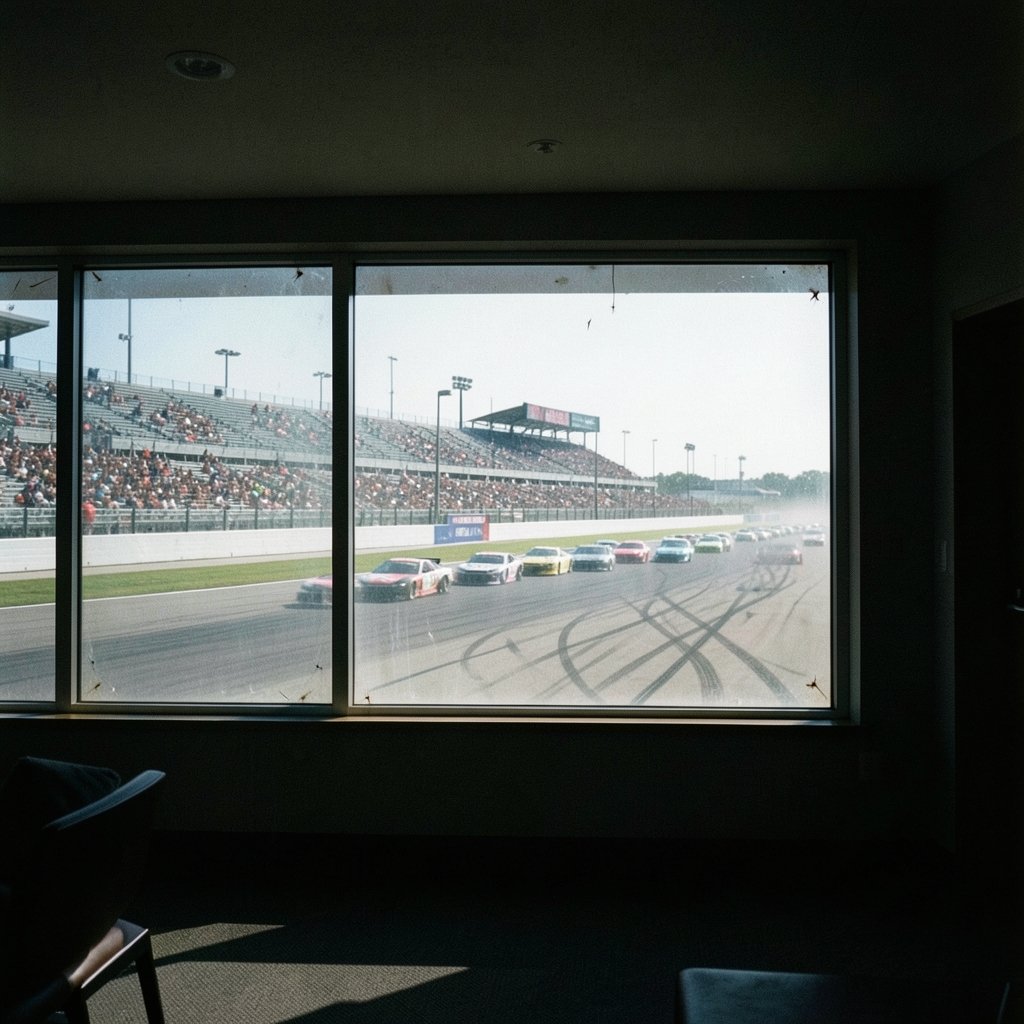
What if the most important race of the NASCAR season is also the one nobody can predict? That is the strange, wonderful deal with the Daytona 500. Every February, 40 cars line up on a 2.5-mile tri-oval in Florida, and for about four hours, the smartest engineering in motorsport gets scrambled by pack racing, fuel windows, and one badly timed push. The 2027 edition is already circling on calendars. Here is what is known, what is still pending, and what actually matters when the green flag drops.
When Is the Daytona 500 in 2027?
The 2027 Daytona 500 is expected in mid-February 2027, most likely Sunday, Feb. 14, which lands on Presidents’ Day weekend. That timing fits NASCAR’s long habit of running the race on or near that holiday, giving fans a three-day weekend and broadcasters a clean slot.
One caution before anyone books flights: NASCAR typically publishes the full Cup Series schedule in the spring or summer before the season, and the 2027 calendar had not been officially confirmed at the time of writing. Treat Feb. 14 as the strong working assumption, not a locked date. The safe move is to watch for the official schedule release and buy travel with changeable terms.
The venue itself is not in doubt. Daytona International Speedway in Daytona Beach, Florida, has hosted the race every year since the inaugural running on Feb. 20, 1959. That first race ended in one of the most famous photo finishes in racing history: Lee Petty was declared the winner over Johnny Beauregard days after the race, once officials studied the finish-line images. Sixty-plus years later, the track still produces the same kind of chaos.
By the count, the 2027 race would be the 69th running of the Daytona 500. That number is worth confirming against NASCAR’s official race history, since numbering conventions occasionally shift.
Why the Season Opener Matters More Than It Should

The Daytona 500 has traditionally served as the NASCAR Cup Series season opener, and that position gives it outsized weight. Teams arrive with brand-new cars, unproven setups, and almost no race data from the current season. Superspeedway racing then throws out the form book entirely.
A few practical points that catch newcomers off guard:
- Restrictor-plate and drafting rules mean raw horsepower matters less than aero cooperation. Two cars working together can outrun a faster car running alone.
- Fuel mileage often decides the race. Crew chiefs gamble on fuel windows, and a late caution can flip the entire strategy board.
- The winner earns a playoff berth under current NASCAR rules, assuming eligibility. That single fact turns the 500 into a season-defining event for smaller teams that might not win again all year.
NASCAR has occasionally discussed moving the opener to other venues or exhibition events, so it is worth confirming that the 2027 calendar still places Daytona first. As of now, the assumption holds.
How the Starting Lineup Gets Set
Since 2021, the Daytona 500 grid has been built through a two-stage format, and it is genuinely one of the more entertaining parts of race week:
- Single-car qualifying sets the front row and the fastest times.
- Two 150-mile qualifying races, run on the Thursday before the 500, fill out the rest of the field.
Those Thursday duels are not a formality. They are short, aggressive sprint races where drivers with locked-in spots sometimes coast and drivers fighting for a place take real risks. Sponsor names and exact format details can change year to year, so check the event page closer to race week.
For readers who follow how AI and analytics have crept into race strategy, the same shift is visible across motorsport: teams now lean on simulation and language-model tools to parse tire data, fuel models, and competitor tendencies. If that intersection interests you, the breakdown of 10 best AI chatbots with GPT-5 and Claude under the hood in 2027 is a useful primer on which models handle structured data well. And for anyone comparing how different engines judge race reports or technical summaries, this DeepSeek vs ChatGPT vs Gemini output quality comparison for 2027 offers a practical read.
The Defending Champion Question
Here is an honest gap. The 2026 Daytona 500 winner would enter 2027 as the defending champion, but that result should be verified before anyone writes it into a preview. Winners at Daytona are frequently surprise names, which is part of the appeal. The race rewards patience, drafting discipline, and a little luck more than raw pace.
What is safe to say: recent Daytona 500 history is a list of drivers who either cemented a legacy or stole a career-defining win. That pattern is the whole reason the race keeps drawing casual viewers who do not follow the rest of the season.
Broadcast and How to Watch
Fox has historically held the rights to the Daytona 500 as part of its NASCAR package. That said, NASCAR’s media-rights landscape shifted with the 2025–2031 agreements, which split coverage across multiple partners including Fox, NBC, Amazon, and TNT. The practical takeaway for 2027 viewers is simple: confirm the broadcast partner before race day rather than assuming the old arrangement.
Streaming adds another layer. Many fans now watch through network apps or streaming bundles rather than cable, and the 500 is usually available through whichever service carries the broadcast partner. Check local listings in the final weeks.
Attendance, Capacity, and the Fan Experience
Daytona International Speedway’s grandstands were rebuilt in a major 2016 renovation known as Daytona Rising, bringing permanent seating to roughly 101,000, with room to expand for major events. That is a big number, but the infield and midway areas carry a lot of the atmosphere.
Practical tips from people who have done the trip:
- Book accommodation early. Daytona Beach fills up fast for race weekend, and prices climb with demand.
- Plan for weather. February in Florida is usually mild, but rain delays are common and can push the race to Monday.
- Arrive early on race day. Traffic around the speedway is legendary, and parking lots open hours before the green flag.
- Bring hearing protection. Superspeedway pack racing is loud in a way that surprises first-timers.
The most common mistake fans make is treating the 500 as a single-day event. Race week includes practice, qualifying, the Thursday duels, and often support races. Building in an extra day or two changes the experience entirely.
What Makes Superspeedway Racing Different
Daytona is a tri-oval superspeedway, 2.5 miles around, with long straights and banked turns built for sustained high speed. Because cars run in tight packs, aero matters more than outright engine power. Drivers spend most of the race managing the air around them.
That produces a few recurring truths:
| Factor | Why It Matters at Daytona |
|---|---|
| Drafting | Two cars in line go faster than one alone |
| Pack racing | One wrong move can collect a dozen cars |
| Fuel strategy | Late cautions rewrite the plan instantly |
| Restart execution | The final 20 laps are often decided here |
| Track position | Clean air up front is worth more than speed |
The result is a race where a mid-pack car can win and a dominant car can finish 30th. That unpredictability is why the 500 has a reputation for producing first-time winners and career-defining upsets.
Rule Changes and What to Watch For
NASCAR rules shift almost every season, and the 2027 rulebook should be checked closer to the race. Two areas are worth tracking:
Playoff implications. Under current rules, a race winner earns a playoff berth if eligible. That makes the 500 a golden ticket for underfunded teams and a pressure cooker for favorites.
Aero and safety packages. Superspeedway rules are constantly tuned to balance pack racing excitement against safety. Any adjustment to the aero package changes how aggressively drivers can push, and that changes the whole race.
For fans who want a wider view of how technology is reshaping fan engagement and race-weekend commerce, the roundup of 15 best AI tools for e-commerce stores in 2027 shows how merchandise and ticketing operations are being automated. It is a different world from the cockpit, but the same data-driven mindset applies.
Common Mistakes Fans Make Planning for the 500
A short, blunt list, because these come up every year:
- Assuming the date is final before the schedule drops. Wait for the official release before booking non-refundable travel.
- Underestimating traffic. Budget at least two hours for the final few miles on race morning.
- Skipping the Thursday duels. They are often more competitive than the main event.
- Ignoring the weather forecast. February rain is real, and NASCAR can move the race to Monday.
- Buying tickets late. Popular sections sell out months ahead.
If you are deciding whether an automated assistant is worth the trouble for trip planning or a fan community, this honest look at when not to use an AI chatbot in 2027 is a useful reality check. The same logic applies to race-weekend logistics: tools help, but human judgment still wins.
Conclusion
The 2027 Daytona 500 shapes up as the usual mix of certainty and suspense. The track is fixed, the format is familiar, and the date is almost certainly mid-February 2027, most likely Sunday, Feb. 14. Everything else, from the defending champion to the broadcast partner to the exact aero package, is best confirmed against official sources as race week approaches. What will not change is the race itself: 40 drivers, 500 miles, and a finish that regularly defies prediction. Plan early, verify the schedule, and expect the unexpected.
Frequently Asked Questions
When exactly is the Daytona 500 in 2027?
The race is expected in mid-February 2027, most likely Sunday, Feb. 14, on Presidents’ Day weekend. NASCAR typically releases the full Cup Series schedule months in advance, so confirm the date against the official schedule before booking travel.
How many times has the Daytona 500 been run?
The 2027 edition would be the 69th running. The first race took place on Feb. 20, 1959, and was won by Lee Petty after officials reviewed the finish-line images. Race numbering should be confirmed against NASCAR’s official history.
How is the starting lineup for the Daytona 500 set?
Since 2021, the lineup has been set by single-car qualifying plus two 150-mile qualifying races held on the Thursday before the 500. Qualifying sets the front row, and the duels fill out the rest of the field. Sponsor names and format details can change year to year.
Who is the defending champion entering the 2027 race?
The 2026 Daytona 500 winner would be the defending champion, but that result should be verified before race week. Daytona regularly produces surprise winners, so the defending champion is not always a favorite.
How can fans watch the 2027 Daytona 500?
Fox has historically broadcast the race, but NASCAR’s 2025–2031 media-rights deals split coverage across several partners. Check the official broadcast listing closer to race day rather than assuming the previous arrangement.
How many people can attend the Daytona 500?
Daytona International Speedway’s grandstands were rebuilt in the 2016 Daytona Rising renovation to roughly 101,000 permanent seats, with room to expand for major events. Capacity figures should be confirmed with the speedway.
One more note on timing: Presidents’ Day weekend means Monday, Feb. 15, 2027, is a federal holiday, which makes the rain-date scenario far less painful for traveling fans than in other years. If the race slips to Monday, many attendees can still make it home without losing a workday. That quirk of the calendar is worth factoring into travel plans, especially for anyone driving in from outside Florida. Book flexible lodging, keep Monday open, and treat the holiday as a buffer rather than a bonus. It is a small planning detail, but at Daytona, the difference between a great weekend and a stressful one usually comes down to exactly that kind of preparation.



