
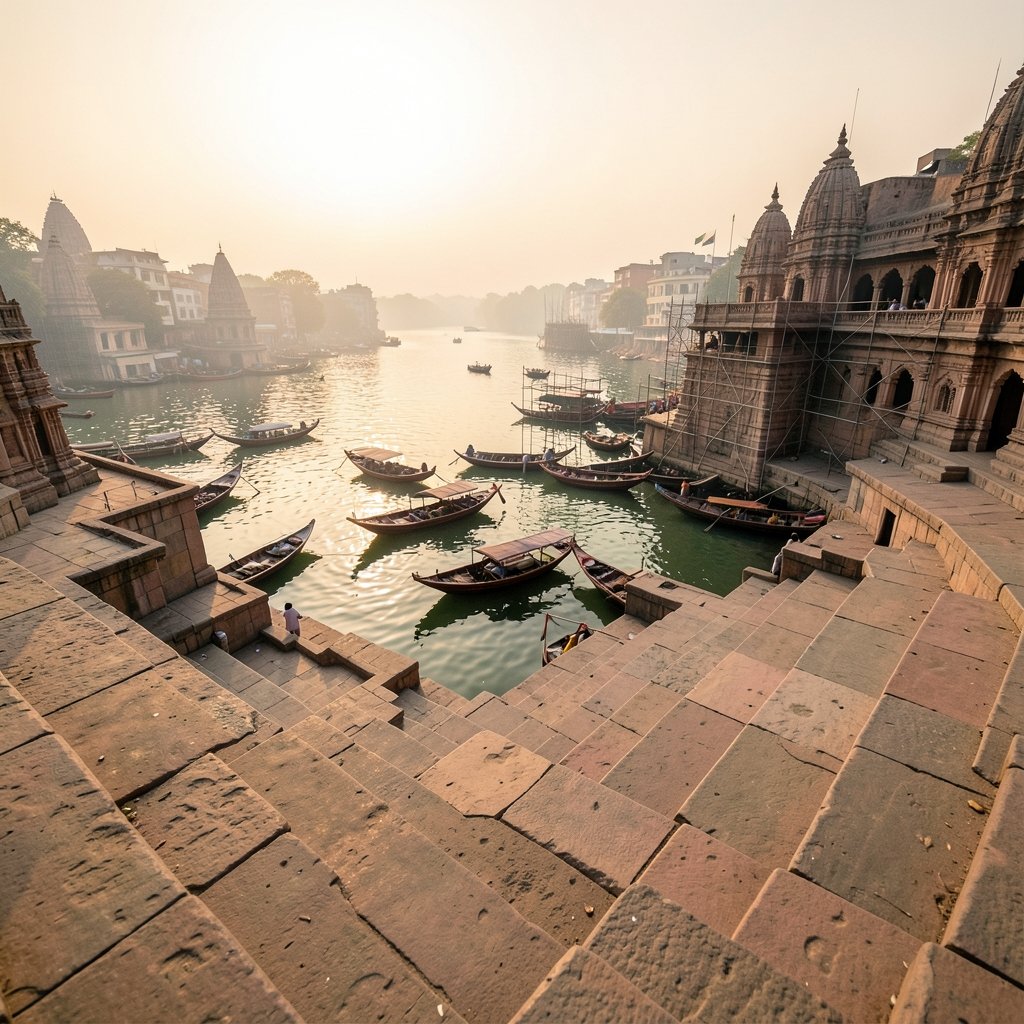
What does Varanasi 2027 actually mean for travelers, residents, and anyone planning a trip to India’s oldest living city? The phrase gets thrown around a lot, but it rarely comes with a clear answer. Some people mean the Uttar Pradesh assembly election due that year. Others mean temple-corridor projects, cultural milestones, or the ongoing transformation of the ghats. The honest answer is that Varanasi 2027 is less a single event and more a cluster of overlapping timelines, and knowing which one matters to you changes everything about how you plan.
Why 2027 Keeps Coming Up in Varanasi Conversations
Varanasi has always been a city of layers, and 2027 is the year several of those layers happen to converge. The most concrete anchor is political. Uttar Pradesh holds assembly elections on a five-year cycle, and the last state poll was held in 2022, which puts the next one due by 2027. Exact dates are set by the Election Commission and were not announced as of the latest available information. That uncertainty matters, because election years reshape how the city moves, from traffic management to security deployment to the temporary quieting of construction work.
Beyond politics, 2027 functions as a soft deadline for a whole set of civic and tourism ambitions. Infrastructure projects often get announced with multi-year horizons, and a chunk of them land on 2027. The result is a year that people reference as a finish line even when no single official document uses the phrase.
A practical warning: if you read a headline promising “Varanasi 2027 will be completely transformed,” treat it as aspiration, not schedule. Project timelines in India slip, and no verified public source confirms a comprehensive 2027 completion date for the city’s makeover.
The Election Dimension: What a 2027 UP Poll Means for Visitors

Varanasi is both an assembly constituency and a Lok Sabha constituency, so state elections touch the city directly. For travelers, the practical effects usually show up in three places:
- Movement restrictions. Campaign season brings rallies, road closures, and security cordons near key venues. The ghats and the old city lanes can get squeezed.
- Hotel demand. Political workers, journalists, and officials book rooms in bulk. Rates climb, and availability tightens in the weeks around polling.
- Construction pauses. Model code of conduct rules can freeze new project launches and some works during the campaign period.
None of this should scare anyone off. It simply means that if you are planning a Varanasi trip in a year with a state election, you should book earlier than usual and keep your itinerary flexible. The city has absorbed elections many times before and keeps functioning.
Temple Corridors and the Ghats: Where the Real Change Is Happening
The most visible transformation in Varanasi is the ongoing work around the Kashi Vishwanath temple area and the riverfront. Corridor-style projects have opened up access between the temple and the ghats, and related civic upgrades keep rolling out in phases. Specific 2027 completion targets for individual projects could not be verified, so treat any firm date you see as unconfirmed unless it comes from an official district or temple trust source.
What is safe to say is directional: the city is investing heavily in pedestrian access, riverfront cleanliness, and visitor facilities. For a traveler, that translates into a more walkable core and better signage in some areas, alongside construction zones in others.
If you are the kind of person who researches tools before a trip, the same discipline helps here. Comparing options side by side, the way a good deepseek vs chatgpt vs gemini output quality comparison does for AI models, is exactly how you should compare ghat neighborhoods, hotels, and tour operators before committing.
Planning a Varanasi Trip Around an Uncertain Year
Here is where practical experience beats theory. Most first-time visitors make the same handful of mistakes when they plan around a big year like 2027.
Mistake 1: Booking the cheapest room in the old city
The lanes near the ghats are atmospheric and maddening in equal measure. A cheap room deep in the maze can mean a fifteen-minute walk to reach a road where a car can pick you up. In a busy year, that walk gets longer. What actually works is choosing a hotel within a short, flat walk of a main road, then walking to the ghats by choice rather than necessity.
Mistake 2: Assuming the river is always calm
Boat rides are the highlight for most visitors, and the experience varies enormously with season and water level. Ask your boatman about current conditions rather than relying on photos from a blog written years ago.
Mistake 3: Overpacking the itinerary
Varanasi rewards slowness. The sunrise boat ride, the evening aarti, and a walk through the lanes near the temple are enough for one full day. Adding three more sights turns the trip into a checklist.
Mistake 4: Ignoring the festival calendar
The city’s rhythm is set by festivals, and a major festival can double the crowd overnight. Check the calendar for your dates before you lock in flights.
How Varanasi 2027 Fits Into the Wider Tech-Driven Travel Shift
Something subtler is happening too. Travelers now plan with AI assistants, translation apps, and comparison tools in ways that were rare even a few years ago. A visitor arriving in Varanasi in 2027 will likely land with a phone full of tools that handle language, navigation, and bookings.
That has real upsides. If you want to understand how the assistant landscape is evolving, a look at the 10 best ai chatbots under the hood in 2027 gives a sense of what these tools can and cannot do. For the language barrier specifically, the best ai translation tools compared for 2027 is worth reading before you rely on an app to negotiate a rickshaw fare.
But there is a counterpoint worth stating plainly. Varanasi is a city best understood through your senses, not a screen. The tools help with logistics. They do not replace the experience of standing on a ghat at dawn.
It is also worth knowing when to skip the technology entirely. Some situations call for a human, and the honest cases where an AI chatbot is the wrong tool in 2027 makes that point well. A lost passport near the ghats is not a chatbot problem.
What Locals Actually Want Visitors to Know
Conversations with people who live and work in the city tend to surface the same themes. Respect for the rituals comes first. The ghats are not a photo backdrop; they are places of worship, cremation, and daily life. Ask before photographing, dress modestly near temples, and keep your voice down in ceremonial areas.
Second, the local economy matters. Hiring a licensed guide, buying from small shops, and eating at family-run places puts money where it does the most good. Third, patience is a form of respect. The lanes are narrow, the crowds are real, and things move at their own pace.
For anyone building a broader picture of how commerce and technology are reshaping Indian cities, the 15 best ai tools for e-commerce stores in 2027 offers a useful window into how small businesses are adapting. Varanasi’s silk weavers and handicraft sellers are part of that same shift.
Varanasi 2027 at a Glance
| Dimension | What Is Known | What Remains Unconfirmed |
|---|---|---|
| State election | UP assembly poll due by 2027 on the five-year cycle | Exact dates, set by the Election Commission |
| Temple and corridor projects | Ongoing phased work around Kashi Vishwanath and the ghats | Specific 2027 completion deadlines |
| Tourism infrastructure | Continued investment in riverfront access and visitor facilities | Which projects finish in which year |
| Travel planning impact | Busier seasons likely around any poll or major festival | Precise crowd forecasts |
The table is deliberately cautious. Reliable public confirmation for many 2027-specific claims simply does not exist yet, and pretending otherwise would mislead readers.
The Honest Bottom Line on Varanasi 2027
If you are planning a visit, do not wait for a definitive announcement. The city is worth seeing in any year, and the core experience, the ghats at sunrise, the evening aarti, the lanes behind the temple, does not depend on a project timeline. What 2027 changes is the background noise: more construction in some pockets, more political activity around election season, and more visitors as the city’s profile keeps rising.
If you are following the city’s development, watch official district and election commission channels rather than headlines. Announcements with hard dates are the ones that matter. Everything else is speculation dressed up as news.
And if you are simply curious about why the phrase keeps appearing, the answer is that Varanasi 2027 sits at the intersection of politics, infrastructure, and tourism, three forces that rarely move on schedule. The city will get there at its own pace, as it always has.
Frequently Asked Questions
What is happening in Varanasi in 2027?
The most concrete event is the Uttar Pradesh assembly election, which falls due by 2027 under the state’s five-year electoral cycle. Alongside that, various temple-area and riverfront projects are in progress, though specific 2027 completion dates are not publicly confirmed.
Are the 2027 UP election dates confirmed?
No. The Election Commission sets the schedule, and exact dates were not announced as of the latest available information. Any specific polling date you see online before an official announcement should be treated as unverified.
Is 2027 a good year to visit Varanasi?
It can be, with planning. Expect possible construction zones and busier periods around any election activity or major festival. Booking accommodation early and keeping the itinerary flexible covers most of the risk.
Will temple corridor projects be finished by 2027?
That cannot be confirmed. Work around the Kashi Vishwanath area and the ghats has been rolling out in phases, and firm 2027 deadlines for individual projects are not verifiable from official sources at this time.
How does an election year affect travelers in Varanasi?
Campaign season can bring road closures, security cordons, higher hotel demand, and pauses on some construction. The city continues to function normally, but booking earlier and staying flexible helps.
Where should I check for official Varanasi 2027 updates?
The Election Commission of India handles poll schedules, while the Varanasi district administration and the Press Information Bureau publish civic and project announcements. These are the sources worth trusting over social media rumors.
Conclusion
Varanasi 2027 is not one story but several running in parallel: an election on a fixed cycle, a city mid-transformation, and a tourism sector adapting to a tech-savvy generation of travelers. The frustrating part is how much remains unconfirmed. The reassuring part is that none of it diminishes what makes the city extraordinary. Plan with patience, verify dates through official channels, respect the rituals that give the ghats their meaning, and the year on the calendar matters far less than the place itself.
For the traveler, that means a quieter, more contemplative Varanasi is still available if you know where to look. Wake before the crowds, walk the southern ghats where the boat traffic thins, and sit with the river long enough for the city to reveal itself at its own rhythm. The transformation underway is real, but it is layered over centuries of continuity, not replacing them. Whatever 2027 brings in construction dust or campaign noise, the essential Varanasi, the one pilgrims have walked toward for millennia, remains intact and waiting. Go with curiosity, leave room for the unexpected, and let the city set the pace. That, more than any project timeline or election date, is what makes a trip here worthwhile.



