
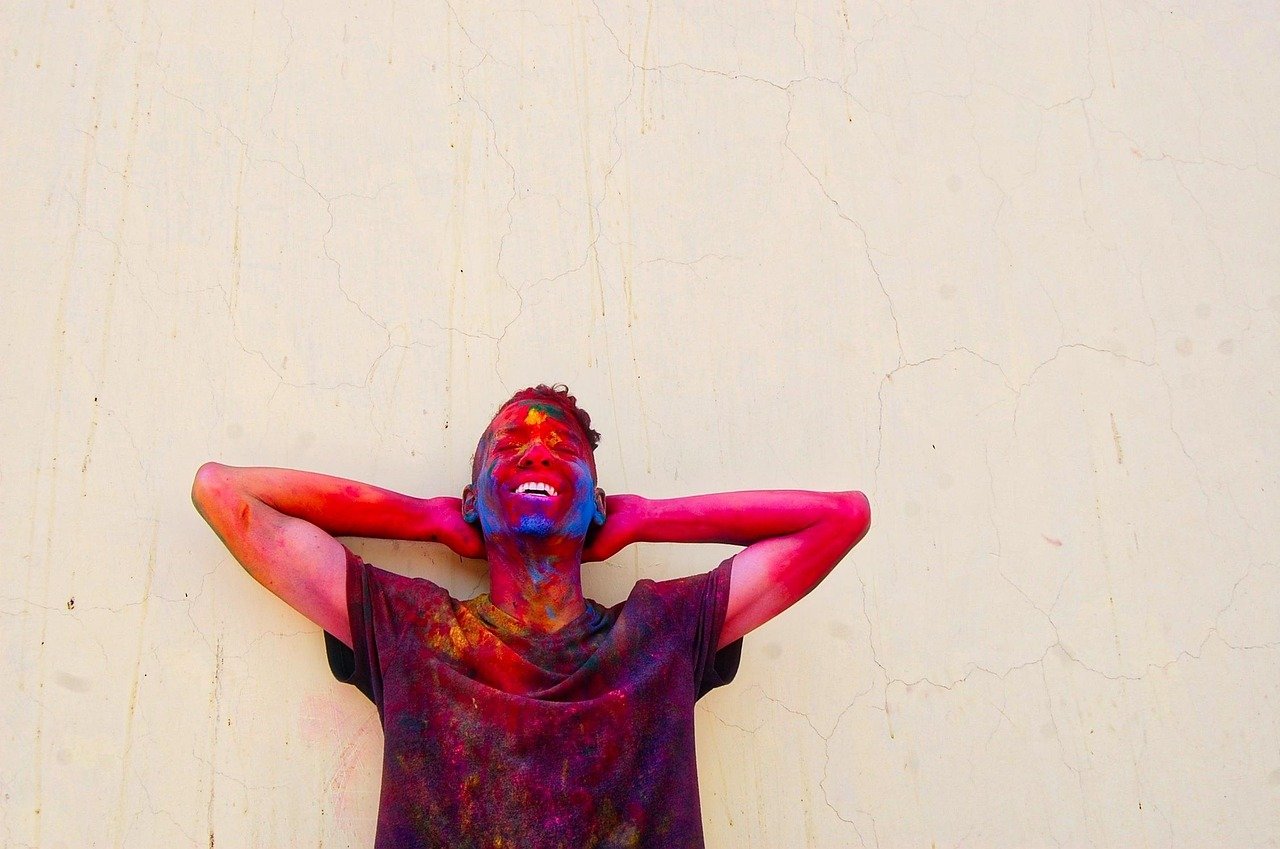
When is Holi 2027, and why does the answer make so many people double-check their calendars? The Festival of Colours lands on a different date almost every year, which means anyone booking flights, hosting a party, or planning a temple visit needs the exact day well in advance. For 2027, the widely used panchang convention puts the main colour festival on Monday, 22 March, with the Holika Dahan bonfire on the evening of Sunday, 21 March. That is the short answer. The longer answer, which covers regional panchangs, timings, travel, safety, and the environmental side of the festival, is what this guide is for.
Why Holi Moves Around the Calendar
Holi is not fixed to a Gregorian date. It follows the Hindu lunisolar calendar and falls on the full moon, or Purnima, of the month of Phalguna. Because the lunar year runs slightly shorter than the solar year, the festival drifts backward through February and March and is periodically pulled back into line by calendar corrections. That is why Holi can be a February event one year and a late-March one the next.
For 2027, the convention places the festival in the second half of March. Two parts of the celebration matter:
| Element | What happens | 2027 timing (conventional panchang) |
|---|---|---|
| Holika Dahan | Bonfire on the eve, after sunset | Evening of Sunday, 21 March |
| Dhulandi / Rangwali Holi | Main day of colours | Monday, 22 March |
| Purnima tithi | The lunar window that sets the date | Spans the two days; confirm exact start and end times |
One practical warning before anyone books anything: regional panchangs can differ by a day depending on moonrise and the precise timing of the Purnima tithi. Some communities in South India observe a related ritual, Kama Dahanam, on a slightly different schedule. Treat the dates above as the mainstream convention and confirm them against a published 2027 panchang for your own region before you commit money to travel.
What Holi Actually Celebrates
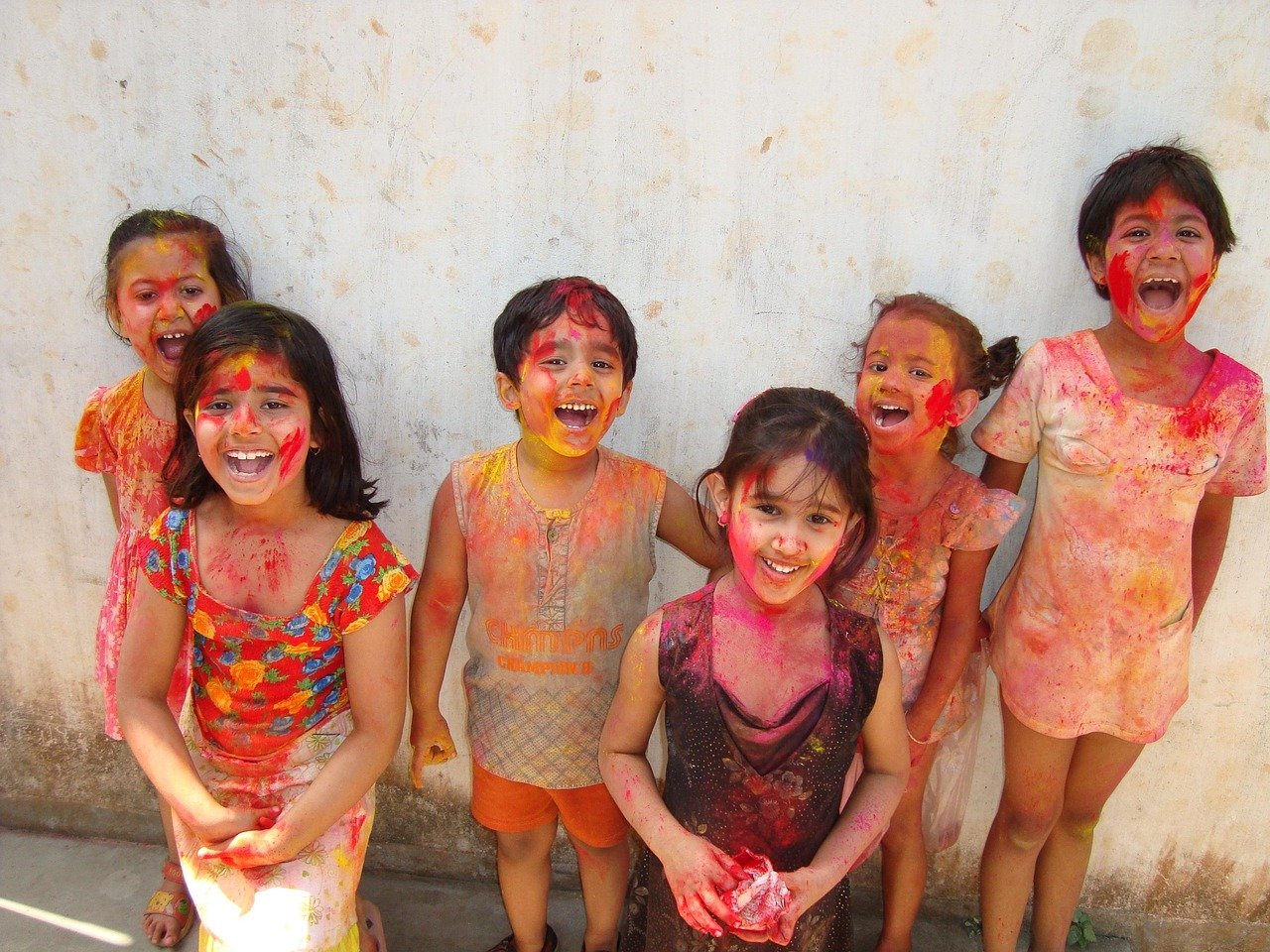
Strip away the powder and the music and Holi carries two intertwined ideas. It marks the arrival of spring, and it celebrates the triumph of good over evil. The festival is sometimes called the Festival of Love as well, a nod to the Krishna legends associated with the Braj region.
The bonfire on the eve is the emotional core for many families. Holika Dahan commemorates the demoness Holika, who was burned while trying to kill her nephew Prahlada, a devoted follower of Vishnu. The fire is a symbol of evil destroyed, and in many neighbourhoods the lighting of the pyre is a bigger community event than the colour play itself. People gather, offer grain and coconuts to the flames, and walk around the fire together.
The next morning, the rules flip. Hierarchy loosens, strangers smother each other in colour, and the usual social boundaries relax for a day. That inversion is part of the point.
How Different Regions Mark the Festival
There is no single Holi. The version you experience depends heavily on where you are.
In the Braj region around Mathura and Vrindavan in Uttar Pradesh, celebrations stretch over several days and draw pilgrims and tourists from around the world. Lathmar Holi, in which women playfully strike men with sticks, is the most famous set piece. Barsana and Nandgaon are the classic locations.
In Nepal, the festival is known as Fagu Purnima and follows a similar lunar logic, with its own local customs and a strong public following.
In parts of South India, the related Kama Dahanam ritual is observed, and colour play varies widely by state and community.
If your goal is a specific regional experience rather than a generic party, plan around that region’s calendar, not the national one. Braj events in particular start days before the main festival and can shift with local panchang readings.
Is Holi 2027 a Public Holiday?
Holi is a gazetted public holiday in India, which affects offices, banks, schools, and transport schedules. The authoritative confirmation for any year is the official government holiday notification, usually published in advance. For 2027, check the official holiday list once it is issued rather than relying on third-party calendar apps, which sometimes copy each other’s errors.
Practically speaking, expect the following around the date:
- Government offices and banks closed on the main holiday, with some states adding a half-day or second day.
- Heavy demand on trains, buses, and flights in the week before, especially routes into North India.
- Reduced taxi availability and higher ride-hailing prices on the morning of the colour festival.
- Many shops shut or running short hours, particularly in residential areas.
If you run a business that depends on deliveries or customer support, build the closure into your schedule early. The same discipline applies to online stores, which often see a spike in abandoned carts around major holidays; the tactics in this guide to AI chatbots for e-commerce that rescue abandoned carts are worth reviewing before the season, and it also helps to know when not to use an AI chatbot in 2027 so automation does not misfire during a holiday rush.
Planning Travel Around the Date
Holi is one of the busiest travel windows in the Indian calendar, and the 2027 dates fall on a Sunday and Monday, which creates a long weekend effect. That combination means demand will be fierce.
Book earlier than feels reasonable
Accommodation in Mathura, Vrindavan, and Barsana sells out months ahead for the Braj celebrations. Trains on major routes release seats on a fixed schedule and fill within minutes. If you are flying in from abroad, book flights first and build the rest of the trip around them.
Decide which day you actually want
The bonfire evening and the colour morning are very different experiences. Some visitors want the quieter, more ritual-focused Holika Dahan. Others want the full chaos of Dhulandi. Pick one as your anchor day and treat the other as a bonus.
Protect your gear
A few practical habits separate a great Holi from a miserable one:
- Wear old clothes you are willing to throw away, ideally light-coloured so the powder shows.
- Oil your hair and exposed skin before going out; it makes colour wash off far more easily.
- Put your phone in a sealed plastic pouch, or leave it behind entirely.
- Carry water and a small towel, and know where you can rinse off.
- Keep cash in a waterproof pocket, since card machines and phones get wet or lost.
Watch the crowds
Large public celebrations in Braj and in major cities get extremely crowded. Keep an exit route in mind, agree on a meeting point with your group, and be cautious about narrow lanes where crowds compress.
Colours, Skin, and Health
Synthetic colour powders have been linked to skin and eye irritation, and some have been found to contain heavy metals. Public-health guidance consistently recommends protecting skin and eyes and being careful with coloured water, especially where the source is unclear.
What actually works in practice:
- Prefer natural, plant-based colours where you can find them, and ask sellers what is in the powder.
- Skip the face and eyes. Apply colour to arms and torso rather than near the eyes, and keep coloured water out of your mouth.
- Wash off promptly with mild soap rather than scrubbing hard, and moisturise afterwards.
- Wear sunglasses or plain goggles if you are in a crowd throwing powder.
- Avoid coloured water from tanks and drums where the dye source is unknown.
People with asthma, sensitive skin, or contact lens use should be especially careful. If you have a known skin condition, patch-test a small amount of any colour on your arm before the main event.
The Environmental Side
Holi raises two environmental concerns: water use and what happens to all that colour once it washes away. Traditional celebrations can consume large volumes of water, and synthetic colourants entering drains and water bodies are a genuine worry. Campaigns promoting natural, plant-based colours have grown in response, and many organisers now run dry Holi events with minimal water.
If you want a lower-impact celebration, a few choices go a long way: use dry powder instead of water, choose natural colours, avoid plastic bags and single-use containers, and clean up your own area afterwards. Community organisers increasingly publish guidance on all of this, and following it costs almost nothing.
Getting the Dates Right: A Practical Checklist
The single biggest mistake people make with Holi planning is treating a date they saw once as fixed. Calendar apps, ticket resellers, and social media posts often disagree. Here is a simple routine that avoids the problem:
- Check a published panchang for 2027 for your specific region.
- Confirm the national holiday date against the official government notification when it appears.
- Re-check about a month before travel, since local organisers sometimes adjust event schedules.
- Build a buffer day into any international trip, so a one-day shift does not wreck your itinerary.
That last point matters more than it sounds. A day’s difference is minor for a local resident and expensive for someone who flew eleven hours. If your plans involve any digital booking or customer service tools, it is also worth checking how well those systems handle date changes; comparisons like this judge of output quality across DeepSeek, ChatGPT and Gemini can help you pick a tool that gets details right, and the same care applies to AI translation tools for travellers if you are heading somewhere you do not speak the language.
Common Mistakes to Avoid
A short list of things that reliably go wrong:
- Assuming a fixed date. Holi moves. Check the date each year.
- Booking the wrong city. Mathura and Vrindavan are not the same as a generic city celebration.
- Underestimating recovery time. The colour morning is exhausting; do not schedule a flight for the same afternoon.
- Wearing contact lenses. Powder under a lens hurts and is hard to fix in a crowd.
- Forgetting the bonfire. Many first-timers arrive on the colour day and miss the more solemn ritual the night before.
- Ignoring local norms. Some neighbourhoods play gently; others do not. Read the room before you douse a stranger.
Conclusion
Holi 2027 lands on the evening of Sunday, 21 March for Holika Dahan and Monday, 22 March for the main colour festival, according to the widely used panchang convention. That is the planning anchor, not a guarantee. Regional panchangs can shift by a day, and the official government holiday notification is the final word once it is published.
The festival rewards preparation more than most. Book travel early, choose your region deliberately, protect your skin and eyes, and treat the bonfire as the heart of the event rather than a warm-up. Do that, and the colour morning becomes what it is meant to be: loud, messy, generous, and genuinely joyful. The date will move again in 2028. The habits that make Holi work do not.
FAQ
When exactly is Holi in 2027?
The widely used panchang convention places Holika Dahan on the evening of Sunday, 21 March 2027 and the main colour festival, Dhulandi, on Monday, 22 March 2027. Because regional panchangs can differ by a day depending on moonrise and the Purnima tithi timing, confirm the date against a published 2027 panchang for your region before booking travel.
Why does the date of Holi change every year?
Holi follows the Hindu lunisolar calendar and falls on the full moon of the month of Phalguna. The lunar year runs slightly shorter than the solar year, so the festival drifts backward through February and March and is periodically corrected. That is why Holi can fall in February one year and late March the next.
Is Holi a public holiday in India?
Yes. Holi is a gazetted public holiday in India, which means government offices and banks close on the main day, and some states add a half-day or a second day. The authoritative confirmation for 2027 is the official government holiday notification, which is usually published well in advance.
What is the difference between Holika Dahan and Dhulandi?
Holika Dahan is the bonfire on the eve of Holi, commemorating the burning of the demoness Holika and symbolising the destruction of evil. Dhulandi, also called Rangwali Holi, is the main day of colour play that follows. Many families treat the bonfire as the more solemn of the two.
Where are the biggest Holi celebrations?
The Braj region around Mathura and Vrindavan in Uttar Pradesh hosts multi-day celebrations, including the famous Lathmar Holi in Barsana and Nandgaon. In Nepal the festival is called Fagu Purnima, and parts of South India observe the related Kama Dahanam. Each region has its own schedule, so check local dates.
Are Holi colours safe for skin?
Synthetic colour powders have been linked to skin and eye irritation, and some have been found to contain heavy metals. Public-health guidance recommends protecting skin and eyes, preferring natural plant-based colours, keeping powder away from the face and eyes, and washing off promptly with mild soap afterwards.



