
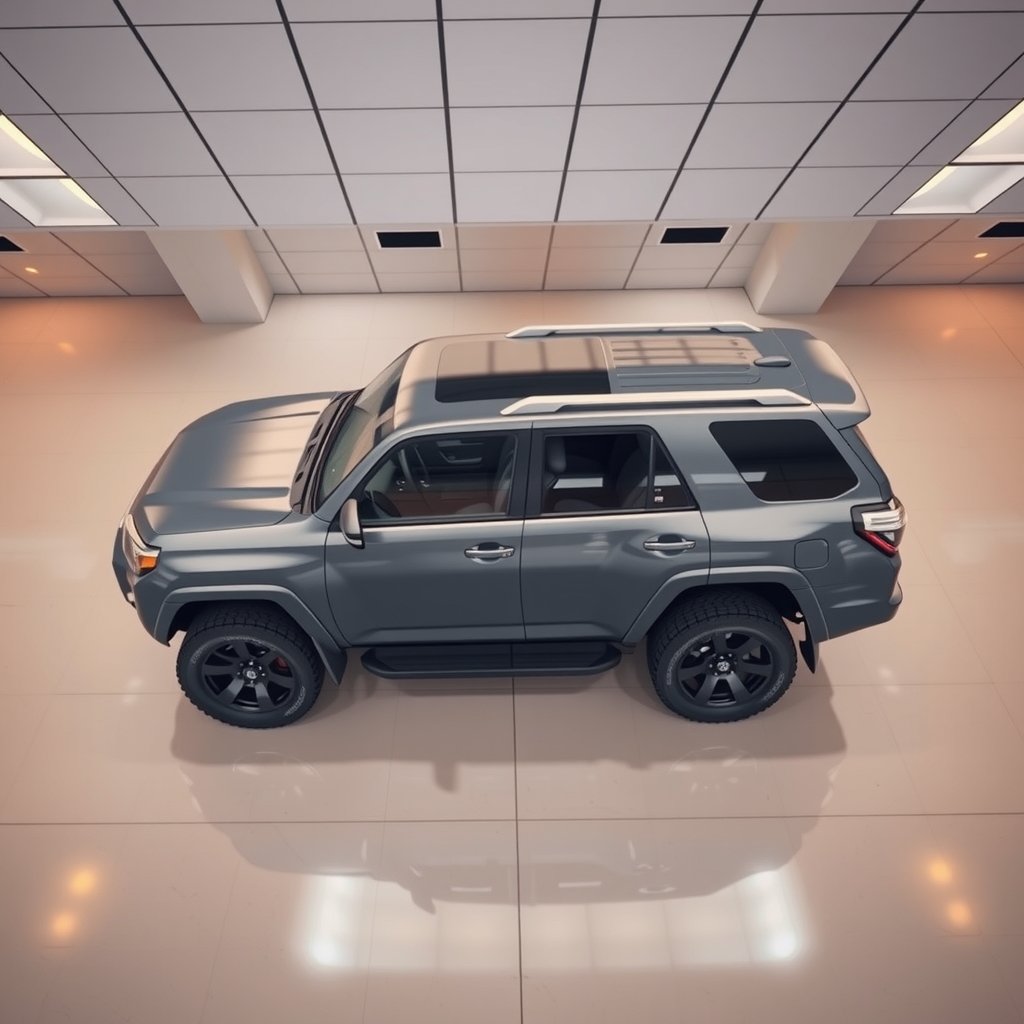
The 2027 Toyota 4Runner raises a straightforward question after a full redesign and a quiet second act. The nameplate returned for 2025 as a completely redesigned sixth generation, its first full overhaul since the fifth-gen truck arrived for 2010. Two model years later, shoppers are trying to figure out whether 2027 brings real changes or simply carries the new formula forward. Based on what has actually been confirmed, the answer is more cautious than the internet would have you believe.
The Redesign That Reset the 4Runner
Toyota revealed the sixth-generation 4Runner in April 2024 as a 2025 model. That launch matters for anyone shopping a 2027 truck, because it defines the hardware underneath. The new 4Runner rides on the TNGA-F body-on-frame platform, the same architecture family used for the Land Cruiser, Tacoma, and Tundra. That is not marketing fluff. Body-on-frame construction is the reason the 4Runner still tows, crawls, and shrugs off washboard roads in a way crossover SUVs simply cannot.
The bigger story was under the hood. Toyota retired the long-serving 4.0-liter V6 and replaced it with a 2.4-liter turbo four-cylinder, marketed as i-Force, paired with an available i-Force Max hybrid setup. On paper, that is a seismic shift for a vehicle whose fans spent fifteen years defending an aging, thirsty V6. In practice, turbo four-cylinders have become the default across the segment, and the hybrid option gives the 4Runner something it never had: low-end torque without a V8-sized fuel bill.
The trim ladder also expanded for 2025. Buyers could choose from SR5, TRD Sport, TRD Off-Road, Limited, and Platinum, plus two new range-toppers: TRD Pro and the trail-focused Trailhunter. That spread matters because it means the 2027 lineup, assuming carryover, spans everything from a modest family hauler to a factory-built overland rig.
What Is Actually Confirmed for 2027?
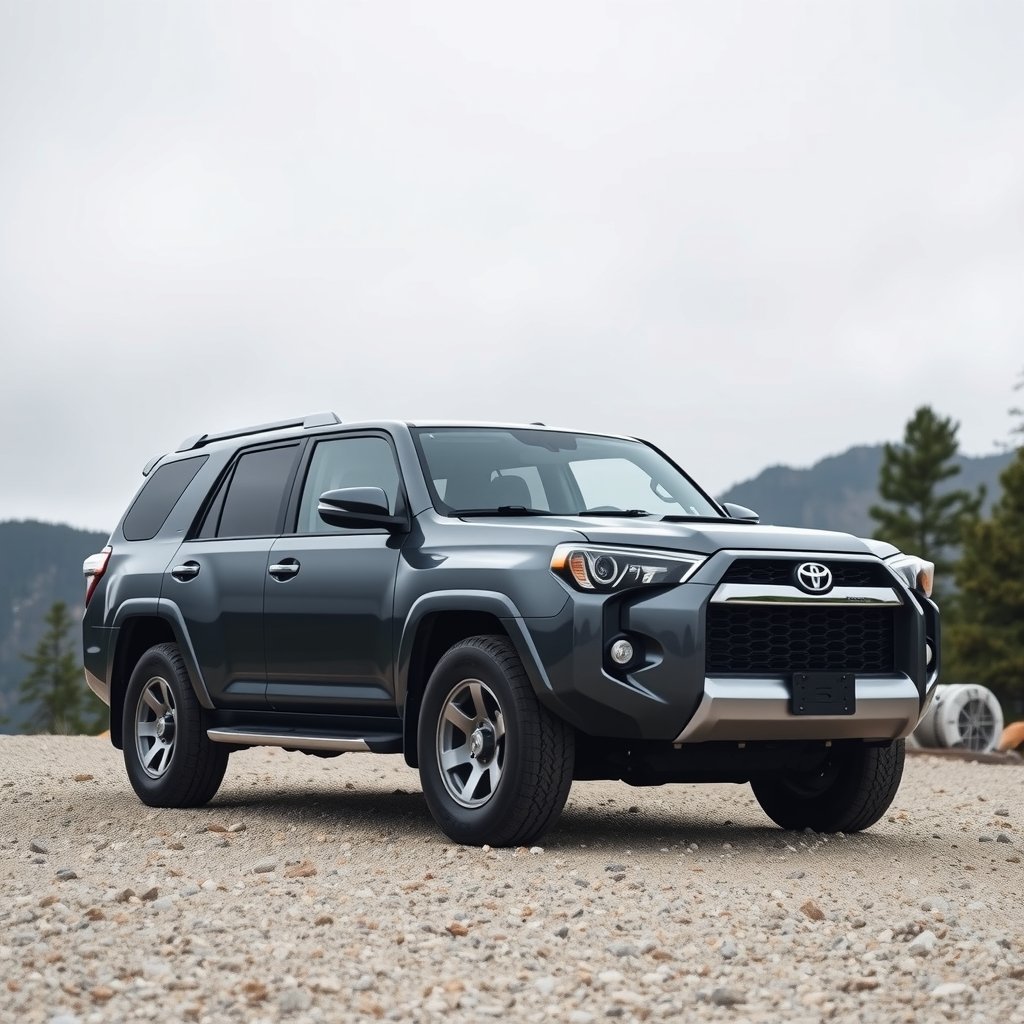
Here is where a lot of articles get sloppy. As of the most reliable information available, there is no verified announcement of a distinct 2027 4Runner with its own set of changes. The redesign landed for 2025. A 2027 model year existing as a carryover, with minor updates, is entirely plausible, but it should be treated as speculation rather than fact.
That distinction is worth taking seriously. Dealer blogs and forum threads love to publish “2027 4Runner changes revealed” headlines built on nothing but guesswork and a render. If a claim about 2027-specific horsepower, a new trim, a facelift, or a price does not trace back to an official Toyota source, treat it as unverified.
What can be said with confidence is the baseline. Any 2027 4Runner will almost certainly inherit the sixth-gen bones:
| Feature | Status Based on Confirmed Info |
|---|---|
| Platform | TNGA-F body-on-frame (confirmed for 2025) |
| Base engine | 2.4L turbo four-cylinder, i-Force (confirmed for 2025) |
| Optional engine | i-Force Max hybrid (confirmed for 2025) |
| Trims | SR5, TRD Sport, TRD Off-Road, Limited, Platinum, TRD Pro, Trailhunter (confirmed for 2025) |
| Safety suite | Toyota Safety Sense 3.0 standard (verify trim by trim) |
| 2027-specific changes | Not confirmed |
| 2027 pricing and EPA figures | Not confirmed |
That table is deliberately boring, and that is the point. Boring and verified beats exciting and invented.
The Hybrid Question Buyers Keep Asking
The single most common question about the modern 4Runner is whether the hybrid is worth it. Practical experience with body-on-frame hybrids suggests the answer depends heavily on how the truck is used.
For towing and trail work, the hybrid’s extra low-end torque is genuinely useful. Pulling a trailer or crawling up a loose grade, that immediate electric-assisted shove makes the truck feel less strained than a small turbo four working alone. For pure highway commuting, the math gets murkier, because hybrid hardware adds weight and complexity, and the fuel savings on a brick-shaped SUV are real but not dramatic.
The practical tip here: do not assume the hybrid is automatically the “better” trim. Drive both. If the truck spends most of its life on pavement with occasional weekend trail duty, the standard turbo may be the smarter, simpler buy. If it tows regularly or lives at altitude where naturally aspirated engines gasp, the hybrid earns its keep.
One common mistake buyers make is comparing the new turbo four to the old V6 purely on cylinder count. Displacement and cylinder count tell you very little about modern turbo output. What matters is torque delivery and how the transmission manages it. Judge the 2027 4Runner, whatever it turns out to be, on how it drives, not on a spec-sheet reflex.
Trim Strategy: Where the Money Actually Goes
Assuming the 2027 lineup mirrors the 2025 spread, the trim decision is the most consequential choice a buyer makes. The gap between an SR5 and a TRD Pro is enormous, both in price and in capability, and plenty of buyers overspend on hardware they never use.
A few grounded guidelines:
- SR5 and TRD Sport cover the vast majority of real-world owners. If the truck is a daily driver with light trail use, these trims deliver the platform’s benefits without paying for hardcore hardware.
- TRD Off-Road is the sweet spot for enthusiasts who actually leave pavement. It adds genuine capability without the flagship markup.
- Limited and Platinum trade off-road hardware for comfort and tech. Buyers who want a plush highway cruiser should look here, not at the trail trims.
- TRD Pro and Trailhunter are for people who will genuinely use the capability, or who value the resale and presence enough to pay for it. They are excellent trucks that many owners never push to their limits.
The mistake pattern is familiar: buyers get excited, buy the top trim, then discover that aggressive tires, stiff suspension, and roof hardware make daily life slightly worse. Match the trim to the actual use case.
Safety and the Ownership Reality
Toyota Safety Sense 3.0 was part of the 2025 package as standard equipment, though buyers should verify the feature set trim by trim, since packaging can shift year to year. Beyond that, independent safety ratings and recall history are worth checking directly rather than trusting a summary, because those data points update continuously and a 2027 model’s record will not exist until the truck is on the road.
The 4Runner’s broader ownership story remains one of its strongest selling points. Body-on-frame trucks from Toyota have historically held value extremely well, and the 4Runner’s fanatical owner community means parts, advice, and aftermarket support are abundant. That resale strength effectively lowers the true cost of ownership, which is a factor worth weighing against a higher sticker price.
If you are cross-shopping technology-heavy rivals, it helps to understand how quickly the software side of modern vehicles evolves. A broader look at how the leading AI chatbots and assistants compare in 2027 is useful context for judging infotainment and voice systems, and reviews of the 10 best AI chatbots: GPT-5 and Claude under the hood in 2027 explain what those systems can and cannot do. Similarly, if you travel or shop across borders, a comparison of the best AI translation tools in 2027: DeepL vs ChatGPT vs Google is a practical read. And for anyone weighing how much automation belongs in a vehicle at all, the analysis of when NOT to use an AI chatbot in 2027: 7 honest cases makes a sensible counterpoint to feature bloat.
How to Shop a 2027 4Runner Without Getting Burned
Because 2027 specifics are unconfirmed, the smartest approach is a verification-first shopping process. It costs nothing and protects you from the rumor mill.
- Wait for official confirmation. Check Toyota’s own channels for 2027 model-year information before believing any change list.
- Confirm pricing at the dealer, in writing. Out-the-door numbers, not advertised starting MSRPs, are what matter.
- Check official fuel-economy data by model year. Ratings vary by configuration and should come from the source, not a forum post.
- Verify safety ratings and open recalls for the exact configuration you are considering.
- Drive at least two trims back to back. The difference between a Limited and a TRD Off-Road is larger than the spec sheet suggests.
- Price the insurance before you sign. Body-on-frame SUVs and hybrid components can shift premiums more than buyers expect.
A frequent mistake is putting down a deposit on a “2027” allocation based on a dealer’s verbal description of features that have not been officially announced. Get the trim, powertrain, and equipment list in writing, and confirm the model year on the paperwork. If a salesperson cannot point to an official source for a claimed change, assume it is not real.
The Verdict for Now
The 2027 Toyota 4Runner is best understood as the continuation of a genuinely good truck rather than a mystery box. The sixth-generation redesign brought a modern platform, a turbo and hybrid powertrain lineup, and a trim range that finally covers both the mall and the mountain. Those are confirmed improvements.
What is not confirmed is anything 2027-specific. Buyers who need a decision now should shop the current sixth-gen truck on its actual merits, because that is the hardware a 2027 model will almost certainly inherit. Buyers who can wait should wait for official word, then verify pricing, fuel economy, and safety data at the source before committing.
The 4Runner’s appeal has never really been about novelty. It is about a body-on-frame SUV that does unglamorous work reliably for a very long time and holds its value while doing it. Nothing confirmed about 2027 suggests that changes. The enthusiasts will still argue about cylinder count. The truck will still get the job done. And the smartest buyers will keep a browser tab open on official announcements instead of a forum thread.
Frequently Asked Questions
Has Toyota confirmed a 2027 4Runner?
No distinct 2027 model with its own changes has been confirmed in the information available. The sixth-generation redesign arrived for the 2025 model year, and a 2027 version is plausibly a carryover with minor updates, but that remains speculation until Toyota announces it officially.
What engine will the 2027 4Runner have?
Based on the confirmed 2025 redesign, expect a 2.4-liter turbo four-cylinder as the base engine and an available i-Force Max hybrid. Specific 2027 output figures have not been confirmed and should be verified against official specifications.
Is the 4Runner hybrid worth the extra cost?
It depends on use. The hybrid’s added low-end torque genuinely helps with towing and trail work, and at high altitude. For mostly highway driving, the fuel savings are real but modest on a boxy SUV, so the simpler non-hybrid turbo can be the smarter buy.
How much will the 2027 4Runner cost?
Pricing for a 2027 model year has not been confirmed. Advertised starting prices rarely reflect real transaction costs, so shoppers should request out-the-door numbers in writing rather than relying on headline figures or forum estimates.
Which 4Runner trim makes the most sense?
For most buyers, SR5, TRD Sport, or TRD Off-Road cover daily driving and occasional trail use without paying for unused capability. Limited and Platinum suit highway-focused owners, while TRD Pro and Trailhunter are best reserved for people who will actually use the hardware.
When will 2027 4Runner details be announced?
Timing has not been confirmed. Toyota typically releases model-year information closer to the on-sale date. The safest approach is to monitor official Toyota channels and treat dealer or forum claims about 2027 changes as unverified until then.



