
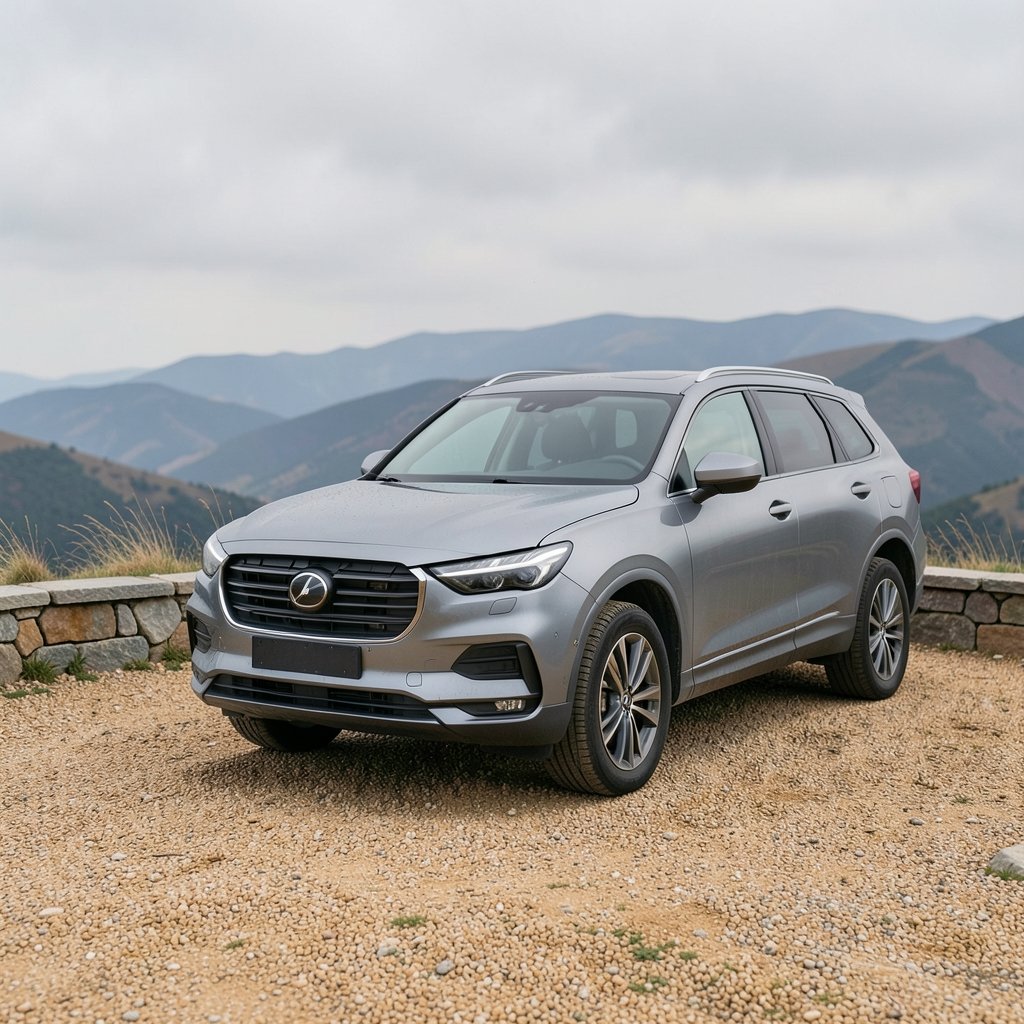
What happens when a family SUV that already sells well gets torn down and rebuilt from the frame up? That is the story of the 2027 Hyundai Palisade, and it is a bigger deal than the usual yearly refresh. Hyundai unveiled the second-generation Palisade in April 2025 at the New York Auto Show, replacing a model that had been on sale since the 2020 model year. The 2027 model year sits inside that new generation, which means shoppers are looking at new proportions, a new powertrain option, and a different design language rather than a facelift with fresh taillights.
That distinction matters because the three-row midsize SUV segment is crowded and unforgiving. The Toyota Grand Highlander, Honda Pilot, and Kia Telluride all fight for the same driveway. Understanding what changed, what stayed, and what still needs verification before anyone signs a contract is the practical way to approach this vehicle.
The redesign in plain terms
The first-generation Palisade earned its reputation on value: lots of space, a smooth V6, and a long warranty for less money than several rivals. The second generation keeps that value pitch but rethinks the package.
The most visible change is the exterior. The new Palisade adopts a boxier, more upright stance with vertical lighting elements, part of Hyundai’s newer design direction. Whether that reads as rugged or merely trendy is a matter of taste, but the practical effect is real. A more upright body typically means a more square cargo area behind the third row, which is exactly where three-row SUVs tend to fall apart. Hyundai has said the redesign grew in size and cites increased third-row legroom and cargo space compared with the previous generation.
Seating configurations run to both 7- and 8-passenger layouts depending on trim. That second-row choice, captain’s chairs versus a bench, is one of the few decisions that genuinely changes daily life with the vehicle. A bench seats eight but makes third-row access clumsier. Captain’s chairs seat seven but turn the second row into a pair of comfortable, separated seats with a walk-through gap.
The hybrid is the headline
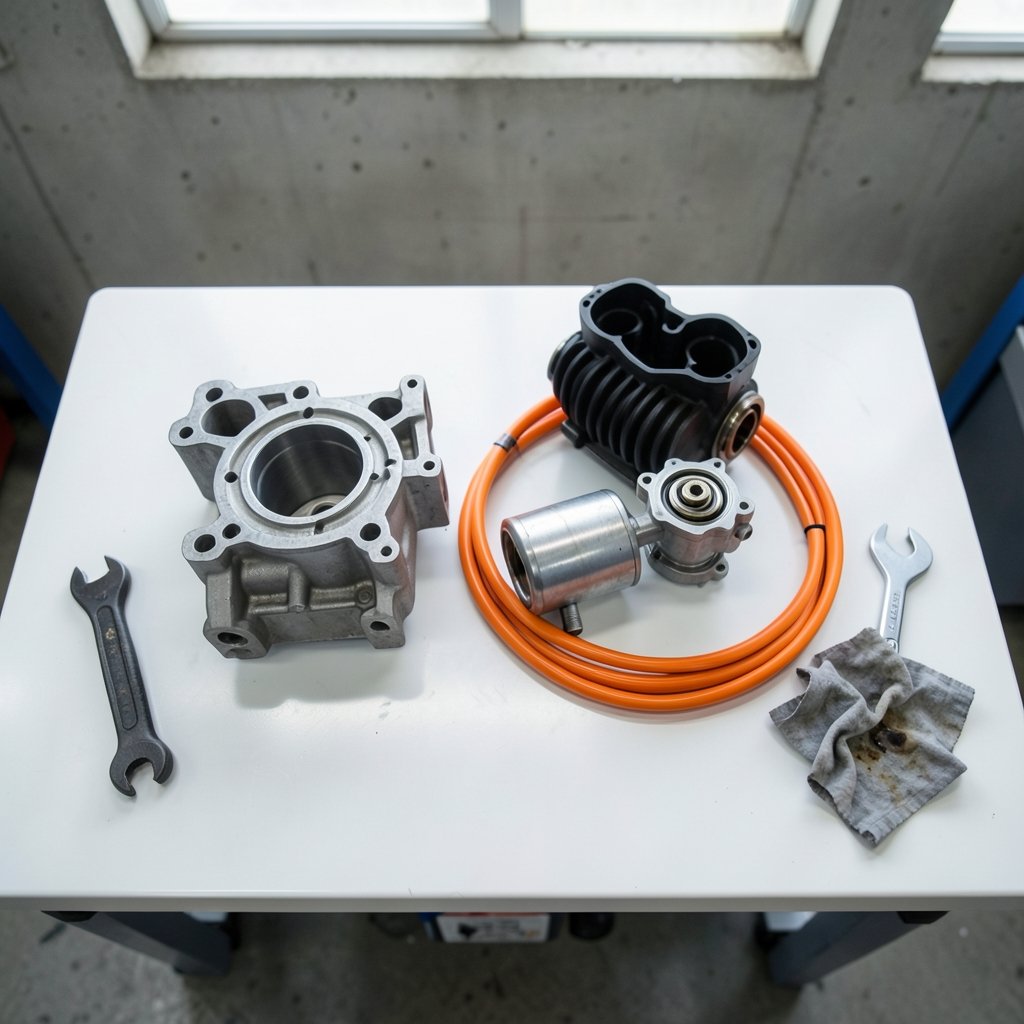
The biggest mechanical news is the addition of a hybrid powertrain. The new generation introduces a hybrid option, a 2.5L turbo four-cylinder hybrid in most markets, alongside a 3.5L V6. Hyundai has described the hybrid as the higher-output variant, which flips the usual script. In many vehicles the hybrid is the fuel-sipping compromise; here it is positioned as the stronger choice.
That positioning deserves scrutiny rather than acceptance. Turbo four-cylinder hybrids can deliver strong low-end torque because the electric motor fills in before the turbo spools, which suits a heavy three-row vehicle loaded with kids and luggage. But output claims and real-world driving are different things. Anyone shopping this segment should confirm U.S. availability, exact output figures, and official fuel-economy ratings against Hyundai’s U.S. specification sheet and the EPA’s FuelEconomy.gov ratings rather than relying on launch coverage.
Practical tip: when a hybrid is new to a model line, the first model year often brings a narrower trim selection and dealer markups. Ask specifically which trims offer the hybrid and whether the configuration you want exists without a mandatory option package. Buyers who assume every trim can be had with every powertrain get frustrated at the dealership.
Size, space, and the third row problem
Every three-row SUV claims generous space. Few deliver a third row an adult can use for more than a short trip. Hyundai’s claim of increased third-row legroom is the number to test in person, with the second row set where a real driver would set it.
Here is a practical routine that works better than reading spec sheets:
- Adjust the driver’s seat to your normal position.
- Set the second row where you would actually put a passenger, not slammed fully forward.
- Climb into the third row and sit for two full minutes.
- Check knee room, headroom, and whether your feet fit under the second-row seat.
- Then walk around back and try loading a stroller or a large suitcase with all rows up.
That last step is where most families discover the truth. Cargo space behind an upright third row is the real constraint on road trips, and a boxier body helps, but only a physical test settles it. Bring the actual car seats and the actual luggage.
Design and interior direction
The vertical lighting and upright nose are the exterior signature. Inside, the trend across the segment is toward larger screens, fewer physical buttons, and cleaner surfaces. That looks impressive in photos and can be irritating in daily use. Climate controls buried in a touchscreen menu are a common complaint among owners of newer vehicles across brands.
When test driving, deliberately adjust the climate, the volume, and the defroster while pretending to pay attention to the road. If those tasks require looking down and tapping through menus, that is a real cost paid every single day. Voice control has improved, and the broader chatbot and assistant ecosystem keeps getting better, as coverage of the best AI chatbots under the hood in 2027 shows, but car interfaces still lag behind. Do not buy a vehicle assuming a software update will fix ergonomics.
V6 versus hybrid: how to choose
The choice between the 3.5L V6 and the 2.5L turbo hybrid is the central decision for most buyers. The table below frames the trade-offs in general terms, though exact figures must come from official U.S. specifications.
| Factor | 3.5L V6 | 2.5L Turbo Hybrid |
|---|---|---|
| Familiarity | Long-established, simple | New to this model line |
| Low-end pull | Linear, predictable | Electric motor assists early |
| Fuel economy | Typically lower | Typically higher, pending EPA figures |
| Towing confidence | Well understood | Needs verification for U.S. ratings |
| First-year risk | Low | Higher, as with any new powertrain |
| Best for | Towing, long highway runs | City-heavy family duty, fuel savings |
The honest guidance: if you tow regularly or keep vehicles for a decade and value proven simplicity, the V6 is the lower-risk path. If most driving is school runs, errands, and suburban miles, the hybrid’s fuel savings compound over years. Either way, confirm towing capacity and payload on the official spec sheet before promising the family a boat.
Production, pricing, and what is still unknown
U.S.-market Palisades have historically been built in Ulsan, South Korea. Hyundai has announced U.S. production plans for the new generation, but the timing and plant details need verification, and it is not confirmed whether 2027 U.S. units will come from Korea, a U.S. plant, or both. That matters for buyers tracking delivery dates and for anyone thinking about long-term parts availability.
Pricing for the 2027 model year is the biggest open question. Given a full redesign plus a new hybrid, prior-generation pricing is not a reliable guide. Any figure quoted online without a current official source should be treated as a guess. The same caution applies to launch timing and trim walk.
This is not a small caveat. The gap between reported and confirmed information is where buyers get burned, and it happens across product categories. Anyone who has followed the handheld console prices confirmed versus reported confusion knows how quickly rumored numbers harden into false expectations. Treat pre-launch Palisade pricing the same way: interesting, unconfirmed, and not a basis for a budget.
Safety ratings: do not assume carryover
Crash-test ratings for the new generation may not be published yet. A redesign changes the structure, the weight, and the standard safety equipment, so last-generation scores do not transfer. Check the Insurance Institute for Highway Safety and the National Highway Traffic Safety Administration directly rather than trusting a dealer’s summary or a forum post.
One more practical step: run the vehicle identification number through NHTSA’s recall lookup before buying, especially on an early-production unit. New generations occasionally get quick updates in the first year, and knowing about them ahead of time is better than discovering them afterward.
How it stacks up against rivals
The Palisade competes in the three-row midsize segment against the Toyota Grand Highlander, Honda Pilot, and Kia Telluride, which shares the platform. Platform sharing means the Telluride and Palisade will feel related underneath, though styling, tuning, and warranty terms differ.
| Model | Notable strength | Watch for |
|---|---|---|
| Hyundai Palisade | Space, value, new hybrid option | New powertrain, unconfirmed pricing |
| Kia Telluride | Established reputation, similar bones | Platform twin, so compare trims closely |
| Toyota Grand Highlander | Strong hybrid lineup | Popularity can mean limited availability |
| Honda Pilot | Straightforward, roomy packaging | Fewer electrified choices |
The practical advice is to drive at least two of these back to back on the same day. Seat comfort, wind noise, and how the transmission behaves in traffic are things no spec sheet captures. Buyers who test drive one vehicle in isolation tend to talk themselves into it.
Common mistakes buyers make
A few patterns show up again and again with three-row SUV purchases.
Assuming the hybrid is automatically the better buy. It usually is for fuel costs, but not if it carries a large price premium, requires a top trim, or compromises towing. Run the math on your actual annual miles.
Skipping the car-seat test. Install your own seats in the second and third rows during the test drive. Latch anchor placement and second-row width vary more than shoppers expect.
Ignoring the cargo test with all seats up. This is the single most common post-purchase regret in this segment.
Buying the first year of a new generation without a warranty review. Extended coverage terms and powertrain warranty details are worth reading carefully on any newly engineered drivetrain.
For anyone cross-shopping digital tools alongside the vehicle, the same skepticism applies to shopping apps and dealer chat widgets. Reviews of AI chatbots in e-commerce that rescue abandoned carts make clear that automation helps, but only when the underlying information is accurate. A dealer bot quoting an unconfirmed price is worse than no bot at all.
Conclusion
The 2027 Hyundai Palisade is a genuine generational change, not a trim shuffle. The boxier body, the claimed gains in third-row legroom and cargo space, and the arrival of a 2.5L turbo hybrid alongside the 3.5L V6 all point to a vehicle built to defend its turf in a brutal segment. The hybrid being positioned as the higher-output option is the most interesting detail, because it suggests Hyundai is not treating electrification as a penalty box.
But the honest summary is that several important facts remain unconfirmed. Pricing, U.S. hybrid availability and EPA figures, the production source for U.S.-bound units, and crash-test ratings all need verification against official sources before anyone commits. The right approach is unglamorous: confirm specs directly, test the third row and the cargo area with your own gear, drive a rival or two the same day, and treat every pre-launch number as provisional. Do that, and the Palisade’s real strengths and real compromises become clear enough to make a confident decision.
FAQ
When does the 2027 Hyundai Palisade go on sale?
Hyundai unveiled the second-generation Palisade in April 2025 at the New York Auto Show, and the 2027 model year falls within that generation. Exact U.S. on-sale dates were not confirmed in available information and should be checked with a dealer or official announcement before planning around them.
Does the 2027 Palisade have a hybrid?
Yes. The new generation introduces a hybrid option, a 2.5L turbo four-cylinder hybrid in most markets, alongside a 3.5L V6. Hyundai has described the hybrid as the higher-output variant. U.S. availability by trim and official EPA fuel-economy ratings still need confirmation.
How much will the 2027 Palisade cost?
Pricing for the 2027 model year was not confirmed. Because the vehicle is a full redesign with a new hybrid powertrain, pricing from the previous generation is not a reliable guide. Any figure circulating before an official announcement should be treated as unverified.
Is the 2027 Palisade bigger than the previous model?
Hyundai says the redesign grew in size and cites increased third-row legroom and cargo space compared with the prior generation. Seating comes in 7- and 8-passenger layouts depending on trim. Verify the actual difference by sitting in the third row and loading cargo with all seats upright.
Where is the 2027 Palisade built?
U.S.-market Palisades have been built in Ulsan, South Korea. Hyundai has announced U.S. production plans for the new generation, but the timing and plant details, and whether 2027 U.S. units come from Korea, a U.S. plant, or both, need verification.
Are crash-test ratings available for the 2027 Palisade?
Ratings for the new generation may not be published yet. Because a redesign changes structure, weight, and standard safety equipment, scores from the previous generation do not carry over. Check the Insurance Institute for Highway Safety and NHTSA directly, and run the VIN through NHTSA’s recall lookup before buying.



