
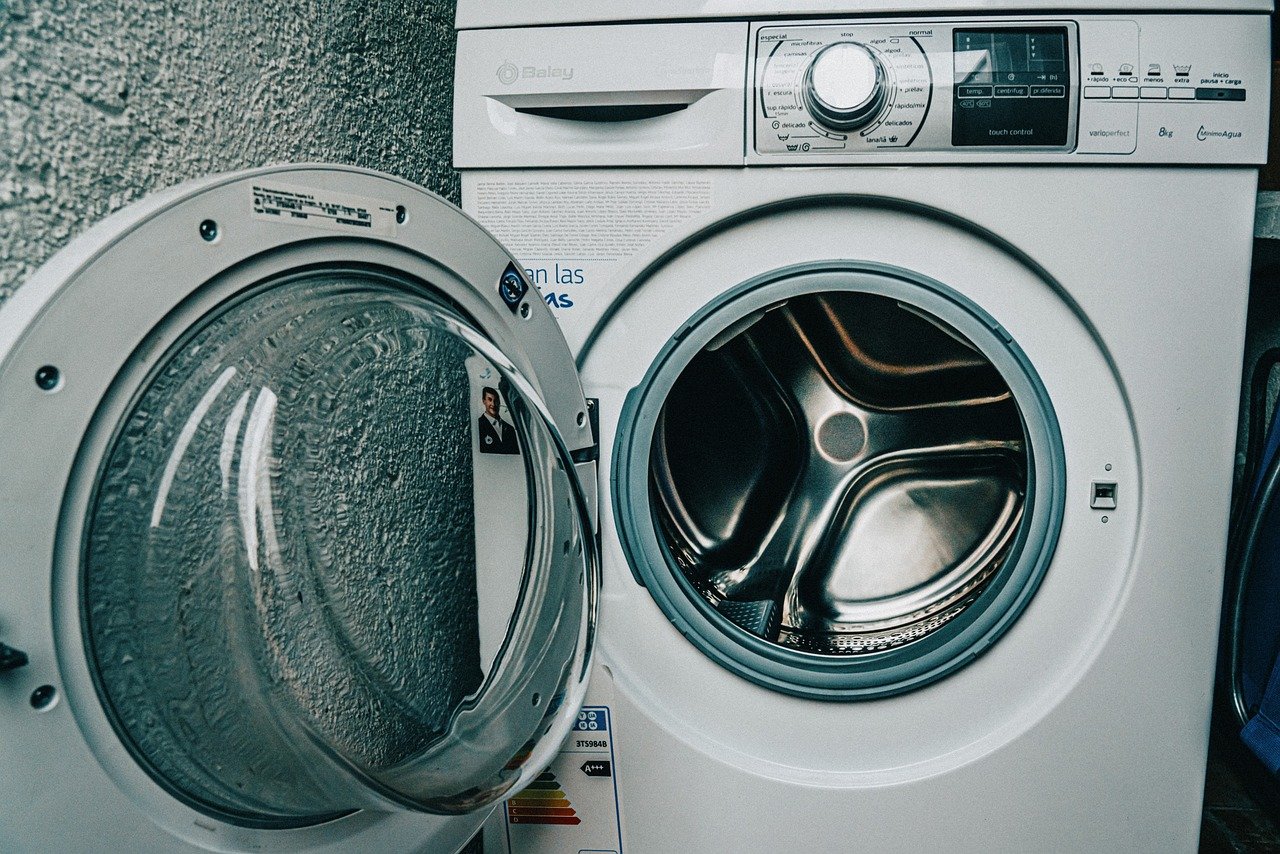
What if the most expensive washer in the showroom turned out to be the wrong one for your laundry basket? It happens more often than you’d think. People walk in looking for “the best washing machine,” walk out with the biggest drum on the floor, and spend the next five years wrestling with a machine that’s too deep for the utility room, too loud for an open-plan kitchen, or too clever for anyone to actually use.
The truth is that there is no single best washing machine. There’s a best machine for a family of five with a mud-prone dog, a best machine for a couple in a small flat, and a best machine for someone who wants to keep the same appliance running for fifteen years. This guide cuts through the marketing and shows you what actually matters, what the labels really mean, and where buyers most often go wrong.
Why the “Best” Label Is Mostly Marketing
Every year, dozens of models get crowned “best” by somebody. The problem is that rankings go stale fast. Independent testing organizations in the UK, Germany, and the US publish model-specific lab results, but those results carry publication dates and get superseded as new versions ship. A machine that topped a test three years ago may now be discontinued, replaced by a cost-reduced revision with the same name.
There’s also a regional trap. Capacity figures are not standardized across brands and regions. Some manufacturers quote drum volume under the international test method, others quote tub volume under US conventions, and the numbers are not directly comparable. A “10 kg” machine from one brand can hold meaningfully less than a “10 kg” machine from another. If you’re comparing across borders or shopping imports, treat every capacity claim as approximate until you’ve checked the measuring method.
The practical takeaway: instead of asking “which machine is best,” ask “which machine is best for my load size, my space, my water, and my tolerance for noise.” That question has an answer you can actually verify.
The Decisions That Actually Change Your Experience
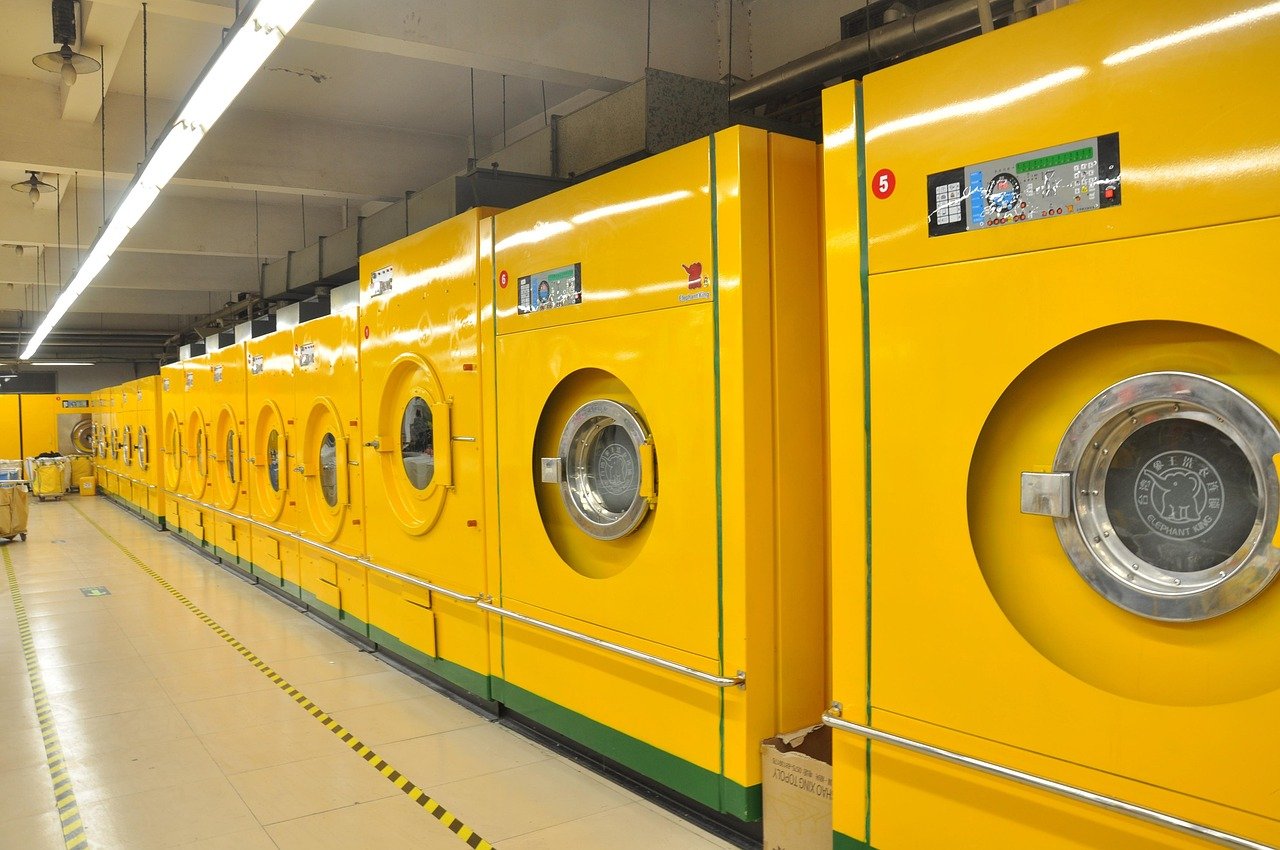
Front loader or top loader
Front loaders generally use less water and less energy than top loaders. That’s a consistent pattern across consumer testing and government efficiency guidance, though the gap varies by model and cycle. They also spin faster and stack or sit under a counter. The trade-offs are bending to load, a door seal that needs occasional cleaning, and a longer cycle on average.
Top loaders win on convenience and price. You drop clothes in from above, you can add a forgotten sock mid-cycle on many models, and there’s no door gasket to harbor mold. They typically use more water per load and dry more slowly because spin speeds tend to be lower.
Spin speed: the number people misread
Buyers fixate on spin speed, but spin speed doesn’t clean clothes better. What it does is extract more water, which shortens drying time and cuts dryer energy use. A 1,400 rpm machine and a 1,600 rpm machine will wash about the same; the faster one leaves clothes drier. If you line-dry or have a heat-pump dryer, a higher spin speed is genuinely worth paying for. If you tumble dry everything on a high setting anyway, it matters less.
Capacity without the guesswork
A rough working rule that holds up in practice: match drum size to your weekly laundry rhythm, not to your biggest one-off load. Too large a drum means running half-empty cycles, which wastes energy and water. Too small means constant reloading and a machine that wears out faster. Families with young children usually need more capacity than they think. Single households and couples almost always need less.
Noise ratings and where they fail
Noise is declared in dB(A) under standard conditions, and those declarations are measured per harmonized standards. Real-world noise depends heavily on installation. A machine on a suspended wooden floor will sound dramatically louder than the same machine on a concrete slab, no matter what the label says. If your laundry is near a bedroom or living area, budget for anti-vibration feet and check that the machine is properly leveled. An unbalanced machine is a noisy machine, full stop.
What the Energy Label Is Really Telling You
The EU rescaled its energy labels for washing machines in March 2021, retiring the old A+++ scale in favor of a stricter A–G class. The new label also shows energy consumption per 100 cycles and water use per cycle, which is far more useful than a letter grade alone. Minimum performance requirements for machines sold in the EU come from ecodesign rules that took effect at the same time.
In the US, efficiency is measured through a standardized test procedure that underpins both federal standards and the voluntary ENERGY STAR label. ENERGY STAR machines must meet criteria set by the EPA, and the specification version and effective date change over time, so check the current version rather than assuming.
Here’s the practical move most shoppers skip: calculate cost per cycle, not cost per machine. Multiply the energy per 100 cycles figure by your local electricity rate, divide by 100, and add the water cost. A cheaper machine with a poor efficiency rating can cost more over eight years than a pricier efficient one. Run the math once and the decision often flips.
Repairability: The Quiet Dealbreaker
A washing machine is a fifteen-year purchase disguised as a five-minute decision. In the EU, ecodesign rules require spare parts and repair information to remain available for a defined period, which is a real advantage for long-term ownership. Outside those rules, repairability depends entirely on the brand.
Practical checks before buying:
- Search for the model’s spare-parts availability and typical prices for a door seal, drain pump, and heating element.
- Confirm an authorized service network operates in your area; a call center alone does not qualify.
- Look for machines with accessible filters and removable drums where possible.
- Ask whether the control board is a single sealed unit, because that part alone can total a machine.
Owners who keep machines running for a decade tend to do one thing consistently: they maintain them. Learning how to clean your washing machine so it stops smelling and lasts longer is worth more than any extended warranty. A monthly hot maintenance cycle, a wiped door seal, and a cleared drain filter prevent the majority of service calls.
Matching the Machine to the Household
| Household type | Priority | What to look for |
|---|---|---|
| Couple or single | Compact footprint, low running cost | 7–8 kg drum, high efficiency rating, quiet operation |
| Family with young kids | Capacity and stain performance | 9–10 kg drum, pre-wash or stain cycle, fast 30-minute program |
| Dog owners | Hair removal and drum cleaning | Strong rinse performance, accessible filter, self-clean cycle |
| Small flat, no dryer | Water extraction | High spin speed, washer-dryer combo with heat pump drying |
| Long-term owner | Repairability | Documented spare parts, local service network, simple controls |
If you’re weighing a combined unit, it’s worth reading up on choosing a washing machine with dryer as the best brand for your space before you commit, because combo machines trade drying capacity for convenience and the specs are easy to misread.
Common Mistakes Buyers Make
Buying on drum size alone. A giant drum that’s half full every cycle wastes money and stretches your back.
Ignoring the installation. Measure the doorway, the utility closet, and the gap behind the machine. Vibration clearance matters. If the machine sits on an upper floor or near a bathroom, a small leak can do thousands in damage before anyone notices. Placing a water leak sensor under the washing machine in the right spot is a cheap safeguard that pays for itself the first time a hose fails.
Trusting the quick wash cycle. The 15-minute program is for lightly worn clothes, not for a full basket of gym kit. Overusing it leads to detergent buildup and odors.
Overdosing detergent. More soap does not mean cleaner clothes. Excess detergent stays in the drum, feeds mold, and makes the machine smell. Use the dose on the bottle for your water hardness, and less if your clothes aren’t heavily soiled.
Skipping the leveling step. Installers sometimes leave machines slightly off-balance. A five-minute check with a spirit level prevents years of walking, thumping, and premature bearing wear.
Assuming smart features add value. App control and auto-dosing are genuinely useful for some households and pure friction for others. Be honest about whether you’ll use them.
How to Test a Machine Before You Commit
You can’t run a full lab test in a showroom, but you can gather better evidence than a brochure:
- Check whether independent testers have published results for the exact model number, and note the test date.
- Look at the energy per 100 cycles figure and the water per cycle figure side by side with a rival.
- Confirm the noise declaration and ask about vibration behavior on suspended floors.
- Read owner reports specifically about reliability at the three-to-five-year mark, not the first month.
- Verify the warranty length and what it excludes, because labor coverage varies widely.
One more angle worth considering if you’re outfitting a home office or small business laundry: efficiency math scales. The same logic that applies to a household machine applies to a small business evaluating Azure virtual machine costs for small projects or any other recurring operating expense. Cheap upfront and expensive per use is a bad deal in appliances and in infrastructure alike.
Conclusion
The best washing machine isn’t the one with the longest feature list or the loudest review quote. It’s the one whose drum size matches your actual weekly laundry, whose efficiency rating keeps your running costs low, whose noise level suits where it’s installed, and whose parts you can still buy in year ten. Get those four things right and almost any well-reviewed model will serve you well. Get them wrong and even the award-winner will annoy you daily.
Start with your laundry rhythm, run the cost-per-cycle math, measure your space twice, and treat repairability as a headline feature rather than an afterthought. That’s how you buy once and stop shopping.
Frequently Asked Questions
Is a front loader always better than a top loader?
No. Front loaders generally use less water and energy, but top loaders are easier to load, often cheaper, and avoid the door-seal mold problem. The right choice depends on your space, budget, and whether you can bend comfortably.
How many kilograms of drum capacity do I actually need?
Match capacity to your weekly rhythm rather than your largest one-off load. Couples and singles usually do fine with 7–8 kg, while families with young children typically need 9–10 kg. Remember that capacity figures are measured differently between brands, so compare cautiously.
Does a higher spin speed mean cleaner clothes?
Not directly. Spin speed extracts water, which shortens drying time and reduces dryer energy use. Cleaning performance depends on the wash cycle, detergent, and temperature. Buy a high spin speed if drying time matters to you, not as a cleaning upgrade.
How long should a washing machine last?
With reasonable care, most machines run for around ten years, and some go longer. Lifespan depends heavily on maintenance, water hardness, and load frequency. Regular hot maintenance cycles, a clean filter, and a wiped door seal are the habits that separate a decade of service from an early failure.
What does the new EU energy label actually show?
Since March 2021, the label uses a stricter A–G scale and includes energy consumption per 100 cycles plus water use per cycle. Those two figures are more useful than the letter grade, because they let you calculate real running costs against your local electricity and water rates.
Are smart features worth paying for?
Only if you’ll genuinely use them. App notifications and auto-dosing help some households, particularly where the machine is far from living space. For many buyers, the same money is better spent on a higher efficiency rating, a quieter motor, or better spare-parts availability.



