
Federal authorities arrested OpenAI engineer Abdulrahman Alfozan on Oct. 9, 2026, over an alleged attempt to intercept oral communications at work. Oral communication means a spoken conversation between people. The Saudi national, 35, faces one federal count tied to an alleged recording effort in San Francisco.
Alfozan had worked as an engineer for OpenAI since July 2025. The case has drawn attention because it involves a technology company and alleged access to private workplace discussions. The criminal complaint sets out prosecutors’ claims, while OpenAI has made statements about its own response. Those claims and statements do not all carry the same legal weight.
This account separates allegations from established facts and reports the court dates given for October 2026. An arrest and charge are allegations, not a finding of guilt.
Key Takeaways
- Alfozan was arrested on Oct. 9 and charged with one federal count.
- The count concerns alleged use or attempted use of a device to intercept spoken communications.
- OpenAI said it referred the matter to the FBI and ended Alfozan’s employment.
- The company said it had no indication that certain company data was improperly accessed or taken.
- Prosecutors’ additional claims are allegations, not findings about motive or national security.
Where was the recording device found in OpenAI’s San Francisco office?
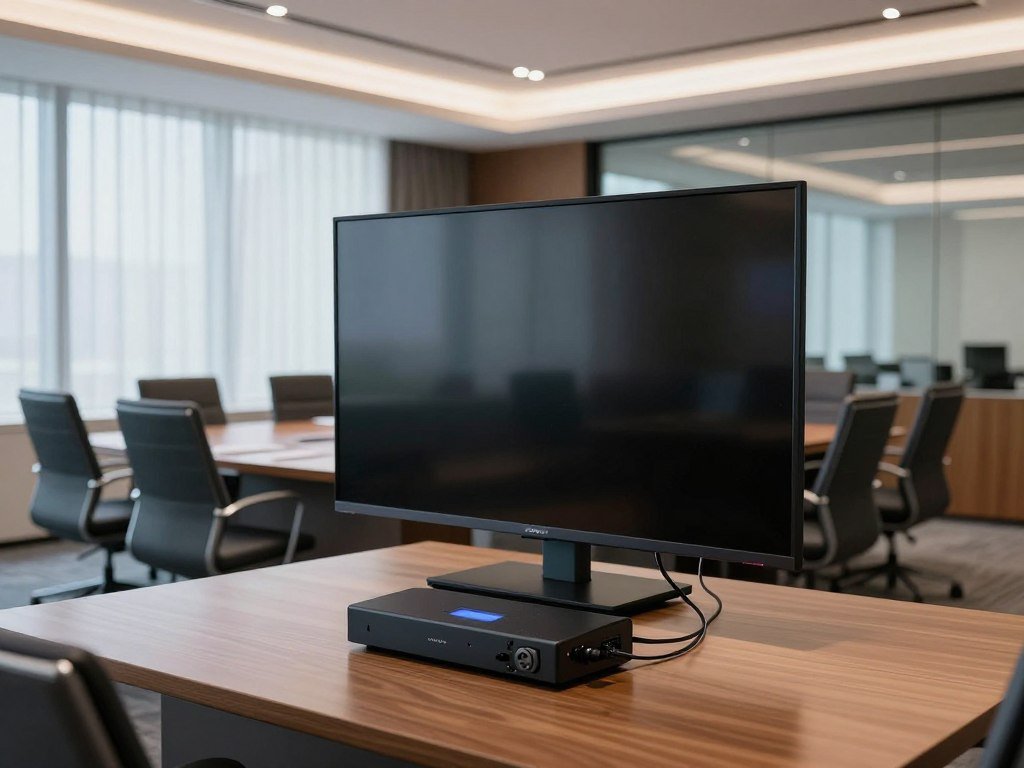
The first device was hidden in the USB port on the back of a television in an executive conference room. The criminal complaint says it was placed there on or about Sept. 28, 2026, and found around Sept. 30. Its location mattered because the room hosted private discussions.
The room was used for talks about confidential technical, commercial, and strategic matters, including proprietary research and product plans. The complaint alleges Alfozan lacked authority to enter the room or attend its meetings. It says he appeared nearby on several dates before the device was discovered.
Finding a recording device does not prove that any particular conversation was captured.
The complaint says the device was concealed in toilet paper before it was connected to the television. It had a detachable camera sensor, a digital microphone, and microSD storage. OpenAI described advanced encryption, audio-monitoring functions, and a data-transfer feature designed to avoid monitoring.
The complaint also says Alfozan entered the executive conference room around Oct. 5 and looked behind the television. That claim is part of prosecutors’ account, not a court finding. The exact purpose of the alleged visit remains an allegation in the criminal complaint.
The television in the executive conference room
The television’s rear USB port offered a place to attach the small recording device out of ordinary view. The room’s executive use made its meetings sensitive, but the complaint does not establish that anyone recorded a specific exchange.
OpenAI described the equipment as able to monitor audio and move data. Its encrypted contents are a technical detail. They do not, by themselves, show what was stored or whether it was sent elsewhere.
The second device in an unattended bag
On or about Oct. 5, security staff found another recording device in an unattended bag Alfozan had left in a different room. His wallet and identification were also in the bag. The complaint does not say that this second device was installed in another meeting room.
The separate discovery adds an item to the investigation, but it does not establish how or where the device was used. The encrypted contents are a security detail, not proof that a particular conversation was captured.
What does the OpenAI Employee Arrested Hidden Listening Device 2026 complaint allege?
The complaint describes both workplace searches and chatbot activity before the first device was found. It says some searches focused on OpenAI buildings, rooms, calendars, and executive schedules. Those records form part of prosecutors’ account, not proof by themselves of who placed the device.
Prosecutors say the workplace and online activity began before Sept. 28, 2026. The complaint groups the alleged activity into three kinds of records:
- Building and meeting-room inquiries, including addresses, room sizes, capacities, and calendars.
- Prompts about building, testing, concealing, installing, and remotely accessing an audio recording device.
- Device-specific prompts that allegedly mentioned its custom header and unique MAC address.

Searches for buildings, rooms and executive schedules
Before Sept. 28, the complaint says Alfozan used a productivity tool to ask about OpenAI building addresses and meeting rooms. The questions allegedly included room capacity, room calendars, executive locations, and meetings with outside partners.
Prosecutors say those inquiries could help identify where executives met and what rooms they used. The complaint does not make every workplace search proof of criminal intent. The meaning of a search depends on its context and who made it.
Prompts about building and accessing a recorder
A chatbot account associated with Alfozan’s spouse submitted prompts from Sept. 24 through Sept. 30. The prompts asked about building, customizing, installing, testing, concealing, and remotely accessing an audio-recording device.
Prompts dated Sept. 27 and Sept. 28 allegedly referred to the first device’s custom header and unique MAC address. The complaint described the spouse-associated account as sharing identifiers and attributes with Alfozan’s account. That association does not establish who entered each prompt.
Workplace inquiries, chatbot activity, and device-related terms may be relevant to the investigation, but they are not identical kinds of evidence. Treat account association and the identity of the person who entered each prompt as separate questions.
What charge does Abdulrahman Alfozan face, and what are the possible penalties?
Alfozan faces one federal count alleging use or attempted use of a device to intercept oral communications. The complaint does not charge corporate espionage or trade-secret theft. If convicted on the federal count, he could face up to five years in prison, a $250,000 fine, and three years of supervised release.
The federal allegation concerns interception of spoken communications. California also has separate rules on recording private conversations and telephone calls. Those state rules are not additional charges filed against Alfozan in this case.
The Reporters Committee for Freedom of the Press explains California’s consent rules in its California recording guide. The rules and possible consequences differ by the kind of communication involved.

| Legal rule | Conduct covered | Consent or limits | Potential consequence |
|---|---|---|---|
| Federal count | Using or attempting to use a device to intercept oral communications | One count filed in this case | Up to five years in prison, $250,000 fine, and three years of supervised release if convicted |
| California confidential-communication rule | Intentionally using an amplifying or recording device to eavesdrop on or record a confidential communication | All parties must consent, unless an exemption applies | Up to $2,500 fine, misdemeanor or felony imprisonment, or both |
| California telephone-interception rule | Tapping a communication wire or intercepting or recording a telephone communication | All parties must consent, subject to specified exceptions | No separate penalty stated here |
California’s confidential-communication rule can apply to a private spoken exchange recorded without every party’s consent. The telephone rule addresses wire tapping and phone communications, with specified exceptions. These state provisions do not change the federal count in the complaint.
The federal maximum is a limit, not a prediction of what a judge would impose. Any sentence would depend on a conviction and the court’s decision. The federal maximum applies only if there is a conviction, and it is not an automatic sentence.
What has OpenAI said, and what is the case status?
OpenAI said its models helped identify the device and the employee, and that it referred the matter to the FBI. The company said it ended Alfozan’s employment. It also said it had no indication of improper access to or exfiltration of model weights, source code, or customer data.
OpenAI’s statement about company data is separate from prosecutors’ claims about the alleged recording. The company did not say that the investigation had reached a final legal result. Its account describes the company’s actions and what it said it knew.
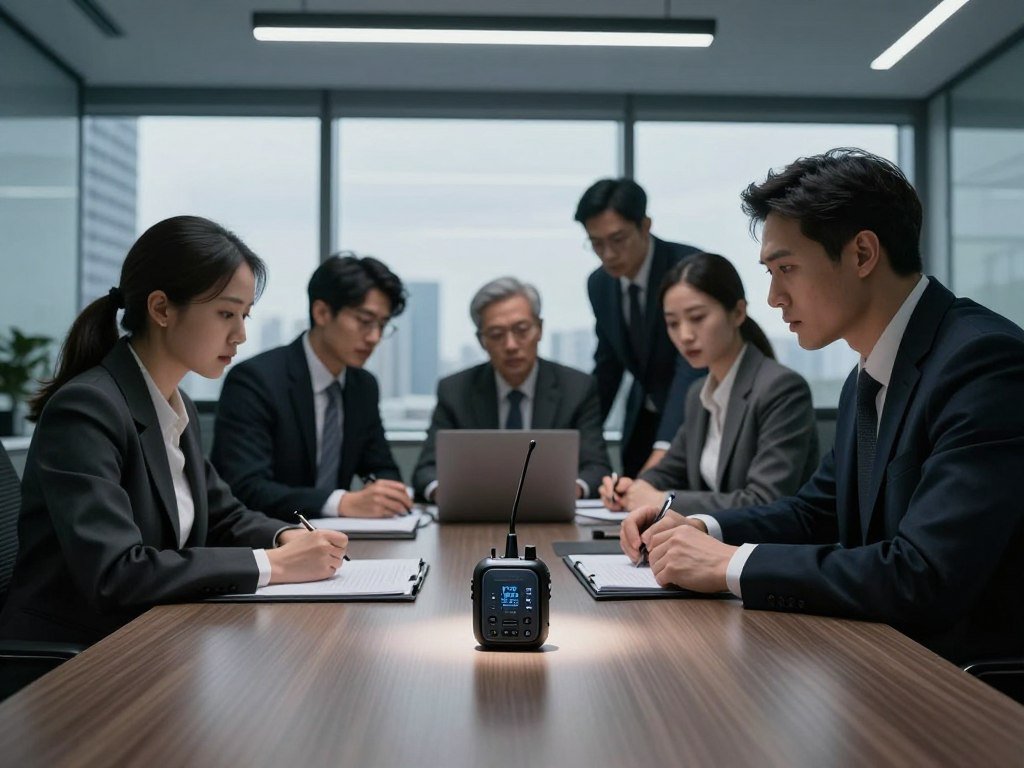
OpenAI said its models helped it identify the device and determine that an employee had planted it. The company also said it referred the matter to the FBI. Its statement about model weights, source code, and customer data was limited to having no indication of improper access or removal.
The criminal complaint and prosecutors’ later claims describe a different part of the case. They do not turn the company’s public statement into a court finding. The legal process will address the charged allegation and any later filings.
OpenAI’s response and data statement
OpenAI described its models as part of how it identified the device and the employee. It said that finding led the company to refer the matter to the FBI. The company also said it terminated Alfozan.
The data statement named model weights, source code, and customer data. OpenAI said it had no indication of improper access to or exfiltration of those categories. That wording reports the company’s stated assessment, not a broader ruling about all information.
Court dates and other allegations
Alfozan made his first federal court appearance on Oct. 13, 2026. He was scheduled to return on Oct. 19, when prosecutors sought a detention hearing. Prosecutors said he remained detained after his arrest while awaiting that hearing.
Prosecutors also alleged that Alfozan, his wife, and a third family member booked one-way tickets from San Francisco to Saudi Arabia through Istanbul for Oct. 12. They further alleged WhatsApp communications with a member of the Saudi royal family during 2025 and 2026, including as recently as Oct. 5, 2026.
Travel plans and alleged communications do not, by themselves, establish motive or a national security finding.
Defense attorney William Pernik said the information available to him was extremely limited when the charging documents were unsealed. The reported claims about travel and messages remain prosecutorial allegations. They are not findings that establish why anyone acted.
- Oct. 9, 2026: Federal authorities arrested Alfozan.
- Oct. 13, 2026: Alfozan made an initial federal court appearance.
- Oct. 19, 2026: A return appearance and detention hearing were scheduled.
A scheduled hearing date establishes a next step, not the result of that hearing.
Conclusion
The case centers on an alleged recording-device offense, while OpenAI said it had no indication that specified company data was improperly accessed or taken. Those are distinct points: one is a federal accusation, and the other is the company’s statement about its systems.
The next useful check is the court’s latest docket entry, which can show whether the scheduled hearing occurred and what the judge decided. Check a current federal court docket before treating the Oct. 19 hearing as the latest procedural outcome.
FAQ
Does an arrest mean Alfozan has been convicted?
No. An arrest and a criminal charge are allegations, not proof of guilt. A conviction requires a legal finding through a plea or trial. The arrest alone does not show that a court accepted prosecutors’ claims, and the complaint’s account should not be treated as a final decision.
What does “intercept oral communications” mean in this case?
It means using or attempting to use a device to capture spoken communications between people. The federal count concerns that alleged conduct. The charge does not prove that any particular conversation was recorded, stored, or shared. Those are separate facts from the allegation that a device was used or intended for interception.
What does supervised release mean after a prison sentence?
Supervised release is court-ordered oversight that follows a prison term. A person on release must follow conditions set by the court, and violations can lead to further consequences. The federal count carries a maximum supervised-release term of three years if Alfozan is convicted, but that term is not automatic.
Could prosecutors add another charge?
Possibly, but the detention memo’s reported discussion of additional serious charges is not itself a filed charge. Prosecutors would need to bring another count through the legal process. The complaint at issue charges one count involving alleged interception of oral communications, and later filings would show whether the case changes.
Did prosecutors charge Alfozan with stealing trade secrets?
No. The criminal complaint charged one count involving the alleged use or attempted use of a device to intercept oral communications. It did not charge trade-secret theft or corporate espionage. That distinction matters because the alleged setting involved a technology company, but the filed count names a specific communications offense.
What did OpenAI say about model weights, source code and customer data?
OpenAI said it had no indication of improper access to or exfiltration of model weights, source code, or customer data. That statement reflects the company’s reported assessment. It does not decide the criminal allegation, establish what any court will find, or describe every part of the investigation.