Where do most generator installations actually go wrong? Not at the wiring panel, and not on the day the crew shows up. They go wrong weeks earlier, during the site assessment nobody took seriously. That single fact explains why some standby systems run for decades and others fail during their first real outage.
If you searched for “generator installation” expecting a tool or a store page, here is the short version: you cannot download an installation. You buy equipment, book a licensed installer, and pull permits. What this page gives you is the part the sales pages skip: how to plan the job well, what to verify before signing, and which mistakes cost the most money. For readers who work on the content side of a power or equipment business, visual assets for that marketing material are a separate job entirely, which is where an AI banner generator for website banners can help while you focus on the technical details.
The task in front of you: buy, permit, install, commission
A generator installation is really four tasks stacked on top of each other. First, someone sizes the unit. Second, someone buys it. Third, a licensed electrician and often a mechanical contractor install it. Fourth, a commissioning test proves it works under load.
Most homeowners and facility managers only control steps one and two well. The rest depends on the crew. That is why the planning phase deserves more attention than the equipment brochure.
A useful way to think about it: the generator is the cheap part of the decision. The site work, fuel system, transfer switch, permits, and labor usually determine whether the project goes smoothly. A properly planned installation starts with documentation, not with a purchase order.
Why the site assessment decides everything
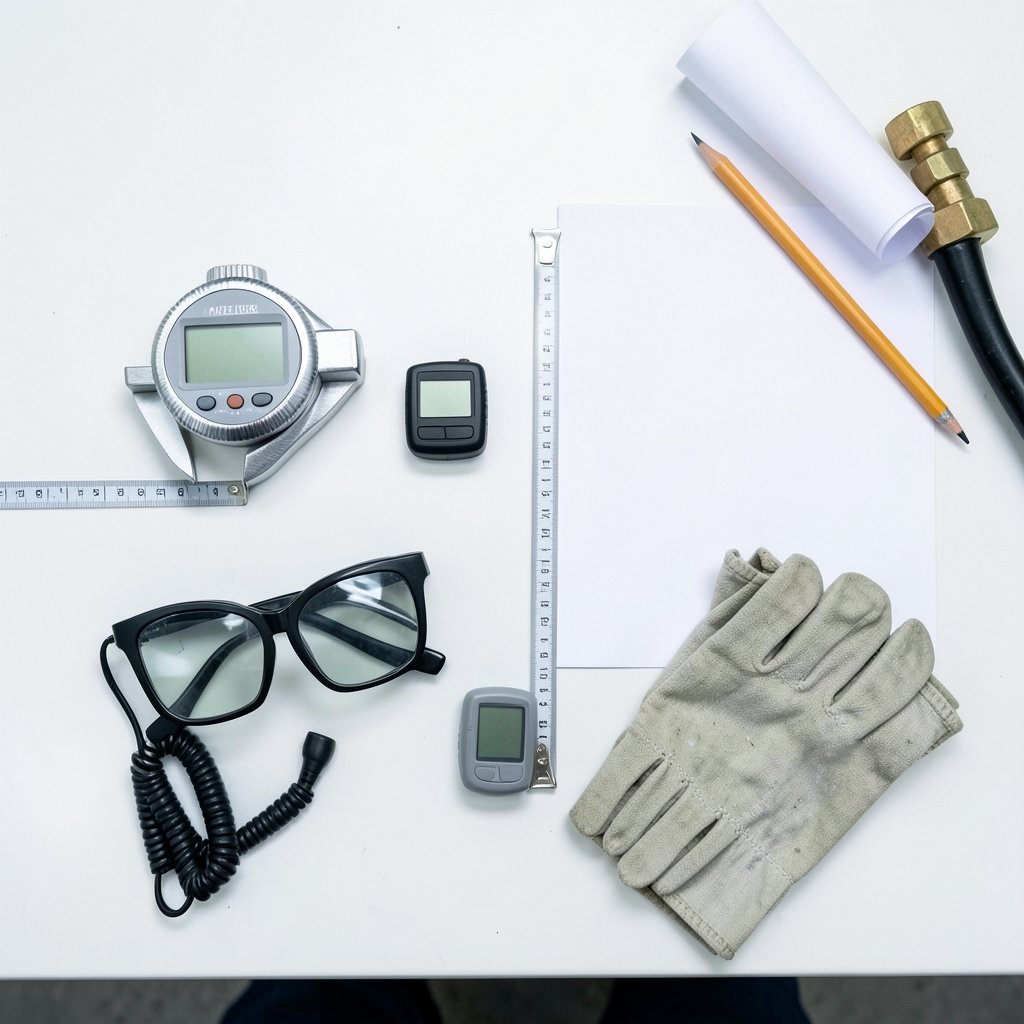
Rushing the assessment and engineering phase is the top cause of long-term problems, according to installers who have seen the pattern repeat across thousands of jobs. An inexperienced installer may rely on a quick look and a rough guess about load. A professional measures.
What a real assessment covers:
- Load profile. What actually runs during an outage, and in what sequence.
- Load steps and inrush current. Large motors and medical imaging equipment draw a surge at startup that a steady-state calculation misses entirely.
- Physical space. Clearances for airflow, service access, and exhaust routing.
- Fuel supply. Natural gas pressure, propane tank placement, or diesel storage and delivery.
- Sound and emissions. Distance from property lines and windows, plus local noise rules.
Sizing deserves its own warning. An undersized unit experiences voltage dips that can trip sensitive electronics or damage the alternator. A grossly oversized unit is prone to wet stacking, the buildup of unburnt fuel in the exhaust that degrades the engine over time. Neither failure shows up on day one. Both show up later, usually during the worst possible week.
Sizing the generator correctly, not generously
There is a temptation to buy the biggest unit the budget allows. Resist it. Oversizing is a real failure mode, not a safety margin.
The right approach evaluates peak demand plus startup surges. For a home, that might mean a furnace, well pump, refrigerator, and a few circuits. For a facility, it might mean a 1000 kW or 2000 kW unit matched to specific equipment.
| Load type | What to measure | Common mistake |
|---|---|---|
| Resistive (lights, heaters) | Running watts | Counting only these |
| Motor-driven (pumps, compressors) | Starting surge, often several times running load | Ignoring inrush current |
| Electronics (servers, imaging) | Tolerance for voltage dip | Assuming any generator works |
| Whole-building transfer | Peak simultaneous demand | Adding every circuit at once |
If you are comparing quotes, ask each installer to show the load calculation in writing. A quote without one is a guess with a price tag attached.
Permits, codes, and the paperwork nobody enjoys
Generator installation is a permitted activity in most jurisdictions, and the inspection sequence matters. Electrical permits, mechanical permits, and sometimes zoning approval all apply. Local rules on setbacks and noise vary widely, so the same unit that passes in one town may fail in the next.
Emissions compliance adds another layer for commercial sites. Rules differ depending on whether a generator is classified for emergency or non-emergency use, and the requirements are legal obligations, not suggestions. Confirm the classification with the authority having jurisdiction before ordering equipment.
One practical tip from people who do this often: pull permits before the unit ships. A generator sitting on a pallet in the driveway because the permit stalled is an expensive lawn ornament.
Fuel systems, ventilation, and exhaust routing
These three systems cause more callbacks than any electrical issue.
Fuel. Natural gas lines may need upsizing to handle the generator’s demand alongside existing appliances. Propane requires tank sizing based on runtime rather than capacity alone. Diesel needs storage, delivery access, and fuel maintenance.
Ventilation. An enclosure needs both intake and exhaust airflow. A fabricated cabinet for a smaller unit still has to meet three requirements: vibration isolation, airflow in and out, and exhaust routed to exit downward. Service access matters too, especially around the oil fill and start panel.
Exhaust. Route it away from windows, doors, and air intakes. Carbon monoxide is the safety issue that ends up in headlines when it is ignored.
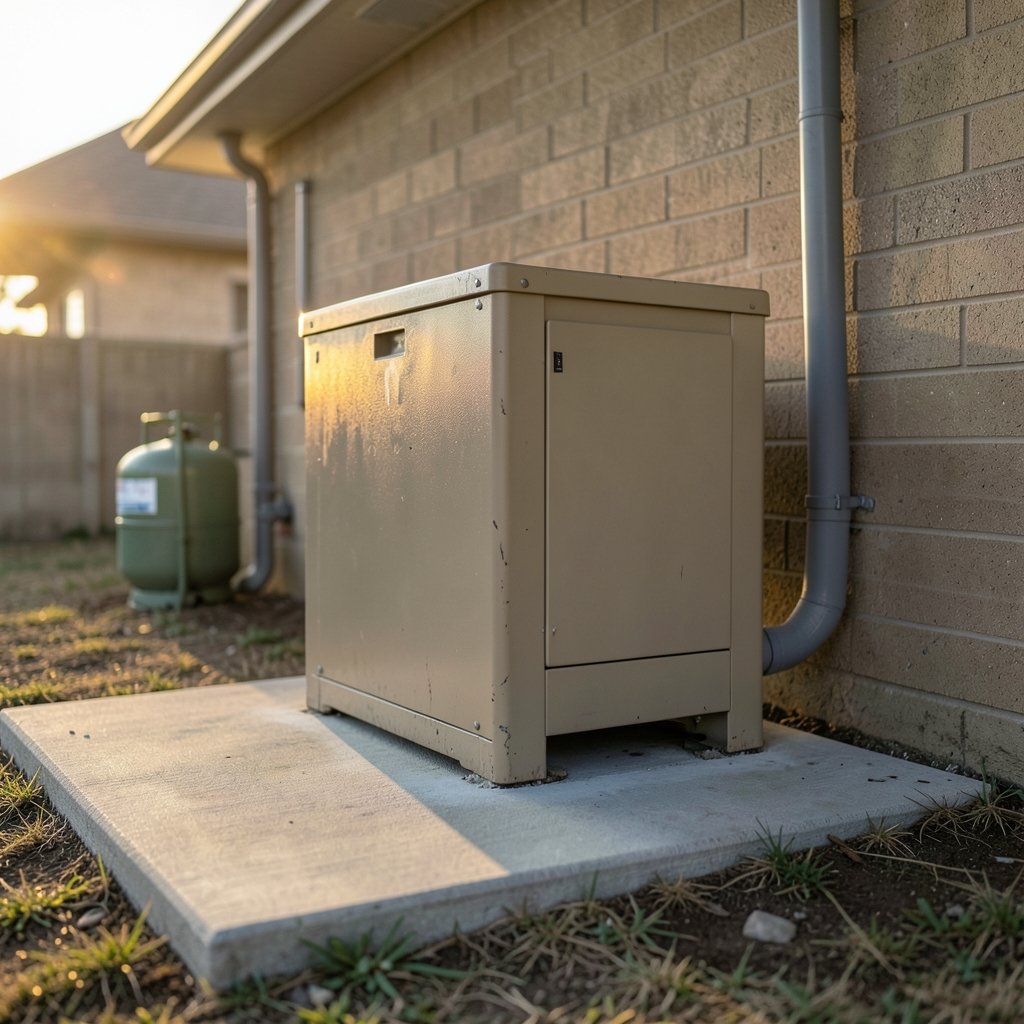
For a step-by-step look at how a large outdoor unit gets set and connected, the industrial standby generator installation guidance walks through canopy systems, fuel connections, and initial electrical considerations in detail. The principle scales down: set the unit level, connect fuel and exhaust properly, then wire it.
The electrical connection and transfer switch
The transfer switch is the piece that makes a generator safe. It disconnects the building from the utility before connecting the generator, which prevents backfeeding onto power lines. Backfeeding is a genuine hazard to line workers and to your own equipment.
Installation steps typically follow this order:
- Mount the transfer switch and confirm it matches the service rating.
- Wire the utility feed, generator feed, and load panel per the manufacturer’s diagram.
- Connect the generator’s control wiring so the two units communicate.
- Bond and ground according to local code.
- Test the transfer sequence manually before relying on automatic operation.
Torque specifications matter here. Manufacturer service procedures list specific values for mounting bolts and terminal nuts, and skipping a torque wrench is how loose connections become hot spots. Follow the OEM documentation for your exact model rather than a generic video.
If you are documenting the project for a client or a facilities team, a clean visual record helps. Tools like an AI infographic generator for visual content can turn the load table and installation sequence into something a non-technical stakeholder will actually read.
Commissioning: the test that proves it works
A generator that starts is not a generator that works. Commissioning proves the system carries load.
What a proper commissioning test includes:
- No-load start. Confirm the unit starts and runs smoothly.
- Load bank or building load test. Run it under realistic load rather than idle.
- Transfer test. Simulate an outage and watch the transfer switch operate.
- Voltage and frequency checks. Confirm output stays within tolerance during load steps.
- Shutdown and cooldown. Verify the unit stops cleanly.
Ask for the commissioning report in writing. It becomes the baseline for every future maintenance visit.
Mistakes that derail installations most often
Five errors show up again and again on commercial and industrial jobs, and most of them apply to residential work too.
- Skipping a true site assessment. The most expensive errors happen before the generator arrives.
- Sizing on steady-state load only. Load steps and inrush get ignored, and the unit trips on startup.
- Ignoring emissions classification. Emergency and non-emergency units face different rules.
- Poor exhaust and ventilation planning. Callbacks, safety risk, and code violations follow.
- No commissioning under load. The system looks fine until the first real outage.
The pattern is consistent: shortcuts in planning cost more than any equipment upgrade. A slightly smaller generator installed well beats a larger one installed carelessly.
What actually works in practice
Experienced installers tend to do a few unglamorous things that separate smooth projects from painful ones.
They put the load calculation in writing and keep it with the permit file. They photograph the site before excavation. They confirm fuel pressure at the generator connection, not at the meter. They label every breaker and transfer switch position clearly. They schedule the first maintenance visit before the crew leaves the property.
They also set realistic expectations about timelines. Equipment lead times, permit reviews, and inspection schedules rarely align perfectly. A project planned around the slowest step finishes faster than one planned around the fastest.
Costs and quotes: what to compare
Quotes vary enormously because they bundle different things. When comparing, check whether each bid includes the transfer switch, permits, fuel work, electrical labor, commissioning, and the first service visit. A low bid that excludes the transfer switch is not a low bid.
For anyone producing marketing material about power equipment, cost transparency is a strong trust signal. The breakdown of AI image generator costs you actually pay is a useful model for how to present pricing honestly rather than hiding fees in the fine print.
The same logic applies to generator quotes: ask for line items. Equipment, labor, permits, fuel system, and commissioning should each appear separately. If a contractor will not itemize, that is information too.
When to call a professional instead of DIY
Small portable units plugged into a transfer switch are within reach for a capable homeowner in many places, subject to local rules. Whole-building standby systems are not. The work involves utility coordination, permitted electrical connections, fuel piping, and exhaust routing, and mistakes create fire and carbon monoxide hazards.
The honest answer for most readers: hire licensed trades, then manage them well. Your job is the specification, the questions, and the verification. Their job is the installation.
Conclusion
Generator installation rewards planning far more than purchasing. The unit itself is a known quantity with a spec sheet. The variables are the site, the load, the fuel system, the permits, and the commissioning test. Get those right and the generator becomes boring in the best way: it sits there, waits, and starts when needed.
Start with a written load calculation, confirm the permit path before ordering, insist on commissioning under real load, and keep the documentation. Do that, and the scariest question in the project, “will it actually work during an outage,” answers itself.
FAQ
How long does a generator installation take?
A residential standby installation typically takes one to three days of on-site work once permits are approved and equipment has arrived. The longer part is usually the front end: permit review, equipment lead time, and fuel system work. Commercial and industrial projects run longer because of engineering, emissions classification, and multi-trade coordination.
Do I need a permit to install a generator?
In most jurisdictions, yes. Electrical permits are standard, and mechanical or zoning approvals often apply as well. Local rules on setbacks, noise, and fuel storage vary widely. Confirm requirements with your local building authority before ordering equipment, because an inspection failure after installation is far more expensive than a permit.
Can I install a generator myself?
Portable units connected through a proper transfer switch may be allowed for capable homeowners in some areas, subject to local code. Whole-building standby systems involve utility coordination, permitted electrical work, fuel piping, and exhaust routing. Those tasks carry fire and carbon monoxide risks and generally require licensed trades.
What size generator do I need?
Size depends on peak demand plus startup surges, not on the total of every circuit in the building. Motor-driven equipment such as pumps and compressors draws several times its running load at startup. Ask for a written load calculation that accounts for load steps and inrush current. An undersized unit trips; an oversized one risks wet stacking.
What is wet stacking and why does it matter?
Wet stacking is the accumulation of unburnt fuel in the exhaust system of a diesel generator running below its proper load. It leads to engine degradation over time. It is the main reason a grossly oversized unit is a bad choice, and it is why sizing should match real demand rather than a generous guess.
What should a commissioning test include?
A proper commissioning test includes a no-load start, a load test under realistic demand, a simulated outage to verify transfer switch operation, voltage and frequency checks during load steps, and a clean shutdown. Ask for the results in writing. That report becomes the baseline for all future maintenance.