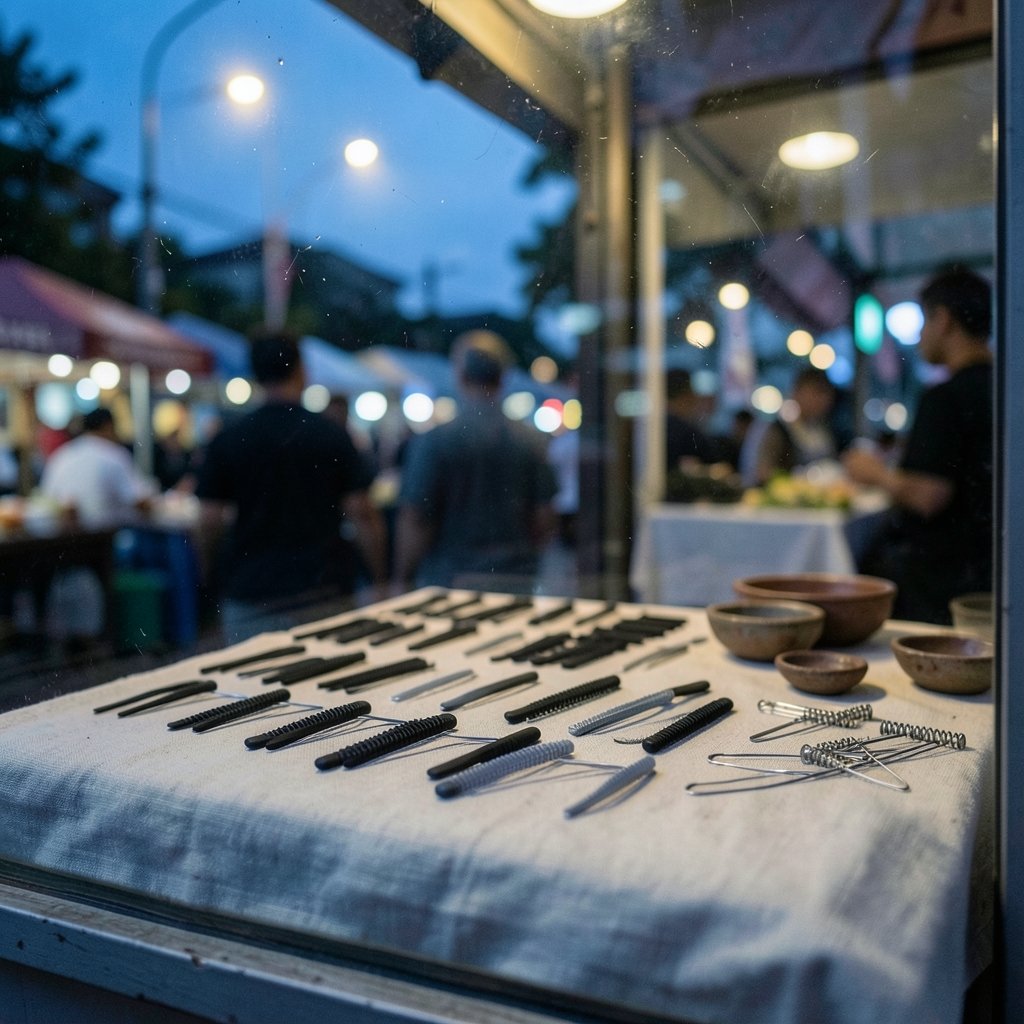
What if the most useful hair tool in the world cost less than a cup of coffee and fit in the palm of your hand? That is the strange promise of the bobby pin, a flat, springlike metal hairpin whose two prongs are held close together by tension. It hides in buns, tames flyaways, and holds styles that clips and elastics simply cannot. It is also the accessory people most often use wrong. Ridges face down or up? Does the wavy side matter? Why do some pins slide out within an hour while others survive a wedding reception?
This guide answers those questions in the order they actually come up: what a bobby pin is, how it differs from other hairpins, how to insert it correctly, how to choose the right size and color, and how to stop the endless disappearing act. Along the way, it covers the mistakes that quietly ruin hair and the tricks stylists rely on every day. For a broader look at hair accessories and styling tools, occcy.com is a useful companion resource.
What Is a Bobby Pin, Exactly?
A bobby pin is a small metal hair clip with the ends pressed tightly together, according to dictionary definitions of the term. The word itself dates to roughly 1935 to 1940, likely tied to the word “bob” and the bobbed hairstyles that made such pins necessary. In Britain, the same object is usually called a hairgrip or a kirby grip.
The defining feature is the tension. Unlike an open hairpin, which has straight legs that stay apart, a bobby pin is bent so the prongs clamp shut on their own. That spring action is what lets it grip a section of hair without any clasp, screw, or hinge. One side is flat and smooth. The other has small ridges or waves running along its length. Those ridges are not decoration; they are the grip.
Bobby Pin vs. Hairpin vs. Spin Pin
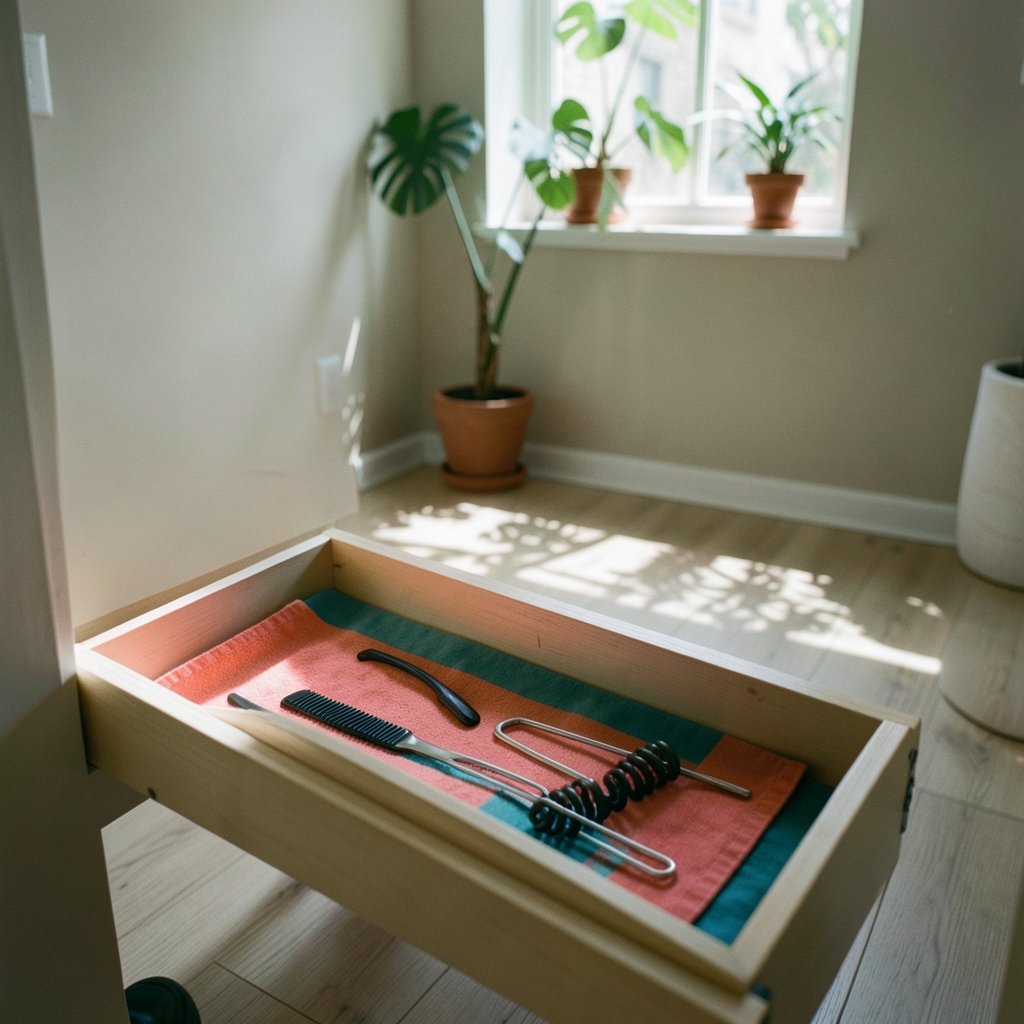
People use these words interchangeably, but the objects behave very differently. The shape and the way each one opens determine what it can hold.
| Feature | Bobby pin | Open hairpin | Spin pin |
|---|---|---|---|
| Shape | Flat, bent, prongs clamped by tension | U-shaped, legs open at the end | Corkscrew spiral |
| How it grips | Spring tension plus ridges | Friction from bending the legs | Twists into the hair like a screw |
| Best for | Short sections, flyaways, securing ends | Long sections, thick updos, decoration | Buns and twists, all-day hold |
| Typical hold | Light to medium | Medium | Strong; one pin can replace many bobby pins |
Hairpins are open at the end and are typically used for different purposes than bobby pins, as hairstylists have explained in styling guidance. A spin pin works on a different principle entirely: it screws into a bun and locks the whole shape in place. Product listings describe mini spin pins as doing the work of 20 bobby pins for all-day hold, which is marketing language but points to a real difference in holding power.
The practical takeaway: keep all three in a drawer. Bobby pins are precision tools for small jobs. Hairpins and spin pins are structural tools for big ones.
Which Way Do the Ridges Go?
This is the great bobby pin debate, and stylists have firm opinions. The short answer that most professionals give: ridges down, against the scalp, for the strongest grip.
Why? The wavy side creates friction. Facing it toward the head presses those ridges into the hair and scalp, so the pin resists sliding. Facing the smooth side down gives the pin less to bite into, and it tends to creep out over the day. Many stylists describe this as the correct default and treat ridges-up as a situational choice rather than a rule violation.
There is a legitimate exception. When a pin sits somewhere visible, such as along a part or at the front of a sleek style, some stylists flip it so the smooth side shows and the ridges are hidden. Others place pins ridges-up when they want the pin to slide in easily and then rely on a crisscross pattern for hold. The honest answer is that ridges-down wins on grip, while ridges-up can win on looks. For anything load-bearing, choose grip.
How to Insert a Bobby Pin So It Stays
Most bobby pins fail because of insertion technique, not pin quality. A pin shoved straight into a finished style has nothing to anchor to. Follow this sequence instead:
- Open the pin slightly by pushing the two prongs apart with your thumb, just enough to slide over the hair. Do not bend it wide open; that weakens the spring.
- Gather a small section of hair where the pin will sit. The section should be narrow enough that the pin closes on it with tension.
- Slide the pin in ridges-down, pushing it away from the direction the hair needs to go, so it locks against the grain.
- Push the pin forward about half an inch, then reverse direction and push it back into the style. This hooking motion anchors the pin instead of letting it rest on the surface.
- Crisscross a second pin over the first in an X shape for styles that must survive dancing, wind, or a long day.
The crisscross is the single most useful trick in the whole craft. Two pins crossing each other lock together and resist movement far better than two parallel pins. For a French twist or a chignon, four crossed pins often outperform a dozen random ones.
Another underrated move: anchor the pin to something. Slide it through a small elastic, under a braid, or into the base of a ponytail so it has structure to hold. A pin floating in loose hair has nothing to grab.
Choosing the Right Size, Color, and Quality
Bobby pins are not one product. Size and finish change how they perform.
Size
Standard pins are the workhorse length most people picture. Mini pins suit fine hair, short layers, and pinning small sections near the face. Long pins handle thick hair and big updos. Fine-haired users often find standard pins too long and heavy, while thick-haired users find minis useless. Match the pin to the section, not to the hairstyle.
Color
Color is about disappearing. Brown pins vanish into brown hair, blonde pins into blonde hair, and black pins into black hair. One reviewer with blonde hair and two bleached strands noted that blonde bobby pins disappeared into every part of her hair. Tortoise finishes are popular for redheads and for anyone who wants a warmer neutral. Bright colors are the opposite strategy: they turn the pin into a visible design element, which is exactly how pins appear on runways and red carpets.
Quality
Cheap pins share three flaws: rough edges that snag hair, weak springs that stop clamping, and tips that flake off. Smooth, well-made pins with coated tips protect hair far better. Reviews of better-quality sets repeatedly praise smooth edges and consistent spring tension, while complaints about hard-to-open pins point to the opposite problem: a spring so stiff the pin is painful to use. Look for a middle ground. Pins should open with light pressure and close with a firm snap.
Common Mistakes That Cost You Pins and Hair
Some habits are so common they feel normal. Most of them are counterproductive.
- Using too much hair per pin. A bobby pin holding a thick chunk will slide out or bend. Small sections are the whole point.
- Inserting pins into wet, slick styles. Freshly conditioned or product-heavy hair is slippery. Pins grip better on dry hair or hair with a little texture added.
- Sleeping in pins. Metal edges press against the scalp all night and can cause breakage at the anchor point. Take them out.
- Bending pins open to “make them fit.” Once the spring is stretched, the pin never clamps the same way again.
- Storing them loose in a bag. Loose pins get bent, lost, and coated in lint. A small tin or a dedicated container keeps them usable.
- Ignoring rusty or flaking pins. Rust and peeling coating catch and tear hair. Throw them out.
One more mistake deserves its own line: using a bobby pin as a tool for anything other than hair. Pins get repurposed for cleaning small gaps, prying, and picking locks in movies, but a bent pin is a ruined pin.
Do Bobby Pins Damage Hair?
Used correctly, bobby pins are among the gentlest styling tools available. They cause problems in three specific situations.
First, rough edges and exposed metal tips scrape the hair cuticle as the pin slides in and out. Coated tips and smooth finishes solve most of this. Second, tight pins placed in the same spot day after day create tension and breakage at that anchor point, so rotate placement. Third, pins left in overnight or for many hours press against the scalp and pull at the root.
The pattern is consistent: damage comes from friction, tension, and time, not from the pin itself. A smooth pin, a small section, and a few hours of wear are a low-risk combination. A rough pin jammed into a tight bun and forgotten for two days is not.
Bobby Pins as a Style Statement
For decades the bobby pin was purely functional, hidden inside styles to give them structure. That changed. Pins now appear in plain sight, decorating buns, waves, bobs, and braids, and stylists treat them as jewelry rather than hardware.
The visible-pin look works because it is deliberately imperfect. A line of crisscrossed pins along the back of the head, a row tracing a part, or a cluster at one temple reads as intentional. Metallic finishes, bright colors, and mixed sizes turn a utilitarian object into an accessory that costs almost nothing. The trick is commitment: one or two stray pins look like an accident, while a clear pattern looks like a decision.
Making Pins Last and Keeping Them Found
Bobby pins disappear at a rate that defies physics. A few habits slow the loss.
Keep a small container in every place pins get removed: the bathroom, the bedroom, the car. Buy in packs, since the per-pin cost is trivial and running out mid-style is the real expense. When a pin bends, retires it immediately rather than putting it back in rotation. And when traveling, pack pins in a hard container so they arrive straight instead of crushed.
Conclusion
The bobby pin has survived nearly a century for one reason: nothing else does its job as cheaply or as precisely. Ridges down for grip, small sections for hold, a crisscross for security, and smooth coated tips for hair health. Those four habits separate a pin that lasts all day from one that ends up lost in a coat pocket by noon. Whether the goal is an invisible anchor for a chignon or a visible row of metallic pins along a braid, the tool is the same. It just needs to be used the way it was designed.
Frequently Asked Questions
Should bobby pins go in with the ridges up or down?
Ridges down, against the scalp, is the standard recommendation because the wavy side creates friction and grips the hair. Ridges up is sometimes chosen when the pin is visible and the wearer wants a smoother look, but it trades holding power for appearance.
How many bobby pins do I need for a bun?
It depends on hair thickness and bun size, but a typical bun holds with four to eight pins placed in crisscross pairs. Thick or heavy hair may need more, while fine hair often holds with fewer, well-anchored pins. Spin pins can replace a large number of bobby pins in a bun.
Why do my bobby pins keep sliding out?
The usual causes are too much hair per pin, inserting the pin flat against the surface instead of hooking it in, and using pins with weak springs. Try smaller sections, the push-forward-then-back insertion motion, and a crisscrossed second pin.
What is the difference between a bobby pin and a hairpin?
A bobby pin is flat and bent so its prongs clamp shut by tension. An open hairpin has legs that stay apart and is typically used for different purposes, such as holding long sections or adding decoration. In Britain, a bobby pin is called a hairgrip or kirby grip.
Can bobby pins damage your hair?
They can if the edges are rough, if pins are placed too tightly in the same spot repeatedly, or if they are worn overnight. Smooth, coated pins used on small sections for a few hours at a time cause minimal risk.
How do I choose the right bobby pin color?
Match the pin to your hair color if you want it to disappear: brown for brown hair, blonde for blonde, black for black, and tortoise for redheads or warm neutrals. Choose bright or metallic colors when you want the pins to be seen as part of the style.