What if the most important thing about PC hardware in 2027 isn’t the chips at all, but the memory sticks you put next to them? That’s the strange situation buyers face. Two brand-new processor generations arrive at almost the same moment, yet a global memory shortage threatens to make the supporting parts cost more than the CPU. The result is a year of big architectural leaps wrapped in some genuinely ugly pricing.
This guide walks through what’s actually coming: AMD’s Zen 6 desktop chips, Intel’s Nova Lake, the graphics and cooling changes on the horizon, and the practical decisions that separate a smart 2027 build from an expensive mistake.
Why 2027 Is the Year Two CPU Generations Collide
It’s rare for AMD and Intel to launch entirely new architectures within months of each other. According to 3DCenter.org’s analysis of the CPU landscape, early 2027 brings exactly that: a “comparatively rare” head-to-head between AMD’s Zen 6 and Intel’s Nova Lake. Both were expected to land at the very end of 2026 or the start of 2027, and both slipped toward the new year.
The context matters. The hardware year 2026 was rough. Graphics card refreshes were cancelled, and Zen 6 for consumers slid into the next year. The only significant launch was an Arrow Lake refresh. So 2027 carries a lot of pent-up expectation.
There’s a second reason this launch window is unusual: the processor is no longer the most expensive part of a gaming PC. Digital Foundry’s analysis found that competition between AMD and Intel keeps retail CPU prices affordable, even while memory and graphics cards face shortages. That flips the usual build logic on its head. You can plan a great CPU. The question is whether you can afford everything around it.
AMD Zen 6: More Cores, Same Socket, Big Cache
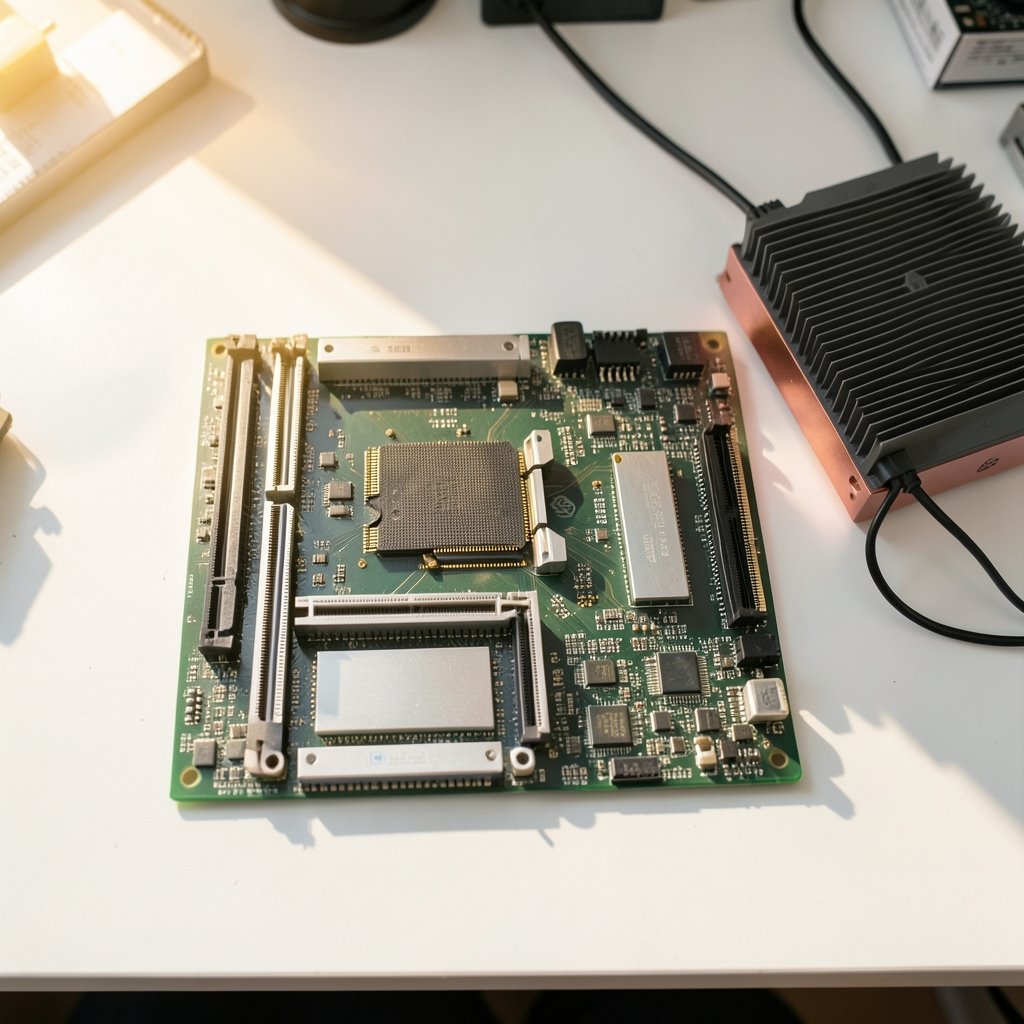
AMD’s desktop Zen 6 chips carry the codename Olympic Ridge, and the headline change is core density. Leaked details reported by Benchmark and others suggest AMD moves from the long-standing eight-core CCD design to 12 cores per CCD. A dual-CCD part would then reach 24 cores and 48 threads, roughly 50% more than today’s Zen 5 flagship.
The manufacturing story is equally ambitious. Expect TSMC’s 2nm-class N2 and N2P processes for the compute dies, paired with a cost-optimized 6nm I/O die. Cache gets generous too: a 24-core model could carry up to 96MB of L3, and 3D V-Cache versions add another 64MB per CCD, with rumors of multi-layer stacked V-Cache. Flagship boost clocks are rumored to approach 7GHz.
| Feature | Zen 5 (current) | Zen 6 (expected) |
|---|---|---|
| Cores per CCD | 8 | 12 |
| Max cores (dual CCD) | 16 | 24 |
| L3 cache | Up to 32MB per CCD | Up to 96MB on 24-core parts |
| Platform | AM5 | AM5 (carried over) |
| Process | TSMC 4nm/3nm class | TSMC 2nm class |
The detail that matters most for buyers is the platform. Zen 6 reportedly stays on AM5, meaning Ryzen 7000 and 9000 owners can drop in a new chip without replacing the motherboard or RAM. In a year when a 64GB DDR5 kit could stay above $500, that upgrade path is worth more than any benchmark gain.
Intel Nova Lake: A Bigger Bet With a Bigger Bill
Intel’s answer is Nova Lake, likely sold as Core Ultra 4000 series. The design splits into two shapes. Single-die versions top out around 28 cores (8P + 16E + 4LPE) for mainstream builds, while dual-die flagships reach 52 cores (16P + 32E + 4LPE). The P-cores use the Coyote Cove design, the E-cores are Arctic Wolf, and everything is built on Intel’s 18A process.
Intel is also chasing AMD’s X3D reputation. Nova Lake is expected to offer large-cache variants with up to 144MB of extra L3 per compute tile, totaling 288MB on the 52-core flagship. To fit all this, Intel moves to the LGA 1954 socket and 900-series chipsets. The company reportedly plans to support that socket for at least four generations.
Timing is staggered rather than simultaneous. Reports point to the first 28-core models arriving in the first quarter of 2027, with 28-core K-series, 16-core, and 8-core parts following in the second quarter. The 52-core halo product may not appear until roughly May through September 2027.
Here’s the catch. Nova Lake requires a new motherboard and new memory. In a market where DDR5 prices are inflated, that full-platform upgrade is a much harder sell than AMD’s drop-in approach. If you’re weighing a full rebuild against a targeted upgrade, the planning logic is similar to any major platform decision, whether that’s deciding what 2027 holds when you’re planning ahead or choosing a software stack you won’t have to rip out later.
The Memory Crisis Is the Real Story
Strip away the spec sheets and one number explains almost everything about 2027 pricing. Memory’s share of a PC’s cost has roughly doubled, from about 15% to around 35%, as AI infrastructure soaks up DRAM and NAND production capacity. Average system prices rose about 14%, and that pushed people to keep their old machines longer.
The practical consequences are specific:
- A 64GB DDR5 kit could easily stay above $500 through 2027, according to discussion on the Broken Silicon podcast.
- Intel’s Nova Lake, which needs a new board and expensive memory, risks a cool reception.
- AM5 owners are far better off installing a Zen 6 chip in their existing board than starting from scratch.
- Anyone building fresh might be wiser to wait for Zen 7 in late 2028.
There’s an unexpected twist. DDR4 is getting a second life as a budget upgrade path, according to Club386’s roundup of six major hardware launches. That’s not glamorous, but it’s honest advice for anyone on a tight budget.
The squeeze isn’t only about PC parts. The same forces are reshaping adjacent markets, which is why solid-state battery technology and the next EV power shift faces similar supply-chain pressure. When AI data centers compete for components, consumer products across the board feel it.
GPUs and Cooling: What Else Changes in 2027
Graphics is the murkiest part of the picture. The research points to NVIDIA’s Rubin architecture ramping on 2nm-class processes during 2027, but consumer graphics card refreshes were cancelled in 2026, leaving a thin year behind and an uncertain one ahead. Digital Foundry’s take is blunt: GPU and memory production quotas are being contested directly by AI corporations, so consumer graphics supply is the least predictable segment.
Cooling is the quieter story. The hardware roundups flag new cooling solutions as one of the six big themes for 2027, which makes sense. A 24-core Zen 6 or 52-core Nova Lake chip dumping heat into a small case demands better airflow and bigger radiators than most people plan for.
Steam’s hardware survey also shows a shift in what counts as mainstream: eight-core CPUs and 16GB of VRAM are becoming the new normal. Game developers are raising the bar at the same time hardware costs rise.
Practical Advice: What Actually Works When You Build
Experience from previous shortage cycles offers clear lessons. Most build mistakes in a year like this come from buying in the wrong order.
Upgrade the CPU first if you’re already on AM5. A drop-in Zen 6 chip avoids new memory, a new board, and a new Windows license. It’s the cheapest meaningful performance jump available.
Don’t buy memory “just in case.” Prices are high and could soften once new capacity comes online near the end of 2027. Buying 64GB now at inflated prices is a bet you probably don’t need to make.
Budget for cooling alongside the chip. People routinely spend on the chip and then reuse a five-year-old air cooler. With core counts climbing, that’s a false economy.
Skip the halo product. The 52-core Nova Lake and the top Zen 6 parts will carry launch premiums. Mid-tier models usually deliver most of the performance for far less.
Check the socket roadmap before you commit. Intel’s LGA 1954 promises at least four generations of support. AMD’s AM5 has already proven its longevity. Platform life is a real financial asset.
If you’re also refreshing the software side of your setup, the same “avoid lock-in” principle applies to your stack, which is why comparisons like WordPress alternatives that actually fit your next site in 2027 and breakdowns of Vite vs Next.js workflow differences that shape your 2027 are worth reading before you commit.
What’s Next After 2027
The year isn’t the end of the story. New memory production capacity is expected to come online late in 2027, easing the supply gap. Combined with the deferred upgrades piling up during the expensive stretch, that sets up what analysts describe as potentially the largest hardware replacement cycle since the pandemic peak, likely landing around 2028.
AMD’s own numbers hint at where the industry’s attention sits. The company reported record quarterly revenue with its data center segment up 97% year over year, and it projected 2027 revenue growth above 80%, with more than 80% of sales coming from data center chips. That doesn’t mean AMD is abandoning gamers. It means the supply pressure and the best silicon will keep flowing toward servers first.
So 2027 is a transition year: expensive, architecturally exciting, and full of reasons to be selective rather than impulsive.
Conclusion
PC hardware in 2027 is a study in contrasts. On one side sit two genuinely ambitious CPU architectures, with Zen 6 pushing 12 cores per chiplet on a familiar AM5 socket and Nova Lake pushing 52 cores on a brand-new platform. On the other side sits a memory market so distorted by AI demand that the supporting parts can cost more than the processor.
The smart play follows from that tension. If you’re already on AM5, a Zen 6 upgrade is the obvious win. If you’re starting fresh, patience and a mid-tier chip will serve you better than chasing the flagship. And if you can wait until the supply picture clears, the payoff may arrive in 2028. Either way, knowing which parts are scarce is half the battle.
FAQ
Will AMD Zen 6 work in my existing AM5 motherboard?
Yes, according to current reports. Zen 6 desktop chips are expected to stay on the AM5 platform, so Ryzen 7000 and 9000 owners should be able to install a new processor without changing boards or memory. That makes it the cheapest upgrade path in a year of high memory prices.
When does Intel Nova Lake actually go on sale?
The launch is staggered. Reports point to the first 28-core models in the first quarter of 2027, followed by K-series, 16-core, and 8-core parts in the second quarter. The 52-core flagship may not arrive until roughly May through September 2027.
Why is DDR5 memory so expensive in 2027?
AI infrastructure is consuming a huge share of DRAM and NAND production capacity. Memory’s share of total PC cost has roughly doubled, from about 15% to around 35%, and average system prices rose about 14%. A 64GB DDR5 kit could stay above $500 through the year.
Is it better to build a new PC or upgrade an existing one?
For AM5 owners, upgrading the CPU is clearly cheaper, since it avoids new memory and a new motherboard. For someone building from scratch, waiting until memory supply improves near the end of 2027, or even until Zen 7 in late 2028, may be the wiser financial call.
What GPU changes should buyers expect in 2027?
Graphics is the least predictable segment. NVIDIA’s Rubin architecture is expected to ramp on 2nm-class processes, but consumer graphics card refreshes were cancelled in 2026, and AI companies are competing directly for GPU and memory production capacity.
Does a higher core count mean I need better cooling?
Practically, yes. With Zen 6 reaching 24 cores and Nova Lake up to 52, heat output rises. New cooling solutions are one of the major hardware themes for 2027, and reusing an old cooler with a high-core chip is a common and costly mistake.