

What if the smartest purchase you make next year is the one you almost skipped because it looked too boring to matter? That question sits at the heart of how people are shopping right now. The era of buying on autopilot, upgrading just because a new model dropped, is fading. What’s replacing it is pickier, more deliberate, and honestly a little more skeptical. Here’s what’s actually moving off shelves for 2027, and how to decide what deserves a spot in your cart.
The Big Shift: Every Purchase Now Needs a Reason
Before getting to specific products, it helps to understand the mood. Research from NIQ, released ahead of the IFA 2026 tech show in Berlin, found that 56% of consumers are delaying purchases, and the firm projects global tech and durables sales will reach about $1.4 trillion in 2026, up 5.1% year over year. The headline finding is blunt: the era of automatic tech and durables upgrades is over.
NIQ describes the new mindset as “justified consumption.” Shoppers no longer ask “can I afford this?” They ask “will I still feel good about this purchase six months from now?” That covers money, but also relevance, durability and quality. The tolerance for redundant features, vague benefits and post-purchase regret has dropped sharply.
Euromonitor International’s 2027 global consumer trends report lands in the same place. It argues shoppers are moving away from pure price-for-performance thinking toward trusted, verified products with stable quality and low risk of failure. One bad experience and a product gets deleted from the basket for good. Euromonitor’s innovation lead put it simply: consumers are looking for confidence that their purchase is “right.”
So the products winning in 2027 share a trait. They’re easy to justify.
Food and Drink: Small, Functional, and a Little Bit Weird
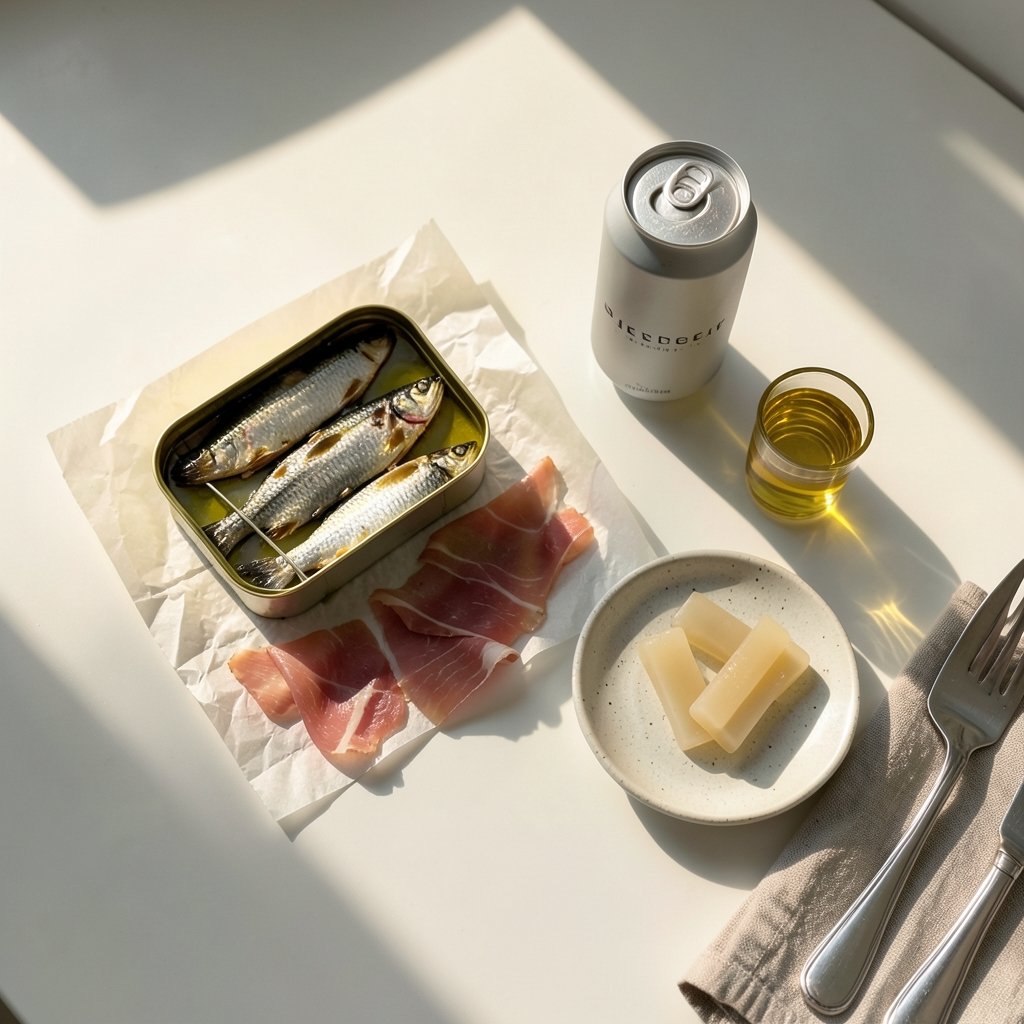
Grocery aisles may be the clearest window into this shift, because food is where people experiment cheaply.
Whole Foods Market released its annual trends report in October 2026, built by its Trends Council, a group that includes foragers, buyers and culinary experts. The Amazon-owned chain predicted eight trends for 2027. Among them: terroir (seeking a “taste of place” and clear product origin), Japanese comfort food, food as skincare, and a rise in bitter flavors. Specific items named include prosciutto, prebiotic soda and sardines, the last rich in omega-3s and vitamin D. (Vw atlas 2027 buyers should realistically expect)
The “food as skincare” trend has picked up its own nickname, “beautrition.” Think collagen jelly sticks, skin glaze gummies, olive oil shots and “drink your sunscreen” products. The line between snack, supplement and skincare is blurring fast, with carrots, cabbage, cucumber and tinned fish riding the wave.
Instacart’s data backs the direction of travel. Looking at grocery categories that grew steadily from January through September 2026, it identified 10 trends. Fruit, but fancy, grew 33%. Bite-size and better-for-you items grew 25%. The Japanese and East Asian pantry grew 24%, with sushi rice up 91% and chili crisp up 67%.
Price and convenience still matter. Industry leaders quoted by The Food Institute expect smaller brands to win on single-serve, grab-and-go formats, and they expect GLP-1 medications to push portion sizes down while pushing protein up. A-She Foods’ CEO told the publication that brands will keep pushing new flavors while offering more better-for-you options.
Should you buy in?
Mostly yes, with one caution. Single-serve and functional foods are low-risk experiments. A $4 tin of sardines or a bag of frozen sushi rice costs less than a bad restaurant meal. The trap is supplement-adjacent beauty snacks, where the marketing outruns the evidence. Treat those as treats, not treatment.
Tech and Durables: Fewer Upgrades, Longer Lifetimes
The tech story for 2027 is less about what’s new and more about what’s worth replacing.
NIQ’s data shows shoppers are consolidating around tight ecosystems of devices that deliver real utility, efficiency and improvement in daily life. They’re buying fewer things but expecting more from each one. That has real consequences for manufacturers: unclear value isn’t just a messaging problem, it’s a revenue risk.
If you’re weighing a tech purchase, the practical test is simple. Write down the specific task the device solves that your current setup handles badly. If you can’t name one, you’re buying on vibes. Waiting a few months rarely costs you anything, and the data suggests plenty of other people are waiting right alongside you.
The same logic applies to bigger-ticket categories. If you’re planning a vehicle purchase, it pays to know what’s realistic before you walk into a showroom, whether you’re looking at what 2027 Toyota Camry buyers should realistically expect or weighing what 2027 Subaru Ascent buyers should realistically expect. Both are worth researching early rather than assuming the next model year solves everything.
The AI Dilemma: Used by Everyone, Trusted by Few
One of the more interesting tensions in the 2027 outlook involves artificial intelligence. Euromonitor calls it the “AI dilemma”: AI has become an essential tool for gathering information, yet relatively few consumers actually trust it.
That gap matters for anyone shopping for AI-powered products. Tools get adopted fast, but loyalty is thin, and buyers are increasingly wary of subscriptions that promise a lot and deliver a generic experience. If you’re considering an AI purchase, the same justification test applies, and it’s worth reading up on what AI chatbot lifetime deals in 2027 actually include before committing to a long contract. Lifetime deals in particular deserve scrutiny, because “lifetime” often means the life of the product, not yours.
Alongside this, Euromonitor notes that taste communities, influencers and friends are gaining influence over purchase decisions. Trust is migrating from brand logos to people you already know.
What’s Winning Across Categories
Here’s a quick map of the products gaining ground and the reason behind each.
| Category | What’s rising | Why it’s selling |
|---|---|---|
| Grocery | Fancy fruit, bite-size snacks, Japanese pantry staples | Small treats feel affordable and low-risk |
| Beverages | Prebiotic soda, functional drinks | Health positioning without a big commitment |
| Beauty and wellness | Collagen sticks, olive oil shots, tinned fish | Blurred line between food and skincare |
| Tech | Fewer devices, deeper ecosystems | Buyers want durability and clear utility |
| AI tools | Chatbots and assistants | Curiosity plus productivity, but low trust |
| Big-ticket items | Cars and appliances | Buyers research hard before committing |
The pattern is consistent. Products that make a clear, specific promise are winning. Products that rely on novelty alone are stalling.
Common Mistakes Buyers Make
A few traps show up again and again, and they’re easy to sidestep once you know them.
Buying the trend instead of the use case. A collagen jelly stick is a fine snack. It is not a skincare routine. If you can’t explain what a product replaces in your day, it probably doesn’t need to be there.
Confusing discount with value. Euromonitor’s research suggests shoppers are moving away from pure price comparison toward verified quality. A cheaper product that fails once gets deleted from your basket permanently, which makes the savings imaginary.
Skipping the research on big purchases. For anything with a multi-year lifespan, the cost of a bad decision is measured in years, not dollars. That’s why it’s worth checking what 2027 VA disability rates look like if you’re planning around benefits, or reviewing which 2027 tax brackets filers should expect, since nothing is final yet on that front. Budget planning without current numbers is guesswork.
Ignoring the calendar. Timing affects price and availability more than most people realize. Knowing which holidays 2027 dates are worth circling before everyone else does can help you buy during quieter, cheaper windows instead of peak demand.
Assuming loyalty pays off. Brands that build trust get repeat business. Brands that miss once often don’t get a second chance. That cuts both ways: your own loyalty deserves to be earned, not assumed.
How to Decide What’s Worth Buying
A simple framework works better than a long checklist.
- Name the job the product does that nothing you own handles well.
- Check whether the benefit is specific or vague. “Supports skin health” is vague. “Contains omega-3s and vitamin D” is specific.
- Estimate how often you’ll actually use it in a normal week.
- Multiply the price by the number of months you expect to keep it, then compare that to the value you’d get.
- Wait a week. If the desire fades, it was a trend. If it holds, it’s a purchase.
This process is slower than impulse buying, but it matches where the market is heading. Consumers are building smaller, tighter ecosystems of things they trust. That’s not frugality for its own sake, it’s a rational response to years of economic volatility.
Where Fraud Fits In
One caution that doesn’t get enough airtime: the same tools making shopping easier are making scams more convincing. AI-generated product pages, fake reviews and too-good-to-be-true deals are all rising. Anyone buying online in 2027 should understand the basics of AI fraud prevention 2027 every consumer should know, especially around payment methods and seller verification.
The rule of thumb is boring but effective. If a deal requires urgency, unusual payment methods, or a seller you can’t verify, walk away. The products everyone is buying are rarely sold through pressure tactics.
Conclusion
The products everyone’s buying in 2027 aren’t the flashiest ones. They’re the ones that survive a simple question: will I still be glad I bought this months from now? That’s why single-serve protein snacks, Japanese pantry staples, functional drinks and carefully chosen tech are all climbing, while automatic upgrades are stalling.
Your own version of that list doesn’t need to match anyone else’s. Start with the job you actually need done, check whether the benefit is specific, and give yourself a week before you click buy. If a product can pass that test, it’s probably worth it. If it can’t, no trend report will save it.
Frequently Asked Questions
What products are expected to be most popular in 2027?
Whole Foods Market’s Trends Council named eight food trends for 2027, including terroir, Japanese comfort food, food as skincare and bitter flavors, with specific items like prosciutto, prebiotic soda and sardines. Instacart data also shows strong growth in fancy fruit, bite-size better-for-you snacks and the Japanese and East Asian pantry. In tech, the shift is toward fewer, more durable devices rather than constant upgrades.
Why are shoppers delaying purchases more than before?
NIQ found that 56% of consumers are delaying purchases, and it describes the end of automatic tech and durables upgrades. The reason is a mindset shift toward “justified consumption,” where buyers ask whether a purchase will still feel worthwhile months later, weighing relevance, durability and quality alongside price.
Are functional beauty foods like collagen sticks worth buying?
They can be enjoyable, but the evidence behind many “beautrition” products is thin. Whole Foods highlights the trend, noting items like collagen jelly sticks and olive oil shots, but these blur the line between snack, supplement and skincare. Treat them as snacks rather than replacements for proven skincare or medical advice.
What is the AI dilemma in consumer trends?
Euromonitor describes the AI dilemma as a situation where AI has become an essential tool for finding information, yet relatively few consumers actually trust it. For buyers, that means AI products get tried quickly but face low loyalty, so long-term commitments like lifetime deals deserve extra scrutiny.
How can I tell if a trending product is worth the money?
Name the specific job it does that nothing you own handles well, check whether the claimed benefit is concrete or vague, estimate how often you’ll use it, and wait a week before buying. If the desire fades, it was a trend rather than a need.
Should I worry about scams when buying trending products online?
Yes. Fake product pages, fabricated reviews and pressure-driven deals are increasingly common. Verify the seller, avoid unusual payment methods, and treat urgency as a warning sign rather than a reason to hurry.



