A memorable park trip can mean watching geysers erupt, walking beneath giant trees, or looking across a desert canyon. Planning one takes more than picking a pretty view: your available days, travel style, and time of year all shape the experience.
A recreation visit is one recorded entry to a park or other National Park System unit for recreation, not necessarily one unique person. This list is a set of scenic choices, not an objective ranking. Some parks suit long hikes, while others reward scenic drives and short walks.
Summer opens some high-country roads and trails, while spring and fall can bring milder weather to lower places. Access, lodging, and distances between sights can matter as much as the scenery. The right choice depends on what you want from your days outdoors and how much travel you can fit in.
Choose the kind of landscape you most want to experience before comparing dates and logistics.
Key Takeaways
- Choose a park by scenery, season, and the time you have.
- Yosemite suits many first-time visitors seeking famous views.
- Mountain parks often offer their broadest access in summer.
- Low visitor counts do not always mean easy access.
- Check current conditions and entry rules before you book.
Which Are the Best National Parks to Visit for Iconic Scenery?
For a first visit focused on iconic scenery, start with Yellowstone, Yosemite, the Grand Canyon, or Zion, then choose by the experience you want most. Each park feels different, from wildlife and hot springs to canyon walks and river trips.
Yellowstone is a strong first choice for geothermal sights and wildlife. Yosemite and the Grand Canyon suit travelers seeking immense views, while Zion brings red cliffs close to accessible walks and challenging trails.

Yellowstone pairs hydrothermal features with wildlife
Yellowstone combines hot springs, geysers, and wildlife across a vast area. Old Faithful is its best-known geyser, and the park’s hydrothermal features give visitors plenty to see between drives.
Wildlife sightings depend on place and time, so give animals room and watch from a safe distance. For travelers who want varied stops rather than one landmark, Yellowstone’s mix of natural features makes a full trip rewarding.
Yosemite and the Grand Canyon deliver dramatic scale
Yosemite’s granite cliffs and waterfalls make its valley an unforgettable first stop. El Capitan and Half Dome rise above the valley, while Yosemite Falls adds a striking view during its flowing season.
The Grand Canyon offers a different kind of scale, with layered rock and broad views that change with the light. You can choose among hikes of different lengths or see the canyon from the Colorado River on a rafting trip.
Zion makes red-rock scenery accessible
Zion pairs towering red-rock walls with the Virgin River. Angels Landing and The Narrows are famous hiking choices, though one is demanding and the other involves walking in the river.
You do not need a strenuous hike to enjoy Zion. The canyon shuttle and shorter walks bring you close to its red-rock scenery.
Ride the canyon shuttle, pause at viewpoints, or take a short riverside walk before deciding whether a longer trail suits you. Among the most beautiful U.S. parks, a subjective shortlist includes Yellowstone, Yosemite, Grand Canyon, Zion, Glacier, Grand Teton, Olympic, Acadia, Rocky Mountain, and Bryce Canyon.
At Yosemite, Tunnel View gives a classic valley panorama without requiring a hike.
Which Mountain Parks Make the Best Summer Trips?
For high alpine scenery and summer access, Glacier, Rocky Mountain, and Grand Teton are strong starting points; choose Denali for a more remote wilderness trip. Summer opens key routes in several mountain parks, but conditions still shape what you can reach.
Choose by how you want to spend your days: driving, hiking, or watching wildlife. Mount Rainier offers mountain views with options for shorter walks, while Denali visitors commonly see the park from a narrated bus tour.
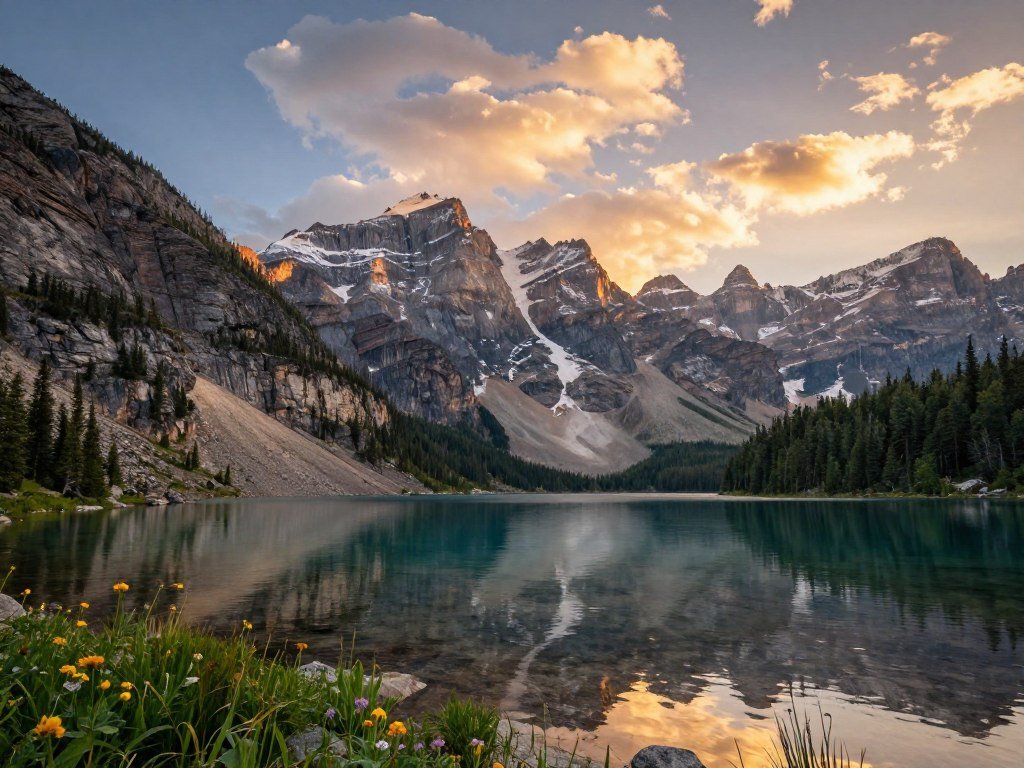
| Park | Setting | Signature experience | Best fit |
|---|---|---|---|
| Glacier | Alpine lakes | Going-to-the-Sun Road | Mountain hiking and lakes |
| Rocky Mountain | High peaks | More than 350 trail miles | Hiking and scenic drives |
| Grand Teton | Jagged peaks | Cascade Canyon access | Mountain views and hikes |
| Mount Rainier | Volcanic mountain | Paradise and Sunrise areas | Mountain scenery and shorter hikes |
| Denali | Remote wilderness | Denali Park Road | Remote scenery and wildlife viewing |
Glacier has more than 700 lakes, and its Going-to-the-Sun Road offers a dramatic way through the mountains when open. Check road access before you set a route, since seasonal openings affect which parts of the park you can reach.
Rocky Mountain National Park has more than 350 miles of trails, as well as Trail Ridge Road. Grand Teton has more than 250 miles of trails, including routes into Cascade Canyon for close views of its jagged peaks.
At Mount Rainier, Paradise and Sunrise are popular areas for mountain scenery and day walks. Denali offers a more remote experience, and narrated bus tours are a common way to travel along the Denali Park Road.
Check each park’s current road and trail conditions before building a mountain itinerary.
Where Can You See Forests, Coastlines, and Wildlife?
Choose Olympic for a single trip that can include rain forest, mountain views, and ocean coastline. Its variety is the draw: separate areas bring very different scenery into one park visit.
Olympic suits travelers who want more than one kind of landscape. Acadia is a focused choice for Maine’s rocky coast, while Great Smoky Mountains fits woodland walks, flowers, and wildlife viewing.

| Park | Landscape | Named highlight | Best fit |
|---|---|---|---|
| Olympic | Rain forest and Pacific coast | Hoh Rain Forest | Varied ecosystems |
| Acadia | Rocky Maine coastline | Cadillac Mountain and Park Loop Road | Coastal scenery and scenic driving |
| Great Smoky Mountains | Forest and flowering plants | More than 1,500 types of flowers | Wildlife and woodland walks |
Olympic’s different environments make it a flexible choice, but travel between its areas takes time. Hurricane Ridge offers mountain views, the Hoh Rain Forest feels lush and shaded, and the Pacific coast adds a very different shoreline.
Acadia’s 27-mile Park Loop Road connects many coastal stops, and Cadillac Mountain is a well-known high point. Build in time to get out of the car and walk, rather than treating the park as one scenic drive.
Great Smoky Mountains offers forest trails, wildlife viewing, and more than 1,500 types of flowers. The park fits travelers who want woodland scenery and room for short hikes among changing plant life.
In Acadia, plan time for both a coastal drive and a walk rather than treating the park as a single overlook.
Which Red-Rock Parks Belong on Your List?
For a Utah red-rock trip, pair Arches’ natural arches with Bryce Canyon’s hoodoos; choose Big Bend for desert scenery mixed with mountains and a river canyon. The rock shapes set the mood, from sweeping sandstone to packed spires.
Arches, Bryce Canyon, and Big Bend each offer a distinct desert trip. Consider drive time and heat alongside your interest in hiking, photography, or views from the road.
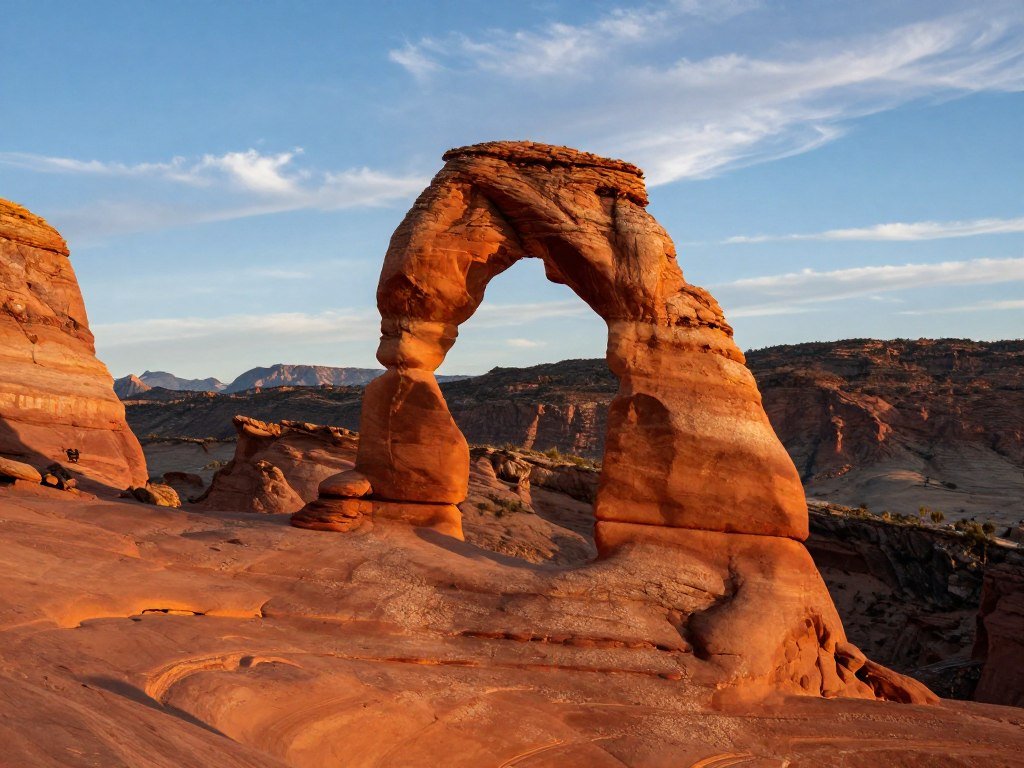
| Park | Landscape | Named highlight | Best fit |
|---|---|---|---|
| Arches | Red-rock arches | Delicate Arch | Sandstone formations |
| Bryce Canyon | Hoodoo-filled amphitheaters | Bryce Amphitheater | Unusual rock shapes and photography |
| Big Bend | Desert, mountains, and canyon | Chisos Mountains and Santa Elena Canyon | Desert and mountain scenery |
Arches has more than 2,000 natural arches, including Delicate Arch. The National Park Service explains how Arches’ natural formations develop as sandstone changes over time.
Bryce Canyon is known for its many hoodoos, tall rock spires gathered in broad amphitheaters. Walk along the rim for wide views or descend into the formations on a canyon trail.
Big Bend offers a wider mix, with the Chisos Mountains rising above desert terrain and Santa Elena Canyon cut by the Rio Grande. Utah’s Mighty Five are Arches, Bryce Canyon, Canyonlands, Capitol Reef, and Zion, all in Utah.
Carry water and plan demanding desert walks for cooler parts of the day.
What Should a First-Time National Park Trip Include?
For most first-time visitors seeking iconic scenery and a mix of easy-to-access highlights, Yosemite is a strong all-around choice. It offers a range of views and activities, so you can shape the trip around your pace.
The United States has 63 designated national parks. There is no official best-to-worst order, since a park’s fit depends on your interests, season, and access.
Yellowstone is a better match when wildlife and geothermal features top your list. Great Smoky Mountains suits an eastern forest trip, with woodland scenery and wildlife viewing close to many walking routes.
A scenic, subjective U.S. top 10 could include Yellowstone, Yosemite, Grand Canyon, Zion, Glacier, Grand Teton, Olympic, Acadia, Rocky Mountain, and Bryce Canyon. Treat the list as a starting point, not a universal ranking for every traveler.
Before you book, make three choices:
- Decide which scenery you most want to see.
- Set the number of days you can spend away.
- Be honest about your comfort with driving or hiking.
Those choices help you avoid planning a trip that looks exciting on paper but feels rushed on the ground. A park with a famous name may not suit a short visit if it requires long drives between its main sights.
Pick one main park experience rather than trying to cover several distant regions in a single short trip.
Which Parks Draw the Most Visitors?
Great Smoky Mountains National Park was the most visited U.S. national park in 2025, followed by Zion and Yellowstone. Attendance can hint at demand, but it does not show whether a park will suit your trip.
The National Park Service recorded 323 million recreation visits in 2025, down 8.85 million, or 2.7%, from 2024. The national park rankings below are separate from totals across the broader National Park System.
The most-visited parks in 2025
Here are the five highest annual counts among national parks. Each recreation visit records an entry for recreation, not one unique person.
| Rank | Park | 2025 recreation visits |
|---|---|---|
| 1 | Great Smoky Mountains | 11.5 million |
| 2 | Zion | 4.9 million |
| 3 | Yellowstone | 4.7 million |
| 4 | Grand Canyon | 4.4 million |
| 5 | Yosemite | 4.2 million |
Rocky Mountain ranked sixth with 4.1 million recreation visits, followed by Acadia with 4 million. Grand Teton drew 3.8 million, Olympic drew 3.5 million, and Glacier had 3.1 million.
The full National Park Service 2025 visitation report counts 406 of 433 National Park System units that report visitor use. It recorded 1.39 billion visitor hours, down 0.7% from 2024, and overnight stays fell 2.4%.
What the national visitation totals mean
A visit count tracks recorded entries, so one person may account for more than one recreation visit. The 323 million total covers National Park System units, while the rankings above compare national parks only.
In 2025, 26 parks, or 6% of reporting parks, set annual visit records. Attendance is useful context for a 2026 trip, but it is not a measure of scenic quality or a forecast for one trail or day.
Use attendance as a clue about potential busyness, then check the park’s current conditions for your travel dates.
Where Can You Escape the Biggest Crowds?
Kobuk Valley was the least-visited U.S. national park in 2025, with 7,786 recreation visits. Low attendance comes with a tradeoff: remote parks may require more planning and a less familiar way of traveling.
The five least-visited national parks in 2025 were all remote choices, except Isle Royale in Michigan. The first four entries below are Alaska parks, while Isle Royale had the fewest visits among parks in the Lower 48.
From fewest visits upward:
- Kobuk Valley: 7,786 recreation visits.
- Gates of the Arctic: 14,923 recreation visits.
- Lake Clark: 19,778 recreation visits.
- Isle Royale: 29,091 recreation visits.
- Katmai: 34,479 recreation visits.
These parks draw fewer entries than the most popular destinations, but lower counts do not mean easier access. Alaska’s large, remote parks can call for a self-directed trip and careful travel planning.
Isle Royale is in Michigan, yet it also takes more effort to reach than many Lower 48 parks. A low visitor count can reflect the work of getting there, not simply a quiet trail or empty parking lot.
Choose a remote park for the experience it offers, not just for the promise of fewer people.
When Is the Best Time to Visit Each Park?
For Zion, April, May, September, and October are the best months to balance comfortable weather with more manageable crowds. Your best season depends on the park’s elevation, open roads, and the kind of outdoor time you want.
Summer favors high-country access, while winter suits many southern parks. Popular places can still feel busy in peak season, so match your dates to the experience you want rather than assuming every park shares one ideal month.
Summer opens high-country parks
Glacier, Denali, Kenai Fjords, and Mount Rainier are strong summer choices when their roads and access points are open. Longer days also give you more time for mountain hiking and scenic drives.
Summer is a busy season at popular parks, and open routes can draw heavy use. A scenic road may be the main event for one visitor, while another may spend the day on a trail or near a lake.
Spring and fall balance conditions and crowds
Zion’s spring runs from March through May, and fall lasts from September through November. April, May, September, and October often bring comfortable weather and more manageable crowds.
Zion’s summer temperatures can exceed 100°F, and July is its busiest month. Spring and fall can be more comfortable for walking, though weather and trail conditions still change by day.
In Zion, winter runs from December through February. Icy patches can form on trails, and some facilities may close, so a winter visit calls for flexible plans.
Winter favors milder southern destinations
Death Valley, Big Bend, Saguaro, Dry Tortugas, Everglades, and Virgin Islands are options for a winter trip. Their lower-latitude settings can make them appealing when high mountain routes are closed or cold.
Choose based on the activities you want, since a mild destination can still have changing conditions. A winter trip also lets you focus on desert views, coastal areas, or warm-weather walks rather than high-country access.
Check seasonal road, trail, and facility status shortly before setting out.
What Do National Park Passes Cover?
The $80 resident annual pass is the standard America the Beautiful option for eligible U.S. citizens and residents. Other pass types can suit nonresidents, seniors, military members, fourth graders, and eligible volunteers.
America the Beautiful passes cover entrance fees and standard day-use amenity fees at federal recreation sites. A standard national-park entrance pass covers one park for 1-7 days, so the right choice depends on eligibility and how often you visit.
Choose a pass for your eligibility
| Pass | Eligibility | Price | Term |
|---|---|---|---|
| Resident annual | U.S. citizens and residents | $80 | Annual |
| Nonresident annual | Nonresidents | $250 | Annual |
| Senior annual | U.S. citizens and residents aged 62 or older | $20 | Annual |
| Senior lifetime | U.S. citizens and residents aged 62 or older | $80 | Lifetime |
| Military annual | Current U.S. military members and dependents | Free | Annual |
The Access Pass is free for eligible U.S. citizens and residents with a permanent disability. The 4th Grade Pass is free for U.S. fourth graders.
Federal recreation-site volunteers can qualify for a Volunteer Pass after 250 service hours. The National Park Service pass rules explain pass types, covered fees, and use requirements.
Know which fees the pass covers
An America the Beautiful pass covers entrance fees and standard day-use amenity fees at federal recreation sites. It does not make every possible charge disappear, so check the fees tied to the places and services you plan to use.
A standard national-park entrance pass covers one park for 1-7 days. If you plan to visit several federal recreation sites, an annual pass may fit better than buying separate entrance passes.
Keep the pass valid during your trip
America the Beautiful passes last one year or a lifetime, depending on the option. Each use requires valid photo identification, and the pass must match the traveler’s eligibility.
Passes are nonrefundable and nontransferable. They cannot be replaced if lost or stolen, so keep yours secure during travel.
Confirm that the pass matches the travelers’ eligibility and carry valid photo identification with it.
When Do National Parks Require Reservations?
A park reservation, an entrance pass, and a trail permit solve different access requirements. Check each separately: most National Park Service-managed sites are free, while some charge entry fees and some busy areas require a reservation.
Angels Landing in Zion requires a trail permit, separate from park entry. An entrance pass does not replace a reservation or permit for a specific area or activity.
Some high-traffic sites may require reservations in addition to any entrance fee. Rules can apply to a park, a road, a timed entry period, or one popular activity, so the exact requirement depends on where you plan to go.
Before your visit, check:
- The park’s current entry rules.
- The specific trail or area permit rules.
- Whether lodging or campground bookings satisfy a separate entry requirement.
Make these checks for your chosen travel dates. A campground or lodging booking does not automatically cover every entry rule, and a trail permit does not serve as park admission.
Recheck the official park page before departure because entry rules can change by date and area.
Is Bryce or Zion Better for Your Trip?
Choose Zion for a broader range of canyon experiences, and Bryce Canyon for its distinctive hoodoo scenery and amphitheater trails. Both suit a Utah trip when you have enough time to visit more than one park.
Zion is the better fit for varied walks and iconic hikes; Bryce Canyon is the pick for unusual formations. Your choice comes down to whether you want river and canyon routes or walks among hoodoos.
| Choice | Landscape | Signature experience | Best fit |
|---|---|---|---|
| Zion | Red-rock canyon and Virgin River | Angels Landing and The Narrows | Varied walks and iconic hikes |
| Bryce Canyon | Hoodoos and Bryce Amphitheater | Rim or canyon walks | Unusual formations and hiking |
| Both parks | Contrasting Utah red-rock scenery | Two distinct park visits | Travelers with time to explore more than one park |
Zion has red-rock cliffs, river walks, and hiking routes that range from short outings to strenuous days. The Virgin River shapes the canyon setting, and The Narrows offers a walk through the river itself.
Bryce Canyon puts its hoodoos front and center. Walk along the rim for wide views or take a trail into the Bryce Amphitheater to see the rock formations from below.
The drive between Zion and Bryce is not inherently scary for a confident driver. It includes winding sections, and your comfort behind the wheel and current road conditions matter.
If winding roads make you uneasy, check the route and conditions in advance and allow extra time.
How Should You Plan the Practical Details?
Rocky Mountain National Park is a practical gateway choice for travelers flying into Denver, while Dry Tortugas requires a ferry or seaplane from Key West. Access shapes the day, especially when the trip includes long drives or boat travel.
Plan for the time between your gateway, park entrance, and trailhead. A nearby city or airport is only the start of the route, not the full travel time inside a large park.
Match the gateway to the park
Denver is about 65 miles southeast of Rocky Mountain National Park, which makes it a useful starting point for travelers flying into the city. Check the route and account for the distance before setting an arrival-day schedule.
Seattle-Tacoma International Airport is about 140 miles from Olympic National Park. Olympic’s separate areas also mean the drive to one part of the park may not work for another day’s plans.
Dry Tortugas is about 70 miles from Key West and is reached by ferry or seaplane. That extra leg makes it important to plan transport before building the rest of the visit.
Leave room for travel inside the park
Park maps help you judge the distance between entrances, viewpoints, and trailheads. Check road conditions and leave time for internal driving, especially when one day includes several separate stops.
Cell service may be limited in some areas, so download maps before you enter. Keep your schedule realistic, with enough room for road delays and the time it takes to reach a walk.
Use this pre-trip checklist:
- Transport to the park and between park areas.
- Lodging near your planned activities.
- A park map saved for offline use.
- Water and weather-appropriate layers.
- Current road conditions for your route.
Save offline directions before entering a remote area where cell service may be limited.
How Can You Enjoy Parks Responsibly?
A good park visit protects the place and gives wildlife room to behave naturally. Small choices matter, from staying on marked trails to keeping a safe distance from animals.
Leave No Trace’s seven principles offer a framework for reducing your impact. Stay on established trails, pack out trash, and follow park rules to protect plants, wildlife, and other visitors.
Bears and bison are wild animals, even when they seem calm near roads or visitor areas. Follow the distance guidance set by the park, never approach or feed them, and use binoculars to watch from farther away.
Give other visitors room to enjoy quiet places, too. Keep noise low on trails and leave natural objects where you find them, so the next person sees the same setting.
Recreational drone flights are prohibited on National Park Service lands. For broader drone flight rules at scenic spots, check the site’s land rules as well as local flight restrictions.
Wildlife should never have to change its behavior for a visitor’s photo. Keep the distance the park requires, even when an animal looks close.
Before approaching an animal for a photo, stop and increase your distance instead.
Conclusion
The right park for your trip is the one whose landscape, season, and access fit the experience you want. Your available time matters too, since a long drive can leave less room for hiking or quiet stops.
Choose one park, check its current official conditions and entry requirements, then make transport and lodging plans. A few careful checks now can help your days outside feel less rushed.
Choose your park and check its official conditions for your dates before booking the rest of the trip.
FAQ
What is the best national park to visit for the first time?
Yosemite is a strong all-around first pick for iconic scenery and a range of experiences. Its famous valley views give new visitors an easy place to start, while longer walks are there for those who want them. Choose Yellowstone if geothermal features and wildlife matter most, or Great Smoky Mountains for forest scenery.
How many national parks are there in the US?
The United States has 63 designated national parks. That count refers to national parks, not every National Park Service site or National Park System unit. The broader system includes many types of protected places, such as historic sites, monuments, and recreation areas. Keep the distinction in mind when comparing park counts and visitation totals.
What are the top 5 least visited national parks?
The five least-visited national parks in 2025 were Kobuk Valley, with 7,786 visits; Gates of the Arctic, with 14,923; and Lake Clark, with 19,778. Isle Royale had 29,091 visits, while Katmai recorded 34,479. The first three and Katmai are in Alaska; Isle Royale is in Michigan.
Where are the big 5 national parks?
The Utah Mighty Five are Arches, Bryce Canyon, Canyonlands, Capitol Reef, and Zion. All five are in Utah, and each offers a different version of the state’s red-rock scenery. You can visit more than one on a longer trip, but allow time for the drives between parks and for exploring each one.
Is Bryce or Zion better?
Zion is better for varied canyon experiences, river walks, and signature hikes. Bryce Canyon is the stronger fit if hoodoos and amphitheater trails are the main draw. Both parks offer striking red-rock scenery, so your available time can decide the choice. If you can spend longer in Utah, visiting both gives you a clear contrast.
What are the top 3 most visited national parks?
Great Smoky Mountains, Zion, and Yellowstone were the three most-visited U.S. national parks in 2025. Great Smoky Mountains led with 11.5 million recreation visits, followed by Zion with 4.9 million and Yellowstone with 4.7 million. Visit totals record entries, not the number of unique people who came through a park.
Is the drive from Zion to Bryce scary?
The drive from Zion to Bryce is not inherently scary for a confident driver. The route includes winding sections, so comfort behind the wheel and current road conditions matter. Give yourself extra time rather than rushing through unfamiliar roads. If sharp turns or mountain driving make you nervous, review the route before setting out.
What’s the best month to go to Zion?
April, May, September, and October often balance comfortable weather with more manageable crowds in Zion. Spring runs from March through May, and fall lasts from September through November. Summer can bring temperatures above 100°F, and July is the park’s busiest month. Winter may bring icy trail patches and some facility closures.