
A supplement aisle full of pink labels can make it seem as if every woman needs a different formula. But a probiotic for women still needs a clear purpose. You may be comparing products for digestive comfort, vaginal health, or changes tied to a life stage. The useful starting point is the concern you want to address, not the color of the bottle or a broad promise on the front.
Probiotics are live microbes found in some foods and supplements. Their possible benefits depend on the product and the health goal. A label that says “women’s formula” does not tell you which microbes it contains, or whether they have been studied for your concern. This guide offers practical ways to compare those details and set realistic expectations. Choose for a specific need, not a label alone.
Women’s health needs can differ, but that does not mean everyone needs a separate supplement. Your age, symptoms, diet, medicines, and health history may all shape the choice. A clear goal can help you sort useful details from broad marketing claims.
Key Takeaways
- Start with one health goal, such as digestive comfort or vaginal health.
- Check the full strain name, dose, and storage directions.
- A higher CFU count alone does not prove stronger results.
- Products with different units cannot be compared by count alone.
- Ask a clinician about supplements when symptoms or medicines complicate the choice.
Treat a product’s “women’s” label as a starting point for comparison, not proof that it fits your needs.
How to Choose the Best Probiotic for Women
For an everyday, budget-conscious shortlist, start with Renew Life Women’s Care, then compare Garden of Life for its CFU count, Seed for its AFU count, and O Positiv for a vaginal-health focus. Start with your goal, since a probiotic’s name or count cannot show whether it suits a particular concern.
A strain is a distinct variant within a microbial species, identified by an additional name or code. The full strain designation connects a product to evidence for that exact strain. Two strains from the same species may have different research results, so species names alone are not enough.
Choose a product only when its exact strain, dose, and storage directions fit your goal.
Match the strain to the goal
When choosing a probiotic, look for the full genus, species, and strain name. Then check whether that exact combination has been studied for the health goal you have in mind. Renew Life Women’s Care is a practical budget option for everyday use. Garden of Life Once Daily Women’s Probiotic is a choice to compare for its high CFU count.
Seed DS-01 Daily Synbiotic lists active fluorescent units, or AFU, rather than CFU. O Positiv URO Vaginal Probiotic may suit a vaginal-health comparison, but its strain and evidence need separate review. It is not a proven treatment for an infection.
Read the dose and quality details
CFU means colony-forming units, a count of living microbes that can grow under set conditions. A higher CFU count alone does not establish greater effectiveness. Check whether the stated amount is guaranteed through the expiration date or only at manufacture.
Also review the serving dose, storage instructions, and independent testing details. The label should make clear how many capsules or servings provide the listed amount. Choose the product whose exact strain, dose, and storage requirements you can verify and follow.
Which Probiotic Products Fit Different Budgets and Doses?
Renew Life has the lowest per-serving price among these ten products, while the products differ in count, unit, and capsule dose. Prices below reflect 2026 and compare serving cost rather than bottle price. A serving may require one or two capsules.
AFU and CFU are different units, so their counts are not directly interchangeable. The figures help compare each label’s stated dose, not predict which product will work best.
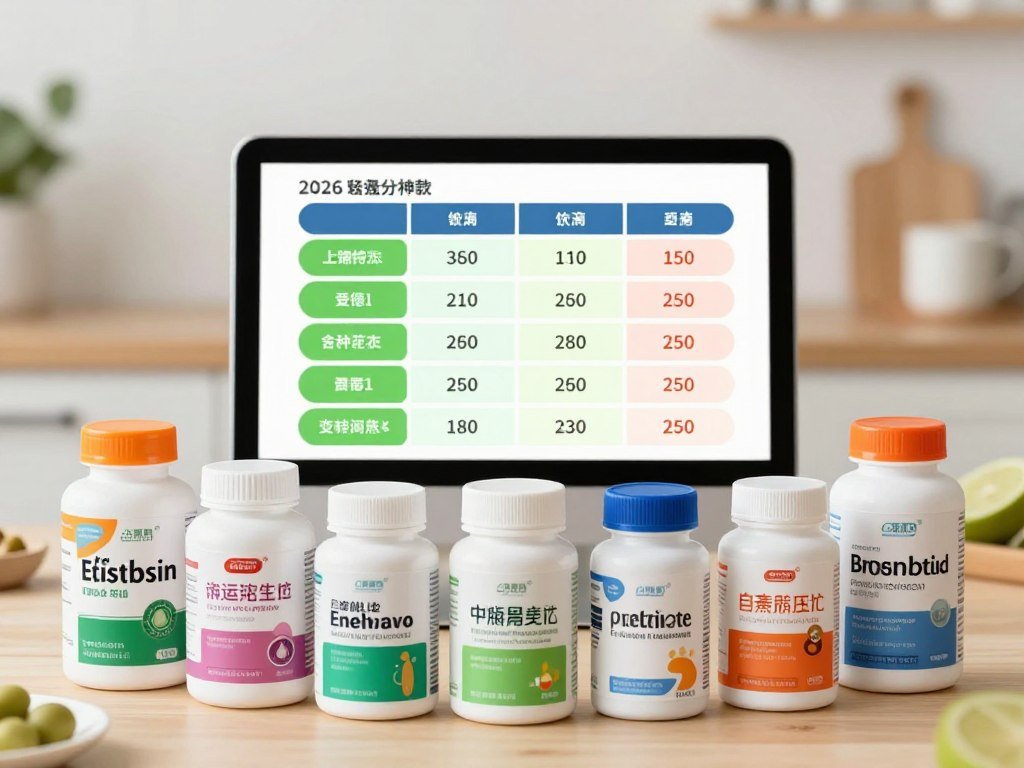
| Product | Price per serving | Count and unit | Capsule dose |
|---|---|---|---|
| Garden of Life Once Daily Women’s Probiotic | $1.07 | 50 billion CFU | 2 capsules |
| Renew Life Women’s Care Probiotic | $0.67 | 25 billion CFU | 1 capsule |
| Seed DS-01 Daily Synbiotic | $1.66 | 53.6 billion AFU | 2 capsules |
| HUM Nutrition Private Party | $0.87 | 10 billion CFU | 1 capsule |
| Culturelle Women’s 4-in-1 Protection | $0.92 | 15 billion CFU | 1 capsule |
The 2026 serving prices and doses make it easier to compare the listed products on the same basis. Five more options show a wider range of costs and serving sizes:
- Mindbodygreen Probiotic+: $2.67 per serving, 32 billion CFU, 1 capsule.
- Ritual Synbiotic+: $2.00 per serving, 11 billion CFU, 1 capsule.
- Ora Lady Bugs Women’s: $1.50 per serving, 16 billion CFU, 2 capsules.
- O Positiv URO Vaginal Probiotic: $1.06 per serving, 5 billion CFU, 2 capsules.
- Thorne Women’s Daily Probiotic: $1.16 per serving, 10 billion CFU, 1 capsule.
Compare the serving cost with the dose you would actually take, not just the bottle price. Prices and counts describe the label, not the product’s fit for a health concern.
Can Probiotics Ease Digestive Issues or Constipation?
A small 28-day trial found more complete spontaneous bowel movements with its multi-strain probiotic, but the older-adult evidence is very low quality. The study results differ by population and design, so they do not establish a single best product for everyone.
In a randomized, double-blind, placebo-controlled trial, 132 adults with chronic constipation took part, and 100 completed the per-protocol analysis. At day 28, the probiotic group averaged 4.53 complete spontaneous bowel movements per week, compared with 2.40 for placebo.

At week four, 88% of the probiotic group met the study’s responder definition, compared with 26% of the placebo group. Day-28 bloating scores were 0.70 with the probiotic and 2.60 with placebo. These results came from this trial’s specific product and participants.
What constipation trials show
A 2023 meta-analysis reviewed six randomized trials with 444 adults aged 60 or older. Probiotics increased stool frequency by a mean difference of 1.02 versus placebo, but the evidence quality was very low.
The analysis found no significant differences in evacuation effort, manual maneuvers, or adverse-event rates. A review of constipation research also describes varied results across strains, with questions about dose and treatment length still open. A review of constipation trials discusses those limits.
Constipation risk with GLP-1 medicines
About 10% to 20% of people taking GLP-1 receptor agonists develop constipation, with higher rates among those with a history of it. About half of people with advanced constipation before treatment report worse bowel movements after starting one.
These medicines can delay stomach emptying and alter gut motility. Older adults, people with prior constipation, and people with longstanding or poorly controlled diabetes face higher risk, especially with neuropathy. Anticholinergics, antimuscarinics, opioids, calcium channel blockers, and ondansetron can add to constipation risk.
The best probiotic for women taking a GLP-1 cannot be identified from CFU count alone. New or worsening constipation on these medicines merits a clinician’s review of symptoms and medications. Report worsening constipation promptly if it begins after a GLP-1 dose change or alongside severe symptoms.
Which Probiotics Support Vaginal Health and pH?
A Lactobacillus-led vaginal microbiome is common during reproductive years, but a supplement is not a proven substitute for diagnosis or infection treatment. Exact strains matter more than a high count or a product name when choosing for vaginal health.
The vaginal microbiome is the community of microbes that lives in the vagina. Four of the five common community types in reproductive-age women are led by Lactobacillus crispatus, L. gasseri, L. iners, or L. jensenii. Lactobacilli make up about 70% of the vaginal microbiome during these years.

Some healthy women have a Bifidobacterium-led microbiome, reported in 5% to 10% of reproductive-age women. Lactobacillus species make lactic acid, which helps keep vaginal pH near 4.5 or lower.
What Lactobacillus means for vaginal balance
The best probiotic for women for pH balance is a strain-specific choice, not simply the product with the largest number. Strains to consider while shopping include:
- L. acidophilus, with strain-specific evidence still developing.
- L. reuteri, with strain-specific evidence still developing.
- L. rhamnosus, with strain-specific evidence still developing.
What oral and vaginal products have shown
Small oral trials offer early signs, but they do not prove that supplements prevent or treat infections. In 64 healthy women, oral L. rhamnosus GR-1 plus L. fermentum RC-14 for 60 days increased vaginal lactobacilli counts versus placebo.
In another trial, 112 healthy women took oral L. plantarum Probio87 for 12 weeks. Their Nugent scores fell versus placebo. Evidence remains limited on whether probiotics restore vaginal Lactobacilli or Bifidobacteria in a way that improves health or treats infection.
Small trials of vaginal probiotics for bacterial, yeast, and sexually transmitted infections have not shown enough effectiveness for FDA clearance. About half of women experience bacterial vaginosis recurrence within six months of antibiotic therapy, but supplements are not a proven fix.
Odor, itching, burning, or unusual discharge calls for medical evaluation. New or recurring vaginal symptoms need clinical assessment rather than repeated self-treatment with supplements.
Should You Take Probiotics With Antibiotics?
Probiotics have evidence for preventing antibiotic-associated diarrhea, but that does not establish that they restore the microbiome after treatment. These are different goals, and the evidence is stronger for diarrhea prevention.
A 2025 Cochrane review found that probiotics can help prevent Clostridioides difficile-associated diarrhea in adults and children. Large Cochrane meta-analyses also found clinical benefits for preventing antibiotic-associated diarrhea in both groups.
Preventing antibiotic-associated diarrhea
Antibiotics can affect gut bacteria, including microbes that support normal digestion. Probiotics may reduce some diarrhea risk, but the best probiotic for women taking antibiotics is not a universal product recommendation. The purpose, exact preparation, and your health history matter.
Ask the prescribing clinician or pharmacist about the specific antibiotic and supplement. They can help you consider the product and timing, especially if you take other medicines or have a complex health history.
Restoring the microbiome after a course
Evidence that probiotics restore gut microbiome composition after antibiotics is weak. Preventing diarrhea during treatment does not prove that a supplement returns gut bacteria to their earlier balance after the course ends.
One 2018 study found delayed recovery in just eight people in the probiotic arm. It tested one preparation with one intensive antibiotic regimen, so the result cannot settle what happens with other products or treatment plans.
Diarrhea prevention and microbiome recovery are separate outcomes. Ask the prescribing clinician or pharmacist whether a probiotic is appropriate alongside the specific antibiotic and health history.
What Changes After 40 or During Menopause?
Turning 40 or entering menopause does not by itself identify a strain or dose that will help. Your concern matters more than age alone when deciding whether to use a supplement.
The best probiotic for women over 40 depends on the symptom or health goal being addressed. Age does not establish a need for a separate formula, and a product’s “women’s” label does not explain its evidence.
Life-stage changes and the microbiome
Hormone levels and the vaginal microbiome can change across life stages. Those changes do not point to one product that works for every person. The useful question is whether a particular strain has been studied for the concern you want to address.
Claims about sexual function or menopause quality of life need close attention to the people enrolled and the outcomes measured. A small trial in women with a specific concern cannot establish broad benefits for all women at midlife.
What one women’s trial found
A 2026 randomized, double-blind trial assigned 64 premenopausal and menopausal women with sexual dysfunction to daily Lactobacillus acidophilus or placebo for eight weeks. Each probiotic capsule contained 3 × 10⁹ CFU.
After eight weeks, the median total Female Sexual Function Index score was 19.1 with the probiotic and 18.2 with placebo. Mean total Menopause Quality of Life scores were 25.1 and 30.9, respectively.
Those findings come from a small study of women with sexual dysfunction, not proof of a general menopause benefit. Persistent symptoms deserve a discussion about their cause and care options. Match a menopause-related supplement decision to a specific symptom and discuss persistent symptoms with a clinician.
Can Probiotics Help With Weight Loss?
The pooled weight difference was modest, and the same analysis did not find significant changes in total cholesterol or triglycerides. The average change was small, not a dependable result for every person.
A 2026 meta-analysis of 12 randomized trials found a mean body-weight difference of −0.52 kg in overweight or obese adults. The trials were predominantly from East Asia, and intervention details changed results.
| Outcome | Mean difference | 95% confidence interval |
|---|---|---|
| Body weight | −0.52 kg | −0.90 to −0.13 |
| Total cholesterol | −2.94 | −6.05 to 0.17 |
| Triglycerides | −6.77 | −14.58 to 1.05 |
The analysis found no significant effects on total cholesterol or triglycerides. The 2026 weight-management meta-analysis also found that results varied by strain, dose, and study length.
What weight-management trials found
Single-strain, high-dose plans showed more pronounced effects in people with simple obesity. Trials that paired probiotics with health guidance also showed stronger effects. Those patterns do not mean the same approach will suit every person.
Why strain and lifestyle context matter
The best probiotic for women who want weight loss cannot be selected by CFU count alone. The evidence does not establish a dependable standalone weight-loss supplement. Do not replace established nutrition, activity, or medical care with a probiotic marketed for weight loss.
Are Capsules, Gummies, Foods, or Vaginal Products Better?
Choose a format you can use as directed, then check the strain and dose rather than assuming a gummy or higher count works better. Convenience helps with routine, but format alone cannot show clinical benefit.
Common supplement forms include capsules, chewables, and powders. Gummies may have fewer CFUs and a shorter shelf life than capsules. The best probiotic for women who prefer gummies still needs a clearly identified strain and dose.
| Format | Examples | Practical distinction |
|---|---|---|
| Oral capsule | Probiotic capsules | Check serving size and storage |
| Gummy or chewable | Probiotic gummies | May have fewer CFUs and shorter shelf life |
| Powder | Probiotic powder | Measure and mix as directed |
| Fermented food | Yogurt, kefir, kimchi | Live cultures and amounts vary |
| Vaginal tablet or suppository | Vaginal probiotic products | Different route from oral products |
Other fermented foods with live cultures include sauerkraut, tempeh, miso, kombucha, buttermilk, natto, pickles, cottage cheese, and aged cheeses. Their live cultures and strain amounts vary by food and product.
In the United States, dietary supplements do not require FDA approval before sale. The best over-the-counter probiotic for women is still a dietary supplement, not an FDA-approved treatment. Follow the label’s storage instructions and check the expiration date before using a live-culture product.
When Should You Check With a Clinician Before Taking Probiotics?
Most immunocompetent people do not have significant adverse effects, but immune status and serious illness change the safety discussion. Some situations need personal advice before you start a live-microorganism supplement.
Ask a clinician or pharmacist before taking probiotics if you:
- Are immunocompromised.
- Have a serious illness.
- Take infliximab or another immune-modifying medicine.
- Are pregnant or breastfeeding.
Who needs individualized safety advice
Probiotics are live microorganisms that can provide a health benefit when consumed in adequate amounts. Paraprobiotics are inactivated microbial cells or cell parts that can provide a health benefit. Neither term alone shows what is right for your health situation.
People who take infliximab should ask the prescribing clinician before starting a live-microorganism supplement. Infliximab is a TNF inhibitor, a medicine that changes immune signaling. That does not make a blanket yes or no safe; the clinician can assess the specific product and your health history.
Safety in people with a weakened immune system needs careful review, even though probiotics have not been linked to significant adverse effects in immunocompetent people. Serious illness can also change the risk and the value of taking a supplement.
Side effects and realistic expectations
Mild gas or stomach upset may occur after starting a probiotic. Those effects may be short-lived, but worsening or persistent symptoms are a reason to stop and seek advice.
Do not assume that an advertised benefit will apply to your body or health concern. A supplement’s live microbes, inactive cell parts, dose, and intended use can differ. The product name alone cannot settle a safety question.
Ask before starting a live-microorganism supplement if your immune system, medicines, or illness may affect your risk.
Bring the product label, including its strain and dose, to the clinician or pharmacist reviewing your situation.
Conclusion
A sensible choice starts with the health goal, not the biggest number on the label. A product should name its strain and dose clearly, and its evidence should fit the concern you want to address.
Check the label for the full strain name, serving amount, and storage directions. If symptoms persist or medicines and immune health make the choice less clear, ask a clinician or pharmacist before starting.
A brief note can keep a purchase focused: write down the concern you want to address and confirm the product’s strain, dose, and storage directions.
FAQ
Can I take probiotics while on infliximab?
Ask your prescribing clinician before taking a probiotic with infliximab. The medicine affects immune signaling, so the right advice depends on your health history and the specific product. Bring its label, including the strain and dose. Your clinician can weigh those details rather than treating every live-microorganism supplement as safe or unsafe for everyone.
What is the best time of day to take probiotics?
Follow the product label, since directions can differ by supplement. There is no universal morning or evening schedule that fits every probiotic. Taking the product consistently as directed matters more than choosing a particular hour. If the label is unclear or conflicts with another medicine’s instructions, ask a pharmacist or clinician for help.
Should I take a probiotic if I’m constipated?
Some probiotic trials show improved stool frequency, but results depend on the study and the people enrolled. Evidence in adults aged 60 or older was rated very low quality. A supplement should not replace an assessment when constipation persists, worsens, or begins after a medication change. Tell a clinician about other medicines and symptoms.
What is the downside of taking probiotics?
Gas or stomach upset can occur after starting a probiotic. People who are immunocompromised or seriously ill need individualized advice before using live microorganisms. Stop and seek guidance if symptoms worsen or continue. The product’s strain, dose, and form matter, so keep the label handy when discussing possible side effects with a clinician or pharmacist.
How do I know if a probiotic is working?
Track the specific symptom the product is meant to address, such as stool frequency or a symptom your clinician is monitoring. Note when you start and any changes you notice. A high CFU count or a broad marketing claim does not prove benefit. If symptoms persist or worsen, discuss them with a clinician rather than relying on the supplement.
Can I take probiotics while pregnant or breastfeeding?
Ask a clinician to review the specific probiotic before starting it during pregnancy or breastfeeding. Product strains and doses differ, and your health needs may affect the advice. Bring the label and mention other medicines or supplements you use. A clinician can help weigh the product and your pregnancy or breastfeeding context instead of giving blanket advice.