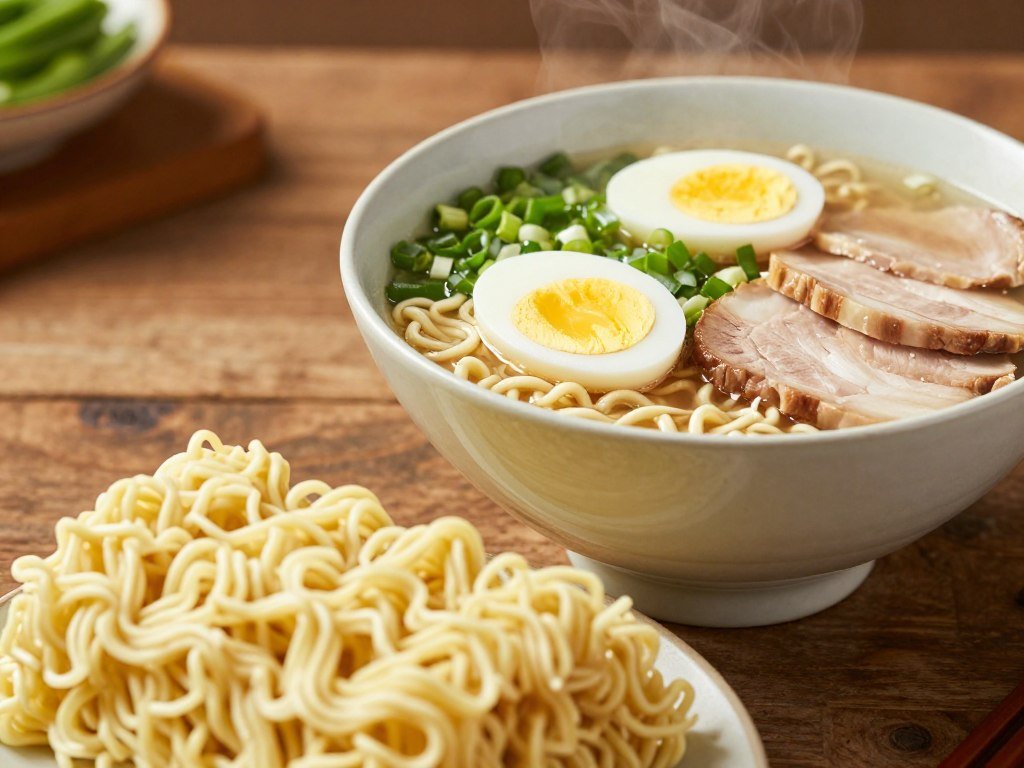
A bowl of homemade ramen can have firm, springy noodles or a softer bite, and flour is a big part of that difference. The right choice changes how the dough handles and how the noodles feel beside your broth. Gluten is the network formed when hydrated wheat proteins combine, giving noodle dough strength and chew.
At home, you can shape that bite by choosing flour with the right traits for your noodle style. A firm, narrow noodle calls for a different balance than a larger, softer noodle. You do not need to chase the highest number on a bag to get good results.
Flour also affects taste and texture, but your method matters too. A small test batch can show whether the dough gives you the chew you like before you make a larger batch. You can choose a flour by matching its protein level and milling characteristics to the noodle texture you enjoy.
Key Takeaways
- Bread flour is a practical starting point for firm, springy noodles.
- Medium flour can suit a softer, larger noodle style.
- Protein and starch both shape the finished bite.
- Ash content can offer clues about flour color and milling.
- Grind, water, cut, and shape also affect noodle texture.
- Try one small batch and note how the dough and noodles behave.
What Is the Best Flour for Making Ramen Noodles?
For most homemade ramen, start with semi-strong or strong flour with about 10 to 13% protein. This range is a useful starting point for noodles with strength and chew. The best result still depends on how firm you want each strand.
More protein can build a stronger dough, but the noodle needs balance. Wheat starch also affects how the cooked strand feels.
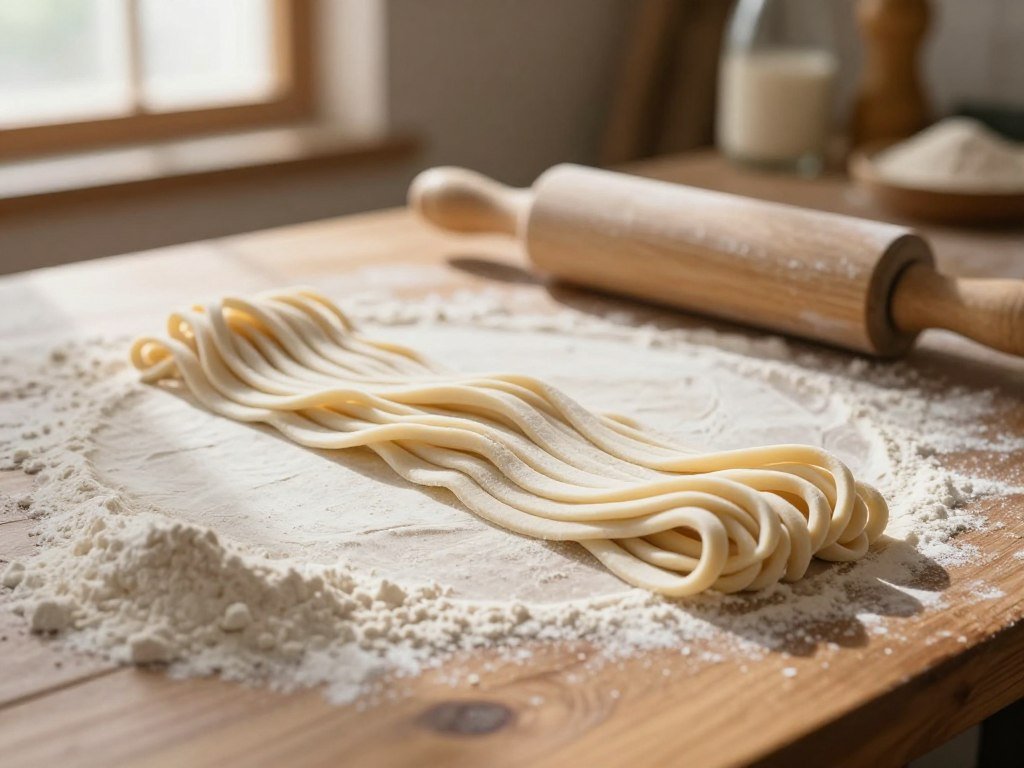
Higher protein is not automatically better: excessive dough strength can leave noodles too hard.
What gluten contributes to noodle strength
Wheat protein forms gluten as the dough takes in water and gets mixed. That network gives ramen noodles hardness and strength, helping them hold their shape during cooking.
A dough with too little strength may feel weak or break more easily. A very strong dough can resist rolling and produce a forceful bite, so protein should match your preferred texture.
How starch balances a firm bite
Wheat starch adds elasticity and a mochi-like quality to ramen noodles. That elastic feel helps keep a firm strand from seeming dry or brittle.
Protein and starch work together, rather than taking turns. Water and mixing also affect how the dough develops, so the same flour can give different results in different recipes.
Start near the lower end if you want less resistance when you chew. Choose the lower end of that range if you prefer a less forceful chew.
Which Flour Type Fits Your Noodle Style?
Bread flour is a practical U.S. starting choice for a firm, springy homemade noodle, while medium flour fits a softer, larger style. Your noodle style should guide the flour type, not the biggest protein figure on the shelf.
Bread flour commonly contains 12-14% protein. High-gluten flour is often used for firm, elastic noodles, while some ramen styles use lower-protein flour.
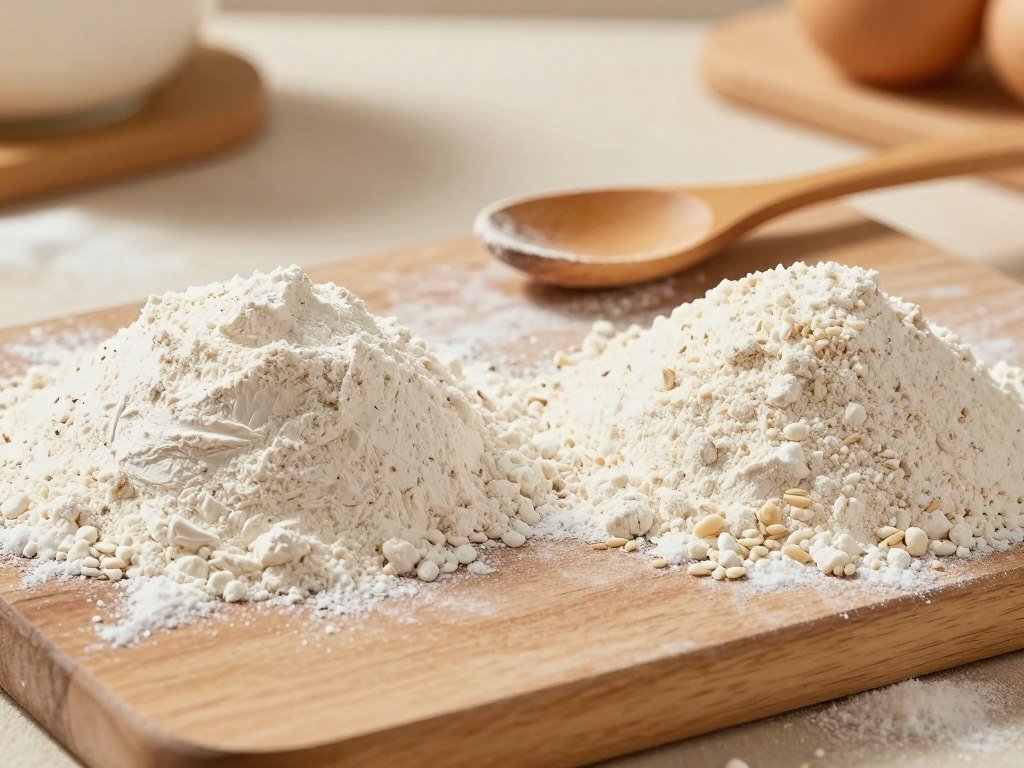
| Flour type | Protein clue | Noodle fit |
|---|---|---|
| Bread flour | 12-14% | Firm, springy homemade noodles |
| High-gluten flour | Above 11% | Firm, elastic noodles |
| Medium flour | 8 to 9% | Softer, larger noodles |
Flour above 11% protein is commonly used for firm, elastic noodles. Medium flour can suit noodles made with more water, including larger, softer noodles used for tsukemen.
Sapporo ramen often uses high-protein flour for firm noodles. Tokyo and Kyushu styles use varied noodle textures, so their flour choices are not all the same.
All-purpose flour may work for a softer homemade noodle, but check its protein content before choosing it. The type name alone does not tell you exactly how the dough will feel.
Match the flour to the bite you want rather than choosing the flour with the highest protein number.
How Does Ash Content Affect Ramen Noodles?
A lower-ash flour is more likely to make a pale, clean-looking noodle than a higher-ash flour. Ash content means the mineral content left in flour, including minerals such as phosphorus, potassium, magnesium, calcium, and iron.
Flour milled closer to the wheat’s center generally has less ash. Minerals are more common in the outer layer of the wheat, where ash content is more than 10 times the level near the center.
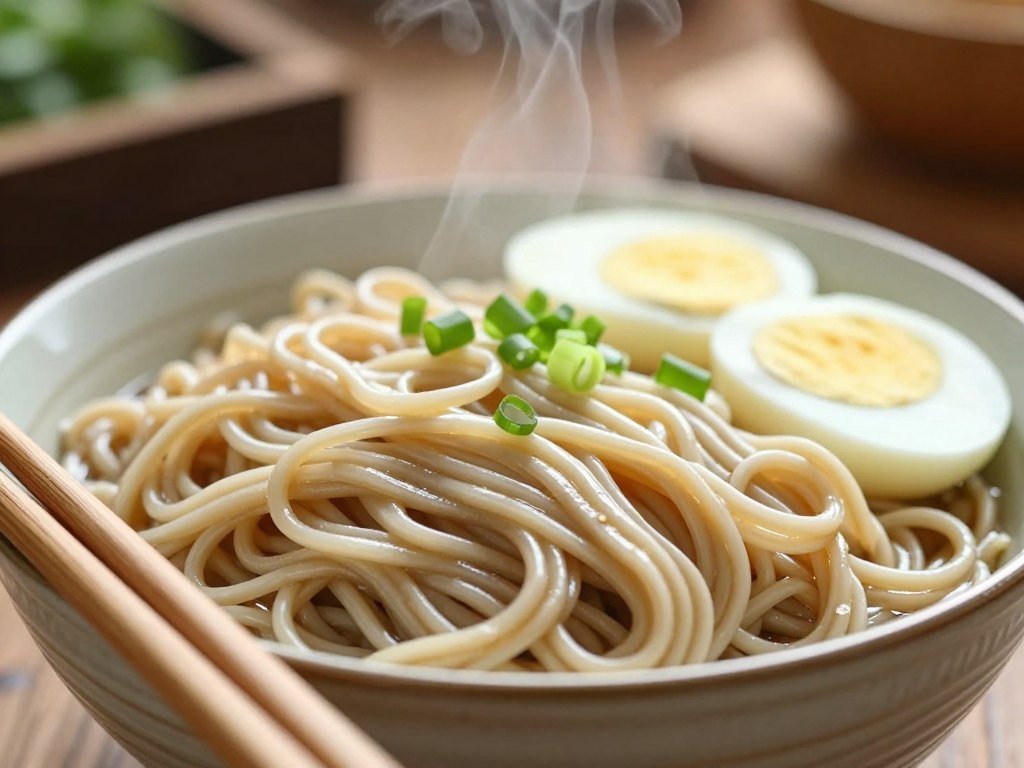
As ash rises, flour can look duller, and noodles may turn grayer. A higher mineral content does not automatically make the best choice for a pale, smooth noodle.
Ash is measured as the inorganic residue left after flour is burned in a lab. The USDA ARS flour testing methods describe ash as a way to assess mineral residue and possible bran content.
Flour color and texture can still vary with wheat and milling. If a flour’s technical sheet lists ash, use it as a color and milling clue alongside the protein information.
What Should You Check on a Flour Bag?
If the bag gives protein in grams rather than a percentage, compare the protein to the serving weight before judging the flour. Use the label’s serving size to estimate the percentage, then compare flour with the same basis.
Divide protein grams by serving weight in grams, then multiply by 100. For example, a label with 4 grams of protein per 30-gram serving gives an estimate of about 13%.
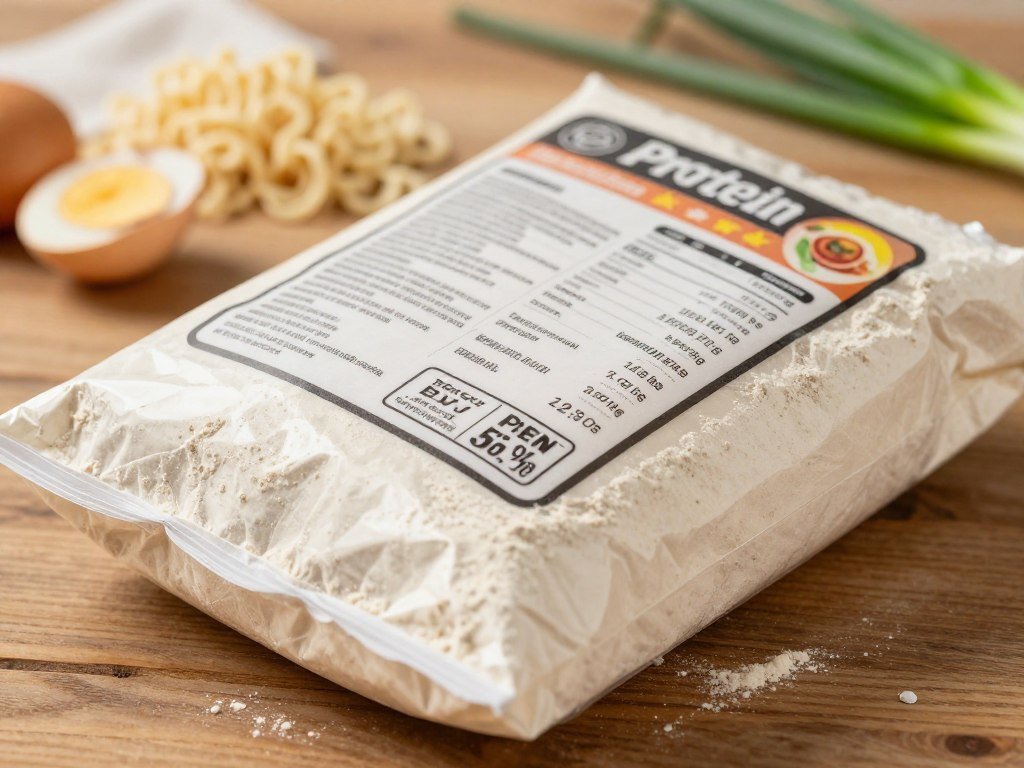
- Check protein grams and serving weight on the Nutrition Facts label.
- Look for ash content on a technical sheet, if one is available.
- Note the flour type and any milling information on the bag.
The result is an estimate, not a lab reading. Flour bags may use different serving weights, so two labels can look different even when their flour is similar.
Technical sheets may give more detail than the bag, especially about mineral content. Use the quality information you can find, but keep the label’s serving size in view.
Compare like with like by using the same serving-weight basis for each flour.
Does Flour Grind Change Ramen Noodle Texture?
A coarse grind tends to give a more textured chew, while a fine grind tends toward a smoother noodle. Particle size changes how flour feels in the dough and can affect the noodle’s surface.
Fine-ground flour can make smoother, silkier noodles. Coarse-ground flour has larger particles and can give noodles a coarser, chewier texture.
How coarse and fine flour affect chew
Grind is one part of noodle structure, not a fixed promise of texture. A study of sorghum Chinese egg noodles found that particle size and starch damage affected firmness, strength, and water uptake.
The study used sorghum, not wheat ramen, so its results do not set a rule for every ramen dough. Still, it shows why particle size can matter. See the study on sorghum flour and Chinese egg noodles for those tests.
How hydration, cut, and shape finish the texture
Hydration, cut, and noodle shape also affect the final structure. More water can make dough easier to handle and can support a larger, softer noodle.
Two batches made with the same flour can feel quite different after rolling and cutting. A thin strand and a wide strand do not cook or chew alike, even when their dough began the same way.
Adjust water and noodle dimensions to refine the bite you want. Compare grind only after settling on the noodle size and shape you want.
How Do You Make Homemade Ramen Noodles From Scratch?
A simple homemade batch uses flour, baked baking soda, and warm water, while a bread-flour version can add vital wheat gluten for a firmer, higher-protein noodle. The simple dough needs only a few ingredients, though it takes effort to roll.
Baked baking soda becomes sodium carbonate after baking at 200 degrees for 2 hours. The table compares that easy option with a high-protein dough.
| Ingredient | Simple batch | High-protein batch |
|---|---|---|
| Flour | 2 cups flour | 500 g bread flour |
| Alkaline ingredient | 2 teaspoons baked baking soda | 15 g sodium carbonate |
| Water or solution | 1/2 cup warm water | 300 g sodium carbonate solution, 200 g used to start |
| Protein addition | No added gluten | 5 g vital wheat gluten |
This Japanese ramen noodle recipe gives you two ways to make a batch. For an authentic ramen noodle recipe, keep the alkaline ingredient in the dough, even when you change the flour.
Mix the alkaline dough and let it rest
Use these steps for the simple batch. The dough feels much stiffer than regular pasta dough, so work steadily rather than expecting a soft, stretchy ball.
- Bake baking soda at 200 degrees for 2 hours to make sodium carbonate. Dissolve the baked soda in warm water.
- Mix the solution with flour until the dough comes together. Cover it and rest it at room temperature for half an hour.
- Knead the dough by hand for 3-5 minutes, then cover it again if it needs a brief pause before rolling.
Roll, cut, and cook the noodles
You can make ramen noodles from scratch without a pasta machine by rolling the dough with a rolling pin. Hand-rolling is possible, but the stiff dough takes effort; a pasta machine makes rolling and cutting easier.
- Roll the simple dough to about a sixteenth of an inch thick. Let the sheet dry for 10-15 minutes.
- Cut the sheet into noodles. Boil fresh strands for 1 minute, then rinse them in cold water.
- For the high-protein dough, divide it into 6 pieces and roll sheets to about 1.5 mm. Cook the strands until they float.
To dry the simple batch, hang the noodles for 6 hours to overnight. Store fully dried noodles in an airtight glass container for several weeks.
Cook fresh strands briefly and taste one before serving so they do not become softer than you want.
Can You Make Ramen Noodles by Hand Without Kansui?
You can make ramen noodles by hand without purchased kansui, but you still need an alkaline ingredient and a firm dough. Bread flour remains a reliable flour choice when making ramen noodles without kansui, while baked baking soda can provide the alkaline alternative.
Flour cannot replace the alkaline ingredient. Food-grade lye is another option, but it must be handled carefully.
To make ramen noodles by hand, press and roll the dough with a rolling pin. Ramen dough is much denser than regular pasta dough, so flattening it takes effort.
- Use bread flour for a reliable wheat dough.
- Add baked baking soda when you do not have purchased kansui.
- Choose food-grade lye only if you can handle it safely.
A rolling pin can compress stiff dough, but even pressure helps keep the sheet from becoming uneven.
If you have a pasta machine, use it to flatten the stiff dough more evenly with less effort.
Conclusion
A flour that suits your preferred chew is a better choice than the strongest flour on the shelf. Bread flour is a useful first choice for a firm homemade noodle, but your own taste should guide later changes.
Flour, milling, water, and noodle shape all affect the finished bite. A small test batch lets you judge the result without using much flour or spending the day on a large batch.
Write down the flour type and how the cooked noodles feel beside your broth. Make a small batch with one flour, note how the noodles feel, and adjust your next choice based on that result.
FAQ
How to make high protein ramen noodles from scratch?
Use bread flour, vital wheat gluten, and an alkaline solution for a higher-protein ramen dough. Start with only part of the liquid, then add enough to bring the flour together. This helps you avoid making the dough too wet before you know how it will absorb water. Knead the firm dough, rest it, then roll and cut it into strands.
What type of flour is the best for pasta?
Durum semolina is common for dried Italian pasta, while bread or semi-strong wheat flour is a useful choice for ramen. The best flour depends on the noodle you want, since pasta styles differ in shape and chew. Semolina gives dried pasta a different feel from ramen dough, which uses an alkaline ingredient for its familiar character.
Can you use whole wheat flour to make ramen noodles?
Yes, you can use whole wheat flour, though bran can make the noodles denser and rougher. Expect a different texture from noodles made with refined wheat flour. Whole wheat flour also changes how the dough handles, so the final strands may not match the smooth, springy bite you expect from a standard ramen noodle.
Can ramen noodles be made without eggs?
Yes, ramen noodles can be made without eggs. An eggless dough can use flour, water, and an alkaline ingredient, so eggs are not needed to form the basic noodle. This keeps the dough closer to a simple wheat-and-alkali mix. The cooked texture will still depend on the flour, hydration, and how you roll and cut it.
Can you make ramen noodles with gluten-free flour?
Yes, but gluten-free flour will not create the same gluten network or chewy texture as wheat flour. A suitable binder may help the dough hold together, though the result will differ from standard ramen. The flour blend and binder both affect handling, so use a recipe made for gluten-free noodles rather than swapping flour one-for-one.



