The right bottle depends less on a universal ranking than on what you want to spend and how you plan to pour it. A bourbon for cocktails can differ from one you enjoy slowly, neat or with a little water. Your preferred flavor matters, too.
This list brings together 15 choices across approachable, value-focused, and distinctive styles. You can compare each bottle’s price, strength, and main appeal, then narrow your options by taste. The best bourbon is the one that fits your budget and intended pour.
The first table offers an easy starting point for beginners and everyday pours. The next compares value picks, while the third highlights bottles with standout grain, oak, or finishing choices. Use the tables as practical reference points, not a ranking that tells you what you must like.
Some bottles suit simple cocktails, while others may be more fun to sip and compare. Prices are listed as given and can vary by store and location. Choose a bottle from the category that fits your budget and drinking occasion, then use the flavor profile to refine your shortlist.
Key Takeaways
- Compare listed prices, strengths, and styles before choosing.
- Maker’s Mark offers a softer wheated starting point.
- Wild Turkey 101 is a bold, versatile value pick.
- Single-barrel and finished bourbons bring distinct character.
- Use awards as one clue, not a universal ranking.
- Taste neat first, then adjust with water or a mixer.
What Makes a Bourbon Legally Bourbon?
Bourbon is an American whiskey that must meet rules for its grain recipe, aging container, and bottling strength. The name has legal meaning, not just a familiar taste or label style.
Bourbon must be made in the United States, use at least 51% corn, age in new charred oak, and reach 80 proof. Bottled-in-bond is a federal designation for whiskey distilled in one season at one distillery, aged in a bonded warehouse for at least four years, and bottled at 100 proof.
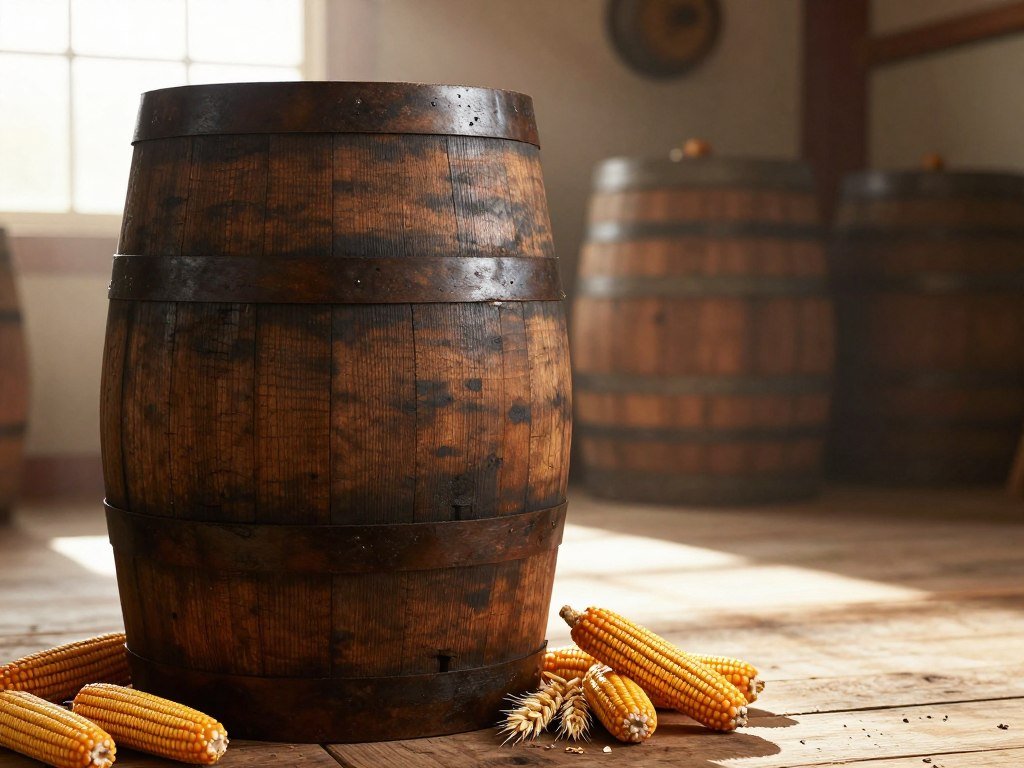
Bourbon must come from the United States, contain at least 51% corn, age in a new charred oak container, and be bottled at 80 proof or higher.
The production rules behind the name
Whiskey starts with grain, which is fermented and distilled before it ages in wood. Corn gives bourbon its grain base, while the rest of the mash bill can include grains such as wheat, barley, or rye.
The new oak container matters as much as the grain recipe. Charring changes compounds in the oak, adding color and flavor while helping filter unwanted compounds.
Federal rules set no minimum aging time for bourbon. Most bourbons age in barrels for at least two years, and the time in oak can shape the finished whiskey’s color and flavor.
Proof measures alcohol strength: 80 proof equals 40% ABV. The federal distilled spirits regulations define proof and age terms used on labels.
Bottled-in-bond is a separate designation, not a rule every bourbon must meet. Its four-year age and 100-proof requirements offer a clear standard for that class of whiskey.
Distillation, gluten, and cross-contact
Pure distilled bourbon is considered gluten-free, even when its mash bill contains wheat, barley, or rye. Distillation removes gluten proteins from the spirit.
That does not cover every product sold as flavored or finished whiskey. Flavorings or other additives added after distillation can introduce gluten, so check a bottle’s ingredients when needed.
Cross-contact is a separate concern from the distilling process. A facility that also handles wheat, barley, or rye may create a risk for people with celiac disease.
Many bourbons are safe for people with celiac disease because distillation removes gluten proteins. Anyone with celiac disease who is concerned about a particular bottle should check its ingredients and contact the producer about cross-contact controls.
Best Bourbon Picks for Beginners and Everyday Drinking
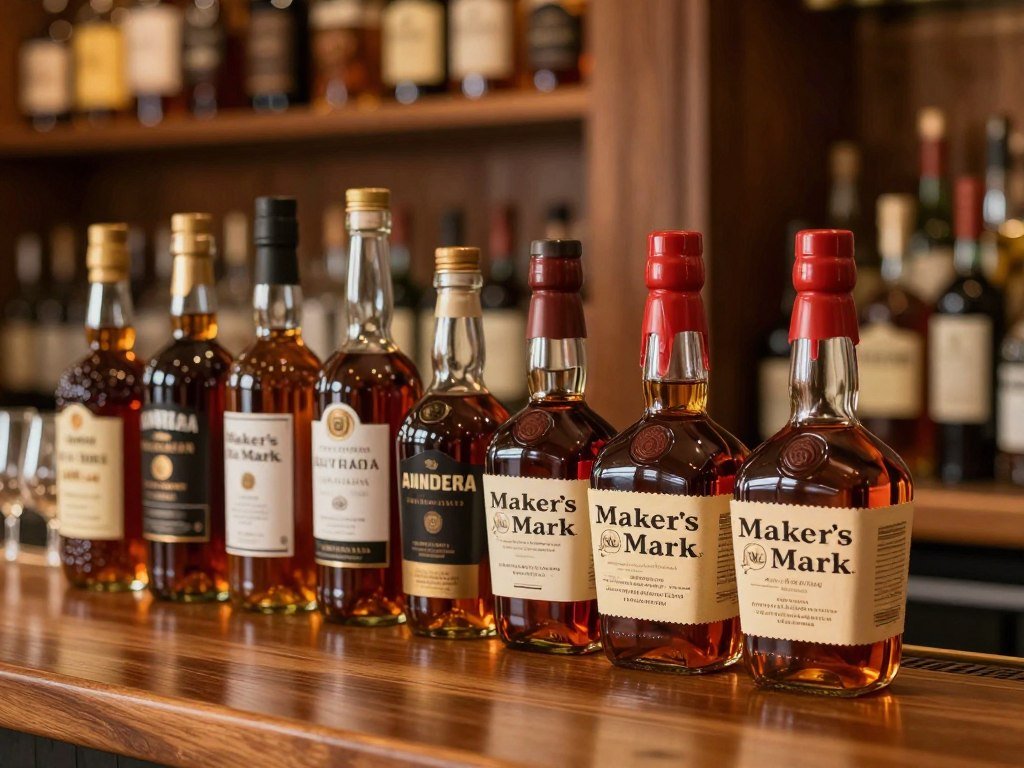
Maker’s Mark is a clear first bottle for someone who wants a softer, sweeter wheated profile, while the other four show how bonded, balanced, and oak-forward bourbons differ. Its gentle entry helps newcomers focus on flavor without starting at high proof.
These five bottles cover an easy wheated pour, bonded options, and a fuller oak-forward step up. Listed prices and strengths help you compare without treating one style as right for everyone.
| Bottle | Listed price | ABV or proof | Why it suits a beginner |
|---|---|---|---|
| New Riff Bottled-in-Bond Kentucky Straight Bourbon Whiskey | About $35 | 100 proof | Bonded style, aged at least four years |
| Maker’s Mark | $22 | 45% ABV | Wheated mash bill, with wheat instead of rye |
| Evan Williams Bottled-in-Bond | $20 | 50% ABV | Bonded option with a clear strength |
| Michter’s US*1 Bourbon | $40 | 45.7% ABV | Moderate strength for sipping or mixing |
| Knob Creek Small Batch 9 Year Old | $36 | 50% ABV | Oak-forward step-up bottle |
Maker’s Mark uses wheat in place of rye in its mash bill, which gives you a useful example of a wheated profile. That softer impression can be a friendly first taste if peppery notes are not your thing.
Evan Williams and New Riff show how bonded bourbon can offer a higher-strength pour with a defined age standard. New Riff Bottled-in-Bond Kentucky Straight Bourbon Whiskey was named Best Kentucky Bourbon at the World Whiskies Awards America 2026.
Knob Creek Small Batch 9 Year Old makes a more oak-forward choice. Knob Creek 9-Year-Old has been described with woodsy, peppery notes and a buttery mouthfeel, a useful preview of a bolder style.
Popular bourbon brands represented here include Maker’s Mark, Evan Williams, Knob Creek, and Michter’s. Those familiar names give you a few different ways to learn which notes and strengths suit your palate.
The listed price can help you set a first-bottle budget, while ABV hints at its strength. For a first purchase, compare the listed bottle price with the strength and flavor style you expect to enjoy neat or in a simple cocktail.
Which Bourbons Deliver the Best Value?
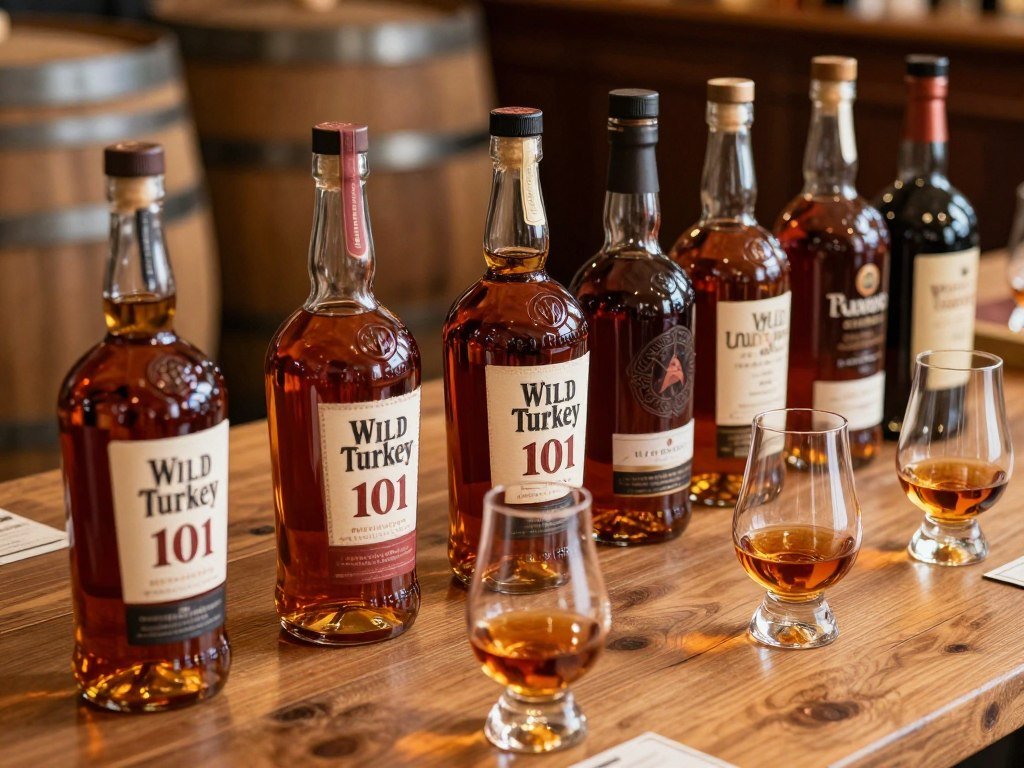
Wild Turkey 101 is the strongest all-purpose value choice here, while Very Old Barton 100 Proof has the lowest listed price. Those are two different kinds of value: one puts versatility first, and the other keeps the initial cost low.
Choose Wild Turkey 101 for a bolder all-purpose bottle, or Very Old Barton if the lowest listed price matters most. The other choices add different grain, age, or strength profiles.
| Bottle | Listed price | ABV or proof | Value angle |
|---|---|---|---|
| Wild Turkey 101 | $23 | 50.5% ABV, 101 proof | Bolder, versatile pour; mash bill has 13% rye |
| Very Old Barton 100 Proof | $15 | 50% ABV | Lowest listed price |
| Redwood Empire Pipe Dream | $30 | 45% ABV | Blends whiskeys aged 4 to 12 years |
| Larceny Bourbon | $25-30 | 46% ABV | Wheated style in a mid-range price band |
| Elijah Craig Small Batch Bourbon | $28-30 | 47% ABV | Small batch at a moderate listed price |
Wild Turkey 101 brings enough strength for a full-flavored cocktail, and its 13% rye mash bill points toward spice. The listed 101 proof equals 50.5% ABV, so it may feel warmer than lower-strength choices.
Very Old Barton 100 Proof is the pick when you want to spend the least among these table options. Its listed $15 price makes it an easy bottle to consider for mixing or everyday pours.
Redwood Empire Pipe Dream offers a blend of whiskeys aged from 4 to 12 years. That span gives the bottle a different value angle than a single age statement, while its listed strength stays below the two 100-proof options.
Larceny Bourbon adds a wheated option, while Elijah Craig Small Batch Bourbon gives you a small-batch choice. Their listed price ranges overlap, so your preference for grain style can guide the decision.
Benchmark Full Proof is another listed value example at $25 and 62.5% ABV. Its proof makes it a much stronger pour than the other table choices, so plan for a more intense sip or careful mixing.
Prices on store shelves can differ from listed figures, and nearby bottles may cost about the same. Treat the listed figures as reference points and check the current shelf price before deciding between similarly priced options.
Which Bottles Fit Distinct Flavor and Budget Preferences?
Four Roses Single Barrel is the clearest sub-$100 choice for fruit and spice, while 15 Stars Artisan Collection is the special-release option at $168. Price marks a difference, but it does not tell you which profile you will enjoy.
Four Roses Single Barrel, Maker’s Mark 46, and E.H. Taylor Jr. Small Batch are all listed below $100. For a higher-priced limited release, 15 Stars Artisan Collection was released in 1,290 bottles.
| Bottle | Listed price | Proof or ABV | Distinctive feature |
|---|---|---|---|
| Four Roses Single Barrel | $45 | 50% ABV | Single barrel, fruit and spice |
| 15 Stars Artisan Collection | $168 | 109 proof | Blend of 15- and 12-year-old bourbons; 1,290 bottles released |
| Maker’s Mark 46 | $38 | 47% ABV | Finished with French oak staves |
| Redemption Cognac Cask Finish | Not stated | 99 proof | Finished bourbon with 60% corn, 36% rye, 4% malted barley |
| E.H. Taylor Jr. Small Batch | $80 | 100 proof | Bottled-in-bond standards |
Four Roses Single Barrel is a single-barrel choice with fruit and spice. Each barrel is its own selection, so you can expect that style without assuming every bottle tastes exactly alike.
Maker’s Mark 46 takes a different route, using French oak staves to finish the bourbon. The added wood offers a clear reason to choose it over the standard bottle, without requiring a higher listed price.
Redemption Cognac Cask Finish is a high-rye finished bourbon, with rye making up 36% of its mash bill. The Cognac cask finish sets it apart, though a specific listed price is not included in this table.
E.H. Taylor Jr. Small Batch was named Best Kentucky Small Batch Bourbon at the World Whiskies Awards America 2026. It is bottled at 100 proof under Bottled-in-Bond standards and has a listed price of $80.
15 Stars Artisan Collection blends 15- and 12-year-old bourbons and was named Best Non-Kentucky Bourbon at the World Whiskies Awards America 2026. Its $168 listed price and 1,290-bottle release place it in a different spending tier.
Match the bottle’s defining feature to the flavor you actually enjoy rather than treating a higher price or proof as a guarantee of preference.
What Makes a Bourbon Gift Worth Giving?
A personalized bottle-your-own experience is a stronger gift for someone who values the occasion as much as the bourbon. A personal touch can matter more than choosing a rare label.
A decanter suits someone who values presentation, while a bottle-your-own visit makes the activity part of the gift. These four options differ in access, price, and what the recipient takes home.
A hands-on experience or a bottle
The James B. Beam Distilling Co. American Outpost offers a bottle-your-own Knob Creek T-Line experience. The bottle gets a wax thumbprint, and you can add optional engraving.
Jim Beam Lineage Batch #2 is available only for purchase at the James B. Beam Distilling Co. campus in Clermont, Kentucky. It requires no lottery or timed drop.
Heaven Hill’s Rittenhouse 250th Anniversary Edition has a 2026 MSRP of $99.99. Heaven Hill’s Old Fitzgerald Bottled-in-Bond Decanter has a $54.99 MSRP and was confirmed in walk-up stock at the Bourbon Heritage Center in the 2026 gift guide.
- Bottle-your-own Knob Creek T-Line experience: wax thumbprint and optional engraving.
- Jim Beam Lineage Batch #2: campus-only purchase in Clermont, Kentucky, with no lottery or timed drop.
- Rittenhouse 250th Anniversary Edition: 2026 MSRP of $99.99; confirm current availability and purchase method with Heaven Hill.
- Old Fitzgerald Bottled-in-Bond Decanter: $54.99 MSRP; confirmed in walk-up stock at the Bourbon Heritage Center in the 2026 gift guide.
Confirm access before making plans
Location limits can shape a gift more than the label itself. A campus-only bottle calls for a trip to Clermont, while the Rittenhouse release needs a current availability check.
For the Old Fitzgerald decanter, the confirmed walk-up stock describes the 2026 gift guide period, not a promise of later stock. A recipient who likes display pieces may value its presentation as much as the bourbon inside.
Confirm current availability and purchase arrangements with the distillery before planning around a limited release or a campus-only bottle.
How Do Grain, Proof, and Aging Change the Pour?
Grain choice gives you an early clue to whether a bourbon will lean softer and sweeter or more peppery and spicy. The mash bill is a clue, not a promise about the final flavor.
Wheat often gives a softer, sweeter impression than rye, while more rye can bring extra spice. Proof, age, and barrel variation affect the pour in separate ways.
Wheated and high-rye mash bills
A wheated bourbon uses wheat in its grain recipe where some bourbons use rye. Ben Holladay Soft Red Wheat Rickhouse Proof is six years old, uses 15% wheat, and is listed at 59.9% ABV and $75.
Still Austin Cask Strength offers a different age and strength combination. It is described as a two-year-old bourbon, listed at 59% ABV and $50-55.
Bardstown Bourbon Co. Bottled-in-Bond Origin Series provides another bonded comparison at $51 and 50% ABV. Comparing its strength with a wheated or high-rye choice helps you separate grain preference from alcohol heat.
Proof and age statements
Proof tells you how strong a bourbon is, while age tells you how long it spent aging. Neither one ranks quality by itself, and higher strength can make a pour feel warmer.
1792 Full Proof is listed at $50-60 and 62.5% ABV. That strength may suit a drinker who wants a fuller pour, but it is not automatically a better fit.
Elijah Craig Barrel Proof is listed at $60-80, with batch ABV in the low-to-high 60% range. Batch strength can shift, so the label helps identify the specific release.
Four Roses Small Batch Select is listed at $60-80 and 52% ABV. Its strength sits below those barrel-proof examples, but the number alone cannot predict whether its flavor suits you.
Finishing and single-barrel variation
A finished bourbon spends time in a second type of wood or cask, which can add another layer to its flavor. A single barrel comes from one barrel, so bottles can vary from barrel to barrel.
Russell’s Reserve Single Barrel Bourbon is listed at $55-65 and 55% ABV, with individual barrels varying. That variation is part of the single-barrel choice, not a sign that one bottle must be better.
Compare a bottle’s mash bill, proof, age statement, and finish as separate clues, since no one measure predicts whether you will like its flavor.
How Should You Taste and Serve Bourbon?
Taste a small neat pour first, then add a few drops of water if the alcohol heat is masking lighter aromas. Start with a small sample so you can notice how the pour changes.
A tulip-shaped glass concentrates aroma, while a rocks glass works well for serving or cocktails. You can taste the bourbon before deciding whether it belongs neat, with water, or in a mixed drink.
Start neat, then adjust with water
Pour a small sample at room temperature into a tulip-shaped glass. Take a first sip to get used to the alcohol, then pause before tasting again.
Add a few drops of water for the second taste. A blind taste test used two consecutive tastes this way, with water added to help tasters explore lighter notes.
Notice how the aroma and flavor shift rather than searching for a required note. Whisky research has examined fast sensory methods, but your own tasting should focus on what you actually notice.
The whisky sensory study assessed 16 Scotch and American whiskies, with a trained panel identifying aroma traits such as vanilla-like, smoky, fruity, and caramel-like.
Choose a cocktail that suits the pour
A cocktail can soften heat or bring a bourbon’s stronger notes forward. A rocks glass is handy for a mixed drink, while a tulip glass keeps attention on aroma during a neat pour.
- Old Fashioned
- Paper Plane
- Hot Toddy
Wild Turkey 101’s 101-proof strength can hold up in a spirit-forward Old Fashioned. Woodford Reserve is listed at $30 as another cocktail or sipping option.
Start with the bourbon neat before changing the pour, so you can tell whether water or a mixer is improving the experience.
What Can Awards Tell You About Bourbon?
There is no single award category that names one bourbon as the best for every drinker and every use. Category matters, because each award compares bottles within a defined class.
A medal points to a winner in its category, not a universal champion across all bourbon. Release dates and bottle sizes also shape how useful an award or price is.
Read the category, not just the medal
Presidential Dram 2 Term Bourbon was named Best Non-Kentucky Single Barrel Bourbon at the World Whiskies Awards America 2026. It is bottled at barrel proof and uses a mash bill of 99% corn and 1% rye.
Elmer T. Lee Single Barrel was named Best Kentucky Single Barrel Bourbon at the World Whiskies Awards America 2026. It is bottled at 90 proof.
Other award and release examples show how category, age, and price can differ:
- Presidential Dram 2 Term Bourbon: Best Non-Kentucky Single Barrel Bourbon, 2026; barrel proof; 99% corn and 1% rye.
- Elmer T. Lee Single Barrel: Best Kentucky Single Barrel Bourbon, 2026; 90 proof.
- Bulleit Bottled in Bond: seven years old and 100 proof, with a $55 SRP for 750 ml.
- Eagle Rare 17 Year: over 18 years old in the 2025 release, with a $150 SRP for 750 ml.
Treat dated releases as snapshots
Bulleit Bottled in Bond and Eagle Rare 17 Year show why release details need a date. Age and suggested retail price describe those stated releases, not a promise about every bottle or later price.
Woodford Reserve Distillery Series: Chocolate Whisper Redux had a $100 SRP for 375 ml. McLaughlin Distillery Cask Strength Baby Barrel Bourbon had a $200 SRP for 750 ml, used a 100% corn mash, and aged more than five years in 2.5-gallon barrels.
A best bourbon in 2021 list is a dated snapshot, not a current guide to price or availability. Awards change by year and class, while stores may carry different releases.
Use an award as one clue, then check the bottle’s category, release date, price, and flavor style against your own priorities.
Use an award as one clue, then check the bottle’s category, release date, price, and flavor style against your own priorities.
Conclusion
A satisfying choice is the bottle whose style and price fit how you actually plan to drink it. Your budget, preferred flavor, proof, and intended use all shape that match.
There is no need to chase the highest proof or the most decorated label. A softer wheated pour may suit you better than a spicy single barrel, especially if you plan to sip slowly.
Choose two bottles from different style categories, compare their current shelf prices, and taste them side by side if possible. Pick two contrasting profiles, compare their current prices, and taste them side by side before committing to a larger collection.
FAQ
What is the best top shelf bourbon whiskey?
15 Stars Artisan Collection is a distinctive high-end choice, with a listed price of $168. It blends 15- and 12-year-old bourbons and was released in 1,290 bottles. “Top shelf” depends on your taste and budget, though, not price alone. A costly limited release may interest collectors, while another drinker may prefer a less expensive bottle for regular pours.
Is bourbon gluten free?
Pure distilled bourbon is considered gluten-free, even when its mash bill includes wheat, barley, or rye. Distillation removes gluten proteins from the spirit. Flavorings or other additives added after distillation can introduce gluten, and cross-contact can occur in facilities that handle gluten grains. If you have celiac disease, check the ingredients and ask the producer about its controls.
How long is bourbon aged?
Bourbon has no minimum aging requirement, though most bourbons age for at least two years. Bottled-in-bond whiskey must age for at least four years and be bottled at 100 proof. The age statement tells you the time in the barrel, not a quality score. Grain, barrel conditions, and your preferred flavor all affect whether that age suits your taste.
What are the 5 best bourbons?
Five strong choices for different styles are Maker’s Mark, Wild Turkey 101, Ben Holladay Soft Red Wheat Rickhouse Proof, Four Roses Single Barrel, and 15 Stars Artisan Collection. They offer beginner-friendly, value, wheated, fruit-and-spice, and distinctive options. That mix gives you a practical tasting flight rather than a fixed ranking. Your favorite may depend on how you drink it and how much heat you enjoy.
What is the smoothest bourbon to drink?
Maker’s Mark is a reasonable approachable wheated example at 45% ABV, but “smooth” is subjective. Some drinkers prefer its softer, sweeter profile, while others want more spice or oak. Your sensitivity to alcohol heat also matters. Try a small pour neat, then add a few drops of water to see whether the aroma opens up for you.
What bourbons do bartenders recommend?
Wild Turkey 101 is one practical choice for spirit-forward cocktails because its 101-proof strength can stand up in an Old Fashioned. It is not a claim that all bartenders agree on one bottle. A versatile bourbon should fit the drink, your budget, and the flavors you want. Taste it neat first so you know what it adds to the mix.
What is the #1 bourbon in the world?
No single ranking covers every bourbon category or drinking style. The 2026 World Whiskies Awards named winners in separate Kentucky, non-Kentucky, finished, and single-barrel classes. Those awards can help you find a bottle in a style you like, but they do not identify one winner for every drinker. Match the award category to your own flavor preferences and intended use.
What is the tastiest bourbon?
The tastiest bourbon depends on the flavors you enjoy. Maker’s Mark offers a sweeter wheated character, Four Roses Single Barrel brings fruit and spice, and Wild Turkey 101 has a more peppery profile. Those differences make a side-by-side taste useful. Try small pours before adding water or mixing, and notice which one you would choose for another glass.



