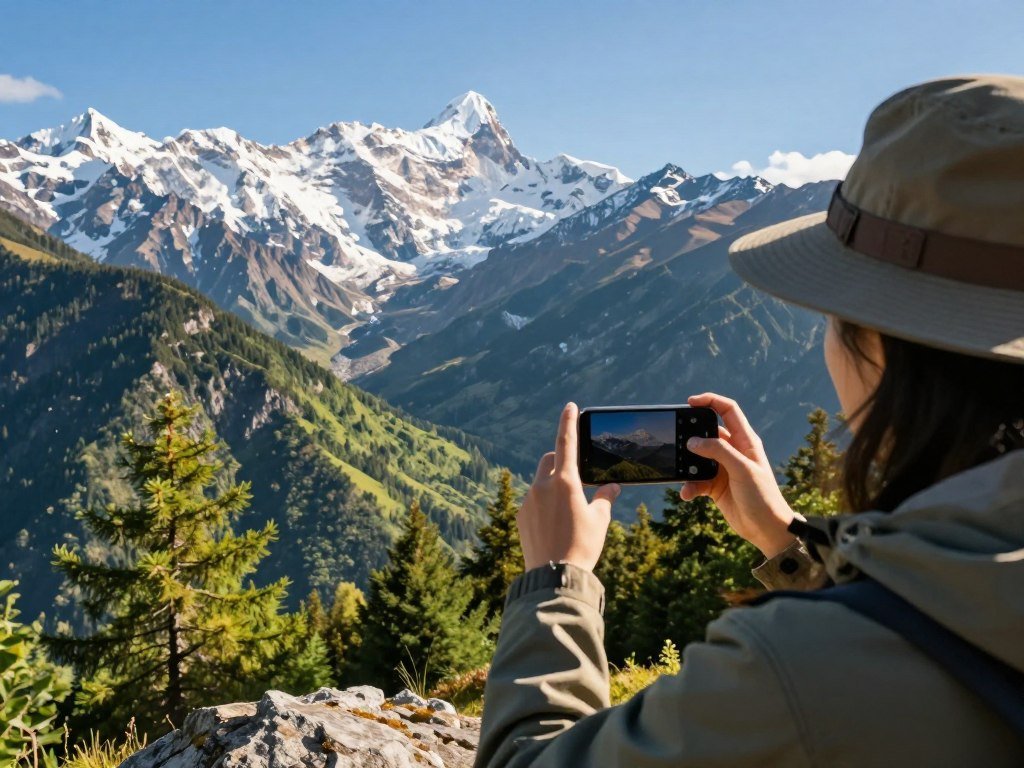
If you want one strong starting point for photos, begin with the Oppo Find X9 Ultra; choose around your main shooting habit before you compare features. Optical zoom is a change in framing produced by a phone’s telephoto optics rather than a crop of the main camera.
That choice matters if you shoot people, travel scenes, or family moments and want strong quality without carrying extra gear. Your budget also shapes the field: a lower-cost phone may suit you better than a flagship with tools you rarely use. The picks below match different needs, from still photos to video, reach, and selfies.
Decide whether your hardest shot is a distant subject, a moving moment, a selfie, or a dim scene.
Key Takeaways
- Start with the Oppo Find X9 Ultra for still-photo range.
- Choose the iPhone 17 Pro if video is your main focus.
- Compare Samsung Galaxy S26 Ultra for varied telephoto views.
- Consider the Google Pixel 10 Pro for selfies and group shots.
- Look at Nothing Phone (4a) for a budget-category pick.
- Check battery tests and camera trade-offs together.
What Phone Has the Best Camera for Most People?
For the broadest still-photo toolkit in this roundup, start with the Oppo Find X9 Ultra. Its range of views suits people who move between wide scenes, everyday photos, and distant subjects.
Its four rear cameras cover several useful framing needs without relying on one main lens. That mix makes it a strong stills-first flagship model for varied photography, not a guarantee that every shot will look perfect.

The stills-first case for the Oppo Find X9 Ultra
The phone has a 200MP main camera, a 200MP 3x periscope telephoto camera, and a 50MP 10x periscope telephoto camera. Its 50MP ultrawide camera has a 123° field of view.
The 10x camera provides a dedicated long-range perspective, while the ultrawide can fit more of a landscape or room into one frame. Those separate views give you more ways to frame a subject without changing your position.
Expert Reviews named the Oppo Find X9 Ultra its overall phone-camera pick in 2026. The four-camera rear setup gives the recommendation a practical basis, though camera quality still depends on the scene and shooting mode.
DXOMARK’s Oppo camera test reports strong detail, noise control, portrait bokeh, and long-range zoom. It also notes occasional exposure shifts and color casts in low light.
What makes a camera system versatile
A versatile camera system gives you useful views for common subjects, rather than merely adding extra lenses. A main camera handles general scenes, an ultrawide helps with groups or tight rooms, and a telephoto camera brings distant details closer.
Lens count and megapixel totals do not guarantee that every camera produces equally strong results.
Check whether each camera serves a real purpose in your routine. A dedicated camera view can help you compose more freely, but a high number on a spec sheet cannot tell you how it handles movement or difficult light.
Choose it for the spread of real camera views, not just the largest megapixel figure.
Which Camera Phone Fits Each Kind of Shooter?
A useful camera-phone shortlist sorts phones by the shot you need, rather than treating one ranking as right for every photographer. Start with your priority, then compare the phones built for that kind of use.
The ten main models make a practical top-10-style list, not a universal ranking. Their place depends on what you shoot and which trade-offs matter to you.

| Shooting priority | Phone to start with | Reason to shortlist |
|---|---|---|
| Still-photo versatility | Oppo Find X9 Ultra | Broad rear-camera range |
| Video tools | iPhone 17 Pro | Dedicated video formats and stabilization features |
| Lower-cost camera option | Nothing Phone (4a) | 2026 budget-category pick |
The ten main options are the Oppo Find X9 Ultra, iPhone 17 Pro, Samsung Galaxy S26 Ultra, Google Pixel 10 Pro, and Nothing Phone (4a). They also include the Xiaomi 17 Ultra, Samsung Galaxy S26, Poco F9 Ultra, OnePlus 15, and Poco X8 Pro Max.
A top 10 best camera phones in the world list can help you compare options, but it cannot know which shots matter most to you. A world’s best camera phone list should make its priorities clear, too.
A phone that had the best camera in 2021 must be judged against models available that year, not these 2026 options. The top five best camera phones in the world can also change with the year and test method.
Use the category that matches your most common shots as your first filter.
Which Phone Is Best for Video?
For a video-first buyer, the iPhone 17 Pro is the clearest specialist pick in this group. Its recording tools give creators several ways to shape footage after they shoot.
High frame rates, HDR, and LOG solve different problems. High frame rates can capture smoother motion or allow slow-motion playback, HDR preserves a broader range of bright and dark tones, and LOG keeps a flatter image for editing.

The iPhone 17 Pro for video-first creators
The iPhone records up to 4K at 120 frames per second. It supports Dolby Vision HDR, ProRes, and LOG recording, plus Action Mode stabilization for active shots.
Those features give you options, but they do not all improve a regular automatic clip. Dolby Vision is useful when your playback and editing tools support it, while ProRes creates large files aimed at more involved editing.
Expert Reviews describes the iPhone 17 Pro video formats and its square selfie-camera sensor in its hands-on review. For more detail on models and app controls, see this iPhone camera comparison.
Samsung and Oppo tools for more control
The Oppo Find X9 Ultra records up to 8K at 30 frames per second or 4K at 120 frames per second. It also supports 10-bit HDR and LOG recording, giving you more choices for high-resolution or edited footage.
The Samsung Galaxy S26 Ultra’s stock camera app offers Horizon Lock, anamorphic-lens support, and LOG recording. Horizon Lock helps keep the view level during movement, while anamorphic support suits creators using compatible lenses.
For quick clips, easy stabilization and reliable point-and-shoot results may matter more than a professional format. That is especially true if you never edit footage after recording.
If you plan to grade footage later, confirm that your editing workflow supports the recording format you intend to use.
Which Phone Has the Best Camera Zoom?
For a mix of dedicated telephoto options and long digital reach, choose the Samsung Galaxy S26 Ultra. Its optical cameras give you more dependable starting points than its highest digital-zoom setting.
The 100x figure is digital zoom, not optical zoom. Digital zoom enlarges a crop, so detail can fall as you push farther from the camera’s native view.

| Phone | Telephoto setup | What the reach is for |
|---|---|---|
| Samsung Galaxy S26 Ultra | 3x and 5x optical telephoto cameras; up to 100x digital zoom | Separate framing points, with extra digital reach |
| Xiaomi 17 Ultra | 75-100mm optical zoom | Optical framing across a telephoto range |
| Honor Magic8 Pro | 3.7x stabilized telephoto camera | Close-ups and night use |
The Samsung has a 200MP 23mm f/1.4 main camera and a 50MP 13mm f/1.9 ultrawide. Its 10MP 69mm telephoto camera offers 3x optical zoom, while the 50MP 115mm telephoto offers 5x.
Its dedicated telephoto lenses provide the more useful bases for everyday reach. Around 30x, results can be more or less decent, but image quality varies from shot to shot.
The Xiaomi 17 Ultra takes a different approach with a 200MP telephoto lens offering 75-100mm optical zoom. The Honor Magic8 Pro has a 200MP 3.7x telephoto camera with optical image stabilization.
Those options suit different kinds of close framing, while optical image stabilization can help steady a shot. If you want more detail on how zoom fits into a wider buying decision, read this phone buying comparison.
Treat high digital-zoom settings as occasional framing aids, not as a promise of consistently detailed photos.
Which Phone Is Best for Selfies and Wide Shots?
For people who take plenty of self-portraits, the Google Pixel 10 Pro is the most directly targeted pick. Its autofocus selfie camera can help keep your face sharp when you move within the frame.
The Pixel’s front camera has 42MP resolution and phase-detection autofocus. A high-resolution sensor still cannot fix dim light or awkward framing by itself.

The Pixel Pro’s front camera suits solo portraits, while its ultrawide rear camera helps fit groups and broad scenes into the frame. Expert Reviews named the Google Pixel 10 Pro its best phone for selfies in 2026.
The Google Pixel Pro choice is especially clear if you value autofocus at the front. The iPhone Pro takes another route: its 18MP square selfie-camera sensor supports portrait or landscape framing without turning the phone.
The iPhone 17 Pro also has a 48MP 4x periscope telephoto camera, useful when you want a closer rear-camera view. Its square front sensor offers a quick way to change selfie framing without shifting your grip.
- Solo portraits: choose the Pixel’s front autofocus for face focus.
- Group selfies: use the Pixel’s ultrawide view to fit more people.
- Fast framing changes: use the iPhone’s square sensor without turning the phone.
A larger sensor count does not remove the need for enough light or a clear composition. For a group selfie, check the frame width before everyone squeezes into the shot.
What Is the Best Budget Camera Phone?
The Nothing Phone (4a) is the budget-category pick, while the Google Pixel 10a gives buyers another compact camera setup to consider. Compare the camera trade-offs before focusing on a phone’s price label.
The Pixel 10a has no dedicated telephoto camera, which matters most for distant subjects. Its rear cameras instead cover everyday main and ultrawide views.
Nothing Phone (4a) as the budget-category pick
Expert Reviews named the Nothing Phone (4a) its best budget phone-camera option in 2026. That makes it a clear place to begin if you want a lower-cost model rather than a flagship.
Still, a budget pick is not automatically the best fit for every buyer. Think about the subjects you shoot and how often you need a distant view before settling on a model.
Google Pixel 10a as another affordable option
The Google Pixel 10a has a 48MP main camera, a 13MP ultrawide, and a 13MP selfie camera. Its lack of a dedicated telephoto camera limits the optical choices for faraway subjects.
Its setup may work well for everyday scenes, portraits, and group photos. If distant subjects make up much of your photography, the missing telephoto view is a meaningful trade-off.
Compare other budget phone options if you are also weighing storage, software support, and camera needs. Current US pricing depends on the exact configuration, carrier status, and available promotions.
- Compare current US pricing for your preferred storage configuration.
- Confirm local warranty coverage and carrier compatibility.
- Decide whether a dedicated telephoto camera is essential.
Before choosing, decide whether you can live without a dedicated telephoto camera.
Which Phone Gives Experienced Photographers More Control?
For a photographer who enjoys choosing focal lengths and working with camera hardware, the Xiaomi 17 Ultra is the enthusiast pick. Its large main sensor and optical zoom can appeal to careful shooters who edit their images.
A 1-inch main camera sensor gives experienced photographers a distinct hardware choice. The phone also has a 200MP telephoto camera with 75-100mm optical zoom and a 50MP ultrawide camera.
A larger main sensor can be appealing when you compose with care and work on your files later. Optical zoom changes framing through the telephoto optics, rather than enlarging a crop of the main camera.
The Xiaomi 17 Ultra can give you more direct control over focal length choices. Its sensor size and lens range do not mean every camera or shooting mode performs equally well in every scene.
Experienced photographers may also value how a phone handles focus, exposure, and file editing. A camera system’s controls matter most when you plan to use them, rather than leaving every choice to automatic mode.
Availability varies by market, so the Xiaomi 17 Ultra may not be widely sold or supported across the United States. Before importing one, check network compatibility, warranty coverage, and software support for your region.
Check regional support and warranty terms before treating an import as your everyday phone.
How Does the Samsung Galaxy S26 Perform for Everyday Photos?
The Samsung Galaxy S26 is a sensible everyday choice if you want three rear-camera views in a standard flagship. Its spread of cameras includes a main, ultrawide, and 3x telephoto camera.
The Galaxy S26 scored 147 points in a 2026 camera evaluation. Its video stabilization works well, and its video zoom performance compares with the Galaxy S26 Ultra and iPhone 17 Pro.
The Samsung Galaxy S26 has a 50MP f/1.8 24mm main camera and a 12MP f/2.2 13mm ultrawide camera. The ultrawide view covers a 120° field of view.
Its 10MP f/2.4 67mm telephoto camera provides 3x optical zoom. That setup suits buyers who want several rear-camera views without moving to an Ultra model.
The Galaxy S26 camera evaluation notes several limits in dim scenes. Low-light photos can show white-balance casts, more noise, and lost fine detail.
One 3x telephoto camera also limits image quality at higher zoom compared with phones that have longer-range telephoto cameras. Its stabilization and video zoom are strengths, but still photos at night or far away may ask more of the camera.
If night detail or distant subjects dominate your photos, compare the S26’s limits with a longer-range telephoto system.
What Phone Has the Best Camera and Battery Life?
For a camera phone that also needs to last, the Poco X8 Pro Max has the longest Active Use Score among the GSM Arena results here, while the Oppo Find X9 Ultra has the separate PCMark result. These results use different methods, so they are not one head-to-head ranking.
Do not compare Active Use Score and PCMark results as if they came from the same test. The camera trade-offs also differ, from a dedicated telephoto camera to a main camera without one.
| Phone | Battery test and result | Battery capacity | Camera trade-off or strength |
|---|---|---|---|
| Poco F9 Ultra | 24:34 Active Use Score | 8,050mAh | 200MP main camera and 5x telephoto |
| OnePlus 15 | 23:07 Active Use Score | Not stated | Good main and telephoto cameras; overall quality has room to improve |
| Poco X8 Pro Max | 25:22 Active Use Score | 8,500mAh | 50MP main camera; no dedicated telephoto |
| Oppo Find X9 Ultra | 25 hours, 36 minutes in PCMark | 7,050mAh | Exceptional cameras; 100W wired and 50W wireless charging |
GSM Arena recorded a 24:34 Active Use Score for the Poco F9 Ultra, which has an 8,050mAh battery. Its camera system includes a 200MP main camera and a 5x telephoto camera.
The OnePlus 15 scored 23:07 in the same type of test. Its main and telephoto cameras are good, while overall camera quality remains an area for improvement.
The Poco X8 Pro Max recorded 25:22 with an 8,500mAh battery. Its 50MP main camera lacks a dedicated telephoto camera, a trade-off if you often frame distant subjects.
The Oppo Find X9 Ultra recorded 25 hours and 36 minutes in a 2026 PCMark battery test with its 7,050mAh battery. It also supports 100W wired and 50W wireless charging.
GSM Arena’s Active Use battery results include the OnePlus 15 score. Match the benchmark to your own day, since screen use, recording, and signal strength change real-world endurance.
How Should You Compare Camera Phones Before Buying?
Start with the photos you actually take, then check which phone’s camera system makes those shots easiest. Your common subjects matter more than a long list of features you may never use.
Compare real camera views, focus, and stabilization against the subjects you photograph most. A main camera, ultrawide, and telephoto camera serve different jobs, so check the framing each one offers.
Match the camera hardware to your usual subjects
Try a moving subject and a dim indoor scene, not just a bright display area. Watch whether autofocus keeps up and whether stabilization helps when you move.
Think about low-light results, video tools, and the recording mode you plan to use. Your editing workflow should work with the files the phone creates, especially when you want to adjust footage later.
Storage affects how comfortably you can keep large photos and videos on the phone. Handling matters, too: a wide camera bump or heavy body can change how often you reach for it.
Check everyday ownership and regional support
Apple, Google, Samsung, Oppo, Xiaomi, Nothing, Poco, and OnePlus all make camera phones in this roundup. Compare their main, ultrawide, and telephoto views with your own subjects before choosing a brand.
US pricing depends on configuration, carrier status, and current promotions. Regional availability and support can also shape whether a model is practical for your everyday use.
- Identify the subjects you shoot most often.
- Test a moving subject and a dim indoor scene.
- Check that your editing tools support your preferred recording format.
- Compare storage configurations for your photos and video.
- Confirm carrier compatibility, warranty, and regional availability.
If possible, handle the phone and test its camera app before committing to a flagship-sized device.
Can a Phone Replace a Dedicated Camera?
A phone can replace a dedicated camera for many everyday photos, but not for every photographer or shooting situation. Convenience is its strength, while a separate camera can offer more lens choice and hands-on control.
A dedicated camera may suit you better when reach, control, or difficult light matters most. The Samsung Galaxy S26 Ultra offers 3x and 5x optical telephoto cameras, while the iPhone 17 Pro has a 4x periscope telephoto camera.
Those phone cameras cover useful everyday framing, but a dedicated camera system can offer lens and handling choices that suit specific work. Its controls may also help when you want to set exposure and focus with care.
A smartphone is still a sensible everyday camera for casual family photos and travel. You can keep it ready for quick moments, then bring a separate camera when a specific subject needs more reach or control.
- Fast-moving action that needs quick focus and a longer lens.
- Very distant subjects that need more reach.
- Dim scenes where image quality matters most.
- Deliberate manual shooting with direct control.
Keep a dedicated camera if its reach or controls solve a problem your phone cannot.
A dedicated camera also asks you to carry and handle more gear. That trade-off makes sense when it supports the shots you care about, not simply because it has more settings.
Conclusion
The right pick is the one that makes your most common shots easier to capture. Your photography habits matter more than a phone’s place on a broad ranking.
Check how the device feels in your hand, whether it is available with the support you need, and which configuration fits your use. Those details can change how well a camera phone works in daily life.
Write down your two biggest camera priorities, then compare the phones that match them.
FAQ
Which phone is best for camera, iPhone or Samsung?
The iPhone 17 Pro is the stronger video-first choice, while the Samsung Galaxy S26 Ultra offers more dedicated telephoto reach. Choose based on the shots you make most often. The iPhone’s video tools suit creators who record and edit clips, while Samsung’s separate telephoto cameras give you distinct optical framing points for distant subjects.
Which phone has the best camera quality overall?
The Oppo Find X9 Ultra is the strongest overall stills-first pick. The iPhone 17 Pro is a better match if video features lead your choice, and the Samsung Galaxy S26 Ultra suits buyers who value telephoto reach. Your best fit depends on whether still photos, video, or distant subjects matter most in your regular photography.
Which is better, the Samsung Galaxy S26 Ultra or the iPhone 17 Pro Max?
The Samsung Galaxy S26 Ultra is the stronger choice for dedicated telephoto reach, with 3x and 5x optical telephoto cameras. The iPhone 17 Pro family is the better place to start for video features. Choose Samsung if you often frame distant subjects, or favor the iPhone family if recording tools matter more. Compare the exact model’s features before buying.